
Desserts
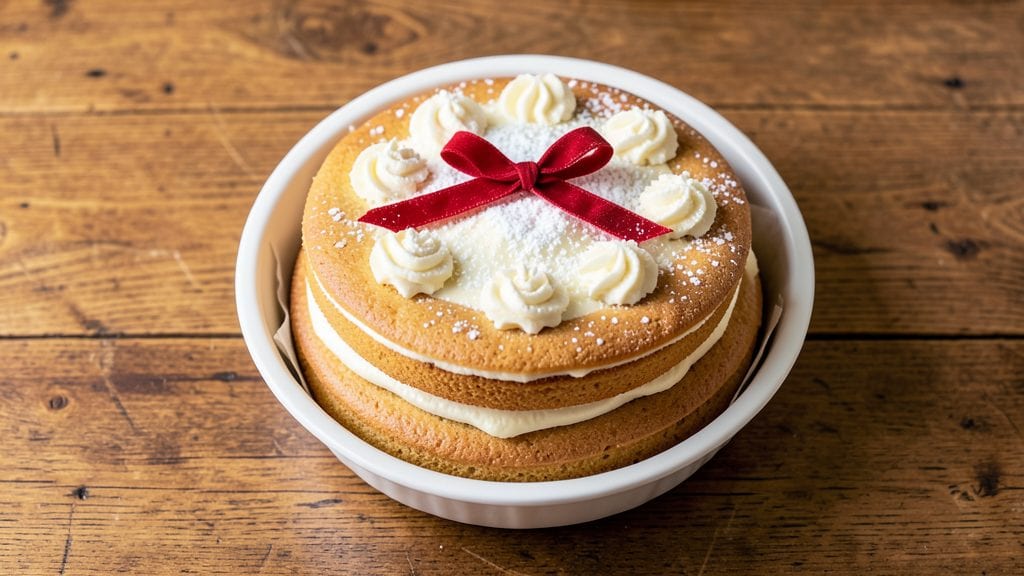
This Betty Crocker Dinette cake recipe brings back the nostalgic charm of homemade layer cake perfection with its signature vanilla sponge and velvety cream cheese frosting. The secret lies in precise measurements and gentle baking that creates tender layers with just the right crumb—no dense, heavy texture here.
I’ve perfected this version over years of baking, ensuring every slice delivers that classic Betty Crocker quality you remember from childhood.
The cake itself is simple but not simplistic—just six basic ingredients (including butter and vanilla extract) baked in two 9-inch layers at 350°F for 25-30 minutes each.
The cream cheese frosting, made with powdered sugar and a touch of butter, adds that signature tangy sweetness that makes this cake unforgettable. This isn’t just dessert; it’s a celebration of timeless baking.
What you’ll end up with is a three-layered masterpiece with perfectly moist vanilla cake and a frosting so smooth it practically melts in your mouth. The layers are stacked with care, creating an elegant presentation that’s as beautiful as it is delicious.
Whether it’s for a birthday, holiday gathering, or just because—this cake always steals the show.
Ready to recreate this classic? The instructions walk you through every step, from mixing the batter to frosting and decorating. No fancy equipment needed—just patience and a steady hand. Let’s make this cake together!
Ingredients for betty crocker dinette cake
Twelve simple ingredients for the cake, five for the frosting—just butter, sugar, and patience.
| Ingredient | Amount | Notes |
|---|---|---|
| All-Purpose Flour 🌾 | 3 cups | Sifted for light texture |
| Unsalted Butter 🧈 | 1 ½ cups | Cold, cubed for even baking |
| Granulated Sugar 🍚 | 2 ½ cups | White sugar preferred |
| Large Eggs 🥚 | 4 whole | Room temperature for blending |
| Pure Vanilla Extract 🍯 | 2 tsp | High-quality, pure vanilla |
| Baking Powder 🧂 | 1 ½ tsp | Double-acting for lift |
| Salt 🧂 | ½ tsp | Fine sea salt |
| Milk 🥛 | 1 cup | Room temperature |
| Cream Cheese 🧀 | 16 oz | Full-fat, room temperature |
| Powdered Sugar 🍚 | 4 cups | Sifted for smooth frosting |
| Lemon Juice 🍋 | 1 tbsp | Freshly squeezed |
| Vanilla Extract 🍯 | 1 tsp | Same as cake batter |
The butter and flour are non-negotiable here. Use Land O’Lakes unsalted butter—it’s reliable and melts evenly without separating. For flour, King Arthur or Gold Medal brands give the lightest texture. I always measure by weight if I can (250g flour for 2 cups), but if you’re using cups, spoon it in and level off. The cream cheese? Philadelphia brand is the standard for a reason—it’s consistent and creamy. Grab the full-fat version (the good stuff, not the light kind). For vanilla, McCormick Pure Vanilla is my go-to, but any high-quality extract will do. The powdered sugar should be 10X—it’s finer and dissolves better.
No vanilla extract? A teaspoon of vanilla sugar works in a pinch, though it’ll be less potent. Running low on baking powder? Baking soda plus cream of tartar at a 1:2 ratio mimics the double-acting effect. For the frosting, if you’re short on cream cheese, add 1 ounce of butter to compensate, but don’t overdo it or it’ll get greasy. The lemon juice brightens the frosting—if you don’t have any, a splash of white vinegar does the trick. And for the love of cake, don’t skip sifting the powdered sugar. Lumps in the frosting are a dealbreaker.
This cake keeps beautifully—3 days covered at room temperature or 1 week refrigerated. The frosting hardens in the fridge, so bring it to room temp before serving. For make-ahead magic, bake the layers 1 day ahead, wrap tightly in plastic, and frost just before serving. The flavors meld overnight, making it even more decadent. Freeze unfrosted layers for up to 3 months—thaw at room temp before assembling. And if you’re feeling fancy, dust the top with powdered sugar right before serving for that classic dinette look.
Why You'll Love This Recipe
- I’ll be real: cream cheese frosting feels fancy, but the ingredients are surprisingly affordable. A block of cream cheese, powdered sugar, and a lemon? That’s it. And since it keeps for days, you’re not throwing money away on half-eaten cakes. Plus, the recipe makes enough for 12 slices—perfect for sharing or feeding a hungry family.
- No-Fuss Assembly: Honestly, this cake is my secret weapon for when I want something showstopping but don’t have hours to spare. Just mix, bake, and frost—no fancy decorating skills required. The sifted flour and cold butter cubes make the layers rise perfectly, so you get that light, airy texture without the drama.
- Tangy-Sweet Perfection: That lemon juice in the frosting? Game-changer. It cuts through the richness of the cream cheese and vanilla, giving every bite a bright, zesty kick. The high-quality vanilla extract in both the batter and frosting ties it all together—no artificial aftertaste, just pure comfort.
- Crowd-Pleaser Always: Between us, this cake is that dish—everyone loves it. Serve it at a potluck, pack slices for a picnic, or just enjoy it with a cup of coffee on a Tuesday night. The layers freeze beautifully, so you can bake once and have leftovers for weeks (or just eat it all in one sitting).
Step-by-step instructions for Betty Crocker dinette cake with cream cheese frosting
Here's how to create that iconic layered vanilla cake with velvety cream cheese frosting.
Prepare the Cake Layers
Preheat your oven to 350°F and grease three 9-inch round cake pans, then line the bottoms with parchment paper. In a large mixing bowl, combine the 3 cups all-purpose flour, 1½ tsp baking powder, and ½ tsp salt. Sift this mixture together to eliminate any lumps and ensure a light, airy texture for your cake layers.
In a separate large bowl, cream together the 1½ cups unsalted butter and 2½ cups granulated sugar on medium speed until light and fluffy, about 3-5 minutes. This step is crucial—it incorporates air that will make your cake tender. Add the 4 large eggs, one at a time, mixing well after each addition. Then stir in the 2 tsp pure vanilla extract and the 1 cup milk until just combined.
Gradually add the dry ingredients to the wet mixture, mixing on low speed just until the flour is incorporated. Avoid overmixing—you should still see some streaks of flour. Divide the batter evenly among the prepared pans, spreading it out to create smooth, even layers. Bake for 25-30 minutes, or until a toothpick inserted into the center comes out clean. Let the layers cool in the pans for 10 minutes, then transfer to a wire rack to cool completely before frosting.
Make the Cream Cheese Frosting
While the cake layers cool, prepare the frosting by beating the 16 oz cream cheese in a large mixing bowl until smooth and creamy. This should take about 2-3 minutes on medium speed. Gradually add the 4 cups powdered sugar, 1 tbsp lemon juice, and 1 tsp vanilla extract, mixing on low speed until fully combined. The frosting should be thick but spreadable—if it's too stiff, add a splash of milk to loosen it.
Here's the thing—this frosting needs to be at room temperature for the best texture. If your kitchen is cold, let the bowl sit for 5-10 minutes while you finish assembling the cake. The lemon juice brightens the flavor and balances the sweetness, while the vanilla extract adds depth that complements the cake layers perfectly.
Assemble the Cake Layers
Once your cake layers are completely cool, place the first layer on a cake stand or plate. Spread a generous amount of the cream cheese frosting evenly over the top, leaving about ½-inch border unfrosted. This ensures clean, professional-looking layers. Repeat with the second layer, then place the third layer on top.
Frost the top and sides of the cake with the remaining frosting, using a spatula to create smooth, even sides. For a classic dinette cake look, pipe decorative rosettes or swirls around the edges with any leftover frosting. Chill the cake in the refrigerator for at least 1 hour before slicing—this allows the frosting to set properly and makes for cleaner cuts.
Serve and Enjoy
Slice the cake into 12 equal pieces using a sharp serrated knife. For cleaner cuts, dip the knife in hot water and wipe it dry between each slice. Serve immediately or store covered at room temperature for up to 3 days—though I promise, it won't last that long!
The combination of tender vanilla cake layers and tangy cream cheese frosting makes this dinette cake a timeless classic. Each bite delivers a perfect balance of sweetness and richness, with the lemon juice adding just the right amount of brightness. This is the cake that brings back childhood memories—and it's easier to make than you might think.
Pro Tips For Making Betty Crocker Dinette Cake
- Cube Butter Properly: Skip the soft butter—cut the 1.5 cups into ½-inch cubes and refrigerate them for 10 minutes before creaming. I learned this the hard way: melted butter in the sugar mix makes for dense layers instead of that light, fluffy texture. Cold cubes stay firm enough to whip air into properly, even if your kitchen isn’t.
- Sift Dry Ingredients Twice: The recipe says to sift the flour, baking powder, and salt—but do it again after mixing. I used to skip this, and my cakes always had a slightly gritty bite. That second sift ensures everything’s evenly distributed, so your layers stay tender and smooth.
- Don’t Rush the Cooling: Let those cake layers sit in the pans for the full 10 minutes before transferring to the rack. I know, you’re eager to frost, but rushing this step means the frosting will melt into the warm cake instead of staying sharp and pretty. Patience here makes all the difference for clean slices later.
- Whip Cream Cheese Slow: Beat the 16 oz cream cheese on medium speed for those full 2-3 minutes—no rushing. I used to cut it short, and the frosting always ended up grainy. Slow and steady gives you that silky, spreadable texture that tastes like it came from a bakery.
Pro cooking tips for this recipe
Butter Creaming Secrets
The key to tender cake layers starts with properly creaming the 1½ cups unsalted butter and 2½ cups granulated sugar—this step can’t be rushed. I use a stand mixer on medium speed for 3-5 minutes until the mixture turns pale and fluffy.
If you’re hand-whisking, switch to a paddle attachment for the last 2 minutes to maintain consistency. Over-creaming adds air and can make your cake dense, so keep an eye on it! 💡
Room Temperature Matters
Room temperature ingredients are non-negotiable for this recipe. Beat your 4 large eggs and 1 cup milk until they’re both at room temperature—this ensures even baking and prevents sinking in the middle.
I pull ingredients out 1-2 hours before baking, especially in cold kitchens. Cold butter or eggs will result in a cake that’s dry or unevenly baked.
Don’t Overmix the Batter
Once you combine the dry and wet ingredients, mix just until the flour disappears—this is when you’ll see 2-3 streaks of flour in the batter. Overmixing develops gluten, leading to a tough cake.
I turn off the mixer as soon as the batter looks uniform. Trust me, a little flouriness in the batter means a lighter cake! 🍰
Even Baking for Perfect Layers
Rotate your pans halfway through baking to ensure even heat distribution. The cake should spring back slightly when pressed gently in the center. If your oven runs hot, reduce the temperature by 25°F and check for doneness at 22 minutes.
Underbaking is worse than slightly overbaking—you want a cake that’s fully set but still moist.
Frosting Texture Control
For the cream cheese frosting, beat the 16 oz cream cheese until it’s completely smooth—no lumps allowed! If it’s too thick, add 1 teaspoon of milk at a time until it’s spreadable but holds its shape.
The frosting should coat the back of a spoon without dripping. Pro tip: Chill the bowl for 10 minutes before beating if your kitchen is warm.
Nutrition facts
Frequently asked questions
Why does my cake layer look dense instead of light?
Overmixing the batter is the usual culprit! Stop mixing as soon as the flour disappears—just a few streaks are fine. Also, ensure your butter and eggs are at room temperature before mixing. Cold ingredients prevent proper aeration, leading to a heavier texture. Let them sit out for 1-2 hours before starting.
Can I use a different type of flour for this recipe?
Stick with all-purpose flour for the best results—it’s what creates that classic Betty Crocker texture. Whole wheat or cake flour won’t yield the same tender crumb. If you’re avoiding gluten, consider a 1:1 gluten-free baking flour blend, but expect slightly different results. Always check your flour’s protein content for accuracy.
How do I fix underbaked cake layers?
If your layers come out slightly underbaked, return them to the oven for 5-10 minutes at 300°F. Cover loosely with foil to prevent over-browning. For a quick fix, place the pan on a wire rack in the oven while it preheats—this gentle heat will finish the job without drying them out. Always check with a toothpick for doneness next time!
What’s the best way to store leftover frosting?
Keep your cream cheese frosting fresh by storing it in an airtight container in the fridge for up to 1 week. Before using, let it sit at room temperature for 10-15 minutes to soften. If it’s too thick, add a teaspoon of milk to restore its spreadable consistency. Never refreeze frosting—it can separate and lose texture.
Can I make this cake ahead of time?
Bake your layers 1 day ahead and store them wrapped tightly in plastic. Frost just before serving for the freshest taste. For make-ahead convenience, freeze unfrosted layers for up to 3 months—thaw at room temperature before assembling. This method works perfectly for holiday baking or when you want to impress guests without last-minute stress.