
Desserts
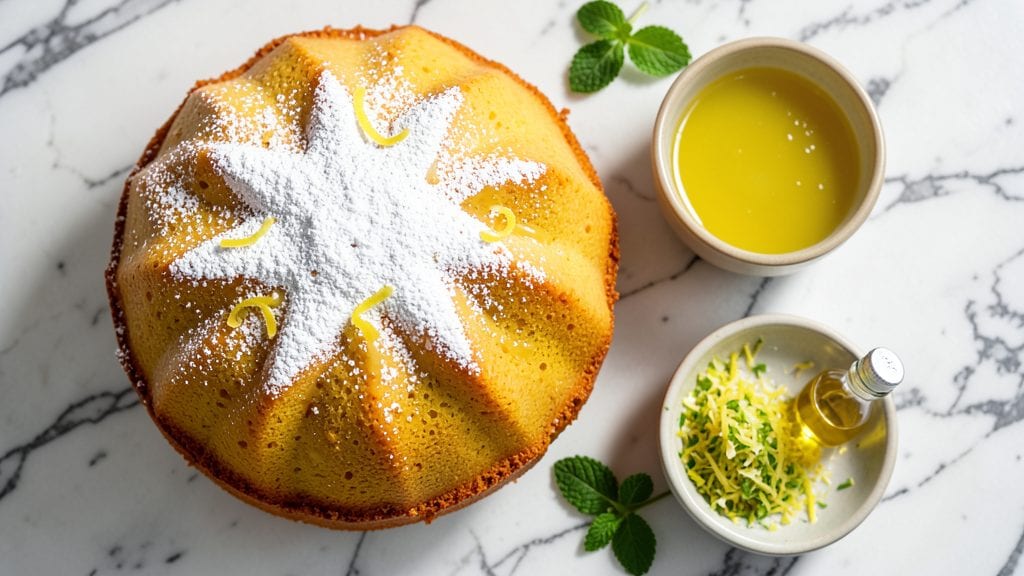
Betty Crocker’s lemon bundt cake recipe delivers that perfect balance of bright citrus and tender crumb—just like the classic box mix you love, but with a homemade touch. The secret lies in the buttery layers and zesty lemon flavor that make every slice feel like a little burst of sunshine.
I’ve perfected this version over years of baking, ensuring the cake stays moist while the frosting stays rich and velvety.
This recipe uses simple ingredients you likely already have in your pantry, including all-purpose flour, butter, sugar, and fresh lemon juice—plus a few key steps to guarantee success.
The bundt pan creates an elegant shape with no extra effort, and the frosting comes together in minutes with powdered sugar and a splash of lemon extract. No special tools or techniques required, just precise measurements and a little patience.
By the time you pull this cake from the oven, you’ll have golden layers with a tender crumb and a bright lemon flavor that cuts through the richness. The buttery frosting adds a smooth finish, making each bite feel indulgent yet light.
It’s the kind of dessert that’s perfect for brunch, afternoon tea, or a special celebration—without the fuss of complicated recipes.
Serve warm with a scoop of vanilla ice cream or enjoy it at room temperature for a classic Betty Crocker experience. The recipe scales easily, so you can adjust the size based on your needs. Let’s get baking!
Ingredients for betty crocker lemon bundt cake
Pantry staples plus a few zesty additions. Everything you need for sunshine in cake form.
| Ingredient | Amount | Notes |
|---|---|---|
| All-Purpose Flour 🌾 | 2 ½ cups | Sifted for light texture |
| Granulated Sugar 🍚 | 2 cups | Divided for cake and frosting |
| Unsalted Butter 🧈 | 1 cup | Cold, cubed for cake batter |
| Fresh Lemon Juice 🍋 | 1 cup | From 4-6 medium lemons |
| Lemon Zest 🍋 | 2 tbsp | Finely grated from 2 lemons |
| Lemon Extract 🍋 | 1 tsp | Pure, not imitation |
| Large Eggs 🥚 | 3 whole | Room temperature |
| Baking Powder 🍞 | 2 tsp | Freshly measured |
| Salt 🧂 | ½ tsp | Fine sea salt |
| Powdered Sugar 🍚 | 3 cups | For frosting |
| Heavy Whipping Cream 🥛 | ½ cup | Cold for frosting |
| Vanilla Extract 🌸 | 1 tsp | Pure vanilla |
| Bundt Pan 🍰 | 1 whole | Non-stick preferred |
The butter and flour are non-negotiable here—use room-temperature butter for the frosting, but keep the cake batter cubes cold. I grab Land O'Lakes unsalted butter from the grocery store because it's consistently high quality, but any good brand works. For flour, King Arthur or Gold Medal are my go-tos—they bake up light and fluffy. The lemons? Meyer lemons if you can find them—they're sweeter and add a floral note, but regular lemons work too. Just make sure they're juicy and bright yellow, not green or shriveled. I always zest two extra lemons and freeze the zest in an ice cube tray for future baking projects.
No fresh lemons? Bottled lemon juice works in a pinch, but you'll lose that bright, fresh flavor. The lemon extract is key for extra zing—imitation extract won't cut it. For the frosting, if you're short on powdered sugar, you can blend granulated sugar with 1 tbsp cornstarch to make a rough substitute, but it won't be as smooth. The heavy whipping cream should be cold when you whip it—straight from the fridge. If your frosting doesn't come together, try chilling the bowl for 10 minutes before whipping again. The bundt pan? Non-stick is a game-changer—it makes for easier release and less cleanup. If you don't have one, a regular tube pan works too, just grease it well.
This cake keeps beautifully at room temperature for 3 days, wrapped in plastic. For longer storage, freeze the whole cake (unfrosted) for up to 3 months. I like to portion it into single slices and freeze those individually—just thaw at room temperature for 30 minutes before serving. The frosting can be made a day ahead and stored in the fridge. Bring it to room temperature before spreading. If you're making this for a crowd, double the frosting recipe—it disappears fast! And trust me, the leftovers reheated in the microwave for 10 seconds taste just as good as day one.
Why You'll Love This Recipe
- No Panics Needed: This recipe is that unfussy—just butter, flour, and lemons. No fancy tools, no stress. Grease the Bundt pan, sift the dry ingredients, and boom: you’re halfway done. The cold butter and fresh lemon juice make the mixing so simple, even if you’ve never baked before. I’ve made this on a Tuesday night when I was too tired to think, and it still turned out perfect.
- Zesty Perfection: The flavor? Chef’s kiss. That 1 cup of fresh lemon juice and 2 tablespoons of zest—plus that little kick from the pure lemon extract—make this cake bright and tangy without being sour. The frosting, made with powdered sugar and heavy cream, balances it out so every bite is like sunshine in cake form. My kids don’t even notice it’s “healthy” because it’s that good.
- Crowd-Pleaser Always: This isn’t just for birthdays or holidays—it’s the dish that disappears at potlucks, brunch gatherings, or even as a fancy dessert for a casual dinner. Slice it up, and it looks impressive, but the recipe is so foolproof, you can pull it off last-minute. Plus, the Bundt shape means you get more cake (and fewer crumbs) for your effort. Trust me, everyone will ask for seconds.
- Budget-Friendly Luxury: You’d never guess this tastes like a specialty dessert for the price of a grocery haul. A few lemons, basic pantry staples like flour and sugar, and some butter—it’s the kind of recipe that gives you restaurant-quality results without breaking the bank. And if you’re feeling fancy, swap the vanilla extract for a splash of orange zest to stretch those lemons even further. Win.
Step-by-step instructions for lemon bundt cake
Here's the method that delivers a perfectly moist cake with bright lemon flavor and velvety frosting.
Prepare the Bundt Pan and Mix Dry Ingredients
First, grease the bundt pan thoroughly with butter, then dust it evenly with flour, tapping out any excess. This ensures easy release later. In a medium bowl, whisk together the 2½ cups all-purpose flour, 2 teaspoons baking powder, and ½ teaspoon salt. Sift this mixture directly into the prepared pan to eliminate lumps in the batter.
Set the dry ingredients aside while you prepare the wet ingredients. The key here is to work quickly once everything comes together to prevent the butter from melting too soon. I like to measure all my ingredients first so I can mix efficiently without missing any steps.
Cream Butter and Sugar for Light Texture
In a large mixing bowl, combine the 1 cup cold, cubed unsalted butter with 1½ cups granulated sugar. Using an electric mixer on medium speed, beat until the mixture is light and fluffy, about 2-3 minutes. You'll notice the color lighten slightly as air incorporates into the butter.
Add the remaining ½ cup granulated sugar and continue beating for another minute. This step creates the foundation for a tender cake. If your butter isn't cold enough, the cake might become dense. I always test by feeling the butter cubes - they should be firm but not rock-hard.
Combine Wet Ingredients and Fold in Dry Mixture
Add the 3 large eggs one at a time, beating well after each addition. Then stir in the 1 cup fresh lemon juice, 2 tablespoons lemon zest, 1 teaspoon lemon extract, and 1 teaspoon vanilla extract. Mix until just combined - you don't want to overmix the batter.
Gradually add the dry ingredients from the pan to the wet mixture, mixing on low speed just until the flour is incorporated. Be careful not to overmix - stop as soon as the batter comes together. The batter will be thick but pourable. Here's where the lemon flavor really starts to shine through.
Bake Until Golden and Springy
Pour the batter into the prepared bundt pan and smooth the top. Bake in a preheated 350°F oven for 50-55 minutes, or until a toothpick inserted into the center comes out clean. The cake should be golden brown and spring back gently when touched.
I always check for doneness at the 45-minute mark since ovens vary. The edges should pull away slightly from the pan, but don't overbake - this can make the cake dry. Let the cake cool in the pan for 15 minutes, then invert onto a wire rack to cool completely.
Prepare the Frosting and Assemble
In a large bowl, beat the ½ cup cold heavy whipping cream until soft peaks form. Gradually add the 3 cups powdered sugar and 1 teaspoon vanilla extract, beating until the frosting is smooth and holds stiff peaks. This should take about 3-4 minutes with an electric mixer.
Once the cake is completely cool, spread the frosting evenly over the top and sides. The bright lemon flavor in the cake pairs perfectly with the sweet, creamy frosting. For extra presentation, you can dust with additional lemon zest or arrange lemon slices around the base.
Pro Tips For Making Betty Crocker Lemon Bundt Cake
- Test Butter Firmness: Press a cube of your unsalted butter—it should dent slightly but hold its shape. If it flattens under your finger, chill it 10 more minutes. I learned this the hard way when my cake turned out dense because the butter melted too soon during mixing.
- Juice Lemons Last: Add the fresh lemon juice after the eggs but before the dry ingredients. This keeps the zest’s bright oils suspended in the batter longer, so every bite gets that zesty punch. (Yes, even if you’re impatient like me.)
- Avoid Overmixing Dry Ingredients: Whisk the all-purpose flour, baking powder, and salt just until combined—no need for a cloud of dust. Overworking them creates gluten, and that’s how you end up with a tough, chewy cake instead of a tender one.
- Cool Cake Fully: Let the cake sit in the pan for 15 minutes, then invert onto a rack to cool completely. Frosting warm cake makes it soggy, and nobody wants a lemon Bundt that’s more puddle than slice. (Your future self will thank you.)
Pro cooking tips for perfect results
Butter Temperature Control
Cold butter is your secret weapon for a tender cake, but it’s easy to mess up. For the batter, keep the 1 cup cubed butter chilled—it should feel firm but not icy when pressed. I always test by touching the cubes; if they leave a slight indentation, they’re perfect.
Overly warm butter will make your cake dense, while butter that’s too cold won’t cream properly. Once you start mixing, work quickly—this is why I measure everything first so I can assemble the batter smoothly. 🔥
Avoid Overmixing the Batter
This is where beginners often go wrong. Once you add the dry ingredients to the wet mixture, mix just until the flour disappears—no more than 15-20 seconds of mixing. Overmixing develops gluten, which makes the cake tough instead of tender.
I like to use a spatula to gently fold the dry ingredients into the wet mixture until just combined. You’ll know it’s done when the batter looks thick but pourable, like pancake batter. The lemon flavor will be brightest when you stop mixing early.
Lemon Juice Freshness Matters
Fresh lemon juice is non-negotiable for that authentic zing. If you’re using bottled juice, it won’t have the same brightness, but if you’re committed to fresh, here’s my trick: Juice 4-6 medium lemons and strain out any seeds or pulp.
The zest adds even more flavor, so finely grate 2 tablespoons from 2 lemons and fold it into the batter. Pro tip: If your lemons are on the tart side, add 1 teaspoon sugar to the juice to balance the acidity. This small adjustment makes a huge difference in flavor.
Frosting Whipping Technique
The frosting is where people often struggle, but it’s simpler than it seems. Beat the ½ cup cold heavy whipping cream until soft peaks form, then gradually add the 3 cups powdered sugar and 1 teaspoon vanilla extract.
The key is to beat it for 3-4 minutes until it’s smooth and holds stiff peaks. If your frosting isn’t coming together, try chilling the bowl and beaters for 10 minutes before whipping again.
I’ve found that using a stand mixer makes this step much easier than hand-beating. Once it’s ready, spread it on the cake while it’s still cool to prevent melting.
Pan Release Trick
No one likes a cake that sticks to the pan, so here’s my foolproof method: Grease the bundt pan thoroughly with butter, then dust it evenly with flour, tapping out any excess.
I also like to use a pastry brush to coat the pan with a thin layer of melted butter before adding the flour. This extra step ensures the cake releases cleanly. If you’re using a non-stick pan, you can skip the flour dusting, but the butter coating is still essential.
Let the cake cool in the pan for 15 minutes before inverting—this helps it set and makes the release even easier.
Nutrition facts
Frequently asked questions
Why does my bundt cake stick to the pan?
Even with butter and flour, cakes can stick if the pan isn't properly prepped. Double-check that you've coated the bundt pan with melted butter, then dusted it evenly with flour, tapping out excess. For extra insurance, let the cake cool in the pan for 15 minutes before inverting. Non-stick pans make this process easier, but always use the butter-flour method for best results.
Can I make this cake ahead of time? This cake keeps beautifully at room temperature for 3 days when wrapped tightly in plastic. For longer storage, freeze the whole unfrosted cake for up to 3 months. Thaw at room temperature before frosting and serving. The frosting can be made a day ahead and stored in the fridge—just bring it to room temperature before spreading.
What if my frosting won't whip? If your frosting isn't coming together, try chilling the bowl and beaters for 10 minutes before whipping again. Make sure your ½ cup heavy whipping cream is cold and your powdered sugar is sifted. If it still resists, beat it for an extra 1-2 minutes—sometimes it just needs a little more time. A stand mixer works best for this step.
Can I substitute fresh lemons with bottled juice? While fresh lemon juice gives the best flavor, bottled juice works in a pinch. For the brightest taste, use freshly juiced lemons from 4-6 medium lemons. If using bottled juice, look for pure lemon juice without additives. The zest is also important—grate 2 tablespoons from 2 lemons for that extra zing.