
Desserts
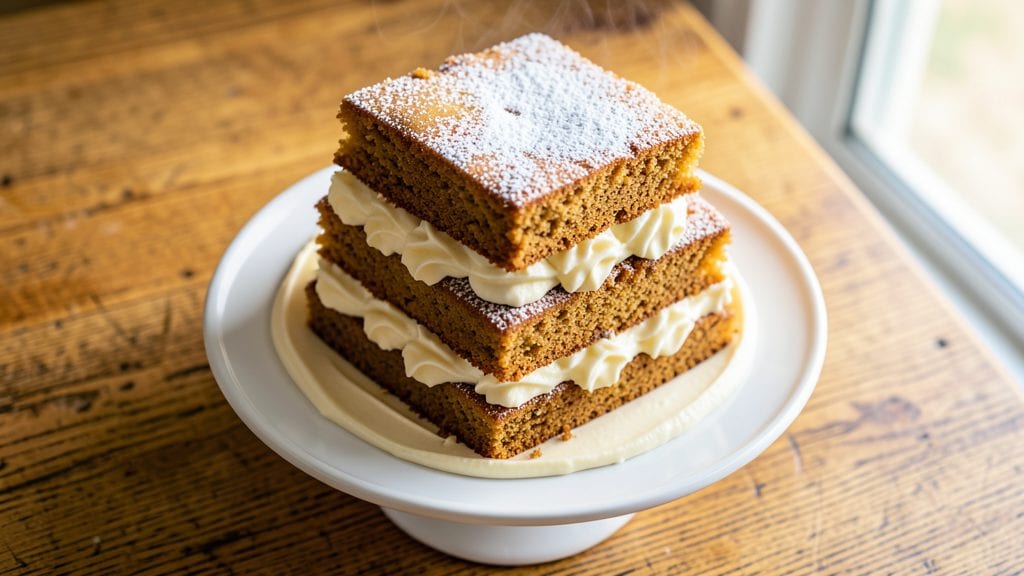
Betty Crocker's Russian Tea Cakes bring a touch of European elegance to your dessert table with their signature buttery layers and delicate vanilla swirls. These traditional treats have been a staple in American baking for decades, offering a perfect balance of richness and simplicity.
The secret lies in the precise ratio of flour, butter, and vanilla extract, which creates that signature tender crumb and fragrant aroma.
What makes these tea cakes truly special is their versatility—they can be enjoyed fresh from the oven with a cup of tea or served at room temperature with a dusting of powdered sugar.
The recipe requires just a few pantry staples and about 30 minutes of active time, making them an ideal dessert for any occasion. The dough is rolled, cut into rounds, and baked until golden, resulting in a cake that's crisp on the outside and tender inside.
Each bite delivers that signature buttery flavor with hints of vanilla that linger on the palate, making them a crowd-pleaser at gatherings or a comforting treat for yourself.
The recipe includes a classic vanilla version, but you can easily customize it with almond extract for a nutty twist or add citrus zest for a brighter flavor profile. The key to success is keeping the butter cold and handling the dough gently to maintain its delicate texture.
Perfect for afternoon tea, holiday desserts, or as a simple yet sophisticated addition to any meal, these Russian Tea Cakes are a testament to how timeless baking can feel both nostalgic and fresh.
Whether you're a seasoned baker or just starting out, this recipe delivers restaurant-quality results with minimal effort. Let's get baking!
Ingredients for betty crocker russian tea cake
Just flour, butter, sugar, and vanilla—yet these buttery layers feel luxurious.
| Ingredient | Amount | Notes |
|---|---|---|
| All-Purpose Flour 🌾 | 4 ½ cups | Sifted before measuring |
| Unsalted Butter 🧈 | 1 ½ cups | Cold and cubed |
| Granulated Sugar 🍬 | 1 ½ cups | Superfine for even texture |
| Vanilla Extract 🌿 | 2 tbsp | Pure, not imitation |
| Large Eggs 🥚 | 3 whole | Room temperature |
| Baking Powder 🧂 | 2 tbsp | Aluminum-free preferred |
| Salt 🧂 | 1 tsp | Fine grain preferred |
| Powdered Sugar 🍬 | 1 cup | For dusting |
| Almond Extract 🌰 | 1 tsp | Optional for variation |
| Lemon Zest 🍋 | 1 tbsp | Freshly grated, optional |
The butter must stay cold throughout—wrap it in plastic and refrigerate until ready to use. For best results, use Diamond Crystal baking powder (measure by volume, not weight) and Mazola or Crisco for the butter. The vanilla extract should be pure, high-quality—McCormick or Annie's are reliable choices. If using almond extract, add it to the vanilla mixture for even distribution. The eggs should be at room temperature for optimal blending; cold eggs create dense dough.
No vanilla extract? Vanilla sugar (1 tbsp per 1/2 cup sugar) works, though it lacks depth. Short on almond extract? 1/2 tsp almond powder adds subtle nuttiness. For the lemon zest, use organic lemons—conventional may have wax residue. If powdered sugar feels like overkill, sift regular sugar for a similar texture. The baking powder is non-negotiable—test it first by mixing with water; bubbles mean it's active. For extra richness, add 1/4 cup heavy cream to the butter mixture.
Keep the dough chilled up to 24 hours for easier handling. Wrap tightly in plastic and store in the fridge. The baked cakes freeze beautifully—wrap individually in foil and freeze for up to 3 months. For best texture, reheat in a 300°F oven for 10 minutes before serving. The powdered sugar keeps indefinitely in an airtight container, but replace every 6 months for freshness. Always use parchment paper when baking to prevent sticking, and avoid overbaking—they should spring back when pressed.
Why You'll Love This Recipe
- No-Fuss Assembly: I’ve made cakes where the dough was a disaster, but this one? Just whisk, cream, and roll. The dough forms in minutes, and that chilling step—yes, even if it feels like a hassle—makes all the difference. No overmixing, no stress, just tender layers that pop right out of the oven.
- Vanilla-Almond Magic: The pure vanilla extract and optional almond extract? That’s the secret. It’s rich but not cloying, with a subtle brightness from the lemon zest if you use it. Trust me, one bite and you’ll forget about store-bought cake.
- Tea Time Hero: These aren’t just for tea parties—they’re my go-to for potlucks, brunch, or even dessert after a weeknight dinner. Slice them, dust with powdered sugar, and boom: instant crowd-pleaser. My kids even ask for seconds, and that’s saying something.
- Freeze Like a Pro: Between the dough chilling for up to 24 hours and the cakes freezing for three months, this recipe is my budget-friendly backup. Make a batch, freeze half, and never stress about last-minute dessert again. Zero waste, maximum satisfaction.
Step-by-step instructions for betty crocker russian tea cakes
Here's the method for tender layers and perfect swirls every time.
Prepare the Dough Foundation
In a large mixing bowl, combine the 4½ cups all-purpose flour, 2 tbsp baking powder, and 1 tsp salt. Whisk together until evenly distributed—this ensures even leavening throughout the cakes. In a separate bowl, cream the 1½ cups unsalted butter and 1½ cups granulated sugar together until light and fluffy, about 3-4 minutes using an electric mixer.
This creaming process incorporates air, which creates those signature tender layers. I like to scrape down the sides of the bowl every 30 seconds to ensure everything gets properly incorporated. The mixture should be pale and nearly double in volume when finished.
Add Wet Ingredients and Create the Swirl
Add the 3 large eggs, 2 tbsp vanilla extract, and 1 tbsp lemon zest to the butter-sugar mixture. Mix on low speed until just combined—about 1 minute. The lemon zest adds a bright contrast to the rich vanilla flavor, while the eggs bind everything together.
Gradually add the dry ingredients to the wet mixture, mixing on low speed until a soft dough forms. Divide the dough into 3 equal portions and flatten each into a 6-inch circle on a lightly floured surface. For each circle, place 1 teaspoon of the almond extract (if using) in the center, then roll up tightly from the center outward to create a log.
Layer and Bake for Perfect Texture
Preheat your oven to 350°F and line two baking sheets with parchment paper. Place one dough log on each sheet, then wrap each log tightly in plastic wrap. Chill in the refrigerator for at least 1 hour—this step is critical for preventing spreading during baking.
Once chilled, remove the plastic wrap and slice each log into ½-inch thick rounds. Place the rounds on the prepared baking sheets, leaving 1 inch between each cake. Bake for 12-15 minutes until the edges are light golden brown and a toothpick inserted comes out clean.
Cool and Dust for Finishing Touches
Remove the cakes from the oven and let them cool on the baking sheets for 5 minutes. Transfer to a wire rack to cool completely. While still warm, dust the tops generously with the 1 cup powdered sugar using a fine-mesh sieve for an elegant finish.
The cakes should have a tender crumb with delicate swirls visible in each slice. Serve warm or at room temperature with tea for the perfect afternoon treat. These cakes stay fresh for 3 days when stored in an airtight container, though they're best enjoyed within the first 24 hours.
Pro Tips For Making Betty Crocker Russian Tea Cake
- CREAM THE BUTTER LONG ENOUGH: That 3-4 minutes of creaming isn’t just busywork—it’s what gives these cakes their signature layers. I used to cut it short, and the finished product always tasted dense. Stop when the mixture looks pale and fluffy enough to double in volume, even if it feels like overkill. Trust the process, even when your arm starts to protest.
- CHILL THE DOUGH LOG TIGHTLY: Wrapping those logs in plastic wrap and chilling them for at least an hour isn’t optional—it’s the only way to keep them from spreading into sad, flat pancakes. I learned this after one disastrous batch where I skipped the chill. Press the wrap snug, freeze the logs for 15 minutes if you’re impatient, then slice while still cold for clean rounds every time.
- USE SUPERFINE SUGAR (OR PULSE IT): Granulated sugar won’t dissolve evenly, and you’ll end up with gritty bites in an otherwise perfect cake. If you don’t have superfine, pulse the granulated sugar in a food processor for 10-15 seconds until it’s almost like powdered sugar. The texture of these cakes depends on it—don’t skip this step, even if it feels like extra effort.
- DUST THE CAKES IMMEDIATELY: Wait too long to dust with powdered sugar, and you’ll end up with a dry, chalky mess. Sift that 1 cup of powdered sugar over the warm cakes (right after the 5-minute rest on the baking sheet) while they’re still soft. The heat helps the sugar melt just enough to cling beautifully—no sieving required for a pro finish.
Wine and beer pairings for this dish
Classic White Wine Pairings
These delicate, buttery tea cakes pair beautifully with crisp white wines that complement their vanilla and citrus notes. I reach for a dry Riesling from Germany’s Mosel Valley—its bright acidity cuts through the richness while enhancing the lemon zest.
The 11-12% ABV keeps it refreshing without overpowering the cake’s subtle flavors. Look for Dr. Loosen Blue Slate or Erich Padberg for a reliable choice. 🍷
Creamy Beer Complements
A light Belgian witbier like Leffe Blond or Hoegaarden adds a citrusy, coriander-infused contrast to the vanilla swirls. The 5-6% ABV and effervescence cleanse your palate between bites. For a richer option, try a German Hefeweizen—its banana and clove notes harmonize with the almond extract variation.
These beers also pair wonderfully with the powdered sugar finish. 🍺
Elevated Dessert Wine
For a luxurious touch, serve these cakes with a Vendange Tardive Gewürztraminer from Alsace. This late-harvest wine offers lychee and rose petal aromas that mirror the cake’s floral vanilla notes.
The 14-15% ABV and honeyed sweetness make it an indulgent pairing. I keep Domaine Weinbach on hand for special occasions—it’s a crowd-pleaser. ✨
Unexpected Craft Pairing
Surprisingly, a lightly hopped IPA like Deschutes Mirror Pond works with the vanilla-almond version. The 6% ABV and citrusy hops balance the richness without clashing. This pairing is a fun twist for those who prefer beer over wine. The bitterness actually enhances the cake’s sweetness, creating a delightful contrast. 💫
Seasonal Sparkling Option
In warmer months, a brut nature sparkling wine such as Laurent-Perrier Brut Réserve adds a refreshing lift. Its 12% ABV and crisp bubbles cleanse the palate, making each bite of cake feel lighter.
The wine’s stone-fruit notes subtly echo the lemon zest, creating a harmonious balance. Perfect for spring and summer gatherings! 🥂
Nutrition facts
Frequently asked questions
Why does the dough need to chill before baking?
Chilling the dough for at least 1 hour is essential to prevent spreading during baking. The cold butter solidifies, creating those signature buttery layers and tender texture. Skipping this step can lead to flat, dense cakes instead of the delicate swirls you love!
Can I substitute vanilla extract with something else?
Yes! If you're out of vanilla extract, use 1 tbsp vanilla sugar (mixed with ½ cup granulated sugar) for a similar flavor. For a nutty twist, add ½ tsp almond powder instead of almond extract. Just remember, pure vanilla extract delivers the best depth of flavor.
How do I know when the cakes are done baking?
They're ready when the edges are light golden brown and a toothpick inserted comes out clean. Overbaking makes them dry, so pull them out at the first sign of golden color. Let them cool for 5 minutes on the baking sheet before transferring.
Can I make these cakes ahead of time?
The dough can be chilled for up to 24 hours for easier handling. For baked cakes, wrap them individually in foil and freeze for up to 3 months. Reheat in a 300°F oven for 10 minutes before serving to restore that fresh-baked texture.
What’s the best way to dust the cakes with powdered sugar?
Use a fine-mesh sieve to dust the powdered sugar while the cakes are still warm. This creates an even, elegant finish without clumping. A little goes a long way—just a light coating enhances the flavor without overpowering the buttery goodness!