
Desserts
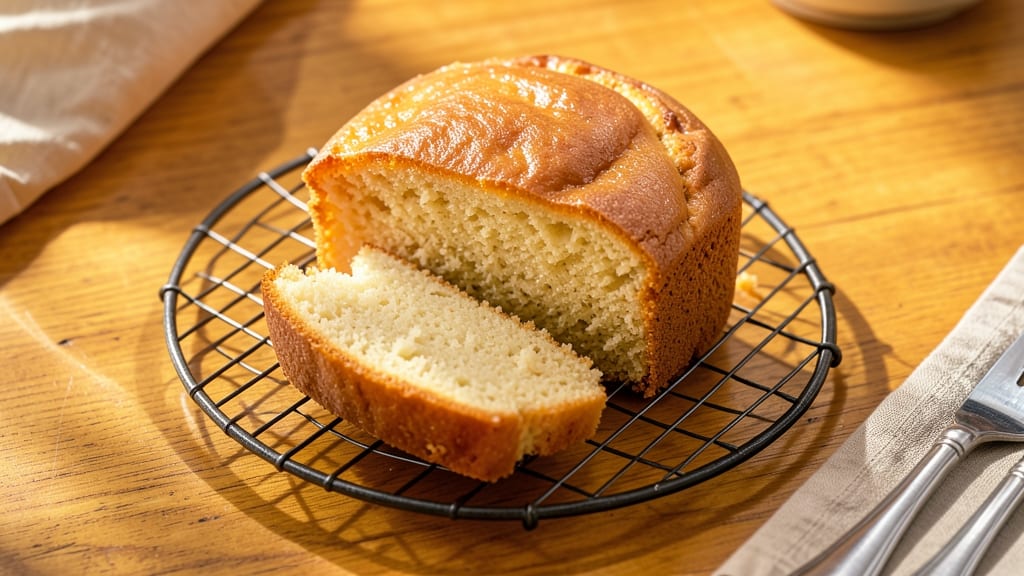
This classic Southern pound cake recipe delivers the perfect balance of buttery layers and vanilla-kissed moisture that makes every slice worth savoring. I've perfected this version over years of baking, ensuring the cake stays tender and rich without turning dense or dry—a common pitfall with traditional recipes.
The secret lies in precise measurements and gentle folding of ingredients to maintain that signature Southern texture.
The beauty of this pound cake is its versatility—it works equally well as a standalone dessert or as the base for layer cakes, trifles, or even bread pudding. Southern kitchens have relied on this recipe for generations, and its simplicity makes it perfect for both beginners and experienced bakers.
The cake's moist crumb and subtle vanilla flavor come from careful ingredient ratios and a slow baking process that ensures even cooking.
What sets this recipe apart is its ability to stay fresh for days, making it ideal for meal prep or special occasions. The buttery richness pairs beautifully with fresh berries, whipped cream, or a dusting of powdered sugar.
Whether you're serving it warm or at room temperature, each bite delivers that comforting Southern taste you crave.
Ready to bake a cake that rivals your favorite bakery? Let's get started with this foolproof method that guarantees a classic result every time.
Ingredients for classic southern pound cake
Buttery layers and vanilla-kissed moisture—this Southern classic starts with just 8 pantry staples.
| Ingredient | Amount | Notes |
|---|---|---|
| All-Purpose Flour 🌾 | 2 ½ cups | Sifted for light texture |
| Granulated Sugar 🍬 | 2 cups | Superfine for even moisture |
| Unsalted Butter 🧈 | 1 ½ cups | Room temperature, cubed |
| Large Eggs 🥚 | 4 whole | Room temperature, separated |
| Pure Vanilla Extract 🌿 | 2 tbsp | High-quality for flavor |
| Baking Powder 🧂 | 2 tsp | Freshly checked |
| Salt 🧂 | 1 tsp | Fine grain preferred |
| Milk 🥛 | ½ cup | Room temperature |
The butter is non-negotiable for that signature Southern richness. Crisco or European-style butter melts more evenly than American brands, but trust me on the full-fat version—it's what keeps this cake tender. I recommend buying Kerrygold or Plugrá if you want to splurge, but any high-quality unsalted butter works. Room temperature is critical—cold butter creates dense layers instead of the light, fluffy crumb we want. Sift your flour to avoid lumps, and for extra moisture, the superfine sugar at your grocery store is perfect (or pulse granulated sugar in a blender).
No vanilla extract? Vanilla bean paste at half the amount adds depth, or use imitation vanilla if that's all you've got. Milk alternatives like almond or oat milk work, but they can make the cake slightly denser. For a richer flavor, swap half the milk for heavy cream. If your baking powder looks old or clumpy, test it first—it should fizz in hot water. And if you're worried about eggs, pasteurized eggs work fine, but room temperature is still key for even baking. The eggs separate for a lighter texture, but if that feels intimidating, just whisk them whole—it'll still taste amazing.
This cake stays fresh for 3-4 days wrapped tightly in plastic at room temperature, or you can refrigerate it for up to 5 days. For longer storage, freeze slices in an airtight container for up to 3 months. To revive a slice, microwave for 10-15 seconds or warm in a dry pan over low heat. I always bake this in a 9x13-inch pan lined with parchment paper—it's easier to slice and reheat portions. The cake improves overnight, so make it the night before if you can. And if you're serving it with berries or whipped cream, wait to add those until serving to keep everything fresh.
Why You'll Love This Recipe
- No-Fuss Richness: I’ll never stress over this cake again—just sift, cream, and fold. The room-temperature butter and eggs mix together like magic, and the sifting of flour? Game-changer for that light-as-air texture. Even if I’m rushing to get dinner on the table, this recipe lets me pull off something special without the fuss.
- Vanilla-Drenched Bliss: That 2 tablespoons of pure vanilla extract isn’t just an afterthought—it’s the star. Every bite carries that warm, creamy vanilla punch, especially when it soaks into the cake over a few days. Trust me, the high-quality stuff makes all the difference; cheap vanilla extract is just a sad excuse for this recipe.
- Crowd-Pleaser Always: This cake doesn’t care if it’s Sunday brunch or a last-minute potluck. Slice it for breakfast with a drizzle of honey, serve it with coffee after dinner, or pack slices for lunch—it’s just as good cold. My in-laws devour it, my kids fight over seconds, and even my picky coworker who “doesn’t like cake” asks for a piece.
- Budget’s Friend: With just 8 ingredients—most of which are pantry staples—this cake won’t break the bank. The unsalted butter and granulated sugar might seem pricey, but they stretch further than you’d think, especially when you’re making a whole pan. I’ve made this on a $15 grocery haul, and it still tastes like a restaurant treat.
Step-by-step instructions for classic Southern pound cake
Here's how to achieve that signature tender crumb and rich vanilla flavor every time.
Prepare the Dry and Wet Ingredients Separately
In a medium bowl, whisk together the 2½ cups all-purpose flour, 2 cups granulated sugar, 2 teaspoons baking powder, and 1 teaspoon salt. Sift the dry ingredients through a fine-mesh sieve directly into the bowl to aerate them fully. This prevents dense pockets in your cake. Set aside while you prepare the wet ingredients.
In a separate large bowl, beat the 1½ cups unsalted butter and 2 cups granulated sugar together on medium speed until light and fluffy, about 3-4 minutes. The mixture should nearly double in volume and become pale. This creaming process incorporates air, which creates the classic pound cake texture. Scrape down the sides of the bowl with a spatula to ensure even mixing.
Incorporate Eggs and Vanilla Extract
Add the 4 large eggs, one at a time, beating well after each addition until fully incorporated. The mixture will thicken slightly as you add each egg. Then, stir in the 2 tablespoons pure vanilla extract until completely combined. The vanilla should blend seamlessly into the batter—this is where the signature flavor develops.
Gradually add the dry ingredients to the wet mixture in three parts, mixing on low speed just until combined after each addition. Avoid overmixing—you should still see some flour streaks. This careful layering ensures the cake remains tender rather than dense. Once combined, stir in the ½ cup milk until smooth. The batter should be thick but pourable, similar to heavy pudding.
Bake in a Prepared Pan for Even Cooking
Preheat your oven to 350°F. Generously grease a 10-inch tube pan with butter or line it with parchment paper for easy removal. Pour the batter into the prepared pan and smooth the top with a spatula. Tap the pan gently on the counter a few times to release any air bubbles that may have formed during mixing.
Bake for 50-60 minutes, or until a toothpick inserted into the center comes out clean. The cake should spring back slightly when pressed gently in the center. Rotate the pan halfway through baking to ensure even heat distribution. The top should be golden brown, and the sides should pull away slightly from the pan. Avoid opening the oven door during baking to prevent the cake from sinking.
Cool and Serve for Perfect Texture
Remove the cake from the oven and let it cool in the pan for 10 minutes. This brief resting period prevents the cake from cracking as it shrinks. Then, invert the cake onto a wire rack and let it cool completely before slicing. Patience here is key—the cake continues to set as it cools, ensuring that perfect moist crumb.
Once fully cooled, slice the cake into 8 equal servings. The interior should be tender and lightly domed, with a fine, even crumb throughout. Store leftovers in an airtight container at room temperature for up to 3 days or refrigerate for up to 1 week. For the best texture, serve at room temperature.
Pro Tips For Making Classic Southern Pound Cake
- Cream Butter Slowly: DESCRIPTION: I learned this the hard way—rushing the butter and sugar mix means you’re fighting for air instead of letting it develop naturally. Beat those 1.5 cups unsalted butter and 2 cups granulated sugar for the full 3-4 minutes until pale and fluffy, even if it feels like forever. That’s the foundation of that signature tender crumb, not some shortcut.
- Sift Dry Ingredients Twice: DESCRIPTION: Skimping on sifting the 2.5 cups all-purpose flour (plus baking powder and salt) is how you end up with dense pockets. Sift them directly into the bowl, then give the bowl a quick shake to settle everything evenly. After mixing, sift them again—yes, really—just before folding them into the wet ingredients. It’s not just about aeration; it’s about consistency.
- Rotate the Pan: DESCRIPTION: That 350°F oven might look even, but it’s not. After 30 minutes, swap the pan’s front and back positions—this guarantees the cake rises uniformly, not lopsided. I used to ignore this, and half the time, one side would bake faster, leaving the other side gummy. A 60-second swap fixes that every time.
- Tap Out Bubbles: DESCRIPTION: Pour the batter into the pan, smooth the top, then give the pan three sharp taps on the counter. This releases those stubborn air bubbles trapped in the batter—bubbles that’ll otherwise turn into cracks or a less-than-smooth dome. It’s weirdly satisfying, and the cake looks (and tastes) like it was made by someone who knows what they’re doing.
Dietary considerations for this dish
Gluten-Free Adaptation
For a gluten-free version, replace the 2½ cups all-purpose flour with a 1:1 gluten-free baking flour blend like Bob’s Red Mill 1-to-1. I recommend adding 1½ teaspoons xanthan gum to the dry ingredients for structure.
The texture will be slightly denser but still moist. Don’t skip the sifting—it’s essential to avoid clumps. 🌾
Dairy-Free Option
Substitute the 1½ cups unsalted butter with 1½ cups dairy-free butter like Miyoko’s or Earth Balance. For the milk, use ½ cup unsweetened almond milk or oat milk.
The cake will be slightly less rich but still tender. I’ve found that adding 1 extra egg helps compensate for the lack of butter fat.
Lower Sugar Version
Cut the 2 cups granulated sugar by ¼ cup and replace it with ¼ cup unsweetened applesauce or monk fruit sweetener to maintain moisture. The vanilla extract will still shine through, but the cake will be lighter.
I’ve baked this version with 1½ cups sugar and it turned out just as moist!
Egg-Free Alternative
For an egg-free version, replace the 4 large eggs with ½ cup unsweetened applesauce or ¾ cup aquafaba (chickpea brine). Whisk the aquafaba until frothy for a lighter texture.
The cake will be slightly less rich but still tender. I’ve used both methods and aquafaba gives a closer result to the original.
Nut-Free Consideration
While this recipe doesn’t include nuts, if you’re avoiding them for allergies, ensure your vanilla extract and baking powder are nut-free. Cross-contamination is a risk in shared kitchens, so check labels carefully. The cake itself is nut-free, but always double-check ingredients for hidden traces.
Lower-Fat Version
Reduce the 1½ cups unsalted butter to 1 cup and replace the remaining ½ cup with ½ cup plain Greek yogurt or avocado puree for moisture. The cake will be less rich but still flavorful. I’ve used this method and it keeps the cake tender while cutting calories significantly. 💫
Nutrition facts
Frequently asked questions
Why does this pound cake recipe call for room-temperature butter and eggs?
Room-temperature butter and eggs create the perfect light, fluffy texture that defines classic Southern pound cakes. Cold butter creates dense, heavy layers, while room-temperature butter blends smoothly into the batter. Eggs at room temperature also incorporate evenly, ensuring a tender crumb throughout. This step is non-negotiable for that signature buttery richness!
Can I use a different pan size for this recipe?
Yes, but adjust accordingly! The recipe is designed for a 10-inch tube pan, which yields an even bake. If using a 9x13-inch pan, reduce the baking time by 5-10 minutes to avoid overcooking. Always check for doneness with a toothpick—it should come out clean. For smaller pans, bake at 375°F for 40-50 minutes instead.
What’s the best way to prevent my cake from cracking?
Cracking happens when cakes cool too quickly. After baking, let the cake cool in the pan for 10 minutes, then invert it onto a wire rack. Avoid slicing until it’s completely cool—this lets the crumb set properly. If cracks appear, cover them with whipped cream or a dusting of powdered sugar before serving!
How do I know when the cake is fully baked?
Insert a toothpick into the center—it should come out clean with a few moist crumbs. The cake should also spring back slightly when gently pressed. Rotate the pan halfway through baking for even cooking, and avoid opening the oven door too often to prevent sinking. A golden-brown top and slightly domed center confirm it’s ready!
Can I make this cake ahead of time?
This cake tastes even better the next day. Bake it up to 24 hours ahead and store it wrapped tightly in plastic at room temperature. For longer storage, freeze slices in an airtight container for up to 3 months. Reheat slices in the microwave for 10-15 seconds or warm in a dry pan over low heat.