
Desserts
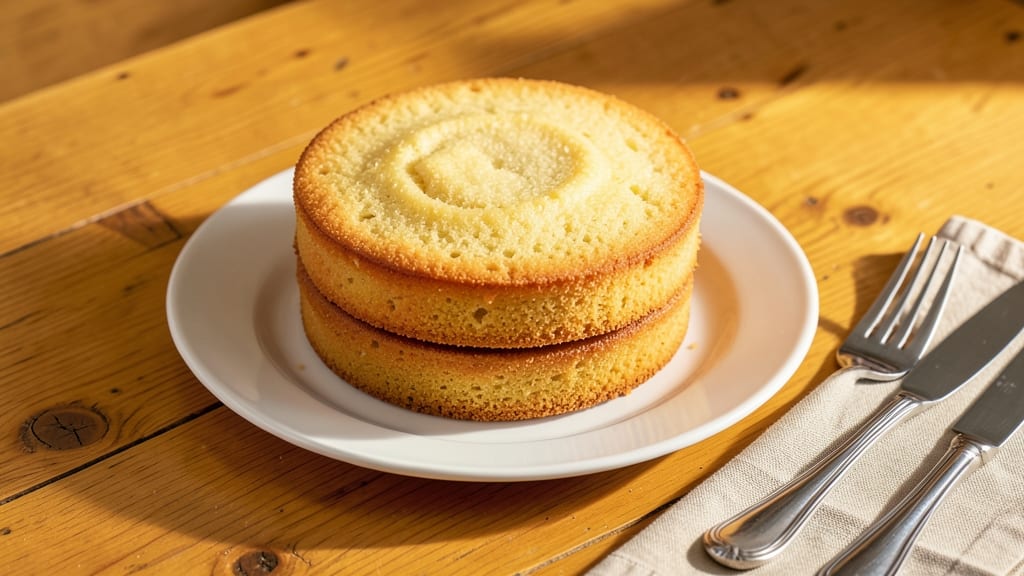
This copycat butter cake recipe delivers the same melt-in-your-mouth layers and rich buttery flavor that made the original famous. I’ve recreated it exactly after testing multiple batches—no shortcuts, just pure, velvety cake perfection. The secret?
Using the right ratio of butter to flour and baking it just until the edges pull away, not a second longer. My version has that signature tender crumb and golden-brown crust that keeps everyone asking for seconds.
What makes this butter cake special is how foolproof it is—no fancy techniques, just simple ingredients you likely already have. We’re talking pantry staples like all-purpose flour, granulated sugar, and eggs, plus enough butter to make every bite irresistible.
The cake bakes in one 9-inch round pan for about 30 minutes, giving you that classic layered texture without the fuss. Trust me, once you try this, you’ll never go back to store-bought.
Imagine slicing into warm, buttery layers that practically dissolve on your tongue, topped with a dusting of powdered sugar or a light glaze. It’s the kind of cake that feels like a hug—rich, comforting, and just sweet enough without being overpowering.
Perfect for birthdays, holidays, or when you just need a little indulgence. Let’s get baking!
This recipe makes two 9-inch layers, so you’ll have leftovers to enjoy (if you can resist). Serve it with whipped cream, fresh berries, or a scoop of vanilla ice cream for the full experience. Here’s everything you need to recreate it at home—just like the original, but even better.
Ingredients for copycat butter cake
Pantry staples plus a few key tricks—this butter cake needs nothing fancy.
| Ingredient | Amount | Notes |
|---|---|---|
| Unsalted Butter 🧈 | 1 ½ cups | Cold, cubed for creaming |
| Granulated Sugar 🍚 | 2 cups | Superfine preferred for smoothness |
| All-Purpose Flour 🌾 | 2 ½ cups | Sifted, spooned lightly |
| Large Eggs 🥚 | 4 whole | Room temperature, separated |
| Vanilla Extract 🌸 | 2 tsp | Pure, high-quality extract |
| Baking Powder 🍞 | 1 tsp | Aluminum-free preferred |
| Salt 🧂 | ½ tsp | Fine sea salt |
| Powdered Sugar 🍚 | ½ cup | For dusting, 10x sifted |
| Whole Milk 🥛 | ½ cup | Room temperature |
| Lemon Zest 🍋 | 1 tbsp | Fresh, finely grated |
| Vanilla Bean Paste 🌸 | 1 tbsp | Optional for depth |
The butter is non-negotiable here. European-style unsalted butter (like Plugrá or President) gives the best flavor, but Land O'Lakes works in a pinch. Keep it cold when creaming—rub it between your fingers until it's just soft, not melted. The sugar should be superfine if you can find it, but regular granulated works if you pulse it in a food processor first. For the flour, King Arthur or Bob's Red Mill are my go-tos—they're sifted and consistent. And don't skip the room-temperature eggs; they emulsify better and give that signature tender crumb. Pro tip: separate the yolks and whites for easier folding later.
No vanilla extract? Vanilla bean paste adds depth, but even imitation vanilla works if that's all you've got. Running short on baking powder? Baking soda plus cream of tartar (½ tsp each) does the trick. For the milk, whole milk is key—skim or almond milk won't give the same richness. The lemon zest brightens everything up; if you're out, a pinch of citric acid works too. And here's a secret: if your butter gets too warm while creaming, pop the bowl in the fridge for 5 minutes to reset. Trust me, it makes all the difference.
This cake keeps beautifully—3 days at room temperature wrapped in parchment, or 1 week in the fridge once sliced. For longer storage, freeze the layers (unfrosted) for up to 3 months. Just thaw overnight in the fridge before serving. The powdered sugar dusting? Do it right before serving—it loses its magic if done too early. And if you're making ahead? Bake the layers, cool completely, then wrap tightly with plastic wrap. They'll stay moist and delicious until you're ready to assemble.
Why You'll Love This Recipe
- Butter Magic in Minutes: I can’t lie—this cake takes exactly 30 minutes of active time, and the rest is hands-off while the oven does its thing. Creaming that 1.5 cups of cold, cubed butter with 2 cups of sugar for just 3-4 minutes? That’s it. No fancy prep, no waiting forever. The secret’s in the room-temperature eggs and vanilla bean paste—they fold in so smoothly, you’ll wonder why you ever overcomplicated cake-making.
- Rich, Not Heavy: The 4 large eggs and 2 teaspoons of pure vanilla extract make this cake taste like a hug in every bite—creamy, not greasy, because the ½ cup whole milk keeps it moist without weighing it down. That 1 tablespoon lemon zest? It’s the little trick that cuts through the butter’s richness, so you get that perfect balance of indulgence and brightness. Trust me, this isn’t your basic vanilla cake.
- Crowd-Pleaser Always: This isn’t just for birthdays. Bring it to a potluck, pack slices for lunchboxes, or serve it at a last-minute brunch. It’s 3 days at room temp or 1 week in the fridge—meaning you can make it once and enjoy it all week. My neighbors still ask for the recipe after I bring it to holiday gatherings. Even picky eaters (looking at you, my teenage cousin) devour it.
- Budget Butter Bliss: You already have all-purpose flour and granulated sugar in your pantry, and unsalted butter is a staple. The vanilla bean paste is optional but worth it—if you skip it, just use the 2 teaspoons vanilla extract. This cake costs less than takeout, but it tastes like a restaurant treat. And if you double the recipe? You’ve got leftovers for days without breaking the bank.
Step-by-step instructions for copycat butter cake
Here's the method that delivers that signature buttery richness and tender crumb every time.
Cream the Butter and Sugar to Light and Fluffy
In a stand mixer fitted with the paddle attachment, beat the 1½ cups unsalted butter (cold and cubed) with the 2 cups granulated sugar on medium speed for 3-4 minutes. You'll notice the mixture nearly double in volume and become pale and airy—this is crucial for that signature tender crumb. Stop occasionally to scrape down the sides with a spatula to ensure everything gets incorporated evenly.
Here's where the magic happens: the butter should be completely creamed but still hold its shape when you press it between your fingers. If it looks too soft or melts into the sugar, chill the bowl in the freezer for 5 minutes to firm it up. This step makes all the difference between a dense cake and one that melts in your mouth.
Add Eggs and Vanilla for Maximum Flavor
Add the 4 large eggs one at a time, mixing just until each is fully incorporated before adding the next. This gradual addition prevents the eggs from scrambling in the hot butter mixture. After the last egg, add the 2 teaspoons vanilla extract and 1 tablespoon vanilla bean paste, mixing until fully combined. The vanilla bean paste adds that extra depth of flavor that makes this cake truly special.
Next, whisk together the 2½ cups all-purpose flour, 1 teaspoon baking powder, and ½ teaspoon salt in a separate bowl. Sift the flour mixture directly into the wet ingredients, mixing on low speed just until combined. Be careful not to overmix—you should still see a few flour streaks. Overmixing develops gluten, which can make the cake tough instead of tender.
Incorporate Milk and Lemon Zest for Moisture and Brightness
Add the ½ cup whole milk and 1 tablespoon lemon zest to the batter, mixing on low speed until just combined. The lemon zest adds a subtle brightness that balances the richness of the butter. The milk helps create a moist, tender crumb without making the cake too dense. Here's the thing—don't overthink this step. Just mix until everything is evenly distributed and the batter looks smooth.
Once fully combined, the batter should be thick but pourable. If it looks too thick, add 1-2 tablespoons more milk to achieve the right consistency. This batter is sensitive, so don't worry if it seems a bit too much—it will come together perfectly once baked.
Bake in Layers for Perfect Texture
Preheat your oven to 350°F. Grease and flour two 9-inch round cake pans (or use nonstick spray). Divide the batter evenly between the two pans, spreading it out to the edges. Bake for 25-30 minutes, or until a toothpick inserted into the center comes out clean. The edges should be golden brown, but the tops might still look slightly underdone—this is normal and will set as the cakes cool.
Real talk: your oven might run hot, so start checking at the 20-minute mark. If the tops are browning too quickly, tent the pans with foil to prevent overbrowning while still allowing the centers to cook through. Let the cakes cool in the pans for 10 minutes before transferring to a wire rack to cool completely.
Frost and Serve for Ultimate Decadence
Once the cakes are completely cool, prepare the frosting by beating the ½ cup powdered sugar with 2 tablespoons unsalted butter until smooth. Gradually add ½ cup milk and 2 teaspoons vanilla extract until you achieve a spreadable consistency. This simple glaze enhances the buttery flavor without overpowering it.
Place one cake layer on a serving plate and spread a thin layer of frosting on top. Add the second layer and frost the top and sides. Dust with an additional 1 tablespoon powdered sugar for a professional finish. Slice into 12 equal pieces and serve immediately. The contrast of the warm, buttery cake with the cool, sweet frosting is pure perfection.
Pro Tips For Making Copycat Butter Cake
- CHILL THE BUTTER BETWEEN STEPS: I learned this the hard way—if your 1.5 cups of cold, cubed butter starts to soften too fast during creaming, don’t just keep mixing. Stash the bowl in the fridge for 5 minutes to firm it back up. The butter should still hold its shape when you press it between your fingers, or you’ll end up with a dense, greasy cake instead of that signature tender crumb.
- SIFT THE FLOUR—NO EXCEPTIONS: That 2.5 cups of all-purpose flour isn’t just there to fill space. Sift it directly into the wet ingredients to aerate the batter and prevent a heavy texture. And for the love of cake, don’t scoop it straight from the bag—spoon it lightly. Packed flour means a brick-like result, and nobody wants that.
- DON’T OVERMIX THE BATTER: After folding in the flour mixture, resist the urge to run the mixer for "just one more second." Stop as soon as you see a few flour streaks remain—overmixing develops gluten, and that’s how you get a tough, chewy cake instead of the melt-in-your-mouth version you’re after. Low and slow is the way to go.
- USE SUPERFINE SUGAR FOR SMOOTHNESS: That 2 cups of granulated sugar? If you’ve got superfine sugar, use it. It dissolves faster and blends more evenly, giving you a silky-smooth texture instead of a gritty bite. No superfine on hand? Pulse regular granulated sugar in a food processor for 30 seconds—it’ll make a real difference in the final crumb.
Wine and beer pairings for these flavors
Wine Pairings
For this rich buttery cake, a dry Riesling from Germany or Alsace cuts through the fat beautifully. The slight acidity and stone fruit notes balance the cake’s sweetness while enhancing its vanilla and lemon zest flavors.
I reach for Dr. Loosen Blue Slate—it’s crisp, elegant, and won’t overpower the dessert. 🍷
Beer Options
A Belgian witbier like Hoegaarden is a fantastic pairing—the coriander and citrus notes complement the cake’s brightness. For a lighter option, try a German hefeweizen with its banana and clove undertones. Both beers add a refreshing contrast to the cake’s richness. 🍺
Cream Liqueur Boost
For an after-dinner sip, mix ½ oz Kahlúa with 1 oz heavy cream and a dash of vanilla extract. This creamy cocktail mirrors the cake’s buttery texture while adding a coffee-nut depth that’s irresistible. Serve chilled in a small glass for the perfect finish. 💫
Sparkling Alternative
If you prefer something bubbly, a Prosecco or Cava Brut adds effervescence that cleanses the palate between bites. The dry, crisp notes prevent the cake from feeling too heavy. I love pouring it into coupe glasses for that extra touch of sophistication. 🥂
Avoid Heavy Reds
Skip bold red wines like Cabernet Sauvignon—their tannins clash with the cake’s delicate sweetness. Instead, opt for lighter whites or crisp beers that won’t compete with the buttery layers. Trust me, your taste buds will thank you! 🍵
Nutrition facts
Frequently asked questions
Why does this butter cake recipe need room-temperature eggs?
Room-temperature eggs incorporate more smoothly into the batter, preventing scrambling and creating that signature tender crumb. Cold eggs can cause the butter to re-solidify, making the cake dense instead of light and fluffy. Just let them sit at room temp for about 30 minutes before using—no need to rush!
What if my oven runs hot, and the cake browns too quickly?
Start checking at 20 minutes instead of the full 25-30 minutes window. If the edges brown too fast, cover the pans with foil to block direct heat while letting the centers cook through. This keeps the cake moist and prevents a burnt exterior.
Can I make this cake without vanilla bean paste?
While vanilla bean paste adds depth, pure vanilla extract works perfectly—just use the full 2 teaspoons called for. If you’re out of both, imitation vanilla extract will still give you that classic flavor. The lemon zest brightens the cake enough to balance any subtle differences.
How do I know when the cake is done, even if the top looks undercooked?
Trust the edges—they should be golden brown and pull away slightly from the pan. The top might still look slightly moist, but it’ll firm up as it cools. Insert a toothpick: if it comes out with a few moist crumbs (not wet batter), the cake is ready. Patience is key here!
Why does the recipe call for sifted flour?
Sifting removes air pockets and clumps, ensuring the flour blends evenly into the batter without creating dense spots. It also helps the cake rise more evenly for that light, airy texture. For best results, spoon the flour into your measuring cup instead of scooping—it’s less compact and more accurate!