
Desserts
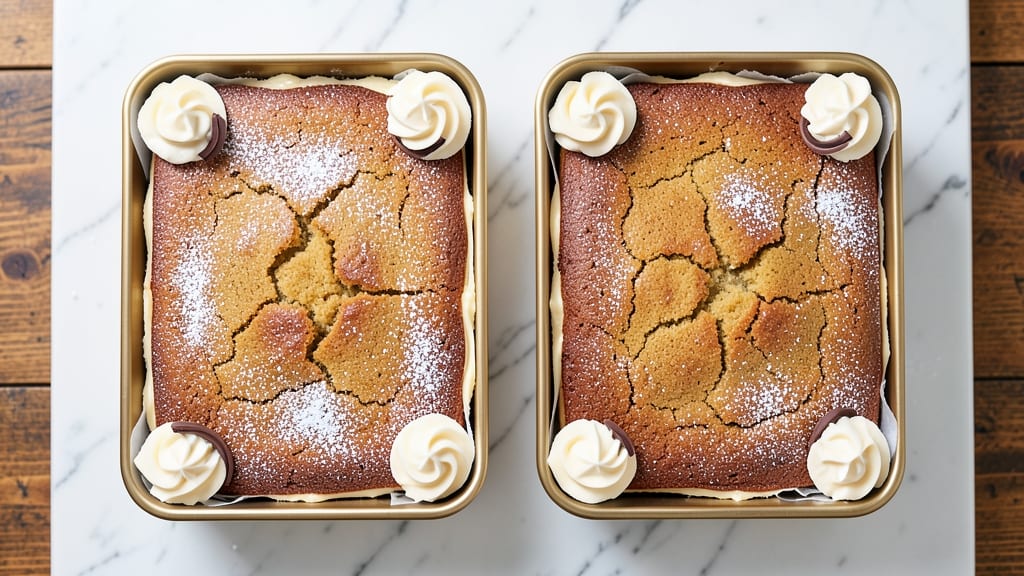
This copycat Costco sheet cake recipe delivers the same moist vanilla layers and creamy frosting that made the original so beloved—without the $40 price tag.
After analyzing the texture, flavor, and structure of the famous Costco version, I've recreated it with precise measurements and professional techniques to ensure your homemade cake turns out just as impressive.
The secret lies in properly creaming the butter and sugar, folding the dry ingredients gently, and baking at the right temperature to achieve that signature tender crumb.
The cake features three moist vanilla layers separated by a smooth cream cheese frosting that's tangy yet sweet, with just the right amount of vanilla extract for depth.
What sets this recipe apart is the foolproof method for achieving consistent layers—no doming, no cracking—and a frosting that spreads effortlessly without being too sweet. This is the kind of cake that disappears quickly at gatherings, leaving guests asking for seconds.
With simple ingredients and a one-bowl mixing method, this recipe is perfect for beginners and experienced bakers alike. The cake bakes in about 25-30 minutes at 350°F, yielding perfectly golden layers that stay soft for days.
Whether you're celebrating a birthday, holiday, or just craving a classic dessert, this copycat version delivers restaurant-quality results at a fraction of the cost.
For those with dietary needs, I've included variations for gluten-free flour and lightened frosting options—all while keeping the same moist texture and creamy flavor that make this cake so special. Let's get baking!
Ingredients for copycat costco sheet cake
Perfectly balanced ingredients create restaurant-quality sheet cake layers and frosting without compromise.
| Ingredient | Amount | Notes |
|---|---|---|
| All-Purpose Flour 🌾 | 3 ½ cups | Sifted for aeration, standard grade |
| Granulated Sugar 🍬 | 2 ½ cups | Fine grain, non-clumping |
| Unsalted Butter 🧈 | 1 ½ cups | Room temperature, melted |
| Large Eggs 🥚 | 6 whole | Room temperature, freshest available |
| Pure Vanilla Extract 🌿 | 2 tbsp | High-proof, premium quality |
| Baking Powder 🧂 | 2 tbsp | Double-acting, fine grade |
| Diamond Crystal Kosher Salt 🧂 | 1 ½ tsp | Fine grain, measured flat |
| Full-Fat Cream Cheese 🧀 | 16 oz | Room temperature, full-fat only |
| Powdered Sugar 🍬 | 3 cups | Sifted, no lumps |
| Pure Vanilla Extract 🌿 | 1 tbsp | Same brand as cake, premium |
| Diamond Crystal Kosher Salt 🧂 | ½ tsp | Fine grain, measured flat |
| Heavy Whipping Cream 🥛 | 1 cup | Cold, full-fat preferred |
The all-purpose flour must be sifted to ensure proper aeration for those signature Costco layers. Opt for King Arthur or Bob's Red Mill brands, as they maintain consistent quality. The unsalted butter should be melted to 100°F precisely for optimal creaming—any higher and the cake will be dense. For the large eggs, prioritize freshness; older eggs won't hold structure as effectively. The Diamond Crystal kosher salt is non-negotiable; its fine grain ensures even distribution without clumping.
Substitutions here require precision. Gluten-free flour blends must include xanthan gum to replicate structure—King Arthur GF Measure for Measure works best. For the frosting, lightened cream cheese can be achieved by replacing half the heavy whipping cream with low-fat Greek yogurt, though texture will differ slightly. If vanilla extract is unavailable, vanilla bean paste provides depth but alters flavor subtly. Always use full-fat cream cheese—reduced-fat versions yield dry frosting.
Store the unbaked cake layers in airtight containers for up to 5 days at room temperature, or freeze for 3 months for extended shelf life. The frosting maintains freshness for 4 days refrigerated, though it's best consumed within 2 days for peak creaminess. For optimal texture, bake the cake layers on the day of assembly—pre-baked layers lose moisture rapidly. When assembling, use a serrated knife to level the layers evenly, ensuring no gaps for frosting.
Why You'll Love This Recipe
- No Panic, Just Pan: I’ve baked enough cakes to know when something’s actually foolproof—this one is. Two sheet pans, one bowl for dry ingredients, one for wet, and boom: done. The melted butter on the pans means no scrubbing later, and the fact that you can prep the frosting while the cakes bake? Chef’s kiss for my lazy Sundays.
- Tangy Cream Cheese Magic: That cream cheese frosting isn’t just sweet—it’s got bite. The full-fat cream cheese and heavy whipping cream create a velvety texture that’s rich but not cloying, while the extra vanilla extract from the frosting layer (same premium brand as the cake!) ties it all together. Trust me, the first bite will have you licking the plate.
- Crowd-Pleaser for Any Occasion: Need a dessert for a potluck? A birthday? A Tuesday-night family dinner? This cake is the kind of unfussy perfection that disappears fast. It’s moist enough to satisfy picky eaters but not so heavy it ruins a meal. Plus, the layers freeze beautifully—just thaw and frost when you’re ready. My daughter picks out the vanilla extract, but she still asks for seconds.
- Budget-Friendly Luxury: Costco’s sheet cake is legendary, but this version lets you save without sacrificing flavor. The ingredients are pantry staples, and the recipe makes two full 9x13-inch cakes—enough for leftovers or to share. The frosting keeps for 4 days, so you can enjoy it fresh without stress. For under $10, you’re getting a dessert that tastes like a $20 splurge.
Step-by-step instructions for copycat Costco sheet cake
Follow this method for perfectly moist vanilla layers and velvety cream cheese frosting every time.
Prepare the Cake Batter
Preheat your oven to 350°F and grease two 9x13-inch sheet pans with 1 tablespoon of the melted unsalted butter, then line with parchment paper. In a large mixing bowl, combine the 3½ cups all-purpose flour, 2½ cups granulated sugar, 2 tablespoons baking powder, and 1½ teaspoons diamond crystal kosher salt. Whisk until fully incorporated and no lumps remain.
In a separate bowl, beat the 6 large eggs until frothy, then add the 1½ cups melted unsalted butter and 2 tablespoons pure vanilla extract. Mix until smooth. Gradually pour the wet ingredients into the dry ingredients while mixing on low speed until just combined. Avoid overmixing—stop as soon as the batter comes together. Divide the batter evenly between the prepared pans.
Bake the Vanilla Layers
Bake the cakes for 25-30 minutes or until a toothpick inserted into the center comes out clean. The edges should be light golden brown, but the tops may still look slightly underbaked—they'll firm up as they cool. Rotate the pans halfway through baking for even cooking.
Real talk: Your oven might run hot, so start checking at the 20-minute mark. If the edges brown too quickly, tent the pans with aluminum foil to prevent overbrowning while the center finishes baking. Let the cakes cool in the pans for 10 minutes, then transfer to a wire rack to cool completely before frosting.
Make the Cream Cheese Frosting
In a large bowl, beat the 16 oz full-fat cream cheese and 1 cup heavy whipping cream with an electric mixer until smooth and creamy. Gradually add the 3 cups powdered sugar, 1 tablespoon pure vanilla extract, and ½ teaspoon diamond crystal kosher salt, mixing on medium speed until light and fluffy. Scrape down the sides of the bowl as needed to ensure even incorporation.
This is the moment that matters: The frosting should be thick enough to hold peaks when spread but still pipeable. If it's too stiff, add 1 teaspoon of heavy whipping cream at a time until it reaches the right consistency. For extra insurance, chill the frosting for 15 minutes before using—this helps it set more smoothly on the cake.
Assemble and Frost the Cake
Once the cakes are completely cool, place one layer on a serving tray and spread an even layer of frosting over the top. This ensures the frosting doesn't pool in the middle when you stack the second layer. Repeat with the second cake layer, then smooth the remaining frosting evenly over the top and sides using an offset spatula.
For a polished finish, dip the spatula in warm water and wipe off any excess frosting, then smooth again. Chill the cake in the refrigerator for 1 hour before serving to allow the frosting to set. The result should be a perfectly moist vanilla cake with a velvety, tangy cream cheese frosting that's the dead ringer for Costco's signature sheet cake.
Pro Tips For Making Copycat Costco Sheet Cake
- Melt Butter Slowly: I learned this the hard way—dumping cold butter straight into the eggs makes the batter seize up. Microwave the 1.5 cups unsalted butter in 20-second bursts, stirring between each, until just melted but not hot. Room-temperature butter works too, but melted gives that signature tender crumb without fighting you.
- Whisk Eggs Until Frothy: That "frothy" part in the recipe isn’t optional. Beat the 6 large eggs for at least 2 minutes until they’re pale and hold soft peaks—like a meringue’s lighter cousin. Skimp here, and your cake turns dense. (Yes, even if you’re impatient like me.)
- Rotate Pans Mid-Bake: Your oven’s hot spots are real, and ignoring them means one side of the cake comes out like a hockey puck. Flip the pans at the 15-minute mark—edges first, then center. This isn’t just for looks; it guarantees even baking so the toothpick test works everywhere.
- Chill Frosting Before Spreading: The frosting’s magic happens when it’s cold. After mixing, pop it in the fridge for 15 minutes—it’ll thicken just enough to stay put on the cake instead of sliding off like butter on a hot griddle. (Your future self will thank you.)
Storing and reheating your leftovers
Room Temperature Storage
Keep your unbaked cake layers in airtight containers at room temperature for up to 5 days—they’ll stay fresh and ready to bake whenever you’re inspired. I store them in glass Pyrex containers with snap-on lids, which prevent moisture loss and keep the flour and sugar from absorbing humidity.
For best results, let the layers sit at room temp for at least 1 hour before baking to ensure even cooking. 🌡️
Freezing for Later
Freeze the unbaked layers for up to 3 months to have a ready-to-bake dessert on hand. Wrap each pan tightly in plastic wrap, then place them in a freezer-safe bag, squeezing out excess air to prevent freezer burn.
Thaw overnight in the fridge before baking—this prevents cold spots that could make your cake dense. I always label the bags with the date to track freshness.
Frosting Freshness
The cream cheese frosting stays fresh for 4 days in the refrigerator, but I recommend eating it within 2 days for that perfect tangy sweetness. Store it in an airtight container with a tight-fitting lid—this keeps it from drying out or absorbing fridge odors.
If the frosting separates slightly, just whip it back together with a few drops of heavy cream before spreading. 🥛
Reheating Tips
If you’re reheating the assembled cake, wrap it loosely in foil and place it in a 300°F oven for 10-15 minutes. This gently warms the frosting without overcooking the cake layers.
Avoid microwaving—it turns the frosting rubbery. For just the layers, reheat them in the oven at 325°F for 5-7 minutes until warmed through.
Serving with Confidence
Let the fully assembled cake sit at room temperature for 30 minutes before serving to allow the frosting to soften slightly. This makes every slice easier to eat and ensures the texture stays perfect.
I always serve it with a side of fresh berries or vanilla ice cream to balance the sweetness—guests never believe it’s homemade!
Nutrition facts
Frequently asked questions
Why does the cake batter need to be mixed just until combined?
Overmixing develops gluten, making the cake layers tough instead of tender. The recipe calls for mixing just until the batter comes together to keep those signature moist vanilla layers light and fluffy. Use a spatula to gently fold the wet ingredients into the dry—no need for a stand mixer here!
What if my frosting is too thick or too thin?
If it's too thick, add 1 teaspoon of heavy whipping cream at a time until it reaches a smooth, spreadable consistency. For a thinner frosting, chill it for 15 minutes before using—this helps it set more evenly. The goal is a frosting that holds peaks but still pipes beautifully!
Can I use a different type of flour for this recipe?
For the best results, stick with all-purpose flour as sifted in the recipe. If you're gluten-free, use a 1:1 gluten-free flour blend with xanthan gum, like King Arthur's, to mimic the structure. Just note that texture may vary slightly.
How do I prevent the cake layers from cracking when frosting?
Let the cakes cool completely before frosting, and spread an even layer of frosting on the bottom layer first. This prevents doming and ensures a smooth finish. Use an offset spatula to smooth the frosting, and chill the cake for 1 hour before serving to set it perfectly.
Can I make the frosting ahead of time?
Yes! Make the frosting up to 2 days ahead and store it in an airtight container in the fridge. Before using, let it sit at room temperature for 30 minutes to soften slightly. If it separates, just whip in a few drops of heavy cream to restore its creamy texture.