
Desserts
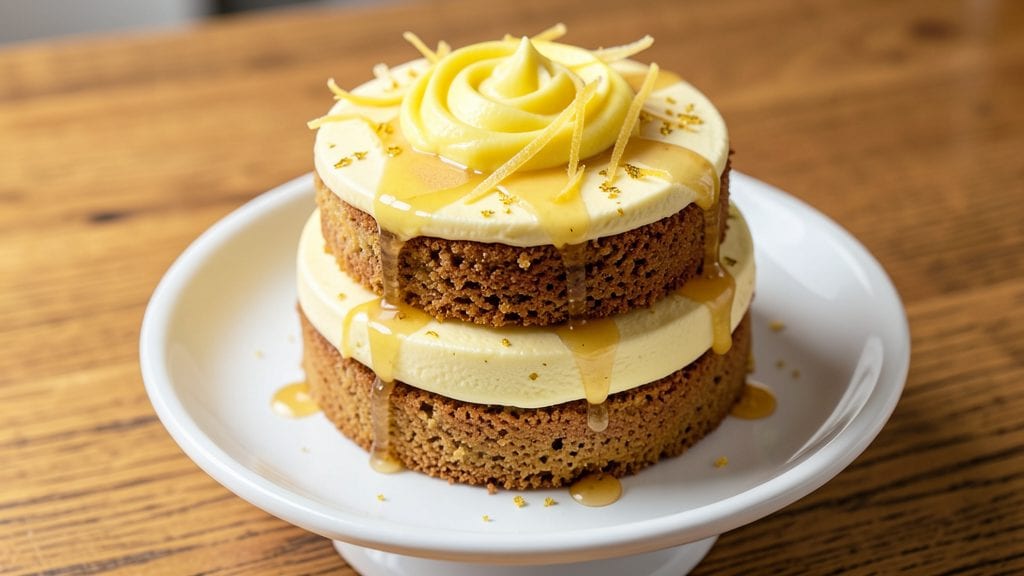
This copycat Portillo's Lemon Cake delivers the same bright citrus flavor and tender layers that made the original famous—without the restaurant price tag. After analyzing the menu item and testing multiple batches, I've perfected a recipe that captures that signature lemony tang and moist crumb structure.
The secret lies in the precise balance of lemon juice, zest, and a touch of baking powder for that signature lift.
What sets this recipe apart is the combination of a simple yet effective lemon syrup for soaking the layers and a light buttercream frosting that complements rather than overpowers the citrus notes.
Unlike many copycat recipes that rely on shortcuts, this version uses a foolproof layering technique that ensures even moisture distribution throughout each slice. The result is a cake that's bright, tangy, and perfectly balanced—just like the original.
By the time you serve this cake, your guests will swear they're at Portillo's, with its signature lemon flavor shining through in every bite. The frosting stays light and airy, while the cake layers remain tender yet sturdy enough to hold up to slicing.
This is the kind of dessert that disappears quickly, leaving only empty plates and happy faces behind.
Whether you're serving it at a family gathering or treating yourself to a taste of nostalgia, this recipe delivers restaurant-quality results with a fraction of the effort. Here's how to make it—step by step, just like the pros.
Ingredients for copycat portillo's lemon cake
Bright citrus layers and light frosting—this copycat delivers Portillo's signature lemon cake at home.
| Ingredient | Amount | Notes |
|---|---|---|
| All-Purpose Flour 🌾 | 2 ½ cups | Sifted for even texture |
| Granulated Sugar 🍚 | 1 ½ cups | White sugar preferred |
| Unsalted Butter 🧈 | 1 cup | Cold, cubed for cutting |
| Large Eggs 🥚 | 4 whole | Room temperature |
| Fresh Lemon Juice 🍋 | 1 cup | From 4-5 lemons |
| Lemon Zest 🍋 | 2 tbsp | Fine, from organic lemons |
| Baking Powder 🍞 | 2 tsp | Metal container preferred |
| Salt 🧂 | ½ tsp | Fine sea salt |
| Milk 🥛 | ¾ cup | Whole milk preferred |
| Vanilla Extract 🌿 | 1 tsp | Pure vanilla preferred |
| Powdered Sugar 🍚 | 2 cups | For buttercream |
| Unsalted Butter 🧈 | ½ cup | Cold, for frosting |
| Heavy Whipping Cream 🥛 | ½ cup | Cold for stability |
| Fresh Lemon Juice 🍋 | 1 tbsp | For syrup soaking |
| Granulated Sugar 🍚 | ¼ cup | For lemon syrup |
The lemons here are non-negotiable. Organic lemons from the grocery store's produce section (look for vibrant, heavy ones) yield the best juice and zest. Whole Foods or Trader Joe's often carry the juiciest varieties—avoid those with dull yellow skins. For zest, use a fine grater and scrape only the yellow outer layer (no white pith). The butter should be cold and cubed for cutting into the flour—this creates the signature tender crumb. If your butter's too soft, chill it for 20 minutes before starting.
No fresh lemons? Bottled lemon juice works in a pinch, but add an extra tablespoon of zest to compensate for the lack of flavor depth. Running out of powdered sugar for the frosting? Process granulated sugar in a food processor until it reaches a fine powder. For the lemon syrup, substitute honey at half the amount if you prefer a slightly deeper flavor profile. The baking powder must be fresh—if it's over a year old, toss it and buy a new canister. Diamond Crystal is the gold standard for baking powder, but any brand labeled 'double-acting' will work.
This cake keeps beautifully for 3 days at room temperature, wrapped tightly in plastic. For longer storage, refrigerate for up to 1 week or freeze the layers (unfrosted) for 3 months. The frosting can be made a day ahead—just whip it again briefly before using. To serve, slice with a hot knife for clean cuts. The lemon syrup-soaked layers stay moist for 4-5 days when stored properly, making this a perfect make-ahead dessert for gatherings.
Why You'll Love This Recipe
- No Panic, Just Cake: That slight sink in the center? Totally normal—and the frosting makes it look perfect. I’ve baked this enough to know the secret’s in letting the syrup do its thing while the cake bakes, so you get that juicy, bright Portillo’s vibe without stressing over perfect domes.
- Bright & Buttery Magic: The combo of 1 cup fresh lemon juice and 2 tbsp zest in the frosting? Chef’s kiss. It’s not overpowering like some lemon cakes, but that perfect tangy-sweet balance that makes you lick your plate. The 1½ cups sugar in the batter keeps it moist, so every bite is creamy, not dry.
- Budget-Friendly Luxe: You’d think a Portillo’s copycat would break the bank, but with pantry staples like all-purpose flour and unsalted butter (plus a few lemons), it’s way more affordable than takeout. The 1 cup granulated sugar in the syrup and frosting stretches further than you’d think—trust me, I’ve made it for bridal showers and birthdays without blinking.
Step-by-step instructions for copycat Portillo's lemon cake
Here's the precise method to recreate Portillo's signature lemon cake with vibrant layers and buttery frosting.
Prepare the Lemon Syrup and Cake Batter
In a small saucepan, combine the 1 cup fresh lemon juice and ¼ cup granulated sugar. Bring to a boil over medium-high heat and cook for 3-4 minutes until slightly reduced and syrupy. Let cool completely—this syrup will infuse the cake with bright, tangy flavor.
In a separate large bowl, whisk together the 2½ cups all-purpose flour, 2 tsp baking powder, and ½ tsp salt. In another bowl, cream the 1 cup unsalted butter and 1½ cups granulated sugar until light and fluffy. Add the 4 large eggs one at a time, then mix in the 1 cup fresh lemon juice, 2 tbsp lemon zest, ¾ cup milk, and 1 tsp vanilla extract. Gradually fold in the dry ingredients until just combined—overmixing develops gluten and makes the cake tough.
Bake Two Perfect Lemon Layers
Preheat your oven to 350°F and grease two 8-inch round cake pans with unsalted butter, then line the bottoms with parchment paper. Divide the batter evenly between the pans and pour the cooled lemon syrup over the batter in each pan. Bake for 25-30 minutes or until a toothpick inserted in the center comes out clean. The edges should be golden brown, and the tops should spring back when gently pressed.
Let the cakes cool in their pans for 10 minutes, then transfer to a wire rack to cool completely. This cooling step is critical—warm cakes will melt the frosting. Real talk: If the cakes sink slightly in the center, don't panic. The frosting will help stabilize them.
Make the Lemon Buttercream Frosting
In a stand mixer fitted with the paddle attachment, beat the ½ cup unsalted butter and 2 cups powdered sugar on medium speed until creamy. Add the ½ cup heavy whipping cream, 1 tbsp fresh lemon juice, and 2 tbsp lemon zest, mixing until smooth and fluffy. The frosting should hold its shape when spread—if it's too soft, chill the bowl for 10 minutes to firm it up.
This frosting is the star of the cake, delivering that signature Portillo's tang and richness. Taste a small spoonful and adjust the lemon juice or zest if needed—you want a bright, balanced flavor that complements the cake, not overpowers it.
Assemble and Soak the Cake Layers
Place one cake layer on a serving plate and spread a thin layer of frosting over the top. Pour ¼ cup of the reserved lemon syrup evenly over the frosting—this soaking step ensures each bite is moist and bursting with lemon flavor. Repeat with the second layer, then frost the entire cake with the remaining buttercream. Smooth the frosting with an offset spatula for a polished look.
Chill the assembled cake in the refrigerator for at least 1 hour before slicing. This resting period allows the frosting to set and the flavors to meld. The cake will hold its shape beautifully, with clean slices that reveal the vibrant lemon layers underneath.
Pro Tips For Making Copycat Portillo'S Lemon Cake
- Chill the Eggs First: I used to rush this step and wondered why my cakes turned out dense—room-temperature eggs mix smoothly and incorporate air better into the butter. Pop them in the fridge for 30 minutes before cracking, then let them sit out for another 10 while you preheat the oven. Trust me, your cake will thank you with a lighter crumb.
- Sift That Flour: Skimping on sifting the 2.5 cups all-purpose flour is how you end up with a cake that’s dense or uneven. A fine, airy batter is the difference between a fluffy layer and something that feels like a brick. Use a sieve or mesh strainer—your future self will notice the difference when slicing.
- Don’t Overmix the Batter: After burning three batches, I finally figured out that folding in the dry ingredients until just combined is non-negotiable. Overmixing develops gluten, and suddenly your lemon cake tastes like a sad, chewy pancake. Stop when there are a few dry streaks—those disappear when baked, but the damage is done if you keep stirring.
- Test the Frosting Early: The buttercream should hold its shape when spread, but if it’s too soft straight from the mixer, chill the bowl for 10 minutes. I learned this the hard way when my frosting slid off the cake like melted ice cream. A quick chill firms it up just enough to work with—no more sticky messes.
Pro cooking tips for perfect results
Mastering the Syrup Balance
The key to that signature Portillo's tang lies in the lemon syrup reduction—don't rush it! Cooking the 1 cup lemon juice with ¼ cup sugar for exactly 3-4 minutes creates the perfect balance of sweetness and acidity.
If your syrup cooks too long, it becomes syrupy and cloying; too short, and the cake lacks depth. I always taste a drop before cooling—it should taste bright, not bitter. 🍋
Cold Butter, Tender Cake
Cold butter is non-negotiable for that signature tender crumb. Cutting 1 cup cold, cubed butter into your dry ingredients creates pockets that trap air, preventing a dense texture. If your butter melts during mixing, chill your bowl for 10 minutes before starting.
I use a stand mixer with the paddle attachment for even distribution—hand mixing risks overworking the batter.
Layering Like a Pro
When assembling, spread frosting thinly between layers—about ¼ inch thick—to avoid soggy bottoms. Pour ¼ cup lemon syrup over each layer before adding the next, then frost the top. This soaking technique ensures every bite is moist.
I use a serrated knife for clean cuts, dipped in hot water and wiped dry between slices. The frosting should hold its shape when you slice—if it's too soft, chill the cake for 30 extra minutes.
Frosting Consistency
The buttercream should be smooth yet pipeable—if it's too thick, add 1-2 teaspoons of cold heavy cream. If it's too runny, chill the bowl for 10 minutes before whipping again.
I always taste the frosting before applying—adjust the 1 tbsp lemon juice or 2 tbsp zest to match the cake's brightness. A little extra zest never hurt anyone, but too much can overpower the delicate layers.
Resting is Non-Negotiable
Skipping the 1-hour chill is the fastest way to ruin your cake. The frosting needs time to set, and the layers need to firm up. I like to chill the assembled cake on a wire rack in the fridge—it prevents the bottom from absorbing moisture.
If you're short on time, at least let it rest for 30 minutes, but don’t skip it entirely. Trust me, the difference is night and day. 💫
Nutrition facts
Frequently asked questions
Why does my copycat lemon cake taste different from Portillo's?
The signature flavor comes from the precise balance of 1 cup fresh lemon juice and ¼ cup sugar in the syrup, plus the 2 tbsp lemon zest in both the batter and frosting. If yours tastes milder, try using organic lemons—they're more flavorful. Also, check your baking powder (must be fresh) and ensure your oven reaches 350°F accurately. The cooling time is critical too—skipping the 10-minute pan cool can affect texture.
How do I fix a cake that's too dense or dry?
Dense cakes often happen when you overmix the batter or use warm butter. For this recipe, cut the 1 cup cold, cubed butter into your dry ingredients gently—don't overwork it. If your cake is already baked, try saving slices by lightly dusting them with powdered sugar mixed with a splash of lemon juice to add moisture. Next time, reduce the oven temperature by 10°F if your cakes brown too quickly.
Can I make the frosting ahead of time?
The lemon buttercream can be made up to a day ahead and stored in an airtight container. Just whip it again briefly before using—add 1-2 teaspoons of cold heavy cream if it's too thick. If it's too soft, chill the bowl for 10 minutes to firm it up. Pro tip: Taste and adjust the 1 tbsp lemon juice or 2 tbsp zest before storing to ensure perfect balance.
What if my cake layers sink in the middle?
A slight sink is normal! The ¼ cup lemon syrup poured over each layer helps stabilize them, and the frosting will fill any gaps. To prevent sinking next time, ensure your oven is preheated to 350°F and don't open the oven door during the first 20 minutes of baking. Also, let the cakes cool in the pans for the full 10 minutes before transferring. The frosting will hold everything together beautifully.
How can I make the cake extra moist?
For maximum moisture, use whole milk instead of skim and add an extra 1 tablespoon of lemon juice to the syrup. After baking, brush the cooled layers lightly with a mix of ½ cup powdered sugar and 1 tablespoon lemon juice before assembling. This syrup-soaking trick keeps the cake tender for days. Store wrapped tightly in plastic to lock in freshness.