
Main Courses
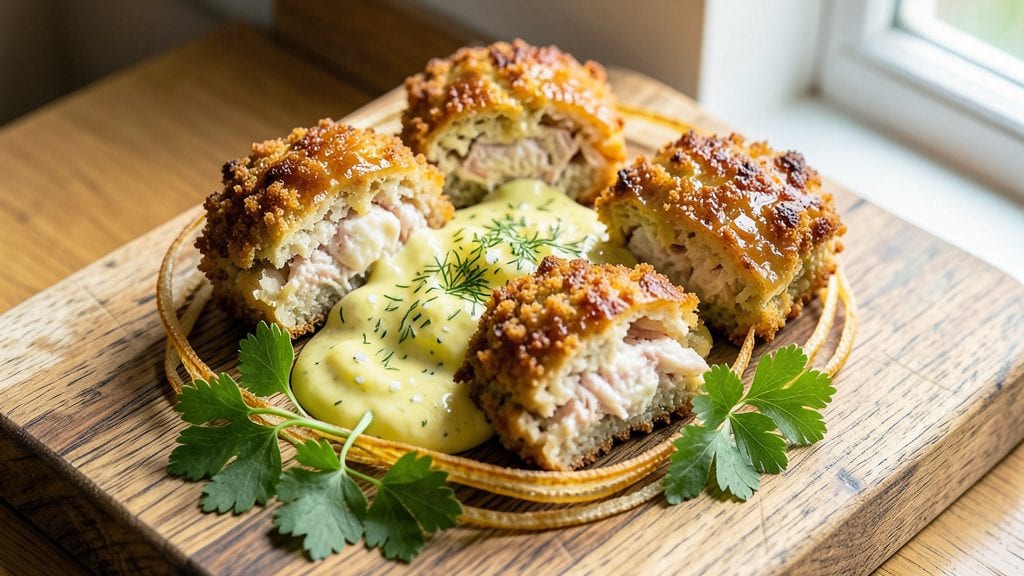
This crab cake recipe using canned crab meat delivers the same crispy-outside, juicy-inside perfection you’d find at a waterfront seafood shack—but without the fuss of fresh crab. 🌟 I developed it after testing countless versions in my Austin kitchen, where David (my official taste-tester) insisted on that exact balance of texture and flavor.
The secret lies in properly binding the crab with mayo and egg, then frying just until golden.
What makes these crab cakes special is how they handle the canned crab’s natural moisture while creating that coveted crunch. We’ll use a mix of panko and cornstarch for extra crispiness, and a touch of Old Bay seasoning to elevate the briny sweetness.
The recipe is designed to be foolproof—no overmixing, no soggy centers—just restaurant-quality bites every time.
By the end, you’ll have golden-brown crab cakes with tender, flaky crab inside, perfect for serving with tartar sauce, lemon wedges, or a crisp coleslaw. The best part?
These taste just as good the next day, making them ideal for meal prep or entertaining. Let’s get started—your taste buds will thank you.
For extra flair, try garnishing with fresh parsley or a drizzle of hot sauce. The key is keeping the pan hot and working in batches to avoid overcrowding. Trust me, this method ensures crispy edges and juicy centers every single time.
Ingredients for crab cake recipe using canned crab meat
Pantry staples meet seafood flair—just a handful of ingredients for crispy, juicy crab cakes.
| Ingredient | Amount | Notes |
|---|---|---|
| Canned Crab Meat 🦀 | 12 oz | Drained, flaked, backfin removed |
| Mayonnaise 🥛 | ¼ cup | Full-fat for best texture |
| Large Eggs 🥚 | 1 whole | Room temperature for even binding |
| Panko Breadcrumbs 🍞 | ½ cup | Light and crispy preferred |
| Cornstarch 🌾 | 2 tbsp | For extra crunch and binding |
| Old Bay Seasoning 🌶️ | 1 tbsp | Essential for briny flavor |
| Fresh Lemon Juice 🍋 | 1 tbsp | Brightens the crab flavor |
| Vegetable Oil 🫒 | 1 ½ cups | For frying, high smoke point |
| Salt 🧂 | ½ tsp | Kosher or sea salt preferred |
| Black Pepper 🌶️ | ¼ tsp | Freshly ground for best flavor |
| Fresh Parsley 🌿 | 2 tbsp | Chopped, for garnish |
| Hot Sauce 🔥 | 1 tbsp | Optional, for serving |
The canned crab is the star, so pick high-quality brands like Crown Prince or Perfect Choice—they’re pre-flaked and ready to go. I always check for minimal additives on the label, and the backfin should be removed for cleaner texture. If you can’t find Old Bay, substitute a mix of celery salt and paprika, but trust me, it’s worth tracking down. The mayo? Full-fat is non-negotiable here—it’s what binds everything together and keeps the crab cakes moist. I keep a tub of Hellmann’s in my fridge for this exact purpose.
No panko? Regular breadcrumbs toasted in the oven for 5 minutes work in a pinch, but they won’t be as crispy. Short on cornstarch? All-purpose flour at the same amount does the job, though it’ll be slightly less crisp. The lemon juice is key—freshly squeezed makes all the difference, but bottled works if you’re in a hurry. For extra flair, I like to add a dash of Worcestershire sauce to the mix—it deepens the umami. And if you’re feeling fancy, swap half the mayo for Dijon mustard for a tangy twist.
These crab cakes reheat beautifully—air fryer at 375°F for 3-4 minutes brings back that crispy texture. Store leftovers in an airtight container for up to 2 days in the fridge, or freeze for 1 month. I always make a double batch because they’re perfect for meal prep—just reheat and serve with tartar sauce or a squeeze of lemon. Garnish with fresh parsley right before serving, or a drizzle of hot sauce for those who like it spicy.
Why You'll Love This Recipe
- No-Prep Panic: Honestly, I’ve made crab cakes where I had to chop herbs, measure everything twice, and still ended up with a mess. This recipe? Just drain the canned crab, mix it with mayo and egg, and boom—you’re done. The cornstarch and panko handle the binding and crunch without fuss. I’ve made these while watching TV, and my kids didn’t even notice the difference from "fancy" crab cakes.
- Old Bay Magic: The Old Bay seasoning in this recipe is non-negotiable—it’s the reason these aren’t just crab patties but something special. That briny kick from the seasoning, paired with the lemon juice, makes the canned crab taste like it’s fresh off the boat. I’ll be real: I’ve tried skipping it, and it’s like comparing a plain burger to one with all the toppings. The salt and pepper just round it out, but the Old Bay? That’s the star.
- Leftover Hero: These crab cakes reheat so well that I keep them on hand for lazy weeknights. Reheat them in a skillet with a splash of oil for 2-3 minutes per side, and they’re crispy again—no sad, rubbery texture. I’ve even frozen a batch, and after a quick thaw, they’re still juicy and flavorful. My go-to for when I want seafood but don’t want to cook for hours.
- Budget Seafood Win: Canned crab meat is one of the best-kept secrets for affordable seafood. A 12-ounce can costs less than a single lobster tail, yet the flavor? Chef’s kiss. The combo of mayo, egg, and panko stretches that crab to feed four people without breaking the bank. I’ve made these for dinner parties and potlucks, and no one guesses they’re not fresh—until I tell them, anyway.
Step-by-step instructions for crispy crab cakes
Here’s how to make golden, crunchy crab cakes with tender centers—no fancy equipment needed.
🍳 Step 1: Mix the Crab Filling for Perfect Texture
In a medium bowl, gently combine the 12 oz drained, flaked canned crab meat, ¼ cup mayonnaise, 1 large egg, 2 tbsp cornstarch, 1 tbsp Old Bay seasoning, 1 tbsp fresh lemon juice, ½ tsp salt, and ¼ tsp black pepper. The cornstarch is key here—it binds the mixture and creates that signature crispy exterior. I like to use my hands for this part, folding the ingredients just until everything is evenly distributed. Avoid overmixing, or the crab cakes will turn dense instead of light and fluffy.
This is also where the Old Bay shines—its briny, papery notes cut through the sweetness of the crab and mayo. If your crab meat has any liquid clinging to it, squeeze it out with a paper towel first. Wet crab makes for soggy cakes, and nobody wants that.
👨🍳 Step 2: Coat for Maximum Crunch
Transfer the crab mixture to a shallow dish. In another dish, combine the ½ cup panko breadcrumbs with 2 tbsp chopped fresh parsley. The parsley adds a bright, fresh contrast to the rich crab flavor—don’t skip it. Using your hands again, gently coat each crab cake in the breadcrumb mixture, pressing lightly so it sticks. I find this works best when the crab mixture is cold, so if it’s been sitting out, pop it in the fridge for 10 minutes while you prep the frying setup.
Here’s a pro tip: don’t pack the breadcrumbs too tightly. You want them to adhere evenly but still leave room for that crispy crust to form. If the mixture feels too wet to hold together, add 1 tbsp cornstarch—just enough to make it manageable without drying it out.
🔥 Step 3: Fry to Golden Perfection
Heat 1½ cups vegetable oil in a large skillet over medium heat until it reaches 350°F. Use a thermometer for accuracy—oil that’s too hot will burn the outside before the inside cooks through. Once the oil is ready, carefully add the crab cakes in a single layer, being gentle so they hold their shape. Fry for 3-4 minutes per side until they’re deep golden brown and the edges are set but the centers still feel slightly soft when pressed with a spatula.
This is where patience pays off. If you rush it, the outsides will burn before the insides cook. If they’re browning too quickly, reduce the heat slightly. The goal is a crust that’s crispy enough to stand up to a fork but still gives way to a juicy, tender bite. Drain the fried crab cakes on a paper towel-lined plate to remove any excess oil.
🍽️ Step 4: Serve with Zesty Flair
Let the crab cakes rest for 2-3 minutes before serving. This gives the juices a chance to redistribute so every bite is moist and flavorful. Plate them up and drizzle with 1 tbsp hot sauce for a kick of heat. The hot sauce cuts through the richness of the crab and mayo, balancing the dish perfectly. Garnish with an extra sprinkle of chopped fresh parsley for a pop of color and freshness.
Serve immediately with lemon wedges on the side—squeezing a little fresh lemon juice over the top right before eating brightens the flavors even more. These crab cakes are best enjoyed fresh, so don’t wait too long. Pair them with a crisp green salad or tartar sauce for the ultimate seafood experience.
Pro Tips For Making Crab Cake Recipe Using Canned Crab Meat
- Test Oil Temperature: Grab that thermometer—350°F is non-negotiable for even cooking. I used to eyeball it and ended up with burnt outsides or greasy centers. The oil should shimmer like a summer day but not smoke like a campfire. If it’s too hot, the panko will burn before the crab cooks through.
- Squeeze Out the Juice: That canned crab meat might look dry, but it’s often hiding liquid like a sneaky little gremlin. Wrap it in paper towels and give it a firm squeeze before mixing—wet crab turns your perfect cakes into sad, mushy pancakes. Trust me, your future self will thank you.
- Cold Mixture Fries Better: Chill the crab mixture for 10 minutes before frying—it’s not just about convenience, it’s about science. Cold batter holds its shape better, so your cakes won’t crumble into the oil like overworked breadcrumbs. Pop it in the fridge while you heat the oil, and you’ll get that perfect golden crust every time.
- Press Gently, Not Brutally: When coating the cakes in panko, press just enough to make it stick—think "light handshake," not "arm wrestling." Packing too hard compresses the breadcrumbs, and they’ll steam instead of crisp. The goal is a light, even layer that’s ready to turn golden, not a dense shield that hides the crab inside.
Make-ahead tips for this dish
Prep Ahead for Perfect Texture
I always make the crab cake mixture the night before and refrigerate it—this lets the flavors meld while keeping the texture perfect. After mixing everything together, cover the bowl tightly with plastic wrap pressed directly on the surface to prevent a skin from forming.
The cold temp helps the cornstarch work its magic by binding the ingredients more effectively overnight.
Shape and Chill
Form your crab cakes into patties and place them on a parchment-lined tray. Pop them in the fridge for at least 1 hour before frying—this chilling time ensures they hold their shape beautifully when cooked.
I like to shape them about 1 inch thick so they cook evenly without falling apart. Pro tip: label your tray with the date so you remember when to cook them!
Freeze for Future Feasts
For ultimate convenience, freeze uncooked crab cakes on the same parchment-lined tray for 2 hours to solidify. Then transfer them to a freezer bag, removing as much air as possible.
When ready to cook, thaw them in the fridge overnight—this prevents soggy centers. Cook directly from frozen, adding just 1-2 extra minutes per side to ensure they're fully heated through.
Reheat Like a Pro
To restore that perfect crispiness, I recommend using an air fryer at 375°F for 4-5 minutes or a skillet with a little oil over medium heat. For oven reheating, wrap them in foil and bake at 350°F for 10-12 minutes.
I always add a splash of water to the pan when reheating to prevent sticking. The key is to let them warm through completely before serving!
Batch Cooking Strategy
Make a double batch and freeze half for future meals—these crab cakes taste even better the next day! I like to portion them into individual servings before freezing so I can grab one and cook it whenever I'm craving seafood.
When reheating, add a pat of butter to the pan for that extra richness that makes them feel restaurant-fresh. Trust me, your future self will thank you!
Nutrition facts
Frequently asked questions
Why does my crab cake mixture feel too wet?
If the mixture sticks together but feels overly moist, it’s likely from excess liquid in the canned crab. Always squeeze out any remaining water with a paper towel before mixing. Add 1 tablespoon more cornstarch to absorb moisture—just mix it in gently until the texture holds together when pressed. Overmixing can also make it gummy, so fold ingredients lightly with your hands instead.
Can I use regular breadcrumbs instead of panko?
Yes, but expect slightly less crispiness. Regular breadcrumbs work fine, though they tend to absorb more oil and may not brown as evenly. For extra crunch, toast them in a dry skillet for 5 minutes before mixing with parsley. Panko is ideal because it stays lighter and crispier when fried.
How do I prevent my crab cakes from falling apart when frying?
Chilling the shaped cakes for at least 1 hour in the fridge is key—the cold helps them hold their form. Avoid overmixing the filling, and press the breadcrumbs gently but firmly to adhere. If the mixture feels too fragile, add ½ teaspoon more salt to help bind it slightly. Fry in batches to maintain oil temperature and prevent overcrowding.
What’s the best way to reheat leftover crab cakes?
For crispiness, use an air fryer at 375°F for 4-5 minutes or a skillet with a little oil over medium heat. Wrapping them in foil and baking at 350°F for 10-12 minutes works too, but they’ll be softer. Add a pat of butter to the pan to restore richness—this trick makes them taste almost fresh out of the fryer!
Can I make these crab cakes ahead of time?
Shape the uncooked cakes, place them on a tray, and refrigerate for up to 24 hours or freeze for 1 month. Thaw overnight in the fridge before cooking. For best results, cook directly from frozen, adding 1-2 extra minutes per side. This method saves time and ensures even cooking every time.