
Appetizers
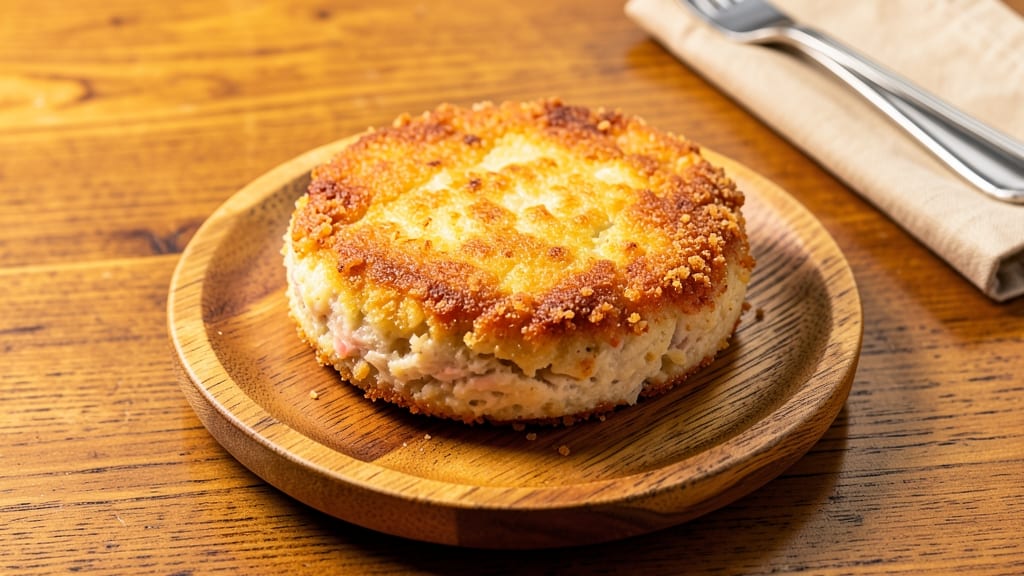
This crab cake recipe with imitation crab meat delivers restaurant-quality results without the fuss, proving that great seafood doesn't require expensive ingredients.
Standing on a step stool in my grandmother's kitchen in Sicily, I learned how simple techniques can transform ordinary meals into something extraordinary—and these crispy, golden crab cakes are no exception.
The secret lies in the proper binding and frying method, which ensures every bite has that perfect crunch and tender interior.
The beauty of this recipe is its simplicity: imitation crab meat holds together beautifully when mixed with just the right amount of mayo and Old Bay seasoning, creating a flavorful base that stays cohesive.
Whether you prefer frying for maximum crispiness or baking for a lighter option, the result is consistently delicious. The key is keeping the mixture cold until frying and cooking the cakes over medium heat to achieve that golden-brown exterior without overcooking the inside.
By the time you plate these crab cakes, you'll have a dish that's crispy on the outside, tender on the inside, and packed with that signature briny flavor.
Serve them with a dollop of tartar sauce, a squeeze of lemon, and a side of steamed vegetables for a complete appetizer that feels both elegant and effortless. This is the kind of recipe that makes hosting feel like a breeze—no one will guess you used imitation crab.
Perfect for game day, summer parties, or a weeknight dinner upgrade, these crab cakes are foolproof and always impressive. Here's how to make them—step by step—for golden, crunchy perfection every time.
Ingredients for crab cake recipe with imitation crab meat
Just imitation crab, mayo, and Old Bay—simple ingredients for restaurant-worthy crab cakes.
| Ingredient | Amount | Notes |
|---|---|---|
| Imitation Crab Meat 🦀 | 1 ½ lb | Shucked, drained well |
| Mayonnaise 🥚 | ½ cup | Full-fat for creaminess |
| Old Bay Seasoning 🧂 | 1 tbsp | For authentic briny flavor |
| Large Eggs 🥚 | 1 whole | Room temperature preferred |
| Fresh Dill 🌿 | ¼ cup | Chopped, brightens flavor |
| Mayonnaise 🥚 | 1 tbsp | Extra for binding |
| All-Purpose Flour 🌾 | ½ cup | For dredging, panko too |
| Butter 🧈 | ½ cup | Melted for frying |
| Salt 🧂 | 1 tsp | Fine sea salt preferred |
| Black Pepper 🌶️ | ½ tsp | Freshly ground, lightly |
| Lemon Zest 🍋 | 1 tbsp | Fresh, brightens acidity |
| Panko Breadcrumbs 🍞 | ¼ cup | For extra crunchiness |
The imitation crab is your star player—look for the shucked, drained kind at Costco or Walmart for the best texture. Trader Joe's also carries a premium version that holds together better. I always grab the 1.5 lb bag since it's the perfect amount for this recipe. The mayo matters too—full-fat is non-negotiable for that creamy bite. I keep a jar of Hellmann's in my fridge for this exact purpose. For Old Bay, the original spice blend is best—none of those 'light' or 'low-sodium' knockoffs. The dill should be fresh if you can get it, but dried works in a pinch—just halve the amount.
No Old Bay? A mix of celery salt, paprika, and cayenne gets you close—1 tsp celery salt + ½ tsp paprika + ¼ tsp cayenne mimics that briny kick. Short on mayo? Greek yogurt or sour cream works at a 1:1 ratio, but the texture won't be quite as rich. Panko breadcrumbs are a must for that extra-crispy crust—regular breadcrumbs will turn soggy. Want to stretch the batch? Add ½ cup finely chopped celery for extra crunch and moisture. The lemon zest is optional but worth the extra minute—it brightens up the whole dish.
Keep the crab mixture cold until frying—use an ice bath to chill the bowl while you prep. The cakes freeze beautifully for up to 3 months, so make a double batch for game day. Reheat in the oven at 350°F for 10-12 minutes to restore that crisp. Serve with tartar sauce on the side—my homemade version with pickles and capers is a game-changer. The leftovers? Perfect for crab cake sliders the next day—just pan-fry and add a brioche bun.
Why You'll Love This Recipe
- I’ll be real: these freeze like a dream for up to three months. Double the batch, pop them in the freezer, and you’ve got instant game-day appetizers without the last-minute stress. Defrost them, fry them fresh, and boom—crowd-pleasing crab cakes with zero guilt.
- Let’s talk practical: imitation crab meat is a steal compared to real crab, and this recipe stretches it into four perfect patties. The flour and butter keep costs low, and the leftovers? Reheat in the pan with a splash of butter, and they taste just as good the next day. My secret weapon for weeknight dinners.
Step-by-step instructions for crab cakes with imitation crab meat
Here's how to craft perfectly golden, crispy crab cakes with minimal fuss.
Mix the Crab Filling with Binding Agents
In a medium bowl, gently combine the 1½ lb imitation crab meat with the ½ cup mayonnaise, 1 tbsp Old Bay seasoning, 1 large egg, ¼ cup chopped fresh dill, 1 tbsp mayonnaise (for extra binding), 1 tbsp lemon zest, 1 tsp salt, and ½ tsp black pepper. The reason we use two portions of mayonnaise is to ensure the mixture holds together without becoming too dense or dry.
Using a rubber spatula, fold the ingredients together just until evenly distributed—avoid overmixing, which can make the crab cakes tough. The mixture should be cohesive but still slightly loose, like wet sand. Here's the thing—don't worry if it looks underbound; the flour coating in the next step will help hold everything together when frying.
Coat the Crab Mixture for Crispy Texture
Transfer the crab mixture to a separate bowl and gently stir in the ½ cup all-purpose flour and ¼ cup panko breadcrumbs. The flour acts as a binder and helps create a crispy exterior, while the panko adds extra crunch. Use your hands to lightly mix everything until the panko and flour are evenly distributed throughout the mixture.
Real talk: if the mixture feels too wet, add ½ cup more all-purpose flour to help with binding. Form the mixture into 4 equal-sized patties, each about ½-inch thick, and place them on a plate. Let them rest for 10 minutes at room temperature—this helps them hold their shape better when frying.
Fry to Golden Perfection in Butter
Melt the ½ cup butter in a large skillet over medium heat until it foams but doesn't brown. Add the crab cakes and cook for 3-4 minutes per side, pressing down gently with a spatula during the first minute to ensure even contact with the pan. You'll know they're ready when the edges are deep golden brown and the centers are just set.
Don't walk away during this step—crab cakes burn quickly. If the butter starts to smoke or brown too much, reduce the heat slightly. Once cooked, transfer the crab cakes to a paper towel-lined plate to drain any excess butter, but leave them slightly greasy for that authentic, crispy texture.
Pro Tips For Making Crab Cake Recipe With Imitation Crab Meat
- Press for Crisp: DESCRIPTION: That first minute of frying is when the magic happens—press down hard with your spatula to seal the edges. I learned this the hard way after flipping perfectly shaped cakes that fell apart because they weren’t making proper contact. The butter needs to cling to every surface, not just the top.
- Drain That Crab: DESCRIPTION: Skip this step, and your crab cakes will turn into a soggy mess. Wrap the imitation crab in paper towels and squeeze out every last drop of liquid before mixing. Sounds tedious, but trust me—wet crab meat is the fastest way to ruin the texture, no matter how much flour you add.
- Room-Temp Egg Wins: DESCRIPTION: Crack that egg straight from the fridge, and you’re setting yourself up for failure. A cold egg won’t bind properly, and your mixture will stay lumpy. Pop the egg in a bowl of warm water for 5 minutes while you prep the rest—it’s a tiny effort that makes a real difference in how the cakes hold together.
- Double-Check the Butter: DESCRIPTION: Melted butter should be hot enough to foam but not so hot it’s smoking—this is non-negotiable. I used to rush this and end up with burnt edges and greasy cakes. If the butter’s too cool, increase the heat for 30 seconds before adding the cakes. The goal is a sizzle, not a fire.
Make-ahead tips for this dish
Prep Ahead for Busy Days
I always prep the crab cake mixture the night before—it’s one of my favorite shortcuts. After mixing everything together, cover the bowl tightly with plastic wrap and refrigerate. The flavors meld overnight, and the mixture stays cold until you’re ready to cook.
This step saves so much time on game day or busy weeknights. Just pull it out 30 minutes before cooking to let it come to room temperature. 💫
Freeze for Future Feasts
These crab cakes freeze beautifully for up to 3 months, making them perfect for meal prep. After forming the patties but before frying, place them on a baking sheet lined with parchment paper. Freeze for 1 hour to firm up, then transfer to a freezer bag.
When ready to cook, thaw in the fridge overnight and fry as directed. The texture stays crispy even after freezing—trust me, I’ve tested this method multiple times!
Batch Cooking Strategy
Double the recipe and freeze half for later—it’s a game-changer for gatherings. I like to cook one batch fresh for the main event and keep the frozen batch for impromptu appetizers. Reheat frozen cakes in the oven at 350°F for 10-12 minutes to restore that golden crisp.
Add a splash of water to the pan if they look dry, and they’ll be perfect for sliders or a quick lunch.
Sauce Prep in Advance
Make your tartar sauce ahead of time and store it in an airtight container. I love mixing it up a day ahead and keeping it in the fridge—it actually tastes better after a few hours as the flavors meld.
A simple ½ cup mayo + 2 tbsp capers + 1 tbsp lemon juice + 1 tbsp chopped pickles is all you need. Just give it a quick stir before serving, and your crab cakes will feel extra special.
Shape and Chill Before Cooking
Form the patties at least 2 hours ahead and refrigerate them uncovered on a plate. This chilling time helps them hold their shape better during frying. If you’re really ahead of schedule, freeze the shaped patties on a tray for 1 hour, then transfer to a bag.
Cooking from frozen works too—just add an extra 1-2 minutes per side to ensure they’re fully heated through.
Nutrition facts
Frequently asked questions
Why does the recipe use two portions of mayonnaise?
The extra 1 tbsp mayo ensures the crab mixture stays cohesive and tender without becoming too dense. This trick prevents the cakes from falling apart during frying while keeping that signature creamy texture. Trust me—it’s worth the extra spoonful!
Can I bake these crab cakes instead of frying them?
Yes! Preheat your oven to 375°F and bake the patties on a lined baking sheet for 15-18 minutes, flipping halfway. Brush them with melted butter for extra crispiness. The texture will be lighter, but still delicious—great for a healthier option.
What’s the best way to handle a soggy crab cake?
If your cake turns out too dense, it’s likely from overmixing or too much flour. Next time, gently fold the ingredients and avoid pressing down during frying. For a quick fix, pan-fry the soggy cake again for 1-2 minutes per side in fresh butter to restore crispiness.
How do I keep the crab cakes from sticking to the pan?
Use a well-seasoned skillet or nonstick pan, and make sure the butter is hot but not smoking before adding the cakes. Press down gently with a spatula during the first minute to create a crispy base—this helps them release easily. A light dusting of flour on the pan also works wonders!