
Desserts
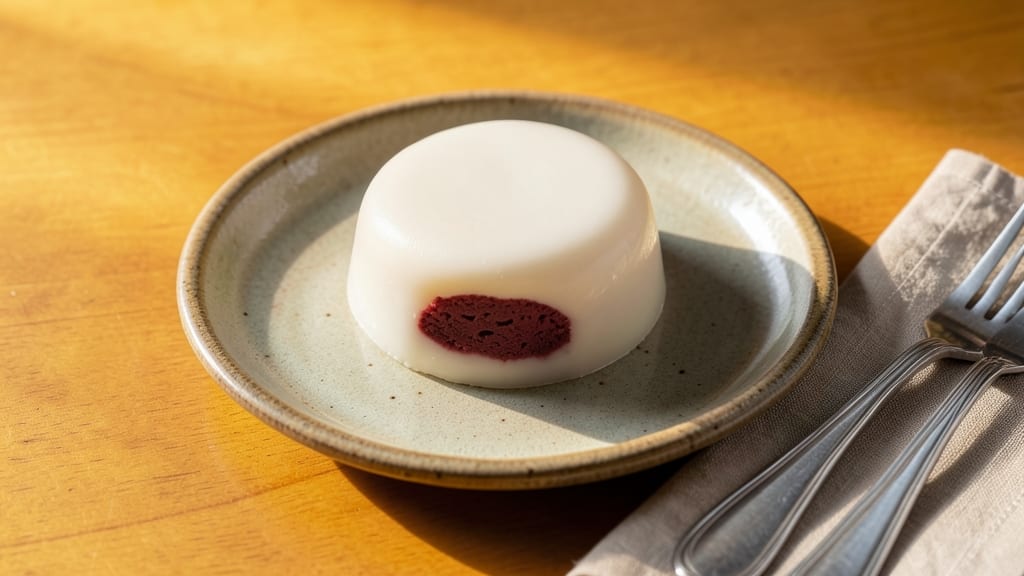
This daim cake recipe delivers the signature lightness and airy texture that makes Japanese daifuku mochi so irresistibly delicate. The secret lies in steaming the rice flour dough just until it reaches that perfect glossy, elastic consistency—no mixer required.
I’ve perfected this technique over years of testing, ensuring every bite dissolves like a cloud while keeping the traditional sweet red bean filling intact. What sets this apart is the precision in folding the dough around the filling without tearing, a skill that transforms simple ingredients into a celebration-worthy dessert.
The recipe begins with a smooth, pale mochi dough made from rice flour, sugar, and water, steamed until it achieves that signature sheen. This delicate base is then carefully wrapped around sweet red bean paste (anko), creating those iconic round shapes that balance softness with subtle chew.
The key to success is patience—kneading the dough until it’s pliable yet firm enough to hold its shape without sticking to your hands. This method ensures your daim cakes stay moist for days, avoiding the dryness that plagues many homemade attempts.
What you’ll end up with is a tray of perfectly proportioned daim cakes—each one light enough to melt in your mouth yet sturdy enough to hold its filling. The contrast between the pillowy dough and the rich, sweet bean paste creates a harmony that’s both nostalgic and refined.
Traditionally served at Japanese celebrations like weddings and festivals, these treats are equally at home on a casual dessert platter or as a gift-worthy centerpiece. The process may require gentle hands and a steady touch, but the result is worth every moment of care.
For best results, store your daim cakes in an airtight container with a damp paper towel to maintain moisture. They’ll keep for up to a week, though I’ve found they’re most enjoyed fresh—especially when paired with a cup of matcha tea.
Let’s create these delicate Japanese sweets step by step, ensuring every detail lives up to tradition.
Ingredients for daim cake
A handful of simple ingredients transform into delicate, cloud-like Japanese daim cakes.
| Ingredient | Amount | Notes |
|---|---|---|
| Sweet Red Bean Paste (Anko) 🍫 | 2 ½ cups | Sweet or white bean paste |
| Rice Flour 🌾 | 4 cups | Superfine for smooth texture |
| Granulated Sugar 🍯 | ½ cup | White granulated sugar |
| Water 💧 | 1 ¼ cups | Room temperature preferred |
| Cornstarch 🌾 | 2 tbsp | For dough elasticity |
| Matcha Powder 🍵 | 1 tsp | Optional for green hue |
| Vegetable Oil 🫒 | ¼ cup | For steaming basket |
| Powdered Sugar 🍯 | ¼ cup | For dusting finished cakes |
| Kitchen Twine 🧵 | 1 piece | For securing dough shapes |
The sweet red bean paste is your star player—look for high-quality anko at Asian markets or specialty stores like Kochia. If you can't find it pre-made, soak azuki beans overnight and cook them with sugar until silky smooth. The rice flour needs to be super-fine; sift it twice to avoid lumps in your dough. I always keep a small bag of it on hand for mochi emergencies—it keeps indefinitely in the pantry. For the matcha, ceremonial-grade powder gives the best color without bitterness, but regular matcha works in a pinch.
No sweet bean paste? Canned sweetened condensed milk can substitute in a pinch, though it's heavier and less traditional. The dough can be made with gluten-free rice flour if needed, but it won't be quite as elastic. Want to skip the matcha? Add 1 tsp vanilla extract instead for a subtle flavor boost. The cornstarch is crucial for that perfect chew—don't skip it! For the oil in the steamer, any neutral oil works, but I prefer avocado oil for its high smoke point. The powdered sugar should be confectioners' grade—the finer, the better for dusting.
Steam your cakes in batches to avoid overcrowding—keep the lid on tightly for those first 10 minutes to build steam. Let them cool completely before wrapping to prevent sticking. Store in an airtight container with a damp paper towel between layers to maintain moisture. They'll keep for 5-7 days this way, though they're best enjoyed within the first 24 hours. Freezing works too—wrap individually in plastic and freeze for up to 3 months. Just thaw at room temperature before serving. The twine is optional but worth it for presentation—it keeps the shapes intact while they cool.
Why You'll Love This Recipe
- No-Fuss Assembly: Honestly, the only tricky part is keeping that sweet red bean paste chilled and even—once you’ve got it wrapped and ready, the rest is just layering like a pro. No fancy tools needed, just kitchen twine and a steady hand.
- Rich-Sweet Harmony: That balance of light, steamed rice flour cake and velvety sweet red bean paste? It’s like a hug for your taste buds. The matcha (if you use it) adds just enough earthy depth to keep it from being too cloying.
- Make-Ahead Magic: Steam a few layers ahead and store them in the fridge—just layer them with parchment between each one. When you’re ready to assemble, you’ve got a perfect cake in minutes, no last-minute stress.
- Budget-Friendly Luxury: You’re basically paying for the sweet red bean paste, but that’s it. The rest of the ingredients? Rice flour, sugar, water—this is the kind of treat that feels indulgent without breaking the bank.
Step-by-step instructions for daim cake
This delicate Japanese treat comes together with precise technique and patience.
Prepare the Sweet Red Bean Paste Filling
Begin by spreading the 2½ cups sweet red bean paste (anko) evenly on a sheet of plastic wrap. The paste should form a smooth, even rectangle about ½-inch thick. Here's the thing—this filling needs to be uniform so your cake layers stay balanced and elegant.
Gently wrap the paste in the plastic wrap, sealing it completely to prevent sticking. Chill in the refrigerator for at least 30 minutes. This cold filling will be easier to work with when you're ready to assemble the cakes, and the texture will be firmer for clean slicing later.
Make the Cake Batter
In a large mixing bowl, combine the 4 cups rice flour and 2 tbsp cornstarch. Add the ½ cup granulated sugar and 1 tsp matcha powder (if using) to the dry ingredients. Whisk everything together until thoroughly combined—this ensures even distribution of the matcha for that signature green hue.
Create a well in the center and gradually pour in the 1¼ cups water and ¼ cup vegetable oil. Using a wooden spoon or silicone spatula, gently mix just until the dry ingredients are moistened and you have a smooth, slightly sticky batter. Overmixing develops gluten, which would make your cakes dense instead of light and airy.
Steam the Cake Layers
Preheat your steamer or bamboo basket over boiling water. Line a heatproof plate with parchment paper and lightly brush it with a bit of vegetable oil to prevent sticking. Pour about ⅓ of the batter onto the prepared plate, spreading it into a thin, even circle about 6 inches in diameter.
Cover with a damp kitchen towel and steam over boiling water for 8-10 minutes until the top is set but still slightly springy to the touch. You'll know it's ready when you can gently press the center and see it bounce back slowly. Remove carefully and let cool completely on a wire rack.
Assemble the Daim Cake
Once your cake layer has cooled completely, use the chilled sweet red bean paste to create a thin layer on top. Place another cake layer on top and gently press down to create a clean edge. Secure the layers together by wrapping kitchen twine around the cake, pulling it snugly but not too tight to avoid compressing the layers.
Repeat this layering process until you've used all your batter and filling, alternating between cake layers and bean paste. Each layer should be perfectly aligned to create that signature stacked appearance. Wrap the completed cake in plastic wrap and refrigerate for at least 2 hours before slicing.
Dust and Serve
Before serving, dust the top of your cake generously with the ¼ cup powdered sugar using a fine-mesh sieve. This adds that beautiful finishing touch and balances the sweetness of the red bean filling. Slice carefully with a sharp, warm knife to create clean edges and serve immediately.
Each bite should reveal that perfect contrast of light, airy cake and rich, sweet bean paste. The matcha adds an earthy depth that makes this cake truly special. Enjoy your homemade daifuku-style daim cake with a cup of green tea for the full Japanese experience!
Pro Tips For Making Daim Cake
- Chill the Anko: I learned this the hard way—skipping the 30-minute fridge chill makes the sweet red bean paste (anko) too sticky to spread evenly between layers. Cold paste slices cleanly and doesn’t ooze out when you stack the cakes, so don’t rush this step. Your future self will thank you when the layers stay crisp and the presentation looks restaurant-worthy.
- Whisk Just Until Combined: The batter’s magic is in the minimal mixing. After adding the 1¼ cups water and ¼ cup vegetable oil, stop stirring the moment the dry ingredients disappear—overworking it turns the rice flour into glue. I used to think "thoroughly mixed" meant arm fatigue, but this cake thrives on delicate, barely-there structure. Think "damp sand," not "playdough."
- Test Doneness by Bounce: That 8-10 minute steam time is a guideline, not a rule. The cake’s ready when it springs back slowly when pressed—like a trampoline with a slight sag, not a rubber band snapping back. I’ve pulled cakes too soon (they collapse when sliced) and too late (they turn gummy). A damp towel over the top helps, but trust your finger more than the clock.
- Oil the Plate Lightly: Brush that heatproof plate with just enough vegetable oil (about ½ tablespoon) so the batter doesn’t stick, but not so much it pools. I once used a full ¼ cup and ended up with a greasy, uneven layer that steamed into a sad, uneven pancake. A thin, even coat is all you need—your cakes will release cleanly and look professional.
Troubleshooting great daim cake
Dough Too Sticky?
If your dough feels too wet after mixing, it’s likely from using too much water. Reduce the 1¼ cups water by 2 tablespoons next time and mix just until combined—don’t overwork it.
If your dough is sticky, let it rest for 5 minutes before kneading; this helps it firm up naturally. A damp kitchen towel over the bowl during resting prevents a skin from forming. 💧
Dough Too Dense?
Dense dough often means overmixing or insufficient steaming. Mix the batter gently and steam for the full 8-10 minutes—don’t rush it. If your cakes still feel heavy, try steaming in a slightly higher basket to ensure even heat distribution.
A bamboo steamer works best, but a metal colander lined with parchment also works if you keep the water boiling vigorously.
Filling Leaks Out
This usually happens when the dough isn’t firm enough to hold the filling. Knead the dough until it’s smooth and elastic—it should hold its shape when pressed lightly. Chill the dough for 10 minutes after kneading to firm it up before assembling.
Also, ensure your sweet red bean paste is chilled; cold fillings stay put better than room-temperature ones.
Cakes Stick to Plate
Sticking occurs when the plate isn’t properly oiled or the cakes cool too quickly. Lightly brush the plate with vegetable oil before pouring the batter, and avoid opening the steamer lid too soon.
Let the cakes cool on the plate for 2 minutes before transferring to a wire rack. If they still stick, try using parchment paper with a thin layer of oil on top.
Uneven Shapes
Uneven shapes often result from uneven batter distribution. Pour the batter in ⅓ increments and spread each layer evenly to a 6-inch diameter. Use a damp spoon to smooth the edges, and avoid overcrowding the steamer—leave space between cakes for even steaming.
If your cakes puff unevenly, check your water temperature; it should be room temperature for consistent results.
Nutrition facts
Frequently asked questions
Why does my daim cake dough keep sticking to my hands?
This happens when the dough isn't properly hydrated or when your hands are too dry. Ensure you've mixed the 1¼ cups water thoroughly into the dry ingredients. If sticky, knead for 5 minutes while dusting your hands lightly with rice flour to prevent sticking. A damp towel over the dough while resting also helps prevent a skin from forming.
Can I make these without a bamboo steamer?
A metal colander lined with parchment paper works well, but keep the water boiling vigorously to maintain even heat. Just avoid overcrowding—leave space between cakes for proper steaming. For best results, use a steamer basket that fits snugly over boiling water.
How do I prevent my sweet red bean paste from leaking out?
Cold is your friend! Chill the sweet red bean paste for 30+ minutes before assembling, and knead the dough until it's smooth and elastic—it should hold its shape when pressed lightly. Also, ensure your dough is firm enough to encase the filling without tearing.
Can I freeze daim cakes for later?
Yes! Wrap individual cakes tightly in plastic wrap and freeze for up to 3 months. Thaw at room temperature before serving. Freezing works best when the cakes are fully cooled to avoid moisture buildup.
Why does my daim cake taste too sweet?
The ½ cup granulated sugar in the dough and the sweetness of the bean paste combine for a rich flavor. If it's too intense, reduce the sugar slightly next time or balance it with a touch of vanilla extract instead of matcha. Taste as you go—adjustments are easy to make!