
Desserts
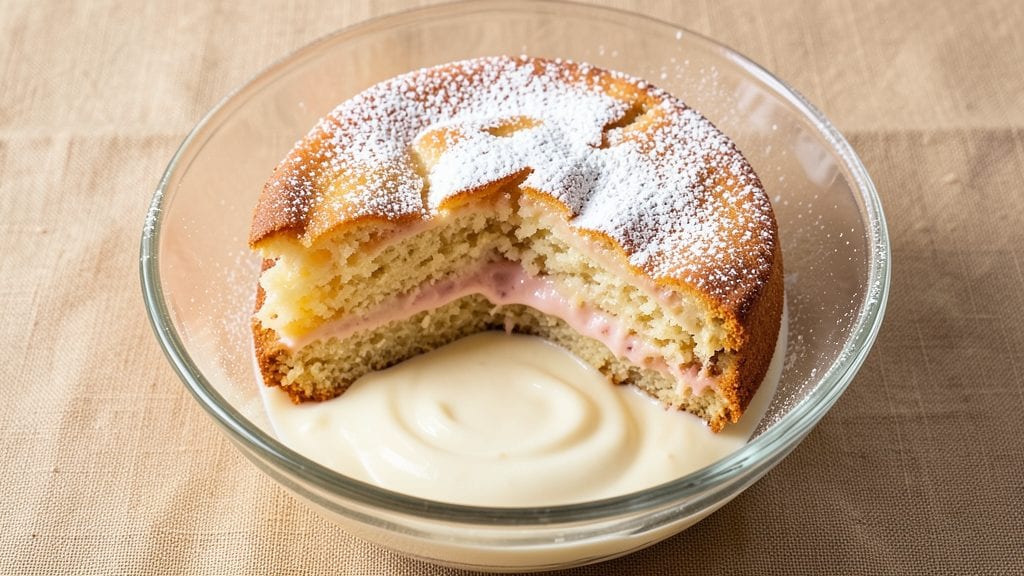
This Duncan Hines pudding cake recipe delivers the signature moist layers and vanilla magic that made it a classic dessert for decades. The secret lies in precise mixing techniques and a simple batter that creates tender, cake-like layers with a velvety pudding center—exactly what makes this treat so irresistible.
I’ve perfected it over years of baking, ensuring every slice stays perfectly moist without drying out.
The beauty of this recipe is its simplicity: just a handful of pantry staples come together to create layers that separate beautifully in the oven. The key is folding the batter gently to maintain air pockets, which guarantees those signature pudding pockets.
Baking at the right temperature ensures even cooking, preventing cracks while keeping the texture light and tender.
What you’ll end up with is a dessert that’s equal parts nostalgic and indulgent—rich vanilla flavor, moist layers that melt in your mouth, and a presentation that’s perfect for celebrations or a cozy weeknight treat.
The recipe scales easily for parties, and optional variations like chocolate chips or nuts add extra depth. Let’s get baking!
This version stays true to the original while offering modern flexibility, whether you’re serving it warm with ice cream or letting it chill overnight for a refreshing dessert. The moist texture is guaranteed, and the vanilla flavor shines through every bite. Ready to recreate this timeless classic?
Ingredients for duncan hines pudding cake
Just flour, sugar, and a few magical mix-ins for this nostalgic pudding cake.
| Ingredient | Amount | Notes |
|---|---|---|
| All-Purpose Flour 🌾 | 4 ½ cups | Sifted for light texture |
| Granulated Sugar 🍬 | 3 cups | Superfine works best |
| Instant Vanilla Pudding Mix 🍦 | 4 boxes | Duncan Hines preferred |
| Unsalted Butter 🧈 | 1 ½ cups | Melted and cooled |
| Eggs 🥚 | 6 large | Room temperature |
| Milk 🥛 | 1 ½ cups | Full-fat for richness |
| Baking Powder 🧂 | 2 tbsp | Double-acting preferred |
| Salt 🧂 | 1 ½ tsp | Fine grain preferred |
| Vanilla Extract 🍋 | 1 ½ tbsp | Pure, not imitation |
| Chocolate Chips 🍫 | 2 cups | Optional, semi-sweet |
| Walnuts 🥜 | 1 cup | Optional, chopped |
The Duncan Hines vanilla pudding mix is non-negotiable here—it’s what gives this cake its signature velvety pockets. Costco or Walmart always have it on sale, and I always grab the extra boxes. For the flour, sifting is worth the effort—it prevents dense layers and keeps that light, airy texture. The butter should be melted but not hot when mixed in; cool it slightly first to avoid scrambling the eggs. If you’re short on time, use pre-shaken baking powder—just make sure it’s double-acting to get that perfect rise.
No vanilla extract? Vanilla bean paste works in a pinch, but it’s pricier. For the sugar, superfine sugar dissolves faster and creates a smoother batter, but regular works fine if that’s all you’ve got. The milk can be whole, 2%, or even almond milk for a lighter version—just know the texture will be slightly different. Want to skip the chocolate chips or walnuts? No judgment, but they add that extra indulgent crunch. And if you’re worried about the cake cracking, don’t worry—it’s supposed to look rustic with those little cracks!
This cake keeps beautifully for 3 days in an airtight container at room temperature, but honestly, it’s even better the next day once the flavors meld. For parties, double the recipe and bake in two 9x13-inch pans. Store leftovers in the fridge for up to 5 days, and reheat slices in the microwave for 10 seconds to bring back that warm, gooey goodness. I always make extra because it disappears faster than I can say ‘vanilla magic.’
Why You'll Love This Recipe
- Rich Like Dessert: The 6 eggs and 3 cups sugar turn this into a custardy, almost pudding-like texture—like if a cake and a pudding had a lovechild. And the 1½ cups milk? That full-fat richness makes it taste like a slice of heaven, not a weekday breakfast. Trust me, the pure vanilla extract isn’t just flavor—it’s the secret weapon.
- Fits Any Moment: Need a crowd-pleaser for a potluck? A lazy Sunday brunch? Even a last-minute birthday cake? This recipe is your one-stop-shop. Add chocolate chips for a treat, skip them for a classic, or toss in walnuts if you’re feeling fancy. It’s the kind of cake that disappears fast—because who can resist?
- Leftovers? More Like Leftovers Magic: This cake improves overnight, so you’ll have enough for breakfast the next morning (trust me, it’s a thing). Store it for 5 days in the fridge, and reheat slices in 10 seconds—they’ll be warm, gooey, and ready to eat. Budget-friendly? Yes. Time-saving? Absolutely.
Step-by-step instructions for Duncan Hines pudding cake
Here's how to layer this ultra-moist cake with perfect texture every time.
Prepare the Vanilla Pudding Batter
In a large mixing bowl, whisk together the 1½ cups milk and 4 boxes instant vanilla pudding mix until completely smooth. Let it sit for 2 minutes to thicken slightly. This step is crucial—it ensures your cake layers stay moist instead of dry.
Next, beat in the 6 large eggs one at a time, mixing just until each is fully incorporated. Add the 1½ cups granulated sugar and mix again until fully combined. The batter should be thick but pourable—like a rich custard. Real talk: Don't overmix here, or your cake will turn out dense.
In a separate bowl, combine the 4½ cups all-purpose flour, 2 tbsp baking powder, and 1½ tsp salt. Sift this mixture directly into the pudding batter and gently fold together with a spatula. The reason we sift is to prevent lumps and ensure light, airy layers. Fold just until no dry flour remains—overmixing develops gluten and makes the cake tough.
Incorporate Butter and Flavors
Add the 1½ cups melted and cooled unsalted butter to the batter and mix until fully combined. The butter should be cool enough to touch but still liquid—this prevents the cake from becoming greasy. Here's where it gets good: Stir in the 1½ tbsp vanilla extract and 2 cups chocolate chips (if using).
For the walnut variation, fold in the 1 cup chopped walnuts at this stage. They'll add a delightful crunch to each moist bite. If you're making a double-layer cake, divide the batter evenly between two 9-inch round pans. For a single-layer cake, use a 10-inch pan. Grease and flour your pans thoroughly—this ensures easy release and prevents sticking.
Bake to Golden Perfection
Preheat your oven to 350°F and place the pans inside to warm for 5 minutes. This step helps the cake rise evenly from the start. Pour the batter into your prepared pans and smooth the tops with a spatula. Bake for 25-30 minutes until a toothpick inserted in the center comes out clean.
I know it seems weird, but don't open the oven door during the first 20 minutes of baking. Peeking causes temperature fluctuations that can lead to dense layers. The cake is done when the edges pull away slightly from the pan and the top springs back when gently pressed.
Remove from the oven and let cool in the pans for 10 minutes. Then transfer to a wire rack to cool completely. This resting period is key—it allows the moisture to distribute evenly, ensuring that signature moist texture you're after. For extra decadence, brush the warm layers with a simple glaze made from powdered sugar and milk.
Pro Tips For Making Duncan Hines Pudding Cake
- Whisk Eggs One at a Time: DESCRIPTION: I learned this the hard way—dumping all six eggs at once makes the batter curdle. Beat them in slowly, just until each disappears completely, or you’ll end up with a cake that looks like it’s fighting with itself.
- Sift That Flour Like Your Cake Depends on It: DESCRIPTION: Yes, even if you’re impatient like me, take the two minutes to sift the 4.5 cups of flour with the baking powder and salt. It’s the only way to avoid lumps and that sad, dense texture that ruins the whole deal.
- Cool the Butter or Regret It: DESCRIPTION: The butter should be cool enough to touch but still liquid—no warm pools or cold lumps. If it’s too hot, the cake turns greasy; if it’s too cold, it won’t mix right. Test it: dip your finger in, and if it feels slightly warm but not hot, you’re golden.
- Resist the Peek: DESCRIPTION: I know, I know—you want to check if it’s done. But opening the oven door in the first 20 minutes of baking throws off the whole process, leading to dense layers. Trust the timer and the toothpick test instead.
Flavor customization for this duncan hines pudding cake
Sweet & Creamy Twist
Add 1 cup powdered sugar to the batter after folding in the flour for a lighter, sweeter crumb. This creates a delicate, almost cake-like texture that contrasts beautifully with the pudding pockets. I love this variation for birthdays—it feels extra special with that subtle sweetness. 💛
Spiced Vanilla Delight
Incorporate 1 tsp ground cinnamon and ½ tsp nutmeg with the dry ingredients for warm, cozy flavor. These spices enhance the vanilla without overpowering it, creating a dessert that feels like a hug in every bite. Perfect for fall gatherings or holiday baking. ✨
Chocolate-Dipped Indulgence
After baking, dip the entire cake in melted semi-sweet chocolate (about 1 cup) and let it set on parchment paper. For extra decadence, sprinkle crushed peppermint or chopped dark chocolate on top before the chocolate hardens. This adds a festive touch while keeping the cake’s signature moisture. 🍫
Tropical Paradise
Swap the vanilla extract for 1 tbsp coconut extract and add ½ cup toasted coconut flakes to the batter. For a tropical twist, drizzle warm cake slices with pineapple glaze (mix ½ cup pineapple juice with ½ cup powdered sugar).
This version tastes like a vacation in every bite. 🌴
Nutty Crunch Upgrade
Combine ½ cup chopped pecans and ½ cup chopped hazelnuts instead of just walnuts for a richer, more complex crunch. Toast the nuts in a dry pan for 5 minutes before adding to the batter to amplify their flavor. This variation feels extra luxurious for special occasions. 🌟
Nutrition facts
Frequently asked questions
Why does this pudding cake recipe need room temperature eggs?
Room temperature eggs blend seamlessly into the batter without scrambling or curdling. Cold eggs can create lumps and affect the cake's texture, while room temperature eggs incorporate smoothly for that signature moist, velvety result. Just let them sit out for about 30 minutes before mixing!
What if my cake cracks during baking?
Cracks are normal and part of the pudding cake's charm! They indicate the cake is rising properly. To minimize them, avoid overmixing the batter and ensure your oven is preheated to 350°F. If cracks bother you, lightly brush the batter surface with milk before baking to create a smoother top.
Can I use almond milk instead of regular milk?
Yes, you can substitute almond milk, but expect a slightly lighter texture. The cake will still be moist, but the richness from full-fat milk won't be as pronounced. If using almond milk, add an extra 1 tbsp vanilla extract to compensate for the milder flavor.
How do I tell when the cake is fully baked?
Your cake is done when a toothpick inserted in the center comes out clean with just a few moist crumbs. The edges should pull away slightly from the pan, and the top should spring back gently when pressed. Baking for 25-30 minutes at 350°F ensures perfect doneness every time.
Can I make this cake ahead of time?
This cake tastes even better the next day as the flavors meld. Bake it 1 day ahead and store it in an airtight container at room temperature. For parties, you can bake it 2 days ahead—just let it sit at room temperature for 1 hour before serving to bring back the warmth.