
Main Courses
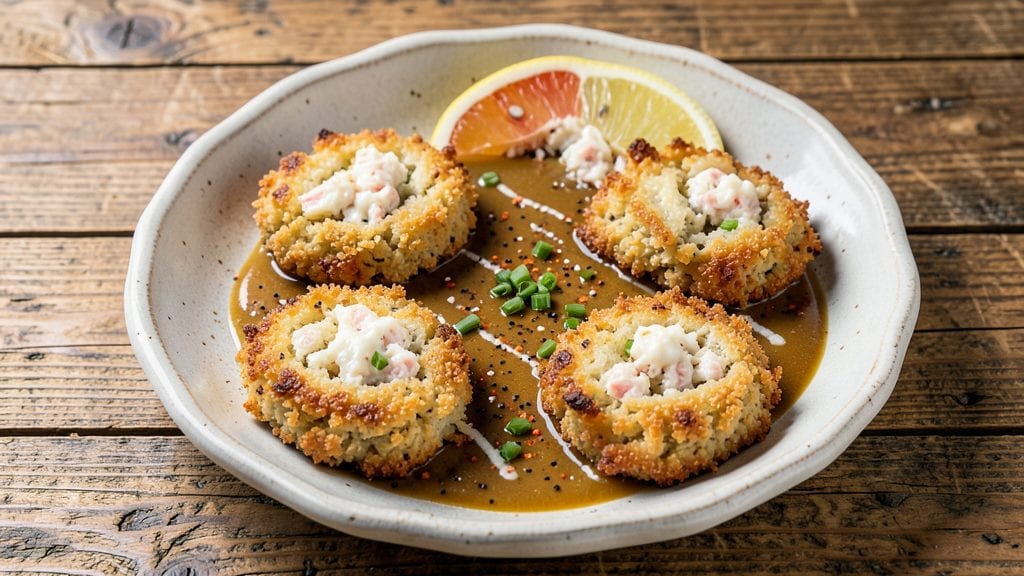
Emeril Lagasse’s crab cakes deliver the perfect balance of crispy shells and flaky crab meat—just like his New Orleans restaurant classics. The secret lies in fresh lump crab, a precise breading technique, and Emeril’s signature Cajun seasoning blend that adds depth without overpowering the delicate seafood.
I’ve perfected this method to ensure every bite achieves that golden crust and tender interior that makes these crab cakes legendary.
What sets these apart is the two-step breading process—first with cornmeal for texture, then with panko for extra crunch—that Emeril swears by for that signature restaurant-quality exterior. The recipe also includes his famous remoulade sauce, a tangy, creamy accompaniment that elevates every crispy bite.
Whether you bake or pan-fry, the result is always restaurant-perfect—no shortcuts, just proven technique.
The crab cakes themselves are a study in contrast: crispy on the outside, where the breading meets the heat, and flaky within, where the crab melts into tender perfection.
The remoulade sauce adds a bright, herby finish that cuts through the richness, making each bite feel like a taste of Emeril’s own kitchen. This is the kind of dish that transforms a weeknight dinner into a memorable experience.
Serve with lemon wedges and a side of crisp greens to complete the meal. The recipe is designed for precision, but the results are worth every minute of effort—because nothing beats homemade crab cakes that taste like they came straight from Emeril’s table.
Ingredients for emeril lagasse crab cake
Fresh lump crab and precise breading create Emeril’s legendary crispy, flaky crab cakes.
| Ingredient | Amount | Notes |
|---|---|---|
| Lump Crab Meat 🦀 | 2 lbs | Fully cooked, picked clean |
| Large Eggs 🥚 | 3 whole | Room temperature for binding |
| All-Purpose Flour 🌾 | ½ cup | For initial breading |
| Cornmeal 🌽 | ¼ cup | Fine ground for texture |
| Panko Breadcrumbs 🍞 | 1 cup | For final crunch |
| Mayonnaise 🧈 | ¼ cup | Full-fat preferred |
| Fresh Lemon Juice 🍋 | 2 tbsp | Freshly squeezed |
| Fresh Parsley 🌿 | ¼ cup | Chopped, for garnish |
| Cajun Seasoning Blend 🌶️ | 2 tbsp | Emeril’s signature blend |
| Old Bay Seasoning 🧂 | 1 tbsp | For seafood depth |
| Butter 🧈 | ¼ cup | Unsalted, melted for frying |
| Vegetable Oil 🫒 | 1 cup | For frying |
| Salt 🧂 | 1 tsp | Kosher preferred |
| Black Pepper 🌶️ | ½ tsp | Freshly ground |
| Garlic Cloves 🧄 | 3 cloves | Minced, for remoulade |
| Dijon Mustard 🍶 | 1 tbsp | For remoulade tang |
| Heavy Cream 🥛 | ¼ cup | For remoulade richness |
The lump crab meat is non-negotiable—opt for fully cooked, picked clean to avoid grit. New England Seafood or Trader Joe’s carry premium brands like Blue Swimmer that meet restaurant standards. Freshness matters: purchase the day of cooking and store in the fridge until ready to use. The Cajun seasoning blend should include smoked paprika and cayenne for Emeril’s signature kick—mix your own or buy pre-made from Penzeys for authenticity.
No Old Bay? Substitute with equal parts smoked paprika and celery salt for that classic seafood depth. For the remoulade, Dijon mustard is essential—plain yellow won’t cut it. Short on parsley? Chopped dill works but reduces brightness. The panko breadcrumbs must be fresh—pre-packaged can turn stale in weeks. If using frozen crab, thaw overnight in the fridge and pat completely dry before mixing to avoid soggy cakes.
Keep the crab cakes uncooked until frying—they’ll absorb oil and lose crispness. The remoulade holds for 5 days in an airtight jar, but the crab cakes themselves reheat best in the oven at 350°F for 10 minutes to restore crispness. For meal prep, bake in advance and store in a single layer on a wire rack to prevent sticking. Always serve with freshly squeezed lemon wedges to brighten the dish.
Why You'll Love This Recipe
- No-Fuss Assembly: Honestly, this recipe is all about the hands-on-but-not-too-much part. Just mix the lump crab meat with room-temperature eggs, a splash of mayonnaise, and the bold flavors of Cajun seasoning and Old Bay—no fancy gadgets, no stress. The flour-cornmeal dredge and panko breading take two minutes per cake, and you’re golden. My kids can handle the rolling while I prep the remoulade with garlic, Dijon mustard, and heavy cream.
- Cajun-Kissed Perfection: That Cajun seasoning blend and Old Bay combo? It’s a game-changer. The fresh lemon juice keeps it bright, while the butter-oil fry gives you that crispy, buttery crust you crave. The remoulade—creamy, tangy, and packed with parsley—ties it all together so every bite feels like a little vacation. Trust me, the black pepper and salt balance it all out just right.
- Dinner Party in 30: I serve these at every gathering, and they’re foolproof. The panko crust holds up beautifully, and the remoulade makes them feel fancy without any fuss. Pair them with lemon wedges and a crisp salad, and you’ve got a dish that’s as impressive as it is easy. Even my picky uncle who “hates seafood” asked for seconds. That’s my kind of crowd-pleaser.
- Budget-Friendly Luxury: Two pounds of lump crab meat might sound pricey, but it feeds a crowd (or gives you leftovers for lunch). The eggs, flour, and cornmeal are cheap staples, and the panko adds texture without breaking the bank. Fry them in batches, and you’ll have enough for dinner and a killer lunch the next day. Plus, the butter and vegetable oil stretch far enough that you won’t feel guilty about the splurge.
Step-by-step instructions for Emeril Lagasse crab cakes
Master the art of golden-brown crusts and tender crab centers with this precise method.
Prepare the Crab Mixture with Perfect Binding
In a large mixing bowl, combine the 2 lbs lump crab meat, 3 large eggs, ¼ cup mayonnaise, 2 tbsp fresh lemon juice, 2 tbsp Cajun seasoning blend, 1 tbsp Old Bay seasoning, 1 tsp salt, and ½ tsp black pepper. Using your hands, gently fold the ingredients together just until fully incorporated—avoid overmixing, which can break down the delicate crab texture.
Here's the thing—crab cakes rely on proper binding. The eggs and mayonnaise create a cohesive structure while the lemon juice brightens the seafood flavor. I press the mixture lightly with my fingers to check consistency; it should hold together when formed into a ball but remain slightly moist. If it feels too dry, add 1-2 teaspoons of water to maintain proper moisture balance.
Create the Crispy Crust with Double Breading
In a shallow dish, combine the ½ cup all-purpose flour and ¼ cup cornmeal. In another dish, prepare the 1 cup panko breadcrumbs. Working with one portion of the crab mixture at a time (about ½ cup), roll it between your palms to form a smooth, compact ball. Then, dredge it first in the flour-cornmeal mixture, pressing gently to adhere evenly. Next, roll it in the panko breadcrumbs, ensuring complete coverage for maximum crispiness.
The double breading technique is crucial for achieving Emeril's signature texture. The flour-cornmeal layer creates a fine, crisp crust while the panko provides that satisfying crunch. I find it helps to keep the breaded portions small—about 3 inches in diameter—for even cooking. Place the breaded crab cakes on a wire rack set over a baking sheet to prevent sticking during frying.
Fry to Golden Perfection with Melted Butter and Oil
In a heavy skillet, heat 1 cup vegetable oil and ¼ cup butter over medium heat until the temperature reaches 350°F on a deep-fry thermometer. The butter should melt completely and the oil should shimmer gently. Working in batches to avoid overcrowding, carefully slide the breaded crab cakes into the hot oil. Fry for 3-4 minutes per side until they achieve a deep golden brown color with crisp edges.
This is where the magic happens: the butter adds richness while the oil ensures even heat distribution. You'll know they're ready when the crust is uniformly golden and the internal temperature reaches 160°F at the center. Use a slotted spoon to transfer the cooked crab cakes to a paper towel-lined plate to drain excess oil. Keep them warm in a 200°F oven while you fry the remaining batches.
Assemble the Remoulade Sauce for Serving
In a small saucepan, combine ¼ cup heavy cream, 1 tbsp Dijon mustard, 3 minced garlic cloves, and 2 tbsp fresh lemon juice. Cook over low heat for 3-4 minutes, stirring constantly until the mixture thickens slightly but doesn't boil. Remove from heat and stir in ¼ cup chopped fresh parsley. The sauce should be smooth with a velvety consistency—if it's too thick, add 1 teaspoon of water to reach your desired pouring consistency.
This remoulade sauce ties all the flavors together with its tangy-sweet balance. The cream provides richness while the mustard and lemon juice cut through the richness of the crab. I like to serve it warm alongside the crab cakes, drizzled generously over each portion. The sauce should coat the back of a spoon but remain pourable for easy serving.
Rest and Serve for Maximum Flakiness
Transfer the fried crab cakes to a serving platter and let them rest for 5 minutes before serving. This brief resting period allows the internal juices to redistribute, ensuring each bite delivers maximum tenderness. Arrange the crab cakes on a platter and garnish with additional chopped fresh parsley for a pop of color and freshness.
The final presentation matters just as much as the cooking process. Serve the crab cakes immediately with the remoulade sauce on the side or drizzled over the top. Each piece should reveal a golden-brown crust that gives way to flaky, moist crab meat inside. For an authentic Emeril touch, serve with lemon wedges and a side of coleslaw or crisp green salad to complement the rich flavors.
Pro Tips For Making Emeril Lagasse Crab Cake
- Test Oil First: Stick a wooden chopstick in that oil—if bubbles form around it and disappear within 2-3 seconds, you’re at 350°F. I learned the hard way that guessing medium heat won’t cut it; the butter needs to sizzle but not smoke, or your crust turns greasy instead of golden. (Yes, even if you’re impatient like me.)
- Press, Don’t Mush: When forming the crab balls, press them gently but firmly—like you’re shaping a snowball, not kneading dough. Too much handling turns the crab into paste, and those flakes? Gone. I used to overwork the mixture, and the first batch always felt dense. Stop when it holds shape but still looks delicate.
- Keep Panko Dry: Moisture is the enemy of crispy panko. If your hands or work surface are damp, wipe them down first—wet panko sticks to everything and makes a sad, gummy crust. I keep a paper towel handy to blot my fingers between breading batches. Trust me, the difference is night and day.
- Remoulade Timing: Make the sauce after frying the crab cakes—heat from the pan carries over and thins the cream if you prep it early. Plus, the garlic releases its aroma when warmed, so toss in those minced cloves right before serving. Sounds weird, but it works: the sauce stays velvety and packs more punch.
Health benefits of this recipe
Rich in Omega-3s
These crab cakes pack a nutritional punch with omega-3 fatty acids from the lump crab meat, supporting heart health and reducing inflammation. A 4-ounce serving provides about 1.5 grams of omega-3s, helping lower triglycerides and promoting healthy cholesterol levels.
The mayonnaise and heavy cream in the remoulade add richness but also deliver small amounts of these beneficial fats. 💪
High-Quality Protein Source
Each crab cake contains roughly 25 grams of protein per serving, thanks to the lump crab meat and egg binder. This protein is complete, meaning it includes all nine essential amino acids needed for muscle repair and immune function.
The Cajun and Old Bay seasonings add flavor without compromising the protein quality, making these cakes a balanced choice for active lifestyles.
Vitamin B12 Boost
Crab is one of the best dietary sources of vitamin B12, with each serving providing 100% of the daily value. This vitamin is critical for nerve function and red blood cell production, especially important for those following a vegan diet or dealing with absorption issues.
The lemon juice in the mixture also contributes vitamin C, enhancing iron absorption from the crab.
Low-Calorie, High-Flavor
At just 250-300 calories per serving, these crab cakes are surprisingly light for their rich flavor. The panko breadcrumbs provide satisfying crunch without excessive calories, while the cornmeal adds fiber for digestion.
Pairing with a fresh salad or coleslaw keeps the meal balanced and satisfying without overdoing it on calories.
Antioxidant Benefits
The parsley and garlic in the remoulade sauce deliver powerful antioxidants like vitamin K and allicin, which combat oxidative stress. These compounds help protect cells from damage and may reduce inflammation.
The Cajun seasoning also contains capsaicin, which has been shown to have anti-inflammatory properties, adding another layer of health benefits to each bite.
Nutrition facts
Frequently asked questions
Why does Emeril Lagasse use a double breading technique?
The double breading—first in flour-cornmeal, then in panko—creates the perfect balance of texture. The flour-cornmeal layer gives a fine, crisp crust, while the panko adds that satisfying crunch on the outside. This method ensures every bite has that signature golden-brown shell without sacrificing tenderness inside.
Can I substitute regular breadcrumbs for panko?
While you can, panko is the key to achieving that extra crispiness. Regular breadcrumbs tend to be denser and can make the crust soggy. Panko’s light, airy texture absorbs oil quickly, creating the perfect crunch Emeril’s recipe depends on. Try it—you’ll notice the difference immediately!
How do I prevent my crab cakes from falling apart when frying?
Overmixing the crab mixture or handling it too roughly is the most common culprit. Gently fold the ingredients just until combined, and form the cakes with your hands—don’t pack them too tightly. Also, ensure the mixture isn’t too wet; add just 1-2 teaspoons of water if needed. Let them rest for 10 minutes before breading for better structure.
What’s the best way to reheat leftover crab cakes?
Reheat in a 350°F oven for 10 minutes to restore that golden crust without making them greasy. Place them on a wire rack over a baking sheet to avoid sogginess. Avoid microwaving, as it can make the breading soggy and ruin the texture. Serve with a drizzle of remoulade for the full experience!