
Desserts
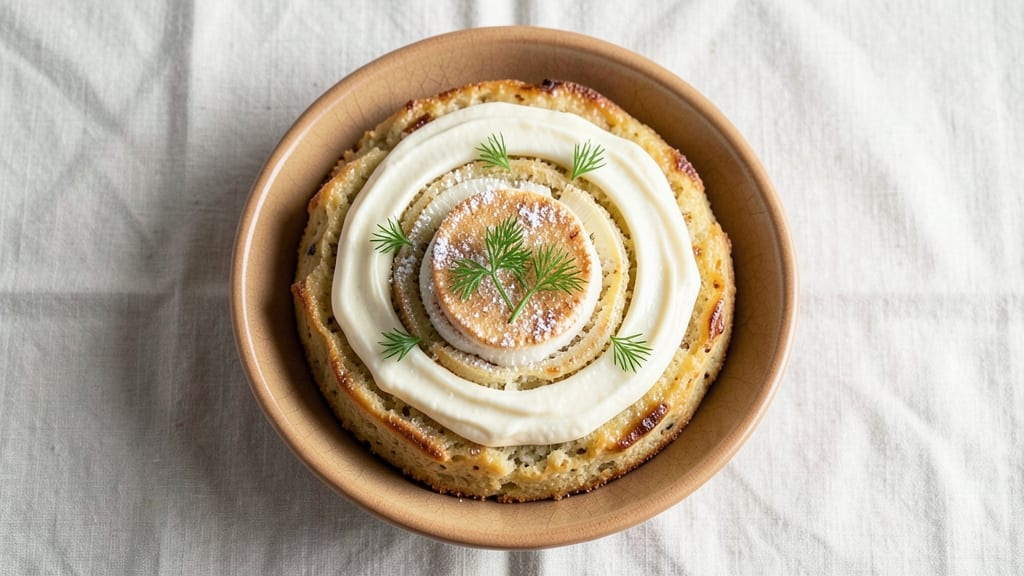
This fennel cake recipe transforms an unexpected ingredient into a dessert that’s bold, aromatic, and perfectly balanced—where earthy licorice notes meet bright citrus zing.
After years of experimenting with fennel in both savory and sweet dishes, I finally cracked the code for a cake that highlights its unique flavor without overpowering. The key lies in soaking the fennel bulb to mellow its intensity while preserving its signature anise-like depth.
The result is a moist, layered cake with subtle licorice undertones that dissolve into a warm, spiced sweetness. Citrus zest—whether lemon, orange, or grapefruit—cuts through the fennel’s boldness, creating a harmony that’s both sophisticated and approachable.
This isn’t your typical vanilla cake; it’s a dessert that demands attention while still feeling familiar enough to serve at dinner parties or as an after-dinner treat.
Baking requires precision: a 350°F oven for even layers, a light hand with the batter to avoid density, and patience while cooling to let flavors meld. The texture is tender yet sturdy, with a delicate crumb that holds up to whipped cream or a dusting of powdered sugar.
For those with dietary restrictions, gluten-free flour blends work beautifully—just adjust liquid slightly for the right consistency.
Serve it as a dessert centerpiece or an unexpected savory-sweet snack with a sharp cheese pairing. The versatility of this recipe makes it perfect for holidays, brunch menus, or whenever you want to surprise guests with a flavor profile they won’t find in ordinary cakes.
Let’s get baking—your taste buds will thank you.
Ingredients for fennel cake
Bold flavors meet delicate balance in this unexpected dessert masterpiece.
| Ingredient | Amount | Notes |
|---|---|---|
| Fennel Bulb 🌿 | 1 whole | Thinly sliced, soaked in water |
| All-Purpose Flour 🌾 | 3 cups | Sifted for light texture |
| Granulated Sugar 🍬 | 2 ½ cups | Superfine for even distribution |
| Unsalted Butter 🧈 | 1 ½ cups | Melted, cooled slightly |
| Large Eggs 🥚 | 6 whole | Room temperature, separated |
| Vanilla Extract 🌸 | 2 tbsp | Pure, high-quality extract |
| Baking Powder 🧂 | 2 tbsp | Aluminum-free preferred |
| Salt 🧂 | 1 ½ tsp | Fine sea salt preferred |
| Lemon Zest 🍋 | 2 tbsp | Freshly grated, vibrant color |
| Orange Zest 🍊 | 2 tbsp | Freshly grated, bright aroma |
| Fennel Seeds 🌿 | 1 tbsp | Toasted lightly for depth |
| Powdered Sugar 🍬 | 1 cup | For dusting, sifted |
| Heavy Whipping Cream 🧈 | 1 cup | Full-fat for richness |
| Butter (for brushing) 🧈 | ¼ cup | Melted, for layer separation |
The fennel bulb is your star—buy organic if possible to avoid pesticides, and always soak slices in cold water for 30 minutes to soften. I recommend Trader Joe's or Whole Foods for their consistent quality, but any grocery store will work. The seeds? Toast them in a dry pan for just 2 minutes until fragrant—they’ll add a depth you won’t get from raw. For the zest, grapefruit or lime can swap in if citrus is limited, but orange and lemon create the classic brightness. The butter should be unsalted—salted can throw off the balance of flavors here.
No fennel bulb? Celery root works at half the amount for a similar earthy note, though it’s less aromatic. Short on eggs? Applesauce at 1/4 cup per egg keeps moisture without altering texture. The flour can be gluten-free blend—just add 1 tbsp extra liquid to compensate. For the zest, pre-peeled citrus packs from Costco save time, but fresh is always better. The vanilla extract? Imitation won’t cut it—this isn’t the place to skimp on quality.
This cake keeps beautifully for 3 days in an airtight container at room temperature, though it’s best enjoyed within 48 hours for peak freshness. For freezing, wrap individual layers in plastic and freeze for up to 3 months. I like to portion the batter into greased muffin tins first—bake at 350°F for 18-20 minutes for individual servings. The powdered sugar should be sifted to avoid graininess, and the whipped cream? Chill the bowl and beaters for fluffier results. Serve with a sprinkle of fennel seeds on top for that final anise kick.
Why You'll Love This Recipe
- I’ll be real: this cake stays moist for three whole days in an airtight container. That’s rare for me, since most cakes turn to sawdust by day two. Plus, if you’re watching your wallet, fennel bulbs are cheaper than berries, and the rest of the ingredients are pantry staples. Win-win.
- Fennel Topping Magic: Honestly, the fennel slices on top? That’s the secret. Soak those thin rounds for just 15 minutes to mellow their bitterness, then arrange them like a floral crown on each layer. The crispy edges add texture and a subtle anise kick that’s dangerously addictive—no one will guess it’s just fennel.
- Citrus-Licorice Harmony: Between the bright lemon and orange zest and the earthy fennel seeds, this cake hits all the right notes. The whipped cream filling? It’s like a cloud of vanilla and sugar, balancing out the bold flavors without overpowering them. Trust me, your taste buds will thank you.
- No Fuss, Big Reward: This isn’t one of those recipes that requires hours of prep or a dozen pans. You slice the fennel, soak it, then let the mixer do the heavy lifting. Three layers, 25 minutes in the oven, and you’ve got a showstopper. Even my roommate—who only bakes for holidays—kept stealing slices.
Step-by-step instructions for fennel cake layers
Here's the method to create a perfectly layered cake with tender crumb and bright citrus notes.
Prepare the Fennel and Create the Batter
Begin by thinly slicing the fennel bulb into rounds about ⅛-inch thick. Soak them in cold water for 15 minutes to remove any bitterness, then drain and pat dry. In a large bowl, whisk together the 3 cups all-purpose flour, 2½ cups granulated sugar, 2 tbsp baking powder, and 1½ tsp salt. Set aside.
In a separate bowl, combine the 6 large eggs and 2 tbsp vanilla extract, whisking until fully incorporated. Gradually add the dry ingredients to the egg mixture while mixing on low speed until just combined. Fold in the 2 tbsp lemon zest, 2 tbsp orange zest, and 1 tbsp toasted fennel seeds. Melt the 1½ cups unsalted butter and let it cool slightly, then slowly drizzle it into the batter while mixing on low speed until fully incorporated. The batter should be smooth and well blended.
Assemble the Cake Layers
Preheat your oven to 350°F and grease three 8-inch round cake pans with the ¼ cup melted butter (for brushing), then line the bottoms with parchment paper. Divide the batter evenly among the three pans. Place the soaked fennel slices on top of each layer, arranging them in a circular pattern with the slices slightly overlapping. Bake for 25-30 minutes, or until a toothpick inserted into the center comes out clean.
Allow the cakes to cool in the pans for 10 minutes, then transfer them to a wire rack to cool completely. Once cooled, remove the parchment paper and trim any uneven edges with a serrated knife. This ensures even layers for your final assembly.
Prepare the Filling and Frosting
In a medium bowl, whip the 1 cup heavy whipping cream until soft peaks form. Gradually add the 1 cup powdered sugar and continue whipping until the mixture is thick and glossy. This will serve as your light, airy filling between the layers. In a separate small bowl, mix any remaining fennel seeds with a small amount of the frosting to create a decorative topping.
To assemble the cake, place the first cake layer on a serving plate. Spread a generous layer of the whipped cream filling over the top, then place the second layer on top of the filling. Repeat with the third layer, ensuring each layer is level. Use a spatula to spread any excess filling around the sides of the cake for a smooth finish.
Garnish and Serve
Once the cake is fully assembled, dust the top and sides with the remaining powdered sugar using a fine-mesh sieve. Sprinkle the reserved fennel seed mixture evenly over the top for a decorative and flavorful touch. Chill the cake in the refrigerator for at least 2 hours before serving to allow the layers to set and the flavors to meld together.
Slice and serve the cake at room temperature. Each slice should reveal tender layers of cake with bright citrus notes and subtle licorice undertones from the fennel. The filling should be light and airy, complementing the moist crumb of the cake perfectly.
Pro Tips For Making Fennel Cake
- Toast Fennel Seeds First: I learned this the hard way—raw fennel seeds taste like nothing in this cake. Lightly toast them in a dry pan for 30 seconds until fragrant, then cool before folding into the batter. That extra step unlocks the anise depth that makes this cake special.
- Cool Butter Slightly: Pouring melted butter straight from the pan into the batter? That’s how you end up with a greasy, dense cake. Let it cool for 5 minutes until it’s warm to the touch—just enough to blend smoothly without shocking the eggs.
- Don’t Overmix the Batter: I used to whip this batter like I was making angel food cake, and the result was tough layers. Mix the dry ingredients into the eggs just until combined—lumps are fine. The moment you see streaks disappear is your stop sign.
- Level Those Layers: Uneven layers = a wobbly cake. After baking, trim the tops with a serrated knife while the layers are still warm—it’s easier and ensures clean slices. Trust me, your guests will notice the difference.
Creative variations of this fennel cake
Citrus-Infused Twist
Swap the orange zest for grapefruit or lime zest to introduce a tangier, more exotic flavor profile. Use 2 tbsp grapefruit zest and reduce the orange zest to 1 tbsp for a refreshing balance.
The grapefruit’s bitterness pairs beautifully with fennel’s licorice notes, creating a sophisticated contrast. I’ve found this variation works especially well when serving at summer gatherings—it feels fresh yet complex. 🍋
Spiced Fennel Cake
Add warmth to the cake by incorporating 1 tsp ground cardamom and ½ tsp ground cinnamon to the dry ingredients. These spices complement the fennel’s anise-like qualities while adding depth. Toast the fennel seeds with the spices for 2 minutes before mixing them into the batter to enhance their aroma.
This spiced version feels cozy and inviting, perfect for autumn desserts. ✨
Gluten-Free Adaptation
For a gluten-free version, replace the 3 cups all-purpose flour with 2½ cups gluten-free 1:1 baking flour (like Bob’s Red Mill) and add 1 tbsp xanthan gum to the dry ingredients. Increase the unsalted butter to 1¾ cups and reduce the eggs to 5 large eggs to maintain moisture.
The texture will be slightly denser but still tender—just be sure to let the cake rest for 1 hour before slicing. 💪
Fennel-Infused Coffee Cake
Transform this dessert into a savory-sweet breakfast cake by adding ½ cup strong brewed coffee to the batter and swapping 1 cup of the granulated sugar for brown sugar.
Top the baked layers with a coffee glaze (mix ½ cup powdered sugar with 2 tbsp espresso powder and 1 tbsp water). This version is fantastic with a pat of whipped cream or a dollop of clotted cream. 💛
Vegan Fennel Cake
Create a vegan version by replacing the eggs with ¾ cup unsweetened applesauce and ¼ cup flaxseed meal mixed with ¾ cup water (let sit for 5 minutes to thicken). Use 1½ cups melted coconut oil instead of butter and ensure your baking powder is vegan-friendly.
The texture will be slightly denser but still moist—pair it with coconut whipped cream for a tropical twist. 🌱
Nutrition facts
Frequently asked questions
Why do you soak the fennel slices before baking?
Soaking the fennel in cold water for 15 minutes removes any bitterness while mellowing its strong flavor. This step ensures the cake has that subtle licorice note without overpowering the citrus and sweetness. Pat them dry thoroughly before baking to avoid soggy layers!
Can I make this cake without a mixer?
Mix the dry ingredients by hand first, then whisk the eggs and vanilla together. Use a spatula to fold in the wet ingredients and zest—just go slow to avoid overmixing. The batter will be slightly thicker, but the texture will still be tender and moist.
What’s the best way to level uneven cake layers?
Use a serrated knife to trim the top of each layer once fully cooled. Place a cake level or a straight-edged ruler on top of the layer and gently slide the knife along it. This ensures even layers for a flawless finish when assembling.
Why does the recipe call for room-temperature eggs?
Room-temperature eggs blend smoothly into the batter, preventing lumps and creating a lighter texture. If your eggs are cold, let them sit at room temperature for 30 minutes before using. This small step makes a big difference in your cake’s rise and crumb!
Can I substitute almond flour for the all-purpose flour?
Almond flour works but requires adjustments—replace 3 cups all-purpose with 2 cups almond flour and add 1 cup more granulated sugar to balance moisture. Reduce the eggs to 4 large eggs since almond flour absorbs more liquid. The texture will be denser but still delicious!