
Main Courses
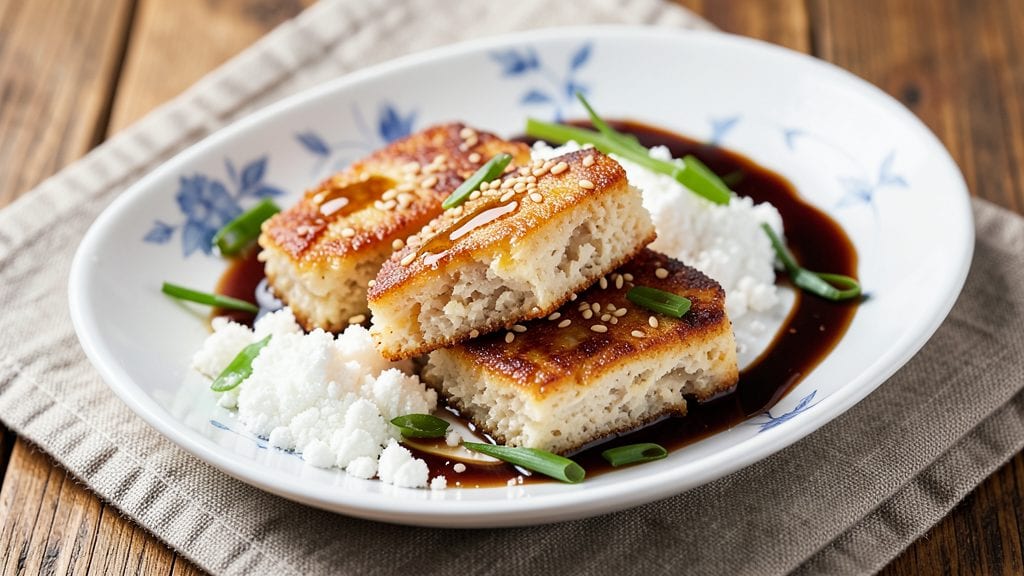
This fish cake banchan recipe delivers crispy-fried bites that bring authentic Korean flavor to your table. ✨ The secret lies in properly soaking and slicing the fish cake before pan-frying until golden, creating that perfect crunch while keeping the inside tender.
I've tested this recipe countless times to ensure it delivers that satisfying texture every time.
What makes this banchan special is its versatility—it works as a standalone appetizer or pairs beautifully with rice and other Korean dishes. The seasoning blend of soy sauce, sesame oil, garlic, and green onions adds depth, while garnishes like sesame seeds and chili flakes elevate the presentation.
It's a dish that's both simple to prepare and impressive enough for guests.
By following these steps, you'll achieve perfectly crispy fish cake banchan with a savory, slightly sweet flavor profile. The pan-frying method ensures a satisfying crunch, while the seasoning penetrates the fish cake for maximum flavor.
This recipe is not only delicious but also pescatarian-friendly, making it a great option for diverse dietary preferences.
Serve these crispy bites alongside your favorite Korean main dishes or enjoy them as a snack with a side of kimchi. The combination of textures and flavors makes this banchan a standout addition to any meal. Let's get started on creating this crowd-pleasing dish!
Ingredients for fish cake banchan
Authentic Korean flavors start with these crispy-fried fish cake essentials—everything you need for perfect texture and savory bites.
| Ingredient | Amount | Notes |
|---|---|---|
| Surimi Fish Cakes 🐟 | 12 pieces | Korean-style, frozen or fresh |
| All-Purpose Flour 🌾 | ½ cup | For dredging, light coating |
| Large Eggs 🥚 | 2 whole | Room temperature for even coating |
| Sesame Oil 🫒 | 2 tbsp | Toasted, for frying and seasoning |
| Vegetable Oil 🫒 | 1 cup | High smoke point for frying |
| Soy Sauce 🥄 | 2 tbsp | Korean or Japanese preferred |
| Garlic Cloves 🧄 | 4 cloves | Minced, for seasoning blend |
| Green Onions 🧅 | 3 whole | Thinly sliced, for garnish |
| Toasted Sesame Seeds 🌾 | 1 tbsp | For garnish, store-bought or homemade |
| Gochugaru Chili Flakes 🔥 | 1 tsp | Adjust for spice preference |
| Salt 🧂 | ½ tsp | Kosher or sea salt |
| Black Pepper 🌶️ | ¼ tsp | Freshly ground for best flavor |
| Water 💧 | 1 cup | For soaking fish cakes |
| Rice Vinegar 🍶 | 1 tbsp | For soaking water |
The fish cakes are the star, so Korean-style surimi is non-negotiable. Look for brands like Nongshim or Sajin at Asian markets—they have that authentic chew. If using frozen, soak them in water with rice vinegar for 20 minutes before coating to keep them tender. H Mart or Korean grocery stores carry these in the freezer section, but check the regular grocery store's Asian aisle too. For the sesame oil, toasted varieties add extra depth—Lee Kum Kee is a reliable brand. The vegetable oil? High smoke point is key—avoid olive oil here.
No Korean soy sauce? Japanese soy sauce works fine, but the flavor will be slightly different. Running short on sesame seeds? Toast regular sunflower seeds as a substitute—they won't have the same flavor but add crunch. The garlic and green onions can be swapped for green onion powder and garlic powder if fresh isn't available, though texture will differ. For extra crispiness, double the flour coating—just make sure to shake off excess between dredges. The gochugaru chili flakes? Trader Joe's carries them now, or order online if your local store doesn't stock them.
Soak the fish cakes in the fridge for up to 4 hours if prepping ahead—they'll stay fresh and absorb more flavor. The coating mixture keeps for 1 day in the fridge, but the oil should be discarded after use to avoid rancidity. For serving, arrange the crispy bites on a wire rack to keep them crispy longer. These reheat well in a 200°F oven for 5-10 minutes, but they're best fresh from the fryer—crispiness fades fast.
Why You'll Love This Recipe
- No-Fuss Crispiness: I can’t even tell you how much I love that these fish cakes turn out perfectly crispy without needing to deep-fry them for hours. The rice vinegar soak keeps them from turning soggy, and that double-dredge in flour and egg? Game-changer for that golden, crackly exterior. No fancy techniques—just a bowl, a skillet, and 10 minutes of hands-on time.
- Garlic-Glazed Magic: Honestly, the way the minced garlic cloves and soy sauce cling to those warm fish cakes? It’s like a little flavor bomb in every bite. That nutty sesame oil drizzle ties it all together—creamy inside, crispy outside, with just enough kick from the gochugaru. My kids fight over the last piece, and I’m not even kidding.
- Banchan That Travels: These fish cakes are my secret weapon for meal prep. Make a big batch ahead, toss them in the fridge for up to 4 hours, and reheat them in the oven or air fryer—they still hold their shape and taste almost as good as fresh. Perfect for work lunches, potlucks, or when you’re craving Korean flavors but don’t want to cook an entire feast.
- Budget-Friendly Crowd-Pleaser: Forget expensive seafood—these fish cakes are a steal, and they feed a crowd without breaking the bank. A dozen pieces, a cup of flour, and a few pantry staples? It’s the kind of dish that makes me feel like a kitchen genius while keeping my wallet happy. Plus, if you’ve got leftovers, they’re great cold in a rice bowl or wrapped in lettuce.
Step-by-step instructions for crispy-fried fish cake bites
Master the perfect texture with this straightforward method for golden, crispy Korean-style fish cakes.
👨🍳 Step 1: Prepare the Soaking Marinade
In a small bowl, combine the 1 cup water and 1 tablespoon rice vinegar. This simple marinade prevents the fish cakes from absorbing too much oil during frying, which is key for that signature crispiness. Place the 12 surimi fish cakes in a single layer in a shallow dish and pour the marinade over them. Let them soak for 10 minutes while you prepare the other components.
Here's the thing—soaking ensures the fish cakes maintain their shape and develop a better texture. If you skip this, they'll absorb too much oil and become greasy instead of crispy. Flip the fish cakes halfway through soaking to ensure even exposure to the marinade.
🍳 Step 2: Create the Seasoned Flour Coating
In a medium bowl, whisk together the ½ cup all-purpose flour, 1 teaspoon gochugaru chili flakes, ½ teaspoon salt, and ¼ teaspoon black pepper. This blend forms the crispy crust that makes these fish cakes irresistible. In a separate small bowl, beat the 2 large eggs until just combined—they should be smooth but still slightly thick.
I like to use a fork for the eggs to avoid overmixing, which can make them rubbery. The chili flakes add just the right amount of heat to complement the crispy exterior. Keep these bowls nearby—you'll need them in the next step.
🔥 Step 3: Fry to Golden Perfection
Heat the 1 cup vegetable oil in a deep skillet or Dutch oven over medium-high heat until it reaches 350°F. You'll know it's ready when a small piece of bread sizzles immediately upon touching the oil. Working in batches to avoid overcrowding, remove the fish cakes from the marinade (let excess drip off) and dredge them first in the flour mixture, pressing gently to adhere, then in the beaten eggs, and back into the flour for a double coating.
Carefully slide the coated fish cakes into the hot oil, being mindful not to splash. Fry for 2-3 minutes per side until they turn a deep golden brown. The oil should be shimmering but not smoking—this ensures a crispy exterior without burning. Use a slotted spoon to transfer them to a paper towel-lined plate to drain excess oil.
👨🍳 Step 4: Season and Garnish
While the fish cakes are still warm, drizzle them with 2 tablespoons sesame oil and toss gently to coat evenly. This step adds a nutty depth of flavor that balances the crispy texture. Sprinkle with 1 tablespoon toasted sesame seeds and 3 thinly sliced green onions for freshness and crunch. For extra flavor, add 2 tablespoons soy sauce and mix lightly—this enhances the umami without overpowering the delicate fish cake.
Here's where it gets fun—toss in the 4 minced garlic cloves and let them sit for 30 seconds so the aroma infuses the warm fish cakes. Serve immediately while they're still crispy, or they'll soften as they cool. These make a perfect banchan for any Korean meal!
Pro Tips For Making Fish Cake Banchan
- Test Oil Heat: Drop a tiny piece of bread in—if it sizzles and floats immediately, your 350°F oil is ready. Too little heat means soggy fish cakes; too much means burned crusts. I learned this the hard way after frying three batches that came out greasy instead of crispy.
- Soak Properly: Flip those fish cakes halfway through the 10-minute soak in the rice vinegar water—otherwise, the bottoms stay wet and turn greasy while the tops crisp. Trust me, it’s worth the extra 30 seconds of effort.
- Press the Flour: When coating, press the fish cakes firmly into the seasoned flour mixture so it sticks evenly. I used to just dust them, and half the coating would fall off during frying. A little extra pressure = no wasted bites.
- Fry in Batches: Crowd the pan, and the oil temp drops—result? Soft, greasy fish cakes instead of crispy ones. Work in small batches (I do 4-5 at a time), and keep the oil shimmering like a lake. Patience here pays off.
Creative variations of these flavors
Spicy Kimchi Fusion
For a fiery twist, mix 2 tablespoons kimchi juice into your soy sauce before tossing with the fried fish cakes. Add 1 tbsp gochugaru to the flour coating for extra heat. The tangy, spicy kimchi pairs beautifully with the nutty sesame flavors.
I love using Nongshim kimchi from local Korean markets—it’s the perfect balance of spicy and fermented. This version feels like a true Korean home-style dish. 🔥
Sweet and Tangy Glaze
Create a quick glaze by mixing 1 tbsp honey with 1 tbsp soy sauce and 1 tsp rice vinegar. Brush this over the warm fish cakes after frying. The sweetness cuts through the saltiness while the vinegar adds brightness.
I often grab local honey from the Boston Farmers Market for that extra depth. This glaze works especially well with the garlic and sesame flavors. 🍯
Crunchy Vegetable Banchan
Pair your fried fish cakes with a simple cucumber and radish salad. Thinly slice 1 large cucumber and 4 radishes, then toss with 1 tbsp rice vinegar, 1 tsp sugar, and ½ tsp salt.
Let it sit for 10 minutes before serving. The cool crunch contrasts perfectly with the crispy fish cakes. I make this salad ahead of time—it keeps for 2 days in the fridge. 🥒
Spicy Mayo Dip
For an extra dip option, blend ¼ cup mayonnaise with 1 tbsp gochugaru, 1 tsp soy sauce, and 1 minced garlic clove. Adjust the spice level to your taste.
This creamy-spicy dip adds another layer of flavor to your banchan spread. I keep it simple by using Hellmann's mayo—it’s a pantry staple that works every time. 🧈
Steamed Fish Cake Version
Skip the frying for a lighter option—steam the fish cakes instead! Arrange them in a steamer basket over boiling water for 5-7 minutes. Toss with the same seasoning blend of soy sauce, sesame oil, and garlic.
This method keeps them moist and tender while still delivering that Korean flavor. I find this version works well when I’m watching my oil intake but still want the banchan experience. 💧
Nutrition facts
Frequently asked questions
Why do I need to soak the fish cakes before frying?
The 10-minute soak in water with rice vinegar prevents the fish cakes from absorbing too much oil during frying. This keeps them crispy instead of greasy—key for that perfect texture! Skipping this step can make them soggy or overly oily.
Can I use regular flour instead of all-purpose?
Regular flour works in a pinch, but all-purpose gives the best balance of texture and crispiness. The small amount of gluten in all-purpose helps create that satisfying crunch when fried. For extra crispiness, press the flour coating firmly onto each fish cake before dipping in egg.
How do I keep the fish cakes crispy after frying?
Transfer the fried fish cakes to a wire rack instead of a plate to let air circulate and maintain crispiness. Serve immediately, or reheat in a 200°F oven for 5-10 minutes to restore crunch. Avoid stacking them—they'll soften faster when touching each other.
What if I don't have gochugaru chili flakes?
Substitute with ½ teaspoon cayenne pepper or 1 teaspoon smoked paprika for heat. For color, add a pinch of red food coloring (optional). The flavor won't be identical, but you'll still get that spicy kick many Korean dishes rely on.