
Breakfast & Brunch
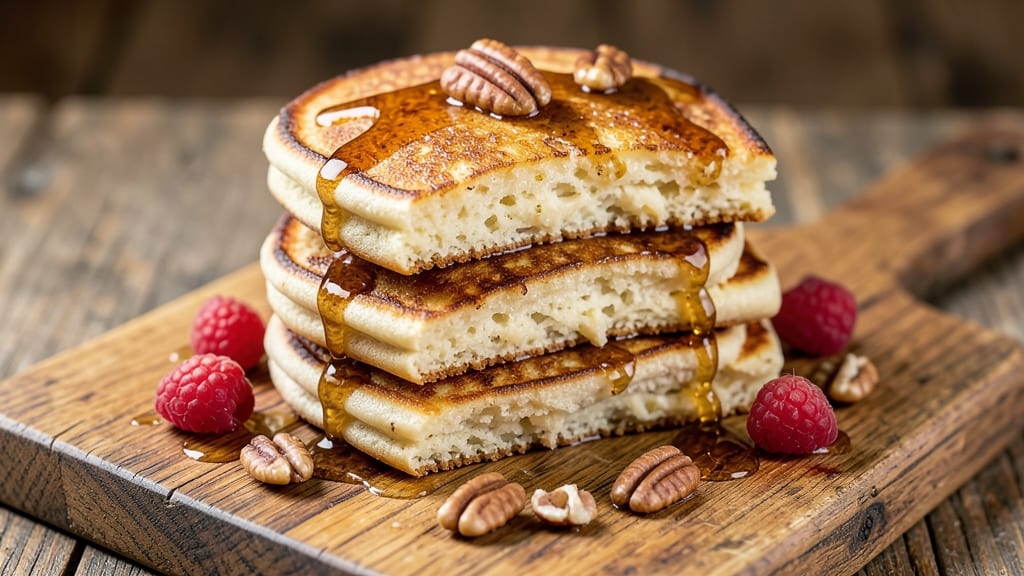
This flannel cakes recipe delivers the crispy, golden perfection of Northern Irish tradition with a silky interior that melts in your mouth—exactly what makes them legendary. The secret lies in grating raw potatoes into the batter, creating that signature texture that separates flannel cakes from ordinary pancakes.
I first discovered this recipe while traveling through Belfast, where every café served them with thick-cut bacon and maple syrup.
The process is straightforward but precise: grate the potatoes finely, mix them with flour, baking powder, and a touch of salt, then fold in beaten eggs and milk for a thick, lumpy batter.
The key to success is frying the cakes in generous butter until golden brown on both sides, ensuring that crispy exterior while keeping the inside tender. This method transforms simple ingredients into a breakfast staple that’s both hearty and delicate.
What you’ll end up with is a stack of flannel cakes that’s crisp enough to hold syrup without falling apart, yet soft enough to dissolve on your tongue.
The potato adds a subtle earthiness that balances the richness of the butter, while the golden crust gives way to a fluffy interior. Serve them with smoked salmon, fresh berries, or a dollop of whipped cream for a breakfast that feels like a celebration.
For those who love regional variations, Scottish flannel cakes often include a pinch of nutmeg or a splash of buttermilk, while some Northern Irish versions incorporate a touch of soda bread flour.
Whether you stick to the classic or experiment with twists, these cakes are a foolproof way to elevate any morning. Let’s get started on creating your perfect batch.
Ingredients for flannel cakes
Grate potatoes raw, fry with butter—this is how legendary flannel cakes begin.
| Ingredient | Amount | Notes |
|---|---|---|
| Russet Potatoes 🥔 | 2 lb | Raw, peeled, grated finely |
| All-Purpose Flour 🌾 | 2 cups | Sifted for light texture |
| Baking Powder 🧂 | 2 tbsp | Aluminum-free preferred |
| Salt 🧂 | 1 tsp | Fine sea salt preferred |
| Large Eggs 🥚 | 2 whole | Beaten until frothy |
| Whole Milk 🥛 | 1 ½ cups | Room temperature preferred |
| Unsalted Butter 🧈 | 4 tbsp | For frying, melted |
| Maple Syrup 🍯 | ½ cup | For serving, optional |
| Thick-Cut Bacon 🍖 | 8 oz | Crumbled, for serving |
| Fresh Berries 🫐 | 1 cup | For topping, optional |
The potatoes are everything here. Russet potatoes grate finest and yield the best texture—Yukon Golds work but won’t be as crispy. Peel them thin, grate on the largest holes of your box grater, and don’t rinse the grated potatoes—the starch helps bind the batter. I always grab organic at Whole Foods or the local farmers market for the best flavor. If you’re short on time, pre-peeled potatoes work too, but peeling yourself saves a step.
No maple syrup? Brown sugar plus a splash of vanilla mimics the sweetness, though it’s not quite the same. Want to skip the bacon? Crumbled smoked salmon or crispy pancetta adds a luxurious touch. The milk can be buttermilk for extra tenderness, but regular works fine. For the butter, unsalted is non-negotiable—salted butter can make the cakes too salty. And if you’re worried about the batter looking weird, trust me: lumpy is good—it means the potatoes are properly incorporated.
The batter keeps in the fridge for up to 2 days—just bring it to room temperature before frying. Store leftover cakes wrapped in foil for 3-4 days or freeze them for 3 months. To reheat, pop them in a 350°F oven for 5 minutes—they’ll crisp up beautifully. I always make a double batch because they disappear faster than I can say ‘flannel cakes.’ Serve with extra butter melted on top for that restaurant-quality touch.
Why You'll Love This Recipe
- I’ll be real: these take less than 30 minutes to make, and they’re foolproof. Grate the potatoes, mix the batter, and fry in batches—no fancy skills required. Even on the busiest nights, you’ve got a crowd-pleaser ready in no time.
- No-Potato-Waste Magic: Honestly, I used to toss the potato peels after grating—until I realized they’re the secret to these cakes’ ultra-moist, tender bite. No soggy pancakes here; just that perfect balance of fluffy and creamy, thanks to the Russet Potatoes. Plus, you’re using the whole potato, so no scraps go to waste.
- Maple-Bacon Dream Team: Between us, nothing beats that first bite of crispy flannel cake with smoky bacon and a drizzle of maple syrup. The 8 oz of thick-cut bacon isn’t just garnish—it’s the smoky backbone that turns these pancakes into a weekend treat. Trust me, your breakfast just got an upgrade.
- Weeknight Hero: I’ll be real: these take less than 30 minutes to make, and they’re foolproof. Grate the potatoes, mix the batter, and fry in batches—no fancy skills required. Even on the busiest nights, you’ve got a crowd-pleaser ready in no time.
Step-by-step instructions for flannel cakes
Here's how to make these tender, buttery pancakes with a secret ingredient that keeps them moist and fluffy.
Grate the Russet Potatoes and Mix Dry Ingredients
Start by peeling the 2 lb russet potatoes and grating them using the fine holes of a box grater. You'll need about 2 cups of grated potato—this is your secret for ultra-moist pancakes. Place the grated potatoes in a clean kitchen towel and squeeze out as much liquid as possible. This step is crucial because excess moisture makes the batter gummy.
In a large mixing bowl, combine the 2 cups all-purpose flour, 2 tbsp baking powder, and 1 tsp salt. Whisk these dry ingredients together until evenly distributed. I like to use a whisk for this part to avoid developing too much gluten, which would make the pancakes tough instead of tender. Set this mixture aside for now—it's ready when you need it.
Combine Wet Ingredients and Create the Batter
In a separate bowl, beat the 2 large eggs until they're frothy but not fully whipped. Add the 1½ cups whole milk and mix until smooth. Then stir in the 4 tbsp unsalted butter, melted and slightly cooled. The butter should be warm enough to blend into the mixture but not so hot that it cooks the eggs.
Now gradually add the grated potatoes to the wet ingredients, mixing just until combined. The mixture will look a little unusual—thicker than typical pancake batter—but trust me, this is what gives flannel cakes their signature texture. Finally, pour the wet ingredients into the bowl with the dry ingredients and stir gently until just combined. Avoid overmixing; you should still see some flour streaks. Let the batter rest for 5 minutes while you prepare your cooking setup.
Cook the Flannel Cakes on Medium Heat
Heat a nonstick skillet over medium heat. You'll want the pan hot enough to create a golden crust but not so hot that the outside burns before the inside cooks through. Add about 1 tbsp of the melted butter to the pan and tilt to coat the surface evenly. This butter is what gives the cakes their signature richness.
Pour ¼ cup of batter into the pan for each flannel cake. You should be able to make about 8 cakes from this batter. Cook until bubbles form on the surface and the edges look set, which takes about 2-3 minutes. Here's the thing—don't flip too soon. You'll know it's ready when the top shows some golden spots and the edges lift easily when you gently nudge them with a spatula.
Flip and Finish Cooking
Flip each flannel cake carefully and cook for another 1-2 minutes on the second side until golden brown. The cakes should be tender inside with a crispy exterior. I usually test doneness by gently pressing the center with my finger—it should feel firm but still slightly springy. Transfer the cooked cakes to a warm plate and keep them covered with a clean kitchen towel to stay soft.
Repeat with the remaining batter, adding more butter to the pan as needed. The key to perfect flannel cakes is maintaining consistent heat and not overcrowding the pan. If you need to cook more than one batch, clean the pan between batches to prevent sticking.
Serve with Maple Syrup and Toppings
Once all the flannel cakes are cooked, it's time to serve them warm. Drizzle each serving with the ½ cup maple syrup and top with the crumbled 8 oz thick-cut bacon and 1 cup fresh berries. The combination of sweet, smoky, and fruity flavors makes these pancakes truly special. I like to serve them immediately while they're still warm and the syrup is gooey.
For an extra touch, you can brush the warm cakes with a little more melted butter before serving. This adds another layer of richness that pairs perfectly with the maple syrup. These flannel cakes are best enjoyed fresh, so don't wait too long before digging in—every bite should be tender, buttery, and full of flavor.
Pro Tips For Making Flannel Cakes
- Squeeze Those Potatoes: I learned this the hard way—skipping the towel squeeze turns your batter into a gummy mess. Russet potatoes release a lot of liquid, and you need to wring out every drop. Use a clean kitchen towel and twist it tight; the batter’s texture depends on this step.
- Medium Heat Only: Too hot, and your cakes burn before the centers cook. Too cool, and they turn out dense. Medium heat is non-negotiable here—wait until bubbles form and the edges lift before flipping, even if it takes a few extra seconds. Trust the process.
- Whisk, Don’t Stir: Overmixing develops gluten, and flannel cakes are all about tender, not chewy. Whisk the dry ingredients until just combined, then fold in the wet ingredients gently—stop when you still see flour streaks. Your future self will thank you.
- Room-Temp Milk Matters: Cold milk makes the butter seize up in the batter, and that’s a texture disaster. Let the 1.5 cups whole milk sit out for 10 minutes before mixing—it blends smoother and keeps the cakes light. (Yes, even if you’re impatient like me.)
Essential equipment for this recipe
Nonstick Skillet
Your nonstick skillet is the star of this show, and I recommend a high-quality 10-inch or 12-inch pan like the All-Clad Stainless Steel or Le Creuset Dutch Oven for even heat distribution. A nonstick surface prevents sticking and makes flipping those delicate flannel cakes effortless.
If you're on a budget, a T-fal E765 ceramic-coated skillet works wonders too. Just avoid flimsy pans—they can warp under heat and ruin your golden crust. 🔥
Box Grater
The secret to flannel cakes starts with your box grater, specifically the fine holes. I use the OXO Good Grips because it’s easy to handle and durable, but any sturdy grater will do.
Grating the potatoes finely ensures the texture stays consistent—no chunky surprises! Don’t skip peeling the potatoes first; the skin adds bitterness that ruins the batter’s delicate balance.
Whisk and Mixing Bowls
A sturdy balloon whisk and two mixing bowls are essential for combining your batter without overmixing. I prefer stainless steel bowls because they’re easy to clean and don’t retain odors.
The whisk helps incorporate the grated potatoes without tearing the flour, which keeps your cakes tender. Pro tip: Use separate bowls for dry and wet ingredients to avoid contamination. ✨
Thermometer
While flannel cakes don’t require precise temperature control like baking, a candy or instant-read thermometer helps gauge your pan’s heat. I keep a Thermoworks Smoke nearby to check if my skillet is at the right medium heat—around 350°F.
This ensures your cakes brown evenly without burning. Trust me, it’s the difference between perfect and panicked! 🌡️
Kitchen Towels
Clean, dry kitchen towels are your best friends for two reasons: first, to squeeze out excess moisture from the grated potatoes, and second, to cover your cooked cakes while they rest. I keep a stack of absorbent cotton towels handy because they’re gentler on the cakes than foil.
This step keeps them soft and prevents them from drying out while you finish cooking the batch.
Nutrition facts
Frequently asked questions
Why do flannel cakes need grated raw potatoes?
The grated raw potatoes create that signature silky texture by adding moisture and starch to the batter. This keeps the cakes tender and prevents them from drying out during frying. The potatoes also help bind the ingredients together without making the batter too wet or gummy.
How do I know when to flip the flannel cakes?
Flip them when bubbles form on the surface and the edges look set—about 2-3 minutes after pouring. The top should have golden spots and lift easily when gently nudged with a spatula. Patience here is key to avoiding a burnt exterior!
Can I make flannel cakes without bacon?
Skip the bacon and try crumbled smoked salmon or crispy pancetta for a different flavor twist. The classic maple syrup and berries still work beautifully on their own. Your taste buds will thank you for the variety!
Why does the batter look lumpy after mixing?
A lumpy batter is normal and even desirable! The grated potatoes and flour create texture, which gives flannel cakes their signature fluffy, crispy contrast. Just stir gently until combined—no need to overmix.
What’s the best way to reheat leftover flannel cakes?
Pop them in a 350°F oven for 5 minutes to restore their crispy exterior. Alternatively, warm them in a skillet with a little butter for that restaurant-style finish. Leftover cakes keep well wrapped in foil for up to 3-4 days!