
Desserts
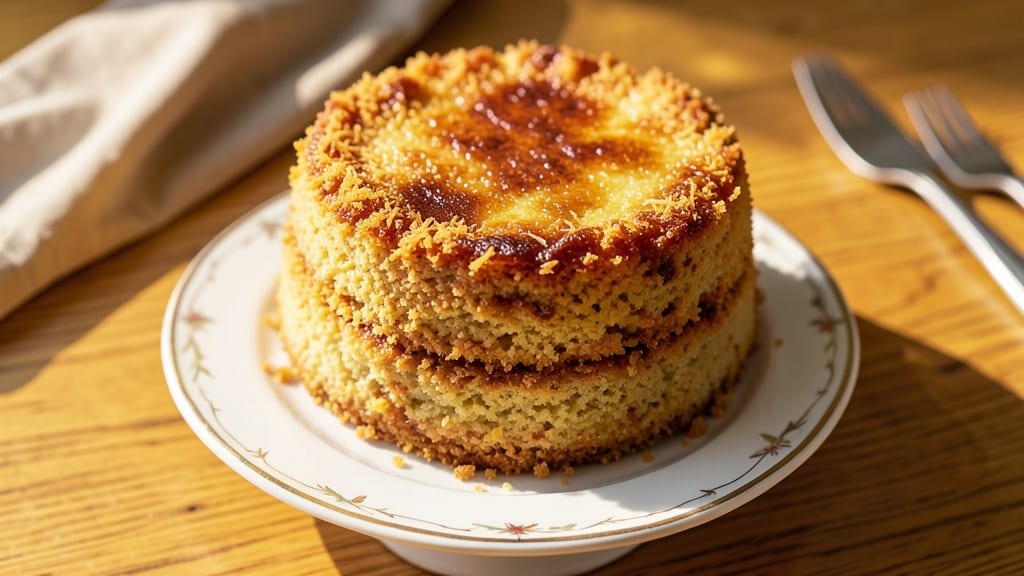
This Ghana cake recipe brings the rich flavors of West Africa to your kitchen with its signature spiced coconut layers and tangy pineapple topping. The secret lies in blending traditional Ghanaian spices with tropical coconut, creating a cake that's both aromatic and deeply satisfying.
My version delivers a moist, fluffy crumb that stays tender for days, making it perfect for celebrations or quiet afternoons with tea.
The beauty of this recipe is its balance—warm cinnamon and nutmeg pair beautifully with coconut's natural sweetness, while the pineapple topping adds a bright contrast that cuts through the richness.
Professional bakers often overlook how room-temperature eggs and properly sifted flour transform texture, so I've included those key details to ensure your cake rises perfectly every time. The result is a dessert that feels both elegant and comforting.
What makes this Ghana cake truly special is how versatile it is—serve it warm with whipped cream for a decadent treat, or at room temperature with a cup of strong Ghanaian tea for the full cultural experience.
The pineapple topping caramelizes slightly during baking, adding a subtle sweetness that enhances each bite. Once you try this recipe, you'll understand why it's a staple at gatherings across Ghana.
For those who love experimenting, I've included variations like adding cocoa powder for a chocolate-infused version or substituting pineapple with mango for a different tropical twist. The method remains the same, proving how adaptable this recipe can be while keeping its signature character intact. Let's get baking!
Ingredients for ghana cake
Pantry staples meet tropical flavors—just a few ingredients transform into Ghana's beloved cake.
| Ingredient | Amount | Notes |
|---|---|---|
| All-Purpose Flour 🌾 | 2 ½ cups | Sifted for light texture |
| Granulated Sugar 🍚 | 2 cups | White or light brown |
| Unsalted Butter 🧈 | 1 ½ cups | Room temperature, full-fat |
| Large Eggs 🥚 | 4 whole | Room temperature, separated |
| Shredded Coconut 🥥 | 1 ½ cups | Sweetened, unsweetened works too |
| Ground Cinnamon 🌿 | 2 tsp | Ceylon preferred for warmth |
| Ground Nutmeg 🌿 | 1 tsp | Freshly grated preferred |
| Baking Powder 🍞 | 2 tsp | Aluminum-free preferred |
| Salt 🧂 | ½ tsp | Fine sea salt preferred |
| Vanilla Extract 🌸 | 1 tbsp | Pure Madagascar preferred |
| Cream of Tartar 🧂 | ¼ tsp | For egg white stability |
| Fresh Pineapple 🍍 | 1 ½ cups | Diced, drained, for topping |
| Pineapple Juice 🍹 | ½ cup | Freshly squeezed preferred |
| Toasted Coconut Flakes 🥥 | ¼ cup | For topping garnish |
The coconut is the heart of this cake. Sweetened shredded gives that classic flavor, but unsweetened plus extra sugar works too. I grab mine from Trader Joe's—it's consistent and affordable. For the spices, Ceylon cinnamon has a more delicate warmth than regular cassia, but either works. Nutmeg should smell fresh—if it's pasty, toss it. The butter? Room temperature is key—microwave 40 seconds if it's cold. And always separate those eggs—room temp whites whip up fluffier.
No sweetened coconut? Unsweetened plus 1 tbsp sugar per cup does the trick. Fresh pineapple is ideal, but canned crushed pineapple (drained well) saves time. Short on vanilla? Almond extract at half the amount adds depth. The cream of tartar stabilizes the egg whites—don't skip it. For a chocolate twist, add 0.5 cup cocoa powder to the dry ingredients. Mango works too—just swap the pineapple topping for diced mango and reduce the juice by 2 tbsp.
This cake keeps beautifully—3 days at room temp in a cake keeper, or 1 week refrigerated. The pineapple topping caramelizes more with time, so it's even better the next day. For serving, I always dust the top with extra coconut flakes—it looks fancy and adds crunch. Leftovers? Slice and toast lightly for a warm treat. Freezes well too—2 months wrapped tightly. Just thaw at room temp before serving.
Why You'll Love This Recipe
- No-Fuss Assembly: Honestly, this isn’t one of those recipes where you have to bake and frost the same day. The cake layers cool completely first, then you just toss together the pineapple topping—simmering juice with fresh chunks—while they chill. My daughter helps with the coconut flakes, and we’re done in 15 minutes flat. The best part? No fancy piping bags or decorating skills required.
- Spiced Coconut Magic: That blend of cinnamon and nutmeg? It’s like a warm hug for your taste buds. The 1½ cups of shredded coconut in the batter gives it a moist, slightly chewy texture, while the toasted coconut flakes on top add that crunch—the kind that makes people ask for seconds. Trust me, the vanilla extract and pineapple topping just tie it all together into something dangerously addictive.
- Crowd-Pleaser for Any Moment: This cake isn’t just for birthdays or holidays—it’s the kind of thing you can pull out for a potluck, a Sunday brunch, or even a weeknight dessert when you’re craving something special. It feeds a crowd (or just you, no judgment) and still tastes homemade. Plus, the pineapple topping makes it feel like a vacation in every bite. Yes, even on a Tuesday night.
Step-by-step instructions for fluffy spiced coconut cake
Here's how to create a tender, spiced coconut cake with a tropical pineapple topping—every layer perfect.
Prepare the Egg Whites for Stability
In a spotlessly clean mixing bowl, beat the 4 large eggs separately, reserving the yolks for later. Add the ¼ tsp cream of tartar to the whites and whip them on medium speed until soft peaks form. Gradually increase to high speed and whip until the meringue is glossy and holds stiff peaks when the beaters are lifted.
This step is critical—cream of tartar stabilizes the egg whites, preventing them from deflating when folded into the batter. You'll know they're ready when the peaks stand straight up without collapsing. Keep the bowl and beaters clean; any trace of fat will prevent proper whipping.
Cream Butter and Sweeteners for Lightness
In a separate large bowl, combine the 1½ cups unsalted butter and 2 cups granulated sugar. Beat on medium-high speed for 4-5 minutes until the mixture is pale, fluffy, and nearly doubled in volume. This process incorporates air, which creates the cake's signature lightness.
Scrape down the sides of the bowl with a spatula to ensure even mixing. The butter should be completely smooth with no lumps, and the mixture should leave a trail when the beaters are lifted. This is your base—don't rush it, or the cake will turn out dense.
Combine Wet and Dry Ingredients Gently
In a medium bowl, sift together the 2½ cups all-purpose flour, 2 tsp baking powder, 2 tsp ground cinnamon, 1 tsp ground nutmeg, and ½ tsp salt. With the mixer on low speed, add the dry ingredients to the butter mixture in three additions, mixing just until combined after each.
Add the 4 egg yolks one at a time, mixing well after each addition. Finally, stir in the 1 tbsp vanilla extract and 1½ cups shredded coconut. The batter should be smooth but slightly thick—this is normal. Fold in the stiffly whipped egg whites in three parts, using a spatula to gently combine. Be careful not to deflate the meringue.
Bake the Cake to Golden Perfection
Preheat your oven to 350°F. Grease and flour two 9-inch round cake pans or line them with parchment paper. Divide the batter evenly between the pans and smooth the tops. Bake for 25-30 minutes, or until a toothpick inserted into the center comes out clean and the edges are lightly golden.
Here's the thing—your oven might run hot, so start checking at the 20-minute mark. Overbaking dries out the cake, so remove it as soon as it passes the toothpick test. Let the cakes cool in the pans for 10 minutes, then transfer to a wire rack to cool completely before assembling.
Assemble with Pineapple Topping
In a small saucepan, combine the ½ cup pineapple juice and 1 tbsp vanilla extract. Bring to a simmer over medium heat and cook for 3-4 minutes until slightly thickened. Remove from heat and stir in the 1½ cups diced fresh pineapple. Let the mixture cool completely.
Once the cakes are fully cooled, place one layer on a serving plate. Spread half of the pineapple mixture evenly over the top, then add the second cake layer. Top with the remaining pineapple mixture and press gently to adhere. Sprinkle the ¼ cup toasted coconut flakes evenly over the top for texture and presentation. Serve at room temperature for the best texture.
Pro Tips For Making Ghana Cake
- Whip Egg Whites Clean: Fat is the egg white’s worst enemy—use a spotless bowl and beaters, and resist the urge to lick the spoon. A single greasy fingerprint will make your meringue collapse like a sad soufflé, so wash everything thoroughly and keep your workspace tidy.
- Butter Needs Time: Room-temperature butter isn’t just a suggestion—it’s non-negotiable for this cake. Cold butter won’t cream properly, and you’ll end up with dense, greasy layers. Pop it in the fridge for 30 minutes if it’s too soft, but never microwave it. (Yes, even if you’re impatient like me.)
- Check at 20 Minutes: Ovens lie. Start testing your cake with a toothpick at 20 minutes, not 25. Overbaking turns this tender cake into a dry brick, and no one wants that. Pull it out when the center’s just almost set—it’ll finish cooking as it cools.
- Toast Coconut First: Skip the pre-toasting step, and your cake’s garnish will just sit there like a sad afterthought. Dry-toast the ¼ cup coconut flakes in a pan over low heat for 2-3 minutes until golden and fragrant. The aroma alone makes the whole cake taste better—trust me.
Regional styles of ghana cake
Classic Ghanaian Spice Fusion
This cake draws inspiration from Ghanaian baking traditions, where warm spices like cinnamon and nutmeg are staples. The Ceylon cinnamon and freshly grated nutmeg I use here are commonly found in West African kitchens, adding that authentic aromatic depth.
The 1:1 cinnamon-to-nutmeg ratio creates a balanced warmth that's both comforting and sophisticated—just like the flavors you'd find in a Ghanaian kitchen. The coconut's natural sweetness complements these spices beautifully, creating a harmony that feels distinctly African yet universally appealing. 🌍
Modern Twist on Traditional
While this cake borrows from Ghanaian baking techniques, it's a modern adaptation that keeps the soul of traditional desserts. The pineapple topping is a nod to tropical influences that have blended into Ghanaian cuisine over time, especially in coastal regions.
I often see similar fruit-topped cakes at local markets, where fresh pineapple is used to balance the richness of coconut. This version maintains that balance while adding a professional touch with the caramelized pineapple glaze. It's a delicious fusion that feels both nostalgic and innovative.
Accra-Inspired Variations
In Accra, you'll find bakeries that serve a similar coconut cake but often with red food coloring for a festive look. For a Ghanaian-inspired twist, add ½ tsp red food coloring to the batter along with the vanilla extract.
Another local favorite is to infuse the coconut with palm wine—just mix 1 tbsp palm wine into the shredded coconut before adding it to the batter. Both variations keep the cake's signature moist texture while adding cultural authenticity.
The palm wine version has a subtle fermented depth that pairs wonderfully with the spices.
Northern Regional Style
Moving north to regions like Tamale, you'll find a different approach where the cake incorporates ginger and cloves for a more complex spice profile. I recommend adding ½ tsp ground ginger and ¼ tsp ground cloves to the dry ingredients alongside the cinnamon and nutmeg.
This creates a warming spice blend that's perfect for cooler months. The ginger adds a subtle kick that contrasts beautifully with the coconut's sweetness, while the cloves provide a deep, aromatic backbone. It's a regional twist that brings out the cake's versatility.
Street Food-Inspired Serving
Ghanaian street food culture often features baked goods served with hot tea or ginger beer. To serve this cake authentically, pair it with a strong cup of Ghanaian tea (often sweetened with condensed milk) or a refreshing glass of ginger beer.
The tea's bitterness cuts through the cake's sweetness, while the ginger beer's effervescence cleanses the palate. For a modern twist, I also love serving it with whipped coconut cream instead of traditional whipped cream—it keeps the tropical theme cohesive.
This serving style makes the cake feel like a true street food treat, ready to enjoy on the go. 🍵
Nutrition facts
Frequently asked questions
Why does this recipe use room-temperature eggs?
Room-temperature eggs blend seamlessly into the batter, creating a smoother texture without forming lumps. The whites whip up fluffier too, which is essential for that light, airy crumb. Just let your eggs sit at room temp for about 30 minutes before using—no need to rush this step!
Can I substitute sweetened shredded coconut for unsweetened?
If you only have unsweetened shredded coconut, just add 1 tablespoon of sugar per 1 cup of coconut to match the sweetness. The cake will still turn out moist and flavorful—no need to adjust other ingredients.
What’s the best way to check if the cake is fully baked?
Insert a toothpick into the center of the cake—if it comes out clean (or with just a few moist crumbs), it’s done! Start checking at 20 minutes since ovens vary. Overbaking dries out the cake, so remove it as soon as it passes the test.
How do I store leftovers without drying them out?
Wrap the cake tightly in plastic wrap or aluminum foil and store it in an airtight container. It keeps beautifully for 3 days at room temperature or up to 1 week refrigerated. For longer storage, freeze it for up to 2 months—just thaw at room temp before serving.
Can I make this cake without a mixer?
Yes! For the butter and sugar step, use a sturdy spoon or spatula to cream them together until light and fluffy—it just takes a bit more elbow grease. The egg whites still need to be whipped to stiff peaks, so a hand mixer or whisk will work fine for that part.