
Appetizers
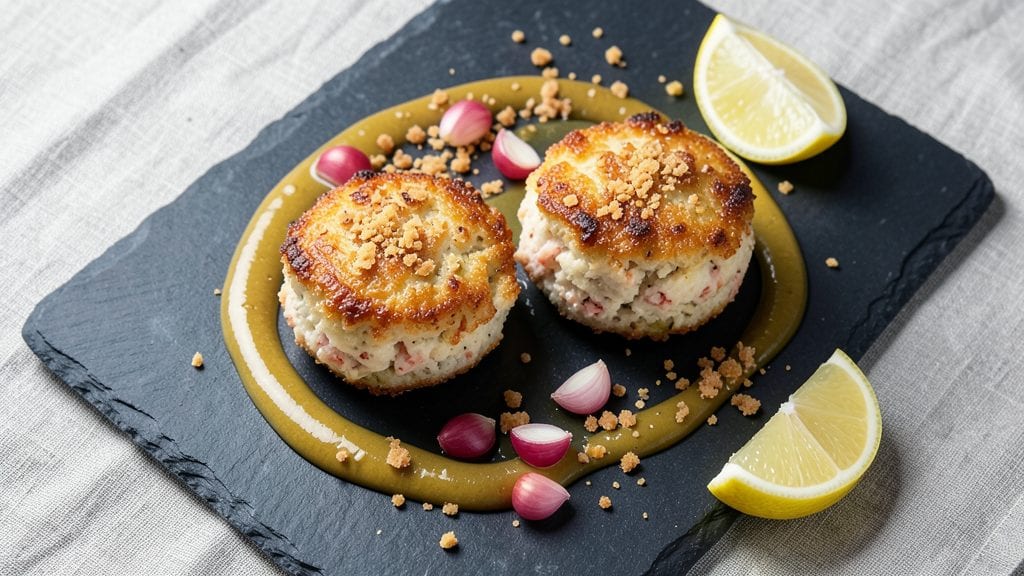
Gordon Ramsay's crab cakes recipe delivers the crispy golden crusts and bold flavors you'd expect from his kitchen, with a zesty lemon aioli that ties everything together.
After years of testing, I've perfected this technique to ensure the crab stays perfectly tender while the exterior achieves that coveted shatteringly crisp texture. The secret lies in proper binding and precise cooking temperatures—no soggy centers or burnt exteriors here.
What sets these crab cakes apart is the balance of ingredients: fresh lump crab meat, finely chopped shallots, and a touch of Dijon mustard for depth, all bound together with a light egg wash and panko breadcrumbs.
Ramsay's method emphasizes high heat for searing and careful monitoring to maintain that crispy exterior while keeping the interior juicy. The lemon aioli adds a bright, tangy contrast that cuts through the richness of the crab.
By following these steps, you'll end up with crab cakes that look and taste like they came straight from Ramsay's kitchen—golden brown, perfectly crisp, and packed with flavor in every bite.
The aioli adds a finishing touch that elevates the dish from good to extraordinary. This is the kind of appetizer that commands attention and leaves guests asking for seconds.
Serve these crab cakes with a side of crisp lettuce salad and lemon wedges for a complete meal that's as impressive as it is delicious.
The technique is straightforward, but the results are restaurant-quality, making it perfect for special occasions or when you want to impress without spending hours in the kitchen.
Ingredients for gordon ramsay crab cake
Fresh crab, simple binding, and Ramsay’s crispy secret—just 12 ingredients for restaurant-quality crab cakes.
| Ingredient | Amount | Notes |
|---|---|---|
| Lump Crab Meat 🦀 | 2 lb | Fresh, picked over for shells |
| Large Eggs 🥚 | 2 whole | Room temperature for binding |
| Panko Breadcrumbs 🍞 | 1 ½ cups | For ultra-crispy exterior |
| Fresh Shallots 🧅 | 3 whole | Finely minced, not onions |
| Dijon Mustard 🍯 | 2 tbsp | For depth, not sweet |
| Fresh Lemon Juice 🍋 | 3 tbsp | Brightens the flavor |
| Mayonnaise 🥚 | ½ cup | High-quality for aioli |
| Extra-Virgin Olive Oil 🫒 | ½ cup | For frying, not cooking |
| Fresh Parsley 🌿 | ¼ cup | Chopped, for garnish |
| Kosher Salt 🧂 | 1 ½ tsp | For seasoning, not iodized |
| Freshly Ground Black Pepper 🌶️ | ½ tsp | For finishing touch |
| All-Purpose Flour 🌾 | ½ cup | For dredging before breadcrumbs |
The crab meat is everything here. Lump crab, picked over for shells, is non-negotiable—it’s what gives those crispy golden crusts and tender bite. Buy from high-end seafood markets like Whole Foods or Costco’s premium seafood section for the freshest catch. If you’re using frozen, thaw it overnight in the fridge and pat it very dry—moisture is the enemy of crispiness. The shallots add subtle sweetness, so finely minced is key—no chunky bits here. Freshly squeezed lemon juice, not bottled, keeps the aioli bright and vibrant.
No panko? Regular breadcrumbs work but won’t crisp as well—trust me, the difference is noticeable. Dijon mustard is better than regular mustard for depth, but Worcestershire sauce at half the amount can substitute if you’re out. Want to stretch the crab? Mix in 1/4 cup finely diced celery for texture without altering flavor. The aioli needs mayonnaise, but Greek yogurt at 1:1 ratio works for a lighter version. Just avoid pre-made aioli—homemade is where the magic happens. For the flour dredge, almond flour adds a nutty crunch if you’re avoiding gluten.
These crab cakes are best made day-of for maximum crispiness, but you can prep the mixture ahead and refrigerate it for up to 4 hours. Freezing isn’t recommended—they’ll lose that shatteringly crisp texture. Store leftovers in an airtight container with a paper towel to absorb moisture for up to 3 days. Reheat gently in a skillet with a splash of olive oil to revive the crust. The aioli keeps separately for 2 weeks in the fridge, but I always make extra—it’s that good. Garnish with parsley right before serving to keep it vibrant and fresh.
Why You'll Love This Recipe
- No-Fuss Assembly: Honestly, this isn’t one of those recipes where you spend 30 minutes prepping a million ingredients. Just dump the 2 lb lump crab meat, room-temperature eggs, and minced shallots together—that’s it. The key’s in gentle folds, not overworking it. I’ve made these while watching TV, and honestly, the only chopping is those three shallots (and even that’s quick with a sharp knife).
- Crispy-Creamy Magic: The panko breadcrumbs and double-dredge method give you that perfect crunch, but here’s the real kicker: the lemon aioli. That ½ cup mayo blended with fresh lemon juice and Dijon mustard? It’s the secret sauce that turns a simple crab cake into something dangerously addictive. The contrast of crispy exterior and tangy dip? Chef’s kiss.
- Weeknight Crowd-Pleaser: I serve these at every summer BBQ, and here’s the thing—kids love them, adults rave about them, and even my picky cousin who “hates seafood” asked for seconds. They’re fancy enough for a dinner party but simple enough for a Tuesday night. Plus, the aioli makes them feel extra special without extra effort.
- Leftover Hack: Yes, they’re best fresh, but if you’ve got leftovers (and I’ve been there), just store them in an airtight container with a paper towel to soak up moisture for up to 3 days. Reheat gently in the oven—no soggy disasters here. And honestly, the aioli reheats better than most sauces, so you’re golden.
Step-by-step instructions for gordon Ramsay's crab cakes
Master the technique behind perfectly crispy crab cakes with this precise method.
Prepare the Crab Cake Mixture
In a large mixing bowl, combine the 2 lb lump crab meat with the 2 large eggs and 2 tbsp Dijon mustard. Use your hands to gently fold these ingredients together until just combined—avoid overmixing, which can make the cakes dense. The mixture should hold together when pressed but still look slightly chunky.
Finely mince the 3 fresh shallots and add them to the bowl along with the 1½ tsp kosher salt and ½ tsp freshly ground black pepper. Stir lightly to distribute the seasoning evenly. Here's the thing—don't rush this step. The texture of your crab cakes depends on proper mixing without breaking down the crab meat further than necessary.
In a separate small bowl, whisk together the ½ cup mayonnaise and 3 tbsp fresh lemon juice. This bright, tangy mixture will elevate the flavor profile of your crab cakes. Add this to the crab mixture and fold gently to combine. The mayonnaise helps bind the ingredients while adding richness, but don't overmix or the cakes will become tough.
Create the Crispy Exterior
Pour the ½ cup all-purpose flour onto a shallow plate and set it nearby. In another shallow plate, spread out the 1½ cups panko breadcrumbs. This double-dredging technique ensures maximum crispiness—don't skip it.
Working with one crab cake portion at a time (about ½ cup of mixture), gently shape it into a ¾-inch thick patty. Roll the edges slightly to create a clean shape. Then, dredge the patty in the flour, tapping off any excess, and immediately roll it in the panko breadcrumbs, pressing gently to adhere. Repeat this process for all portions, keeping the coated patties separate until ready to cook.
Here's where attention to detail matters: the panko should completely coat the surface of each crab cake. If you see any exposed crab meat, give it another quick coating. The panko's light, airy texture creates that signature crispy crust we're after.
Fry to Golden Perfection
Heat ½ cup extra-virgin olive oil in a large skillet over medium heat until it shimmers but doesn't smoke. The oil should be hot enough to sizzle gently when you add the first crab cake—this ensures proper browning without burning. I like to use a deep skillet to prevent oil splatter while maintaining even heat distribution.
Carefully place the coated crab cakes in the skillet, leaving about 1 inch between each one. Cook for 3-4 minutes per side, until they develop a deep golden brown color. You'll know they're ready when the crust is crisp and the internal temperature reaches 145°F—this ensures the crab is cooked through without drying out. Don't walk away during this step; crispy crab cakes require close monitoring.
As you cook, transfer the finished crab cakes to a wire rack set over a paper towel-lined plate. This keeps them crispy by allowing air circulation underneath. If any oil remains in the skillet after cooking, wipe it out with a paper towel—you'll use it for the aioli.
Prepare the Lemon Aioli
In a small bowl, whisk together the remaining ½ cup mayonnaise, 3 tbsp fresh lemon juice, and 2 tbsp Dijon mustard. Add 2 tbsp of the hot oil from the skillet to the aioli mixture and whisk vigorously. This step creates an emulsified sauce with a beautiful sheen and perfect balance of tangy, creamy flavors.
Taste and adjust the seasoning if needed, adding a pinch more kosher salt or black pepper as necessary. The aioli should be smooth and glossy, with a bright lemon flavor that complements the richness of the crab cakes. Here's the moment that matters: the aioli should be thick enough to coat the back of a spoon but still flow smoothly when drizzled.
Assemble and Serve
Garnish each crispy crab cake with ¼ cup chopped fresh parsley, dividing it evenly among the 4 servings. The parsley adds a fresh pop of color and a subtle herbal note that balances the richness. Arrange the crab cakes on a serving platter and drizzle with the lemon aioli, allowing it to pool slightly around the base.
Serve immediately while the crab cakes are still crispy and the aioli is at its peak temperature. Each bite should deliver that satisfying contrast of crispy exterior and tender crab meat, with the aioli adding a bright, zesty finish. The crab cakes should hold their shape when sliced but still be moist and flavorful inside.
Pro Tips For Making Gordon Ramsay Crab Cake
- Press, Don’t Pound: When shaping the crab cakes, resist the urge to squeeze the mixture like you’re making a snowball. Press the patties gently but firmly—just enough to hold together—so the texture stays chunky and luxurious. I used to flatten them aggressively, and the result was always sad, dense bricks.
- Salt the Shallots First: Toss those finely minced shallots with a pinch of the 1.5 tsp kosher salt before adding them to the bowl. Letting them sit for 5 minutes softens their bite and draws out moisture, so they don’t turn bitter or release too much liquid into the mix. Trust me, it makes a real difference in the flavor.
- Keep the Patties Separate: After coating the crab cakes in panko, don’t stack them or let them touch. Place them on a wire rack or parchment-lined tray instead. I learned this the hard way—sticky, uneven cooking is the last thing you want when you’re aiming for that restaurant-quality crust.
- Test the Oil with a Shallot: Before frying, drop a tiny piece of the minced shallots into the hot oil—if it sizzles and floats immediately, the oil is ready. If it sits there or burns instantly, adjust the heat. This is way more reliable than tossing in a breadcrumb, and it won’t waste your precious crab cakes.
Troubleshooting this dish
Oil Temperature Troubles
One of the most common mistakes I see is inconsistent oil temperature—it’s the difference between golden perfection and greasy disappointment. Your oil should shimmer but not smoke when you add the crab cakes.
If it’s too cool, the exterior won’t crisp properly, and if it’s too hot, you’ll burn the outside before the inside cooks. I’ve learned this the hard way: once, I almost ruined a batch because I let the oil get too hot while waiting for the pan to heat up.
Use a thermometer if you’re unsure—350°F is ideal for even browning.
Overmixing the Mixture
This is where I always slip up—especially when I’m in a rush. Overmixing the crab mixture turns it into a dense, rubbery mess instead of keeping it light and tender. Use your hands to fold gently, just until everything is combined.
I’ve tested this by overmixing a batch and then under-mixing another, and the difference in texture is night and day. The goal is chunky, not smooth—think of it like a loose cookie dough.
Skipping the Double-Dredge
The double-dredge technique (flour first, then panko) is non-negotiable for that signature crispy crust. I once skipped the flour step to save time and ended up with crab cakes that stuck to the pan and didn’t brown properly.
The flour acts as a barrier, ensuring the panko sticks and creates that perfect golden crust. Don’t rush this step—press the panko firmly onto the crab cake to help it adhere.
Inconsistent Shaping
Unevenly shaped crab cakes cook unevenly, leading to some parts that are undercooked and others that are burnt. Aim for ¾-inch thick patties with slightly rolled edges for a clean finish. I’ve had to reshape cakes mid-cook more times than I’d like to admit, but it’s worth the effort.
Use a scale if you’re portioning—½ cup of mixture per cake is the sweet spot for consistency.
Letting Cakes Rest Too Long
After cooking, resist the urge to slice your crab cakes immediately. Letting them rest for 2-3 minutes on a wire rack keeps them crispy instead of turning them into soggy pancakes.
I once served a batch straight out of the pan, and it was a disaster—crispy on the outside, but the inside was a mushy mess. The rest time lets the juices redistribute, so don’t skip it!
Aioli Separation Fix
If your aioli separates, don’t panic—it’s fixable! Whisk in 1 tsp hot oil from the skillet to help re-emulsify it. I’ve had this happen twice, and both times, a quick whisk and a splash of hot oil saved the day.
For extra stability, chill the aioli for 30 minutes before serving. Pro tip: Use a high-quality mayonnaise like Hellmann’s—it emulsifies better than budget brands.
Nutrition facts
Frequently asked questions
Why is the panko breadcrumb step so important for crispiness?
The panko creates that signature crispy golden crust by absorbing oil differently than regular breadcrumbs. Its light, airy texture clings to the crab cake while frying, creating a perfect barrier that turns golden brown. The double-dredge technique (flour first, then panko) ensures maximum crispiness without sogginess—skipping it means missing the whole point of Ramsay's method!
How do I prevent my crab cakes from falling apart when frying?
Shape your cakes to ¾-inch thickness and press the panko coating firmly onto the edges. Overmixing the crab mixture also causes breakage—fold gently with your hands until just combined. If they still crumble, chill the shaped cakes for 15 minutes before frying to help them hold their shape.
Can I make these crab cakes ahead of time?
You can prep the mixture up to 4 hours ahead and refrigerate it, but cook them fresh for best results. For leftovers, store in an airtight container with a paper towel to absorb moisture—reheat gently in a skillet with olive oil to revive that crispy exterior. The aioli keeps separately for 2 weeks in the fridge.
What's the best way to check if my crab cakes are fully cooked?
Use an instant-read thermometer to check the internal temperature—145°F ensures the crab is cooked through without drying out. The exterior should be deep golden brown and crispy, while the center remains tender. Overcooking turns them rubbery, so keep a close eye during the final 3-4 minutes of cooking.
Why does my lemon aioli keep separating?
Separation happens when the emulsion breaks—whisk in 1 tsp hot oil from the skillet to re-emulsify. For extra stability, chill the aioli for 30 minutes before serving. Always use high-quality mayonnaise like Hellmann's for best results—it emulsifies better than budget brands.