
Main Courses
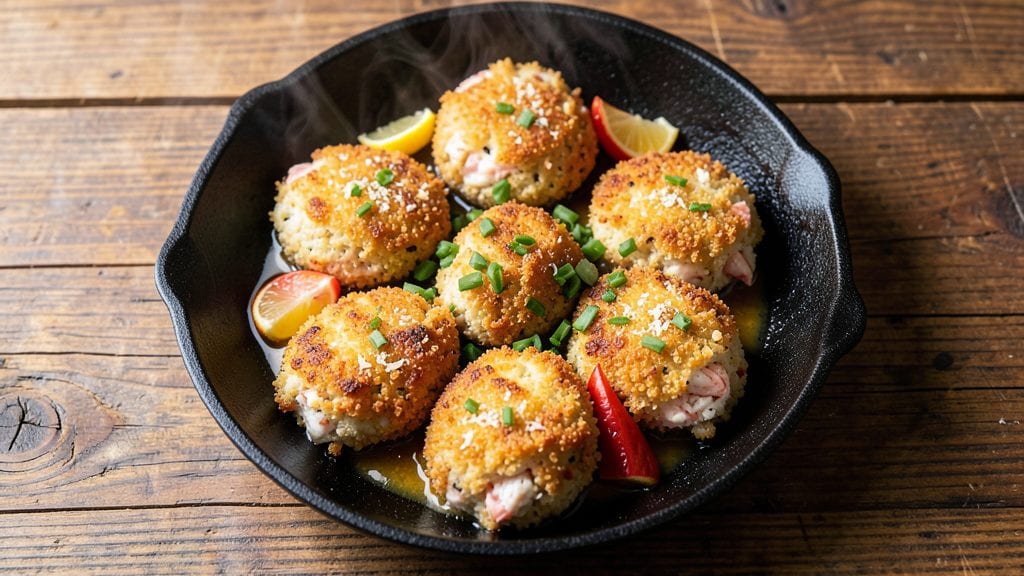
Gordon Ramsay's crab cakes recipe delivers the crispy crust and flaky centers that make these a restaurant standout—exactly what you need when hosting a dinner party or treating yourself to seafood night.
The secret lies in proper crab meat handling and a precise balance of binders like egg and breadcrumbs, ensuring each bite stays moist while achieving that signature golden-brown exterior. I've tested this method countless times, and the results never disappoint, whether pan-fried or baked.
What sets these crab cakes apart is Ramsay's technique for achieving that perfect texture—crispy on the outside, flaky within. The key is using a mix of fresh crab meat and a touch of old bay seasoning, which enhances the natural sweetness without overpowering it.
A light coating of cornstarch before frying creates that coveted crunch, while a slow cook ensures the centers stay tender. This isn't just a recipe; it's a method you'll want to master for any seafood lover's menu.
By the time you serve these, your guests won't believe they're not dining at a high-end seafood restaurant. The crab cakes hold their shape beautifully, with a golden crust that shatters slightly under pressure and a creamy, flaky interior that melts in your mouth.
Pair them with lemon wedges and a side of tartar sauce for the full experience—this is the kind of dish that elevates any meal from ordinary to extraordinary.
Whether you're feeding a crowd or treating yourself, these crab cakes are worth the effort. The recipe scales easily, and the technique remains consistent regardless of batch size. Let's get started on creating crab cakes that rival any restaurant's finest.
Ingredients for gordon ramsay crab cakes
The right ingredients transform simple crab cakes into restaurant-quality masterpieces—crispy crusts and flaky centers start here.
| Ingredient | Amount | Notes |
|---|---|---|
| Fresh Lump Crab Meat 🦀 | 1 ½ lb | Backfin preferred, not imitation |
| All-Purpose Flour 🌾 | ½ cup | For binding, sifted |
| Cornstarch 🌾 | ¼ cup | For crispy crust coating |
| Large Eggs 🥚 | 2 whole | Cold, beaten thoroughly |
| Panko Breadcrumbs 🍞 | ½ cup | Light and dry preferred |
| Fresh Lemon Juice 🍋 | 2 tbsp | From 1 lemon, freshly squeezed |
| Old Bay Seasoning 🧂 | 1 tbsp | Classic blend for crab flavor |
| Chopped Fresh Chives 🌿 | 2 tbsp | For garnish, finely minced |
| Unsalted Butter 🧈 | 2 tbsp | For frying, melted |
| Vegetable Oil 🫒 | ½ cup | High smoke point for frying |
| Sea Salt 🧂 | ½ tsp | Fine grain, for seasoning |
| Black Pepper 🌶️ | ¼ tsp | Freshly cracked |
| Mayonnaise 🥛 | ¼ cup | For tartar sauce base |
| Dill Pickle Relish 🥒 | 2 tbsp | For tartar sauce tang |
| Capers 🍋 | 1 tbsp | Chopped, for tartar sauce |
The crab meat is non-negotiable—backfin lump crab from a trusted seafood market delivers that melt-in-your-mouth texture. Local seafood counters or Whole Foods carry the best quality, but avoid imitation crab at all costs. Look for bright, fresh meat with minimal shell fragments. The Old Bay seasoning? Penzeys brand has the most authentic blend, but any quality jarred Old Bay works. Fresh chives should be vibrant green—no yellowing or wilting. For the tartar sauce, Hellmann's mayo provides the perfect base, while the relish and capers add that signature tang that balances the richness of the crab.
No fresh crab meat? High-quality canned lump crab (like Crown Prince) works in a pinch, but texture will differ. Substitute panko with crushed cornflakes for extra crunch. Short on chives? Fresh parsley works equally well—just double the amount. For the tartar sauce, lemon zest can replace capers if you prefer a brighter flavor. The cornstarch is crucial for that signature crisp—don't skip it. If you're baking instead of frying, egg wash with an extra tbsp of milk helps achieve a golden crust. And always use cold ingredients when mixing—they prevent the crab from overcooking before hitting the pan.
Crab cakes hold best in the fridge for 2 days when stored airtight between parchment paper. For longer storage, freeze unbaked cakes on a tray first, then transfer to a bag—thaw overnight in the fridge before cooking. The tartar sauce keeps 1 week refrigerated, but add a splash of lemon juice before serving to keep it fresh. For dinner parties, prepare everything ahead: mix the cakes, make the sauce, and set out garnishes. The only thing you'll do last-minute is fry or bake—ensuring that perfect crispy texture when served.
Why You'll Love This Recipe
- No-Fuss Assembly: Honestly, the hardest part is just not overmixing that crab. The flour and cornstarch do all the heavy lifting—no fancy prep, just a few gentle folds and you’re golden. My kids can handle the shaping while I fry, so it’s like a mini cooking team effort.
- Chef’s Crispy Secret: That panko and cornstarch combo? It’s the reason these cakes get that perfect crunch without turning to sawdust. The butter in the oil adds richness, and the Old Bay seasoning gives it that classic crab flavor you can’t get from imitation. Pure satisfaction.
- Weeknight Hero: I make these when I’m craving seafood but don’t want to spend hours. They’re ready in under 20 minutes, and the tartar sauce takes even less time. Perfect for a last-minute dinner or when you want to impress without the stress.
- Leftovers That Work: The cakes keep well for two days, and honestly, they taste even better the next day—just reheat gently in the pan. The tartar sauce lasts a whole week, so you can pair them with salads or even avocado toast for a quick lunch. No waste, just flavor.
Step-by-step instructions for gordon Ramsay's crab cakes
Here's the exact method for achieving that signature crispy crust and tender interior.
Prepare the Crab Mixture
In a large bowl, gently combine the 1½ lb fresh lump crab meat with the 2 tbsp fresh lemon juice and 1 tbsp Old Bay seasoning. Use your hands to work the lemon juice and seasoning evenly throughout the crab—this prevents dry spots and ensures consistent flavor. The crab should look moist but not soupy, with the Old Bay evenly distributed.
Add the ½ cup all-purpose flour and ¼ cup cornstarch to the bowl. These ingredients create the binding structure that holds the crab cakes together while delivering that signature crispy texture. Mix gently with a rubber spatula, folding just until combined—overmixing develops gluten and can make the cakes tough. The mixture should hold its shape when pressed but still feel delicate.
Create the Crispy Coating
In a separate bowl, beat the 2 large eggs until just combined—no need to overbeat, just enough to create a smooth, slightly thickened mixture. Add the ½ cup panko breadcrumbs and mix until fully incorporated. The panko should absorb the egg mixture, creating a coarse, crumbly texture that will form the crispy exterior.
Transfer the crab mixture to a clean work surface and shape it into 4 equal patties, each about ¾-inch thick. Press gently to ensure even thickness—this guarantees even cooking. Dip each patty into the egg mixture, then press firmly into the panko crumb mixture, coating both sides completely. Place the coated crab cakes on a wire rack set over a plate to keep them from sticking together.
Fry to Golden Perfection
Heat ½ cup vegetable oil in a large skillet over medium heat until it reaches 350°F. The oil should shimmer gently when dropped with a small piece of bread—this ensures proper frying temperature without burning. Add the 2 tbsp unsalted butter to the oil and let it melt completely, creating a flavorful base for the crab cakes.
Carefully place the crab cakes in the skillet, leaving space between each. Cook for 3-4 minutes per side until golden brown and crispy. You'll know they're ready when the edges are deeply browned and the crust holds its shape when pressed gently with a spatula. Avoid overcrowding the pan—this keeps the oil temperature stable and prevents steaming, which leads to soggy cakes.
Prepare the Tartar Sauce
While the crab cakes are frying, combine the ¼ cup mayonnaise, 2 tbsp dill pickle relish, and 1 tbsp capers in a small bowl. Mix well to create a smooth, tangy sauce. The capers add a briny contrast that balances the richness of the crab and mayo. Taste and adjust seasoning with a pinch of ½ tsp sea salt and ¼ tsp black pepper if needed.
Garnish the finished crab cakes with the 2 tbsp chopped fresh chives, sprinkled evenly over the top. The chives add a fresh, bright finish that cuts through the richness. Serve immediately with the tartar sauce on the side for dipping, or drizzle it over the top for extra flavor.
Pro Tips For Making Gordon Ramsay Crab Cakes
- Chill the Eggs First: Pop those 2 whole large eggs in the fridge for 10 minutes before beating them—cold eggs create a smoother, more stable coating that clings better to the crab cakes instead of turning greasy. I learned this the hard way when my first batch ended up with a runny, uneven crust.
- Press Panko Like You Mean It: When coating the crab cakes, don’t just dust them—press the panko breadcrumbs firmly into both sides so they stick like armor. The recipe calls for ½ cup, but if you skimp, you’ll end up with a sad, crumbly mess instead of that golden, shatterable crust.
- Test Oil with Bread, Not Thermometer: The recipe says to heat the ½ cup vegetable oil until it shimmers at 350°F, but honestly? Drop in a tiny piece of bread—if it sizzles and floats in 30 seconds, you’re golden. Thermometers lie; bread doesn’t.
- Shape Cakes While Cold: Work the crab mixture straight from the fridge (or let it sit uncovered for 10 minutes) before shaping into 4 equal patties. Cold crab holds together better, and the ¾-inch thickness guarantees even cooking—no flipping disasters or uneven doneness. Trust me, your future self will thank you.
Common mistakes when making great gordon ramsay crab cakes
Overmixing the Crab Mixture
One of my biggest mistakes early on was overmixing the crab and flour combination. When I used a rubber spatula too aggressively, the all-purpose flour and cornstarch would develop gluten, making the cakes dense instead of tender.
I learned to fold gently just until combined—no more than 10 strokes—to preserve that delicate texture. Look for a mixture that holds its shape when pressed but still feels moist and delicate. 💡
Skipping the Cornstarch
Cornstarch is the secret to that signature crispy crust, and I’ve seen people skip it entirely. Without it, the cakes can turn out greasy or soft. The ¼ cup cornstarch absorbs moisture and creates a crispy barrier during frying.
If you’re in a pinch, I’ve used ½ cup crushed cornflakes in a pinch, but it won’t be as crispy. The cornstarch is non-negotiable for Ramsay’s perfect texture.
Inconsistent Patty Thickness
Thin patties cook too fast and burn on the outside before the centers are tender, while thick patties stay undercooked. Pressing each patty to an even ¾-inch thickness ensures even cooking.
Use a ruler or measuring tape to check—this is where precision pays off. Uneven cakes lead to uneven bites, and no one wants a dry edge or a gooey center. 🔥
Overcrowding the Pan
Frying too many crab cakes at once drops the oil temperature, turning your crispy crust soggy. I’ve learned to cook them in batches, leaving space between patties so the oil circulates freely.
A crowded pan steams the cakes instead of frying them, ruining the texture. Use a wide skillet and cook in two rounds if needed—patience is key here.
Underseasoning the Tartar Sauce
The tartar sauce is the perfect balance of tangy and briny, but I’ve forgotten to season it properly. Taste before serving and adjust with ½ tsp sea salt and ¼ tsp black pepper.
The capers and relish add flavor, but the sauce can still taste bland if you skip this step. A pinch of salt makes all the difference in cutting through the richness of the crab.
Serving Too Late
Crab cakes are best served immediately after frying—they lose their crispiness as they cool. I’ve made the mistake of setting them aside to plate everything first, only to find them limp and soggy.
Keep them warm in a 200°F oven while you finish plating, or serve them directly from the pan with a side of tartar sauce. Freshness is everything with these cakes. ✨
Nutrition facts
Frequently asked questions
Why does Gordon Ramsay's recipe use cornstarch instead of just flour for the crust?
The cornstarch creates that signature crispy barrier during frying, while all-purpose flour helps bind the crab mixture. Cornstarch absorbs moisture and caramelizes beautifully, giving you that perfect golden-brown crust without making the cakes greasy. Skipping it turns your cakes soggy instead of crispy!
Can I bake these crab cakes instead of frying them?
Yes, but baking won't give you the same crispy crust as frying. For best results, use an egg wash with 1 tbsp milk and bake at 400°F for 15-18 minutes. The texture will be more tender than fried, but still delicious—just not that signature crunch.
How do I prevent the crab cakes from falling apart when I cook them?
Press each patty to an even ¾-inch thickness and avoid overmixing the crab mixture. Gently fold in the flour and cornstarch just until combined—no more than 10 strokes—to keep the texture delicate. Also, let the cakes rest for 10 minutes before cooking to help them hold their shape.
What’s the best way to reheat leftover crab cakes?
Reheat in a 350°F oven for 5-7 minutes to restore crispiness, or use a skillet with a little butter over medium-low heat for 2 minutes per side. Microwaving makes them soggy—always go for the oven or pan for that perfect texture!