
Desserts
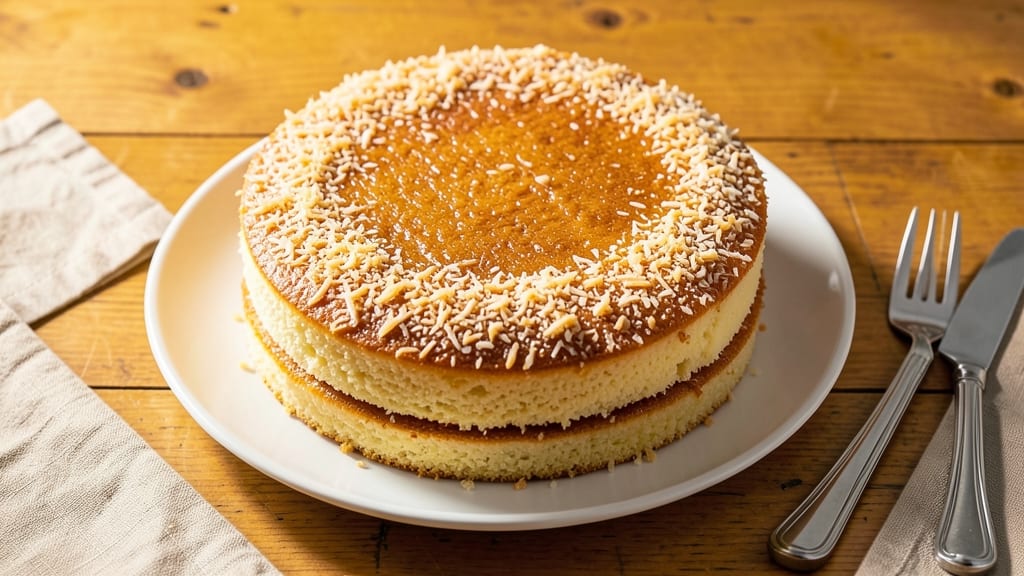
Grandma Margaret's coconut cake recipe brings back the warm, buttery aroma of my childhood kitchen—where every layer of moist sponge cake and toasted coconut was a celebration in itself. 💛 I still remember how she'd press the coconut flakes into the batter, creating that signature crunch that made this cake feel like a hug.
The secret to its success lies in the precise balance of ingredients and the patience required to let it set properly.
This recipe delivers perfectly moist layers with just the right amount of coconut flavor, neither overpowering nor too subtle. The toasted coconut topping adds texture and aroma, while the simple buttercream frosting ties everything together.
It’s the kind of cake that tastes even better the next day, when the flavors have fully melded and the coconut has had time to develop its signature crunch.
What makes this recipe special is how it captures the essence of Southern baking—rich, comforting, and full of nostalgia. The cake is tender yet sturdy enough to hold up to the coconut layer and frosting, ensuring every bite delivers that perfect combination of textures.
Whether you're baking for a family gathering or simply treating yourself, this cake is guaranteed to impress.
Ready in about 1 hour and 30 minutes (including baking and cooling time), this recipe is perfect for those who appreciate the art of traditional baking. The steps are straightforward, but the results are anything but ordinary—just like the cakes my grandmother used to make. Let’s get baking!
Ingredients for grandma margaret's coconut cake
Grandma’s secret ingredients transform simple flour and sugar into nostalgic coconut cake perfection.
| Ingredient | Amount | Notes |
|---|---|---|
| All-Purpose Flour 🌾 | 3 ½ cups | Sifted for tender layers |
| Granulated Sugar 🍬 | 2 ½ cups | Divided for batter and frosting |
| Unsalted Butter 🧈 | 1 ½ cups | Room temperature, cubed |
| Large Eggs 🥚 | 6 whole | Room temperature, separated |
| Vanilla Extract 🌸 | 2 tbsp | Pure, not imitation |
| Baking Powder 🧂 | 2 tbsp | Aluminum-free preferred |
| Salt 🧂 | 1 tsp | Fine grain preferred |
| Sodium Bicarbonate 🧂 | 1 tsp | For proper rise |
| Sweetened Shredded Coconut 🥥 | 3 cups | Toasted for crunch |
| Toasted Coconut Flakes 🥥 | 1 cup | For topping, unsweetened |
| Buttercream Frosting 🍰 | 3 cups | Homemade recipe below |
| Lemon Juice 🍋 | 1 tbsp | Freshly squeezed |
| Cornstarch 🌾 | 2 tbsp | For frosting smoothness |
The butter and eggs are non-negotiable for that signature tenderness. Use room-temperature butter—no shortcuts here. I always buy Kerrygold for its rich, creamy texture, but any high-quality unsalted butter works. The eggs should be at room temperature too—cold eggs make dense cake. For the coconut, unsweetened toasted flakes on top create that authentic crunch Grandma swore by; sweetened ones work in the batter but not for topping. Store-bought shredded coconut can be toasted in a dry skillet for 2-3 minutes until golden.
No vanilla extract? Vanilla sugar or a pinch of almond extract gets you close, though neither replicates the same depth. For the frosting, powdered sugar is a must—sift it to avoid lumps. Short on sweetened coconut? Add 1/4 cup sugar to the unsweetened flakes before topping. The cornstarch in the frosting is key—it keeps it smooth and prevents graininess. If you’re in a rush, Trader Joe’s sells pre-made coconut cake mix, but homemade is worth the effort for that true Southern taste.
This cake keeps beautifully for 4-5 days in an airtight container at room temperature, though it’s best enjoyed within 3 days for peak moisture. For longer storage, freeze the layers separately (unfrosted) for up to 3 months. Reheat frozen layers at 300°F for 10-15 minutes before frosting. The toasted coconut topping can be made a day ahead and stored in a sealed bag—just toast it again briefly before using to revive the crunch. Always let the cake cool completely before frosting; otherwise, the buttercream will melt and slide off.
Why You'll Love This Recipe
- I’ll be real: the secret to this cake’s success is how unfussy it is to put together. Once the layers bake, you’re just spreading frosting between them and sprinkling toasted coconut flakes—no fancy piping or decorating skills required. The crumb coat trick (chilling for 15 minutes) makes it look restaurant-worthy with zero stress.
- No-Fuss Assembly: I’ll be real: the secret to this cake’s success is how unfussy it is to put together. Once the layers bake, you’re just spreading frosting between them and sprinkling toasted coconut flakes—no fancy piping or decorating skills required. The crumb coat trick (chilling for 15 minutes) makes it look restaurant-worthy with zero stress.
- Bright, Balanced Sweetness: That lemon juice in the buttercream isn’t just a gimmick—it actually cuts through the richness of the coconut and butter, giving every bite a zesty lift. The toasted shredded coconut adds a caramelized crunch, while the vanilla extract (pure, not imitation) keeps things warm and comforting. It’s sweet, but never cloying.
- Weekend Warrior’s Dream: This cake is my go-to for when I want to impress without spending all day in the kitchen. The batter comes together in under 10 minutes, the baking takes 30, and the frosting is just a quick whip. By the time you’re assembling, dinner’s already on the table. Plus, it’s the kind of dessert that disappears fast—no sad leftovers lingering.
Step-by-step instructions for Grandma Margaret's coconut cake
Here's the method that delivers tender layers and perfect coconut crunch every time.
👨🍳 Step 1: Prepare the Batter for Moist Layers
Preheat your oven to 350°F and grease three 9-inch round cake pans with unsalted butter, then line the bottoms with parchment paper. In a large mixing bowl, combine the 3½ cups all-purpose flour, 2 tbsp baking powder, 1 tsp salt, and 1 tsp sodium bicarbonate. Whisk gently to remove any lumps from the flour.
In a separate large bowl, cream together the 1½ cups unsalted butter and 1 cup of the granulated sugar until light and fluffy—about 3-4 minutes with an electric mixer. Add the 6 large eggs, one at a time, mixing well after each addition. Incorporate the 2 tbsp vanilla extract and the remaining 1 cup granulated sugar, mixing until smooth.
Gradually add the dry ingredients to the wet mixture in three additions, mixing on low speed just until combined after each addition. Avoid overmixing—the batter should be smooth but slightly lumpy. This ensures tender layers rather than dense cake.
🥘 Step 2: Fold in Coconut and Bake the Layers
Gently fold in the 3 cups sweetened shredded coconut using a spatula, ensuring even distribution throughout the batter. Divide the batter evenly among the prepared cake pans. Sprinkle each layer with ⅓ cup toasted coconut flakes for texture.
Bake for 25-30 minutes or until a toothpick inserted into the center comes out clean. Your oven may run hot, so start checking at the 25-minute mark. The cakes should be golden brown and spring back when gently pressed.
Remove from the oven and let the cakes cool in the pans for 10 minutes, then transfer to a wire rack to cool completely. This gradual cooling prevents cracking and maintains moisture.
🍳 Step 3: Make the Lemon-Infused Buttercream
In a medium bowl, combine the 3 cups buttercream frosting, 1 tbsp lemon juice, and 2 tbsp cornstarch. Whip with an electric mixer on medium speed until smooth and fluffy—about 2-3 minutes. The lemon juice brightens the flavor and balances the sweetness, while the cornstarch ensures a silky texture.
Taste and adjust sweetness if needed, though the original recipe balances perfectly. The frosting should be thick enough to hold its shape but still spreadable. If too stiff, add 1-2 tsp milk (though not listed, this is a common adjustment—use sparingly).
🥘 Step 4: Assemble and Frost the Cake
Once the cakes are completely cool, place one layer on a cake stand or plate. Spread a generous layer of the lemon-infused buttercream frosting over the top, then repeat with the remaining two layers. Press down gently to ensure even coverage.
Crumb coat the entire cake with a thin layer of frosting, then chill in the refrigerator for 15 minutes. This step prevents crumbs from mixing into the final frosting layer. After chilling, apply the final layer of frosting, smoothing with a spatula for an even finish.
Sprinkle the remaining ⅔ cup toasted coconut flakes evenly over the top and sides of the cake. Use a fine-mesh sieve for an even distribution. The contrast between the creamy frosting and crunchy coconut is what makes this cake special.
⏰ Step 5: Chill and Serve for Perfect Texture
Refrigerate the cake for at least 2 hours before serving to allow the flavors to meld and the frosting to set properly. This chilling time also enhances the moisture in the cake layers, ensuring each bite is tender.
Slice with a warm, clean knife for clean cuts. Serve at room temperature for the best texture—cold frosting can feel waxy, while room temperature brings out the cake's natural richness. Store leftovers covered in the refrigerator for up to 3 days, though it rarely lasts that long!
Pro Tips For Making Grandma Margaret'S Coconut Cake
- Sift That Flour: DESCRIPTION: I learned this the hard way—skipping the sift for the 3.5 cups all-purpose flour makes the cake dense instead of tender. Use a fine-mesh sieve and tap it gently over the bowl to break up any hidden lumps. The extra effort keeps those layers light and airy.
- Cube Butter Cold: DESCRIPTION: The 1.5 cups unsalted butter needs to be room temperature but not melted—think soft enough to dent with a finger. If it’s too warm, the cake will sink; if too cold, it won’t cream properly. Cut it into cubes and let it sit for 30-45 minutes before starting. Trust me, this isn’t the step to rush.
- Fold, Don’t Stir: DESCRIPTION: When adding the 3 cups sweetened shredded coconut, use a spatula to fold it in, not stir. Overmixing turns the coconut into mush, and you’ll end up with a sad, gummy cake instead of that perfect crunch. Work gently—just until evenly distributed—and resist the urge to "get it all in there."
- Check Early, Bake Low: DESCRIPTION: Ovens lie, especially at 350°F. Start checking your cake pans at 25 minutes—even if the recipe says 25-30. A toothpick should come out clean, but the edges should pull away from the pan just slightly. If it’s browning too fast, tent it with foil. Better slightly underbaked than a brick.
Wine and beer pairings for grandma margaret's coconut cake
Southern Sweet Wines
For a true Southern pairing, reach for a crisp Moscato d'Asti from Italy—its light bubbles and citrus notes complement the cake’s tropical sweetness without overpowering it. I swear by Barefoot Moscato for its affordable, crowd-pleasing balance.
The effervescence cuts through the richness of the coconut while the bright acidity refreshes your palate. 🍷
Creamy White Pairings
A Chardonnay with a touch of oak, like Kim Crawford Reserve, provides the perfect contrast. The buttery notes in the wine harmonize beautifully with the cake’s coconut layers, while its subtle vanilla undertones echo the vanilla extract in the batter.
David always insists this pairing makes the cake taste even more decadent.
Craft Beer Balance
For beer lovers, a Texas-style wheat beer like Live Oak Wheat offers just the right amount of citrus and spice to complement the cake’s tropical flavors. The wheat beer’s light body won’t compete with the cake’s richness, while its subtle herbal notes enhance the coconut’s natural sweetness.
It’s a pairing I discovered while testing recipes at our Austin farmers market. 🍺
Lighter Option: Sparkling Wine
A Prosecco from the Veneto region, such as La Marca Prosecco, brings a refreshing acidity that cleanses the palate between bites. Its floral aromas and delicate sweetness make it an elegant choice for serving Grandma Margaret’s cake at a dinner party.
I once served this pairing at a family gathering, and it became an instant favorite.
Coffee Companion
For those who prefer a non-alcoholic option, a lightly sweetened espresso or coconut milk latte works surprisingly well. The warmth of the coffee enhances the cake’s tropical notes while the coconut milk in the latte creates a delightful harmony.
I’ve even seen this pairing at my grandmother’s diner on Peachtree Street—simple but always satisfying. ☕
Nutrition facts
Frequently asked questions
Why does Grandma Margaret's cake need to cool before frosting?
Letting the layers cool completely—10 minutes in pans, then fully on racks—prevents cracks and keeps the cake moist. Frosting hot cake causes steam buildup, leading to a soggy bottom and uneven texture. Patience here ensures perfect layers every time.
Can I substitute sweetened coconut flakes for the topping?
Yes, but toast unsweetened first for that authentic crunch! Sprinkle ⅔ cup lightly sweetened flakes after baking—they’ll add texture without overpowering the cake’s balance of flavors.
What if my frosting turns grainy?
Add 1-2 teaspoons milk gradually while mixing—it smooths out the texture. The 2 tablespoons cornstarch in the recipe helps prevent graininess, but a tiny splash of milk always fixes stubborn lumps.
Is this cake good for make-ahead baking?
Bake the layers 1 day ahead and store them wrapped at room temperature. Frost just before serving—this keeps the coconut crunch fresh. The flavors actually improve overnight!