
Desserts
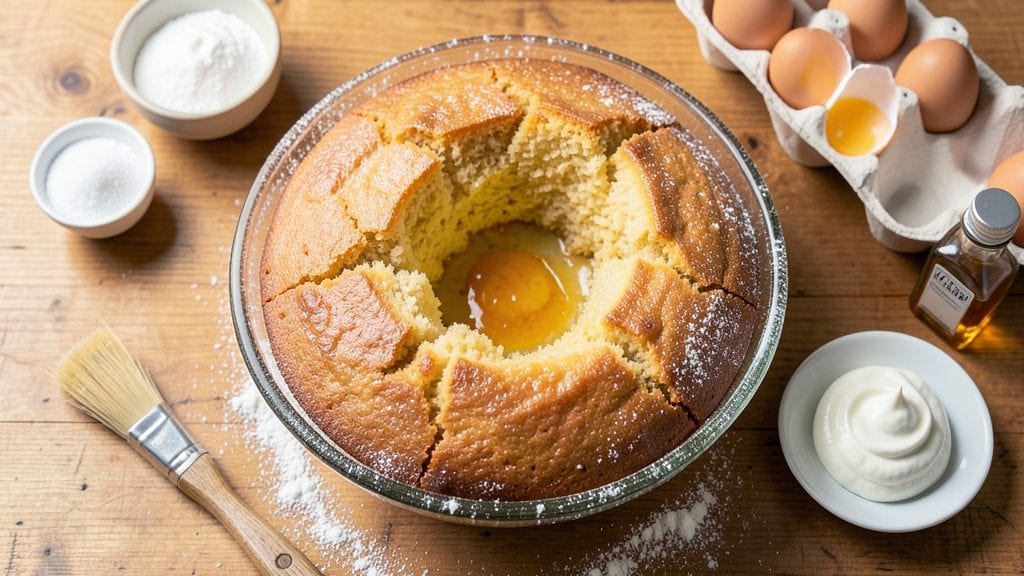
Grandma's sour cream pound cake recipe delivers layers of moist, tender crumb that crumbles just enough to reveal pockets of vanilla-kissed sweetness. The secret lies in sour cream—its richness keeps the cake dense and velvety while preventing dryness, a lesson I learned after years of trial and error.
Every slice reveals that perfect balance: a tender interior with just enough structure to hold its shape.
This recipe stays true to tradition while accommodating modern kitchens—whether you're mixing by hand or using a stand mixer, the technique ensures foolproof results. The vanilla extract infuses throughout, creating that signature warm, aromatic flavor that makes this cake feel like a homecoming.
Baking time is precise, and cooling properly guarantees that first slice will be perfect—no waiting for hours.
What sets this apart is the texture: each layer remains moist for days, making it ideal for breakfast with coffee or afternoon tea. The sour cream also adds a subtle tang that cuts through the sweetness, creating harmony in every bite.
For those who love to customize, variations with citrus zest or chocolate chips add exciting twists without sacrificing the classic structure.
Perfect for family gatherings or quiet afternoons, this cake proves that tradition and technique still matter in baking. The method is straightforward but demands attention to detail—especially when folding dry ingredients to maintain that signature crumb.
Once you try it, you'll understand why this has been a kitchen staple for generations.
Ingredients for grandma's sour cream pound cake
Grandma’s secret weapon for moist, tender cake layers—sour cream and precise technique.
| Ingredient | Amount | Notes |
|---|---|---|
| All-Purpose Flour 🌾 | 3 ½ cups | Sifted before measuring for lightness |
| Granulated Sugar 🍚 | 2 ¼ cups | Superfine for even distribution |
| Unsalted Butter 🧈 | 1 ½ cups | Room temperature, cubed |
| Sour Cream 🥛 | 1 ½ cups | Full-fat for richness |
| Large Eggs 🥚 | 6 whole | Room temperature, beaten |
| Pure Vanilla Extract 🌿 | 2 tbsps | High-quality for aroma |
| Baking Powder 🧪 | 2 tbsps | Aluminum-free preferred |
| Diamond Crystal Kosher Salt 🧂 | 1 ½ tsp | Fine grain for precision |
| Zest of 1 Lemon 🍋 | 1 tbsp | Fresh, brightens flavor |
The sour cream is non-negotiable here—full-fat is a must for that melt-in-your-mouth texture. Costco’s 32oz tub is my go-to for bulk baking, but any high-quality brand works. Room-temperature butter and eggs are critical for even mixing; don’t rush this step. For the vanilla, Mallard’s or McCormick’s extracts deliver that authentic aroma without bitterness. The flour should be sifted—no shortcuts here if you want those airy layers.
No sour cream? Plain Greek yogurt at a 1:1 ratio works in a pinch, though the tang will be slightly different. Substituting buttermilk for half the sour cream adds moisture but alters the crumb structure. For the sugar, superfine or powdered sugar dissolves better than coarse granulated—just pulse it in a food processor if needed. The lemon zest? Fresh is best, but dried works at half the amount if you’re in a hurry. Always use Diamond Crystal salt—regular table salt is too coarse and can throw off your measurements.
This cake keeps its moisture for 3-4 days in an airtight container at room temperature, or you can refrigerate it for up to 5 days. For longer storage, freeze slices wrapped tightly in plastic—reheat in the oven at 300°F for 10 minutes to restore that cakey texture. The butter-sugar mixture can be prepped ahead and refrigerated overnight, saving you time on baking day. Just let it soften at room temperature before mixing with the wet ingredients—this ensures a smooth, lump-free batter.
Why You'll Love This Recipe
- No-Mess Masterpiece: I’ll be honest—this cake doesn’t require a Pinterest-worthy kitchen. Sift the flour, cream the butter, and fold in the sour cream, and boom: done. The secret’s in the room-temperature butter and eggs, but even if you’re short on time, the mixer does most of the work. No fancy techniques, just pure, unfussy deliciousness.
- Richness Redefined: That 1½ cup of full-fat sour cream? Game-changer. It turns this into a cake that’s moist enough to melt in your mouth, but still holds its shape. Pair it with the 1½ cups of butter and six eggs, and you’ve got layers of decadence that’ll make you forget about dry, crumbly cakes. The lemon zest? Just a little brightness to keep it from being too heavy.
- Crowd-Pleaser Extraordinaire: This isn’t just for birthdays—it’s the star of brunch, a cozy afternoon tea, or even a last-minute dessert after church potluck. Slice it up, and it’ll disappear faster than you can say “second helping.” My kids fight over it, and honestly? That’s the highest praise I can give.
- Leftovers That Actually Shine: Three days at room temp? Five days in the fridge? This cake doesn’t get sad or dry out. Freeze slices, and they’ll taste just as good after a quick oven warm-up. It’s the kind of recipe that turns your kitchen into a treasure chest—every bite feels like a win.
Step-by-step instructions for Grandma's sour cream pound cake
Here's how to create layers of moist perfection with every tender bite.
Prepare the Dry Ingredients for Lightness
Begin by sifting the 3½ cups all-purpose flour and 2 tbsps baking powder together into a large mixing bowl. This step is crucial—sifting aerates the flour, creating a lighter texture that prevents dense layers. Use a fine-mesh sieve for even distribution, and tap the bowl gently to settle any remaining lumps.
In a separate small bowl, whisk together the 2¼ cups granulated sugar and 1½ tsp diamond crystal kosher salt. The sugar should be superfine for even distribution throughout the cake. This mixture will dissolve smoothly into the wet ingredients later, ensuring no grainy pockets remain. Set aside for now—this is your flavor foundation.
Cream Butter and Sugar for Maximum Moisture
In the bowl of a stand mixer fitted with the paddle attachment, combine the 1½ cups unsalted butter (cut into cubes and softened to room temperature) and the sugar-salt mixture. Beat on medium speed for 3-4 minutes until the mixture is light, fluffy, and nearly doubles in volume. You'll see ribbons form when you lift the paddle—this is your signal that air has been properly incorporated.
Here's the thing—room temperature butter is non-negotiable. If it's too cold, it won't cream properly, leading to dense cake. If it's too soft, it'll create a greasy texture. Press a finger into the butter—it should leave a slight indent but hold its shape. This step ensures your cake will have that signature moist crumb Grandma's version is famous for.
Incorporate Wet Ingredients for Richness
Add the 6 large eggs (beaten at room temperature) one at a time, mixing on low speed after each addition until fully incorporated. Then, with the mixer running on low, pour in the 1½ cups sour cream and 2 tbsps pure vanilla extract. The sour cream adds tenderness and moisture, while the vanilla extract infuses that classic aroma throughout.
Scrape down the sides of the bowl with a spatula to ensure all ingredients are evenly distributed. The batter should be thick but pourable at this stage. If it looks too stiff, don't panic—adding the dry ingredients next will loosen it to the perfect consistency. The lemon zest will come in shortly, but first, we need to incorporate the flour mixture.
Combine Wet and Dry Ingredients Gently
With the mixer on low speed, gradually add the sifted flour mixture to the wet ingredients. Mix just until combined—you should still see small streaks of flour remaining. Overmixing develops gluten, which can make the cake tough. Stop mixing as soon as the batter comes together smoothly. This gentle approach preserves that tender, moist crumb we're after.
Now, fold in the 1 tbsp zest of 1 lemon using a silicone spatula. The zest adds a bright, citrusy note that cuts through the richness of the butter and sour cream. Distribute it evenly throughout the batter, ensuring every layer gets that subtle lemon kiss. The batter should be thick and smooth, with no dry spots remaining.
Bake for Perfectly Moist Layers
Preheat your oven to 350°F. Grease and flour three 9-inch round cake pans (or use nonstick spray), then divide the batter evenly among them. Tap each pan gently on the counter to release any air bubbles. Bake for 25-30 minutes, or until a toothpick inserted into the center comes out clean and the top springs back when pressed lightly.
This is where patience pays off—don't open the oven door early. The cake needs steady heat to rise properly and develop that moist interior. If the tops brown too quickly, tent loosely with foil after 15 minutes. Once baked, let the cakes cool in the pans for 10 minutes, then transfer to a wire rack to cool completely. The wait ensures clean slices and prevents crumbling.
Pro Tips For Making Grandma'S Sour Cream Pound Cake
- Test Butter First: Press your finger into the 1.5 cups of cubed butter—if it leaves a slight indent but holds its shape, you’re golden. I learned this the hard way: once, I rushed and used butter that was too soft, and the cake turned greasy instead of tender. Room temperature is non-negotiable for that classic moist crumb.
- Sift Dry Ingredients Twice: The 3.5 cups of flour and 2 tbsp baking powder need a good sifting—not just once, but twice if you’re like me and your kitchen has drafts. After beating the butter and sugar, give those dry ingredients another quick sift right before mixing. That extra step guarantees the lightest texture, and no one wants a dense pound cake.
- Stop Mixing Early: When folding in the sifted flour, resist the urge to overmix—just until small streaks disappear. I used to think more mixing meant better cake, but now I know better: overdoing it develops gluten, and suddenly you’ve got a tough cake instead of that melt-in-your-mouth perfection. Trust the recipe, even if it feels underdone.
- Lemon Zest Last: Fold in that 1 tbsp of lemon zest after the flour is mixed in—don’t add it with the wet ingredients. The zest is potent, and if you mix it too early, you’ll end up with pockets of bright flavor instead of an even, subtle brightness throughout. A little goes a long way, so distribute it gently with a spatula.
Perfect pairings for these flavors
Coffee Pairings
This cake pairs beautifully with a classic dark roast coffee that complements its buttery richness. I recommend a French roast like Starbucks Reserve—its deep, chocolatey notes balance the cake’s sweetness while the slight acidity cuts through the fat.
The warmth of the coffee enhances the vanilla and sour cream flavors, creating a perfect match for morning or afternoon indulgence. ☕
Tea & Cream Combinations
A Earl Grey tea with a splash of heavy cream makes an elegant pairing, especially if you’ve added lemon zest to the cake. The bergamot aroma in Earl Grey harmonizes with the citrus notes, while the cream adds a luxurious touch.
For a lighter option, try chamomile tea—its floral notes contrast gently with the cake’s richness. I often serve this with a dollop of whipped cream for extra decadence.
Whipped Cream & Berries
Whipped cream is a no-fail topping that elevates this cake to dessert status. I use heavy whipping cream chilled to 40°F for the lightest texture, sweetened with 1-2 tbsp powdered sugar and a pinch of vanilla.
Fresh raspberries or blueberries add a tart contrast that brightens the cake’s sweetness. For a festive touch, sprinkle with crushed pistachios or toasted coconut flakes.
Chocolate Drizzle
If you love chocolate, a quick dark chocolate ganache drizzle transforms this cake into a decadent treat. Melt ½ cup dark chocolate chips (like Ghirardelli) with ¼ cup heavy cream and let it cool slightly before drizzling over the cake.
For extra indulgence, add a sprinkle of sea salt to enhance the chocolate’s depth. This pairing feels like a hug for your taste buds. 🍫
Seasonal Twists
In summer, a mint julep or peach iced tea refreshes the palate after a slice of cake. The citrusy or fruity notes cleanse your mouth between bites. For fall, a spiced chai latte with cinnamon and cardamom mirrors the warm spices you might add to the batter.
Winter calls for a hot chocolate with marshmallows—the heat and sweetness make this cake feel like a cozy hug. 🍂
Nutrition facts
Frequently asked questions
Why does sour cream make this cake so moist?
The sour cream acts as a tenderizer and moisture retainer. Its fat content creates a velvety crumb while the acidity helps activate the baking powder for even rise. Without it, the cake would dry out faster—especially in humid climates. Think of it as nature's built-in humidifier for your batter!
Can I bake this in a different pan shape?
Yes, but adjust baking times accordingly. For a 9x13-inch pan, bake 35-40 minutes at 350°F. For a bundt pan, reduce to 30-35 minutes—just make sure the center is fully set. The key is maintaining the same batter depth (2 inches max) to ensure even baking. Smaller pans may need 5-10°F lower temp to prevent over-browning.
What if my cake turns out dense?
Dense cake usually means overmixing or cold ingredients. Check your butter—it should be room temp but not greasy. Also, mix dry ingredients just until combined (small flour streaks are fine). For next time, try folding in 1 extra tbsp sour cream or adding ½ tsp baking soda to boost lift. And always preheat your oven—this is non-negotiable for proper rise!
How do I store leftovers without drying them out?
Wrap tightly in plastic wrap, then place in an airtight container with a slice of bread or apple to absorb moisture. Refrigerate for up to 5 days or freeze slices (wrapped individually) for 3 months. To revive, warm at 300°F for 10 minutes—this restores moisture without making it soggy. The sour cream's fat content actually helps preserve freshness longer than traditional cakes!
Can I add mix-ins like chocolate chips?
Fold in 1 cup chocolate chips or nuts with the dry ingredients, but don't overdo it—too many mix-ins can make the cake crumble. For citrus lovers, add 1 extra tbsp orange zest with the lemon. Just remember: every ½ cup of add-ins may increase baking time by 3-5 minutes. Test doneness with a toothpick regardless of time!