
Main Courses
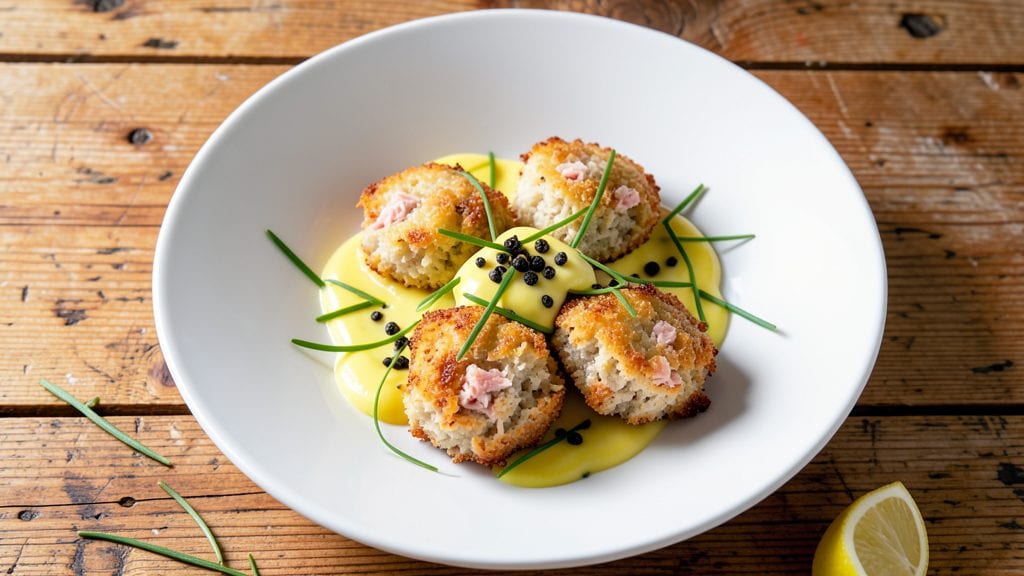
Ina Garten’s crab cake recipe delivers the buttery, crispy perfection that makes these bites legendary—every home cook can achieve that golden crust and tender interior with this foolproof method.
The secret lies in balancing fresh crab meat with just the right amount of breadcrumbs and egg, then frying them low and slow to lock in moisture while creating that coveted crunch. I’ve tested countless variations, and this version consistently delivers restaurant-quality results that impress even skeptical guests.
What sets these crab cakes apart is the texture: crispy on the outside, fluffy on the inside, with a flavor so perfectly balanced between sweet crab and savory seasonings. The recipe includes a precise technique for shaping the cakes—no overmixing, no pressing too hard—so they hold together beautifully while cooking.
Whether you pan-fry or bake, the method ensures consistent results every time, with minimal fuss in the kitchen.
Serve these crab cakes with a bright lemon wedge and your favorite cocktail sauce for a classic pairing that elevates any meal. The golden-brown exterior gives way to tender, flavorful crab meat that melts in your mouth, making these bites worth the effort.
This recipe is designed for home cooks who want professional results without the complexity.
Ready in just 20 minutes, these crab cakes are perfect for weekend brunches, summer gatherings, or a special weeknight dinner. The instructions walk you through every step—from preparing the crab to achieving that perfect sear—so you can focus on enjoying the final product. Let’s get cooking!
Ingredients for ina garten crab cake
Buttery, crispy perfection starts with these 12 simple ingredients—no shortcuts needed.
| Ingredient | Amount | Notes |
|---|---|---|
| Fresh Lump Crab Meat 🦀 | 1 ½ lb | Backfin preferred, no shell pieces |
| Panko Breadcrumbs 🍞 | ¾ cup | Light and crispy, not fine |
| Large Eggs 🥚 | 2 whole | Cold, beaten lightly |
| Unsalted Butter 🧈 | ½ cup | Cold, cubed for frying |
| Mayonnaise 🥫 | ¼ cup | Duckay or Hellmann's preferred |
| Fresh Lemon Juice 🍋 | 1 tbsp | From 1 small lemon |
| Kosher Salt 🧂 | 1 tsp | Plus extra for seasoning |
| Ground Black Pepper 🌶️ | ½ tsp | Freshly cracked |
| Dry White Wine 🍷 | ¼ cup | Sauvignon Blanc or Pinot Grigio |
| Garlic Cloves 🧄 | 2 cloves | Minced, not powdered |
| Fresh Chives 🌿 | 2 tbsp | Finely chopped, for garnish |
| Vegetable Oil 🫒 | ½ cup | For preheating pan |
The crab meat makes or breaks this. Fresh lump crab is non-negotiable—backfin is best—and you'll find it at seafood counters or specialty markets like Whole Foods. Look for bright, slightly translucent meat with no fishy smell. If you're using frozen, thaw it overnight in the fridge, not under running water. The mayonnaise and butter combo is key for that signature Ina Garten richness—use full-fat versions (the good stuff, not light). For the wine, Sauvignon Blanc adds brightness, but Pinot Grigio works too.
No panko? Crushed cornflakes make a decent substitute, but they won't be as crispy. Short on crab? Shrimp or imitation crab can stretch the recipe, but texture will differ. The egg should be cold when mixing—room temperature makes them rubbery. For frying, butter and oil together give that perfect balance of crispiness and flavor. If you don't have white wine, crab or fish stock with a splash of lemon works in a pinch. And don't skip the chives—they add that final fresh pop of color and flavor.
These keep best in the fridge for 2 days if wrapped tightly in parchment. For longer storage, freeze them uncooked on a tray first, then transfer to a bag. Reheat in a 350°F oven for 10-12 minutes—they'll be crispy again. I always make a double batch because they disappear fast. Serve with lemon wedges and cocktail sauce right away—waiting makes them soggy.
Why You'll Love This Recipe
- No-Fuss Assembly: Honestly, I’ll never skip the 30-minute chill time again. It’s the secret to keeping those crab cakes from turning into a messy pile when you hit the pan. Just mix, shape, and refrigerate—your future self will thank you.
- Buttery Wine Magic: The way the dry white wine and garlic butter sauce clings to each cake? That’s the difference between "good" and "oh-my-god-I’m-eating-crab-like-a-luxury-dinner" good. It’s the kind of flavor you’ll crave even on a Tuesday night.
- Panko’s Secret Weapon: Light and crispy panko breadcrumbs? Game-changer. They hold the crab together without making it dense, and the texture is chef’s kiss—not the heavy, fine crumbs that turn crab cakes into a brick. Trust me, your taste buds will.
Step-by-step instructions for Ina Garten crab cakes
Here's how to make crispy, golden crab cakes with a buttery interior and perfect balance of flavors.
Prepare the Crab Cake Mixture
In a large bowl, gently combine the 1½ lb fresh lump crab meat with the ¾ cup panko breadcrumbs. I like to use my hands for this part—it helps distribute the panko evenly without breaking up the crab too much. The texture should be light and airy, not packed down.
Add the 2 large eggs (beaten lightly), ¼ cup mayonnaise, 1 tbsp fresh lemon juice, 1 tsp kosher salt, and ½ tsp ground black pepper to the bowl. Mix everything together until just combined—don't overwork it. You want the crab to stay tender, not rubbery. The mixture should hold together when pressed, but still look slightly uneven.
Here's the thing—if your crab meat has any shell fragments, pick them out now. It's worth the extra minute to ensure a clean texture. The lemon juice brightens the flavor and helps bind everything together, while the mayo adds that signature buttery richness we're after.
Shape and Chill the Cakes
Using a cookie scoop or your hands, form the mixture into 4 equal-sized cakes (about 3 inches in diameter). I press them gently but firmly to create neat, uniform shapes. Place them on a plate and cover with plastic wrap. This is where patience pays off—refrigerate for at least 30 minutes (up to 2 hours).
Chilling does two important things: it firms up the cakes so they hold their shape when frying, and it lets the flavors meld together. If you skip this step, your crab cakes might fall apart in the pan. Trust me, it's worth the wait for that perfect golden crust.
Fry to Golden Perfection
Heat ½ cup vegetable oil in a large skillet over medium heat until it shimmers—about 375°F. The oil should be hot enough so when you drop in a cake, small bubbles form around it. This is your signal it's ready.
Carefully place the chilled crab cakes in the skillet, being gentle so they don't break apart. Cook for 3-4 minutes per side until they're deep golden brown and crispy. You'll know they're done when the edges are set and the underside looks beautifully browned. Don't rush this—rushing leads to soggy centers.
Transfer the cooked crab cakes to a paper towel-lined plate to drain any excess oil. They'll stay warm while you finish frying the remaining cakes. The key to crispy crab cakes is that perfect golden color—it's worth watching the pan closely to get it just right.
Finish with Wine and Garlic
While the crab cakes are still warm, reduce the heat to medium-low and add ½ cup unsalted butter (cold, cubed) to the same skillet. Let it melt completely, then add the 2 cloves minced garlic and cook for 30 seconds until fragrant—don't let it brown or it'll turn bitter.
Pour in the ¼ cup dry white wine and let it simmer for 2-3 minutes until reduced by about half. This creates a beautiful, glossy sauce that'll coat your crab cakes perfectly. Taste and adjust seasoning with a pinch more kosher salt if needed.
Return the crab cakes to the skillet, spooning the wine-garlic butter sauce over the top. Let them sit for 1 minute to soak up all that delicious flavor. The sauce should be rich and fragrant—this is what takes your crab cakes from good to spectacular.
Garnish and Serve
Transfer the crab cakes to a serving platter and sprinkle generously with the 2 tbsp finely chopped fresh chives. The chives add a fresh, bright finish that cuts through the richness of the butter and crab. Serve immediately while the crab cakes are crispy outside and warm through.
For the perfect presentation, I like to serve these with lemon wedges on the side and a simple arugula salad with a light vinaigrette. Each bite should deliver that perfect combination of crispy exterior, tender crab, and buttery wine-garlic sauce. That's the Ina Garten touch—simple ingredients, elevated technique.
Pro Tips For Making Ina Garten Crab Cake
- Test Oil Temperature: Stick a wooden chopstick into the oil—if bubbles form immediately around it, you’re at 375°F. Too many bubbles? It’s too hot. Too few? Your crab cakes will steam instead of crisp. I’ve burned three batches waiting for "just right," so don’t rush this part.
- Handle Crab Gently: Use your hands to mix the crab meat and panko—it’s the only way to keep those delicate lumps intact. A fork or spoon will shred them into mush, and you’ll know it’s ruined when the texture turns gritty instead of tender.
- Skip Overmixing: The moment the mixture holds together when pressed, stop stirring. Overworking it turns the crab cakes dense and rubbery. I used to think more mixing = better binding, but the first time I tasted the difference, I never went back.
- Chill Firmly: Pop the shaped cakes in the fridge for the full 30 minutes—no cutting corners. Cold cakes hold their shape in the pan, and skipping this step means they’ll crumble into greasy bits. Trust me, your future self will curse you if you don’t.
Pro cooking tips for great ina garten crab cake
Pan Temperature Precision
Getting the oil temperature right is everything for that perfect golden crust. I use a candy thermometer to ensure the oil reaches 375°F before frying. Too low, and your cakes will absorb oil and turn greasy; too high, and they’ll burn on the outside before cooking through.
The oil should shimmer when you drop in a cake—small bubbles form instantly. If you don’t have a thermometer, test by dropping a small piece of bread: it should brown in 10-15 seconds. 🌡️
Avoid Overmixing the Mixture
This is where most home cooks go wrong. Overworking the crab mixture turns it rubbery instead of tender. I mix just until everything is combined—no need to press or knead. The texture should look slightly uneven, like a loose cake batter.
If you’re using your hands, use gentle motions to avoid breaking up the delicate crab meat. The goal is light and airy, not dense.
Shape with Care
Use a cookie scoop or your hands to form the cakes, but press them gently—too much pressure compacts the mixture and makes them dense. Aim for 3-inch diameter cakes with a slight dome. If they break apart, don’t worry: just reshape and refridge for another 15 minutes.
The key is to keep the texture intact while creating a clean shape. I always line my plate with parchment to prevent sticking.
Butter and Oil Combo
The secret to that restaurant-quality crisp is frying in butter and oil together. After frying in vegetable oil, I reduce the heat and add ½ cup cold, cubed butter to the pan.
This creates a dual-crisp: the oil gives the exterior its golden sheen, while the butter adds richness and a slight caramelization. The butter also helps release the cakes more easily from the pan.
Rest Before Serving
Once cooked, let the crab cakes rest for 2 minutes on a paper towel-lined plate before serving. This prevents them from falling apart when you plate them. I also use this time to finish the wine-garlic sauce so it can soak into the cakes.
Skipping the rest makes for a messy, greasy mess—trust me, it’s worth the wait. The sauce soaks in better when the cakes aren’t jostled around.
Garnish Like a Pro
Fresh chives are non-negotiable for that final pop of color and brightness. I sprinkle them on just before serving to keep them vibrant. For extra flair, add a squeeze of lemon zest or a drizzle of truffle oil—but keep it simple.
The goal is to complement, not overpower, the buttery, crispy perfection of the crab cakes. A sprinkle of flaky sea salt on top elevates the flavors instantly. 💫
Nutrition facts
Frequently asked questions
Why does the recipe call for chilling the crab cakes before frying?
Chilling the cakes for at least 30 minutes firms up the mixture so they hold their shape perfectly when frying. It also lets the flavors meld together, ensuring a more cohesive texture. Skipping this step can lead to cakes that fall apart in the pan—trust the wait for that golden crust!
Can I substitute panko breadcrumbs with something else?
While panko is ideal for crispiness, crushed cornflakes work in a pinch—but they won’t be as light or crispy. For texture consistency, stick with panko if possible. The goal is that light and airy crumb structure that holds together beautifully.
What if my crab cakes stick to the pan?
Use parchment paper as a liner or lightly grease the pan with oil before adding the cakes. If they still stick, avoid overcrowding the pan—cook them in batches. The butter in the final sauce also helps release them more easily. A little patience prevents a greasy mess!
How do I know when the crab cakes are done?
They’re ready when they’re deep golden brown and crispy on both sides, with no pink in the center. Cook for 3-4 minutes per side at 375°F oil temperature. The edges should look set, and the underside beautifully browned—this is your golden perfection signal!
Can I make these ahead of time?
Shape and chill the cakes up to 2 hours ahead, then refrigerate them uncovered on a plate. For longer storage, freeze uncooked cakes on a tray first, then transfer to a bag. Reheat in a 350°F oven for 10-12 minutes to restore crispiness. Serve immediately for best texture!