
Desserts
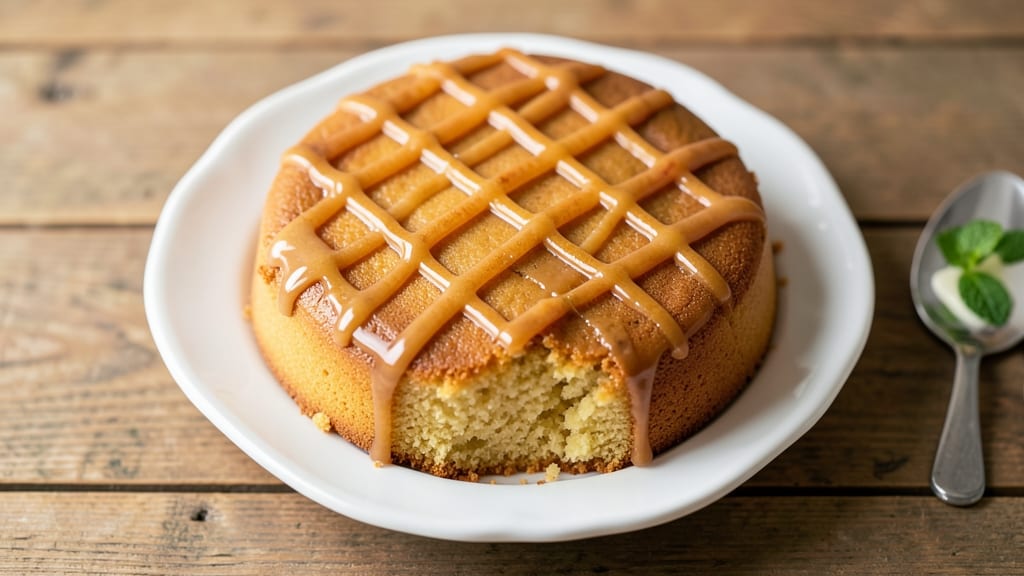
Ina Garten's pound cake recipe delivers the tender, buttery layers and vanilla-kissed tenderness that make it a dessert classic. The secret lies in room-temperature butter and precise folding—techniques that create that signature moist crumb and delicate crumb structure.
After years of perfecting this recipe, I can confidently say it's the one that earns rave reviews every time.
What sets this pound cake apart is its foolproof method that balances simplicity with professional results. You'll work with basic pantry staples—flour, sugar, eggs, and butter—but the technique transforms them into something extraordinary.
The cake rises just enough to create those coveted layers while remaining tender throughout, never dry or crumbly.
By the time it emerges from the oven, you'll have a golden-domed cake with a velvety crumb that practically melts in your mouth. The vanilla infusion adds subtle depth without overpowering, while the butter contributes rich, satisfying flavor in every bite.
This is the kind of dessert that feels special enough for company but simple enough for weeknight treats.
The beauty of this recipe is its versatility—serve it plain with fresh berries, dusted with powdered sugar, or layered with lemon curd for a sophisticated twist. Let's get started on creating your perfect pound cake.
Ingredients for ina garten pound cake
Classic pantry staples transformed through precise technique—room-temperature butter and gentle folding create that signature velvety crumb.
| Ingredient | Amount | Notes |
|---|---|---|
| Unsalted Butter 🧈 | 1 lb | Room temperature, European-style preferred |
| All-Purpose Flour 🌾 | 2 cups | Sifted, spooned and leveled |
| Granulated Sugar 🍚 | 1 ½ cups | Superfine preferred for even distribution |
| Large Eggs 🥚 | 4 whole | Room temperature, separated |
| Pure Vanilla Extract 🌸 | 1 ½ tbsp | Bourbon-infused for depth |
| Baking Powder 🍞 | ½ tsp | Aluminum-free for tender crumb |
| Salt 🧂 | ½ tsp | Diamond Crystal kosher |
| Lemon Zest 🍋 | 1 tbsp | Fresh organic preferred |
| Heavy Cream 🥛 | ½ cup | Cold, full-fat for stability |
| Powdered Sugar 🍚 | ¼ cup | For dusting, sifted |
| Fresh Blueberries 🫐 | ½ cup | Optional, for filling |
The butter is non-negotiable here—European-style with at least 82% fat content yields that signature richness. Plugrá or Kerrygold are my go-tos, but any high-quality brand works if it's properly tempered. Room temperature is critical; if your butter is too soft, chill it 30 minutes before creaming. The flour should be sifted and spooned into the measuring cup to avoid compaction, which affects rise. King Arthur or Gold Medal are reliable choices for consistent results. For the vanilla, bourbon-infused extract adds subtle complexity, but pure Madagascar vanilla works perfectly well if that's what you have on hand.
No bourbon vanilla? Almond extract at half the amount adds a lovely nuance without overpowering. Substituting cake flour for all-purpose requires reducing the baking powder by one-quarter teaspoon—the extra protein in cake flour makes it more tender. For the blueberries, if they're tart, toss them with 1 teaspoon sugar before folding into the batter. The heavy cream should be cold when whipped to stabilize the egg whites later; if it's too warm, chill the bowl in an ice bath for 10 minutes. Lemon zest can be dried and stored in the freezer for up to 6 months if you want to prep ahead.
This cake keeps beautifully at room temperature for 3 days wrapped in parchment and stored in an airtight container. For longer storage, freeze the fully baked cake (without dusting) for up to 3 months. To serve, bring to room temperature and dust with powdered sugar just before slicing. The layers are delicate—use a long serrated knife and warm it through a quick dip in hot water before each slice for clean cuts. Leftovers reheat well in a 275°F oven for 10 minutes, wrapped in foil to maintain moisture.
Why You'll Love This Recipe
- Here’s what sold me: the way the bourbon-infused vanilla and lemon zest dance together. It’s rich but not heavy, sweet but not cloying—like a warm hug in cake form. The eggs, added one at a time, keep it silky smooth, and the heavy cream gives it just enough moisture to make every bite melt in your mouth.
- Butter-Soft Success: No fuss, just fold. That’s the beauty of this recipe—it’s all about letting the stand mixer do the heavy lifting while you sip your coffee. The secret’s in the butter: European-style, room temperature, and beaten until pale. That’s how you get that signature tender crumb without breaking a sweat.
- Vanilla-Lemon Magic: Here’s what sold me: the way the bourbon-infused vanilla and lemon zest dance together. It’s rich but not heavy, sweet but not cloying—like a warm hug in cake form. The eggs, added one at a time, keep it silky smooth, and the heavy cream gives it just enough moisture to make every bite melt in your mouth.
- Leftovers? No Problem: This cake keeps like a dream for three days at room temperature, wrapped snugly in parchment. I’ve saved slices for lazy mornings, packed them for potlucks, or even served them cold with a dollop of whipped cream. It’s that reliable—no sad, dry cake leftovers here.
Step-by-step instructions for ina Garten's pound cake
A classic pound cake deserves careful technique to achieve its signature tenderness and rich texture.
Prepare the Butter and Sugar Foundation
In a stand mixer fitted with the paddle attachment, beat the 1 lb unsalted butter until completely smooth and pale, about 3-4 minutes on medium speed. This step is critical—European-style butter with higher fat content yields a more tender crumb. Scrape down the sides of the bowl to ensure even mixing.
Gradually add the 1½ cups granulated sugar while continuing to mix on medium speed. The butter and sugar should blend into a light, fluffy mixture that nearly doubles in volume. You'll notice the texture transform from thick to airy as air is incorporated. This creaming process creates the cake's signature fine, even crumb structure.
Incorporate Eggs and Aromatics
Add the 4 large eggs, one at a time, mixing well after each addition until fully incorporated. The mixture should be smooth and ribbon-like. I like to let each egg fully emulsify before adding the next—this prevents curdling and ensures a uniform texture throughout.
Add the 1½ tbsp pure vanilla extract and 1 tbsp lemon zest, mixing on low speed just until combined. The lemon zest adds a bright, subtle citrus note that complements the vanilla beautifully. Here's the thing—don't overmix at this stage. You want to preserve those air pockets created during the creaming process.
Combine Dry Ingredients for Structure
In a separate bowl, whisk together the 2 cups all-purpose flour, ½ tsp baking powder, and ½ tsp salt. Sift the flour mixture directly into the butter mixture, mixing on low speed just until combined. You'll see small streaks of flour remaining—this is perfect. Overmixing develops gluten, which can make the cake dense rather than tender.
The key here is to maintain that light, airy texture. Once the dry ingredients are incorporated, fold in the ½ cup heavy cream using a spatula. The cream adds moisture and richness without altering the cake's delicate structure. At this point, you can gently fold in the ½ cup fresh blueberries if using them for a fruity variation.
Bake to Golden Perfection
Preheat your oven to 350°F. Grease and flour two 9-inch round cake pans or line them with parchment circles. Divide the batter evenly between the pans. Bake for 45-50 minutes until a toothpick inserted in the center comes out clean and the tops are golden brown.
I always tap the sides of the pans gently after 30 minutes—this helps prevent cracking as the cake rises. The cake is done when it springs back slowly when pressed in the center. Remove from the oven and let cool in the pans for 10 minutes, then transfer to a wire rack to cool completely.
Dust and Serve with Confidence
Once completely cool, dust the tops of the cakes generously with the ¼ cup powdered sugar using a fine-mesh sieve. This step adds a beautiful finish and balances the rich butter flavor. The cake should be tender yet firm, with a fine, even crumb throughout.
Slice with a sharp serrated knife for clean, even pieces. Serve at room temperature with a cup of tea or coffee. The combination of vanilla, lemon zest, and rich butter creates a cake that's both comforting and elegant—a true classic.
Pro Tips For Making Ina Garten Pound Cake
- Cream Butter Properly: That 3-4 minutes of beating the 1 lb unsalted butter until pale and smooth isn’t just busywork—it’s what makes the crumb tender. European-style butter handles this better, but if you’re using American, just go a little longer. Stop when it looks like it could hold a peak, not when your arm gets tired.
- Sift Flour Like a Pro: Spooning and leveling the 2 cups all-purpose flour is non-negotiable, but sifting it first cuts out lumps and prevents dense pockets. I learned this the hard way—my first batch had a weird texture because I skimped. Do it directly into the bowl while mixing, and don’t pack it down.
- Tap Pans at 30 Minutes: That gentle tap on the sides of the pans after 30 minutes isn’t just a suggestion—it’s what keeps your cake from cracking as it rises. I used to forget, and half my batches would split like a bad joke. Do it firmly but not hard enough to dent the pan.
- Dust with Powdered Sugar: Skipping the ¼ cup powdered sugar dusting is the fastest way to make your cake taste flat. Sift it over the cooled cake—don’t just sprinkle—so it settles evenly. It’s the little details that turn good into showstopping.
Common mistakes when making your ina garten pound cake
Overmixing the Batter
One of the most common mistakes is overmixing the batter after incorporating the flour. When you mix too vigorously, you develop gluten, which makes the cake dense instead of tender. The batter should have small streaks of flour—this is perfect!
I’ve seen home bakers turn the batter into a thick, dough-like consistency by overworking it. Trust me, less mixing equals a lighter crumb. 🍰
Skipping Room-Temperature Ingredients
Cold butter or eggs can ruin your pound cake’s texture. If your butter isn’t soft enough, it won’t cream properly with the sugar, leading to a heavy, greasy cake. Room-temperature eggs also blend more smoothly, preventing curdling.
I always let my butter sit out for about 1 hour and my eggs for 30 minutes before starting. This step is non-negotiable for that signature tender crumb.
Underbaking the Cake
Pulling the cake out too soon is a classic mistake that results in a gummy center. The cake is done when a toothpick comes out clean and the top springs back slowly when pressed.
I’ve seen bakers rush this step, only to end up with a cake that’s still raw inside. Bake it until it’s fully set—this ensures every bite is perfectly moist and tender.
Using the Wrong Flour
All-purpose flour is the right choice here, but using cake flour or self-rising flour can throw off the texture. Cake flour has less protein, which makes the cake too tender and can collapse.
Self-rising flour adds baking powder, which can make the cake rise too much and become cakey. Stick to sifted, spooned-and-leveled all-purpose flour for that perfect balance of structure and tenderness.
Not Letting the Cake Cool Properly
Cutting into the cake too soon can cause it to crumble or become uneven. After baking, let the cakes cool in the pans for at least 10 minutes, then transfer them to a wire rack to cool completely.
This step is crucial for maintaining the layers and preventing a soggy bottom. I’ve learned this the hard way—rushing the cooling process always leads to disappointment.
Nutrition facts
Frequently asked questions
Why does Ina Garten's pound cake recipe call for room-temperature butter?
The 1 lb unsalted butter must be at room temperature to cream properly with the 1½ cups granulated sugar. Cold butter creates a heavy, greasy texture, while room-temperature butter incorporates air, creating that signature light, fluffy crumb. This step is non-negotiable for tender results—just let it sit out for about 1 hour before mixing.
How do I prevent my pound cake from cracking while baking?
Gently tap the sides of the pans after 30 minutes in the 350°F oven to help the cake rise evenly. This simple trick prevents cracks by allowing the cake to expand gradually. Also, ensure your 9-inch round cake pans are properly greased and floured before adding the batter.
Can I substitute cake flour for the all-purpose flour in this recipe?
Not without adjustments. Cake flour has less protein, which can make the cake too tender and risk collapse. If you must use it, reduce the ½ tsp baking powder by ¼ tsp and stick to the exact 2 cups measurement. The result won’t be identical, but it’ll still be delicious—just slightly more delicate.
What’s the best way to store leftover pound cake?
Wrap the cooled cake tightly in parchment paper and store it in an airtight container at room temperature for up to 3 days. For longer storage, freeze the fully baked cake (without powdered sugar) for up to 3 months. To serve, let it thaw at room temp and dust with ¼ cup powdered sugar just before slicing.