
Desserts
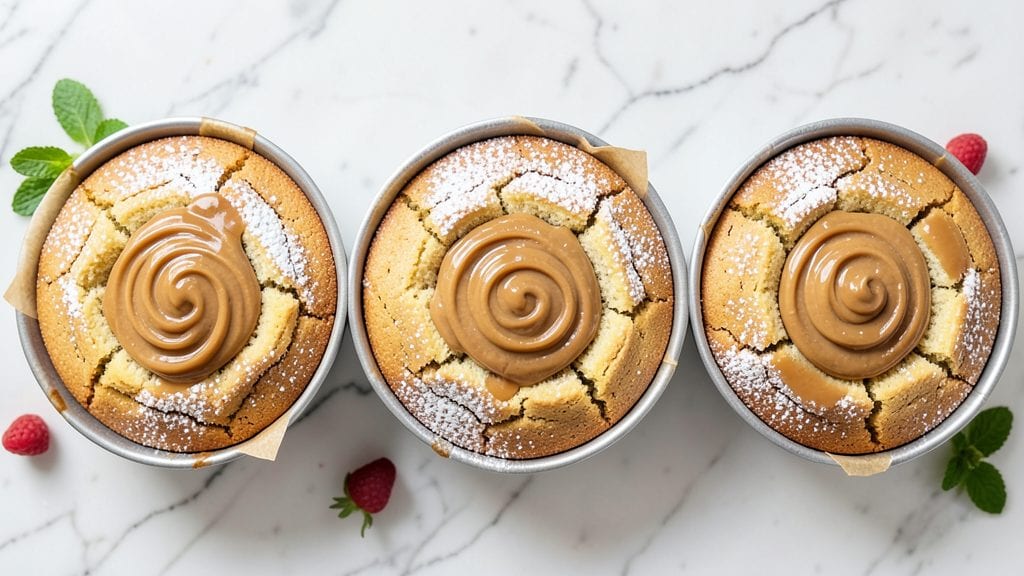
Ina Garten's tres leche cake recipe delivers the kind of dessert that feels like a warm hug—layers of delicate sponge cake soaked in a luscious custard made from evaporated milk, condensed milk, and heavy cream. The result is a cake that’s impossibly moist yet light, with a texture that’s neither too dense nor too fragile. I’ve perfected this version after baking it dozens of times, and the secret lies in the precise ratios of the milk mixture and the patience of chilling each layer properly.
The magic happens in the custard, where the combination of evaporated milk and condensed milk creates a silky, velvety sauce that transforms the sponge into something extraordinary.
Ina Garten’s method ensures the cake stays tender without becoming soggy, and the optional vanilla bean infusion adds a depth of flavor that elevates it from classic to extraordinary. This isn’t just a dessert—it’s a showstopper that tastes even better the next day.
What sets this apart is the balance: the sponge is baked just until golden, the custard is poured while still warm, and the entire cake is chilled overnight to let the flavors meld.
The final touch—a dusting of powdered sugar or a light buttercream frosting—adds a professional finish that makes it look as good as it tastes. Ready in under an hour but worth every minute of wait time.
Serve it at gatherings, holidays, or simply when you want to impress with a dessert that feels like a masterpiece. The key is in the details—precise measurements, proper chilling, and that perfect custard ratio. Let’s make it.
Ingredients for ina garten tres leche cake
Delicate sponge layers meet silky custard—this cake’s magic lies in precision and patience.
| Ingredient | Amount | Notes |
|---|---|---|
| All-Purpose Flour 🌾 | 3 cups | Sifted for light texture |
| Granulated Sugar 🍚 | 1 ½ cups | Superfine for even distribution |
| Large Eggs 🥚 | 6 whole | Room temperature preferred |
| Vanilla Extract 🌿 | 2 tbsp | Pure for authentic flavor |
| Baking Powder 🧂 | ½ tsp | Aluminum-free preferred |
| Salt 🧂 | 1 tsp | Fine grain preferred |
| Evaporated Milk 🥛 | 24 oz | Full-fat for richness |
| Sweetened Condensed Milk 🍮 | 18 oz | Full-fat preferred |
| Heavy Whipping Cream 🧈 | 12 oz | Full-fat for creaminess |
| Vanilla Bean 🌸 | 1 whole | Optional for depth |
| Powdered Sugar 🍮 | 1 cup | For dusting finish |
| Unsalted Butter 🧈 | ½ cup | Melted for frosting |
| Buttermilk 🥛 | ¼ cup | For sponge cake |
The quality of your dairy matters most here. Evaporated milk should be full-fat—none of that low-fat nonsense. For the sweetened condensed milk, Borden or Nestlé are the gold standards, but any reputable brand works. The heavy cream needs to be 36% fat minimum—check the label. For the vanilla bean, split it lengthwise and scrape the seeds into the custard for maximum flavor. If you’re using extract, Mallard’s is a trusted choice. The buttercream frosting calls for unsalted butter—salted will overpower the delicate cake layers.
No vanilla bean? 2 tbsp extra vanilla extract gets you close. Short on sweetened condensed milk? Mix 1 cup evaporated milk with 1/3 cup sugar as a substitute, but the texture won’t be identical. For the sponge cake, buttermilk can be replaced with plain yogurt thinned with water at a 1:1 ratio. If you’re avoiding dairy entirely, coconut cream and almond milk can substitute, though the flavor profile changes significantly. Always use room-temperature eggs—cold eggs create dense cakes. And if your powdered sugar clumps, sift it—no shortcuts here.
The custard mixture keeps beautifully for 5 days in the fridge, but the cake itself is best made fresh—or at least chilled overnight. Store the assembled cake wrapped tightly in plastic wrap at room temperature for 2 days. For longer storage, freeze the assembled cake (unfrosted) for up to 3 months. When reheating, wrap in foil and warm in a 300°F oven for 15 minutes. The powdered sugar should be stored in an airtight container away from moisture—keep it dry or it’ll clump. The vanilla bean seeds can be frozen for up to 6 months if you’re planning ahead for future batches.
Why You'll Love This Recipe
- I’ll be real: this isn’t your fancy holiday dessert. It’s the kind of cake you can make on a Tuesday night, pop it in the fridge while you unwind, and still impress when company shows up. The layers bake in 25 minutes, and the soaking time? You can do that while you prep dinner or watch a show.
- No-Fuss Assembly: Honestly, this cake is all about the soak—just poke holes in those layers, pour the tres leche mixture (that dreamy combo of evaporated milk, sweetened condensed milk, and heavy whipping cream), and let it do its magic. No fancy decorating skills required; even if your cake looks a little rough around the edges, the creamy filling will save it.
- Vanilla Bean Magic: Between us, that vanilla bean isn’t just optional—it’s the secret weapon. Scraping out those seeds and letting them infuse the filling turns this from good to ridiculously good. The depth of flavor makes every bite feel like a little vacation, and trust me, your guests will notice the difference.
- Weeknight Hero: I’ll be real: this isn’t your fancy holiday dessert. It’s the kind of cake you can make on a Tuesday night, pop it in the fridge while you unwind, and still impress when company shows up. The layers bake in 25 minutes, and the soaking time? You can do that while you prep dinner or watch a show.
Step-by-step instructions for ina Garten's tres leche cake
Here's the method for creating ultra-moist layers soaked in velvety creaminess—every step ensures perfect texture.
Prepare the Sponge Cake Layers
Preheat your oven to 350°F and grease three 9-inch round cake pans with the ½ cup unsalted butter, then line the bottoms with parchment paper. In a large mixing bowl, whisk together the 3 cups all-purpose flour, 1½ cups granulated sugar, ½ tsp baking powder, and 1 tsp salt. Set aside.
In a separate bowl, beat the 6 large eggs until they're pale and slightly thickened, about 3-4 minutes using an electric mixer. Gradually add the ¼ cup buttermilk and 2 tbsp vanilla extract, mixing until fully combined. Slowly fold the dry ingredients into the egg mixture just until no flour streaks remain—overmixing develops gluten, which makes the cake dense. Divide the batter evenly among the prepared pans.
Bake for 25-30 minutes or until a toothpick inserted into the center comes out clean. The edges should be golden, but the tops may still look slightly underdone. Let the cakes cool in the pans for 10 minutes, then transfer to a wire rack to cool completely. This resting period prevents cracking when you poke holes later.
Create the Tres Leche Filling
In a large bowl, combine the 24 oz evaporated milk, 18 oz sweetened condensed milk, and 12 oz heavy whipping cream. Scrape the seeds from the 1 vanilla bean and add them to the mixture along with the pod. Whisk until the vanilla seeds are fully dispersed and the mixture is smooth. This blend forms the signature creamy filling that soaks into the cake layers.
Here's the thing—this mixture should be at room temperature when used. If it's chilled, let it sit for 15-20 minutes before proceeding. The warmth helps the filling penetrate the cake more evenly, ensuring every bite is moist. Taste the mixture now—it should be sweet and rich, with a hint of vanilla depth.
Assemble and Soak the Cake Layers
Place one cake layer on a serving plate. Using a long skewer or fork, poke ¼-inch holes all over the top surface—about 20-25 holes per layer. This creates channels for the filling to absorb evenly. Pour ⅓ of the milk mixture over the layer, letting it soak in completely. Repeat with the remaining two layers, adding the filling between each.
Let the cake sit at room temperature for at least 2 hours, or refrigerate for 4 hours if you're short on time. This soaking process transforms the dry sponge into a luscious, moist dessert. The longer it sits, the more the cake absorbs the creamy filling—don't rush this step. If you're impatient, you can speed it up by placing the assembled cake in the refrigerator for 1 hour before returning it to room temperature.
Prepare the Buttercream Frosting
In a medium saucepan, melt the ½ cup unsalted butter over low heat. Remove from heat and let it cool slightly, then gradually whisk in the 1 cup powdered sugar until smooth. Add 2-3 tbsp of the reserved tres leche mixture (from the bowl) to help thin the frosting to a spreadable consistency. The frosting should be thick but pipeable—if it's too stiff, add more milk mixture 1 tablespoon at a time. This ensures the frosting complements the cake's moisture without making it soggy.
Spread the frosting evenly over the top and sides of the cake, creating a smooth finish. For a polished look, use a small offset spatula to smooth the sides. Dust the top lightly with additional powdered sugar if desired, but this is optional. The frosting adds a final layer of richness that balances the cake's natural sweetness.
Chill and Serve
Refrigerate the cake for at least 2 hours before serving to allow the flavors to meld and the filling to fully absorb. This chilling step also makes slicing easier—you won't get crumbs or a messy texture. When ready to serve, slice with a hot knife (dip the knife in hot water and wipe dry between cuts) for clean, professional-looking pieces.
Each slice should reveal a perfectly moist sponge, saturated with creamy filling and topped with smooth buttercream. The contrast of textures—light cake, velvety filling, and rich frosting—makes this dessert unforgettable. Serve with a dollop of whipped cream or fresh berries for added freshness.
Pro Tips For Making Ina Garten Tres Leche Cake
- Sift That Flour: DESCRIPTION: I learned this the hard way—skipping the sift for the 3 cups all-purpose flour and ½ tsp baking powder makes the sponge dense and uneven. Whisk them together in the bowl, then sift directly over the eggs. The extra air keeps the cake light, and you’ll see the difference when slicing.
- Room-Temp Eggs Matter: DESCRIPTION: Cold eggs from the fridge won’t blend smoothly, and you’ll end up with a batter that fights you. Let the 6 large eggs sit out for at least 30 minutes before beating them pale and thickened—this ensures they emulsify properly with the ¼ cup buttermilk and 2 tbsp vanilla extract, giving you that signature tender crumb.
- Don’t Skip the 10-Minute Rest: DESCRIPTION: After baking, let the layers cool in the pans for 10 minutes—not 5, not 15. Rushing this step makes the cake brittle and prone to cracking when you poke holes for the filling. Trust me, those extra minutes save you from a crumbly mess later.
- Warm the Filling First: DESCRIPTION: Cold tres leche mixture (evaporated milk, condensed milk, and heavy cream) soaks unevenly, leaving dry spots. If it’s straight from the fridge, let it sit at room temperature for 15-20 minutes before pouring. Warm filling melts into the cake layers like a dream—every bite will be moist, not just the top.
Pro cooking tips for this dish
Temperature Control Matters
This cake thrives on precise temperature management—especially the custard mixture. Let the 24 oz evaporated milk, 18 oz sweetened condensed milk, and 12 oz heavy whipping cream sit at room temperature for 15-20 minutes before assembling.
Cold custard creates soggy layers, while room temperature ensures even absorption. I always check the mixture with my hand—it should feel warm but not hot. 🌡️
Poke Holes Strategically
When creating those ¼-inch holes in each cake layer, focus on the center first—this creates channels for the custard to penetrate deeply. Use a long skewer or fork and work in a crisscross pattern.
I aim for 20-25 holes per layer; fewer holes mean uneven moisture distribution. Don’t overcrowd the edges—they’re fragile after baking!
Soaking Time is Non-Negotiable
The 2-hour minimum soak at room temperature transforms dry sponge into creamy perfection. I’ve learned the hard way—skipping this step results in a cake that’s more cake than custard.
For faster results, refrigerate the assembled cake for 4 hours instead. The cold speeds up absorption while preventing mold. Trust me, patience here pays off! 💡
Buttercream Balance Trick
When making the buttercream, add 2-3 tablespoons of reserved tres leche mixture to the melted ½ cup butter and 1 cup powdered sugar. This keeps the frosting light enough to complement—not overwhelm—the cake’s moisture.
If it’s too thick, add more custard 1 tablespoon at a time. I often test consistency by spreading a dollop on parchment paper—it should hold shape but still be smooth.
Chilling for Perfection
The final 2-hour chill before serving does two critical things: it lets flavors meld and firms up the cake for clean slicing. I always refrigerate the entire assembled cake (frosted or unfrosted) to avoid soggy bottoms.
Pro tip: Use a cake turntable to rotate the cake while frosting—this ensures even coverage without smudges. The result? A dessert that looks as good as it tastes. ✨
Nutrition facts
Frequently asked questions
Why does the tres leche mixture need to be at room temperature?
Room temperature custard absorbs evenly into the cake layers, preventing soggy spots. Cold custard creates uneven moisture—let the 24 oz evaporated milk, 18 oz sweetened condensed milk, and 12 oz heavy whipping cream sit for 15-20 minutes before using. Warmth helps the custard penetrate deeply for that perfect balance of cake and creaminess.
How do I prevent the cake from cracking when poking holes?
Let the baked layers cool in the pans for 10 minutes first to stabilize before transferring. Poke holes gently with a skewer, focusing on the center first—this minimizes stress on the fragile edges. Avoid overcrowding holes near the perimeter, where cracks are most likely to form.
Can I make the cake ahead of time?
Assemble the cake with custard and refrigerate for 4 hours before frosting. For best results, store the unfrosted cake wrapped tightly at room temperature for 2 days. The flavors develop beautifully overnight, and it tastes even better the next day. Just frost right before serving.
What if my buttercream frosting is too thick?
Add 1 tablespoon of reserved tres leche mixture at a time until it reaches pipeable consistency. The goal is smooth but spreadable—test by spreading a dollop on parchment paper. If it holds shape but still glides easily, you’ve got it just right!
Why does the recipe use full-fat dairy?
Full-fat evaporated milk, condensed milk, and heavy cream create the rich, velvety texture that defines this dessert. Lower-fat versions can make the custard too thin or the cake too dry. The fat content ensures that every bite delivers that luxurious mouthfeel.