
Desserts
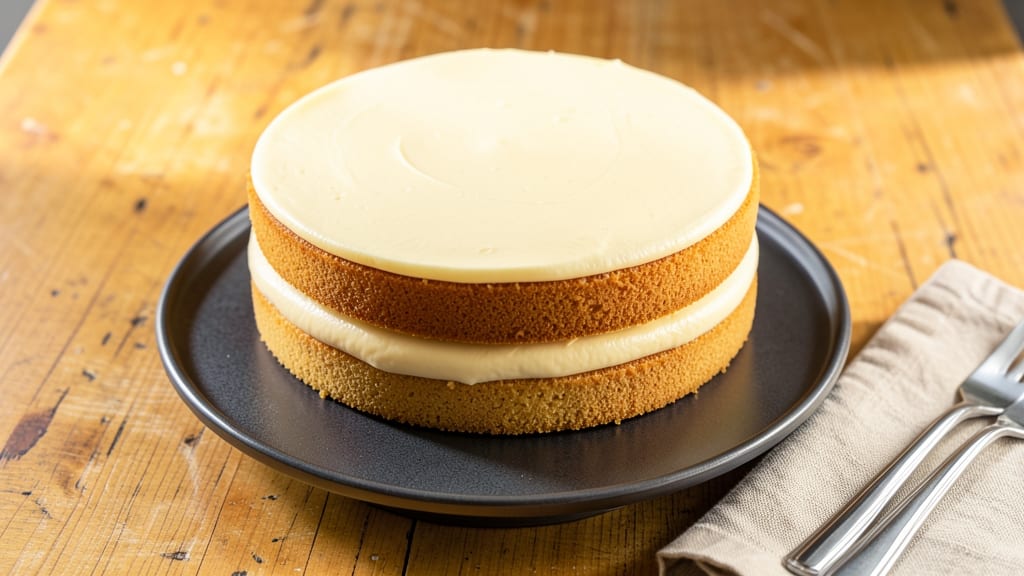
Ina Garten's vanilla cake recipe delivers the kind of moist, tender layers that make every slice feel like a celebration. I've baked countless cakes, and this method—with its precise ingredient balance and gentle folding technique—produces results that rival any bakery.
The secret lies in using room-temperature butter and eggs, which create a light, airy crumb without compromising richness.
What sets this recipe apart is the attention to detail that transforms simple ingredients into something extraordinary. You'll work with all-purpose flour, granulated sugar, and pure vanilla extract, but the magic happens in the method: creaming the butter and sugar until fluffy, then gently folding in the dry ingredients.
This approach ensures moist layers that stay fresh even the next day.
The frosting is where the recipe truly shines—a buttery, velvety vanilla buttercream that pairs perfectly with the cake's delicate texture. It's simple to make but elevates the dish to restaurant-quality elegance.
Whether you're baking for a special occasion or simply craving a classic dessert, this recipe delivers professional results with minimal effort.
Perfect for birthdays, holidays, or anytime you want to impress, this cake is foolproof for home bakers. The instructions are clear, the ingredients are accessible, and the outcome is consistently delicious. Let's get started on creating your perfect vanilla cake.
Ingredients for ina garten vanilla cake
Room-temperature butter, precise measurements, and gentle folding transform simple ingredients into Ina Garten's signature moist vanilla cake.
| Ingredient | Amount | Notes |
|---|---|---|
| Unsalted Butter 🧈 | 1 cup | Room temperature, European-style preferred |
| Granulated Sugar 🍚 | 1 ½ cups | Superfine preferred for smoother texture |
| Large Eggs 🥚 | 4 whole | Room temperature, separated for folding |
| All-Purpose Flour 🌾 | 2 cups | Sifted, spooned lightly into measuring cup |
| Pure Vanilla Extract 🌿 | 2 tsp | Bourbon-infused for depth of flavor |
| Baking Powder 🍞 | 2 tsp | Aluminum-free for tender crumb |
| Salt 🧂 | ½ tsp | Diamond Crystal kosher preferred |
| Powdered Sugar 🍚 | 3 cups | Sifted for smooth buttercream |
| Heavy Cream 🥛 | 1 cup | Cold, whipped to stiff peaks |
| Vanilla Bean Paste 🌿 | 1 tbsp | Seeds scraped for authentic vanilla flavor |
| Lemon Zest 🍋 | 1 tsp | Fresh, finely grated |
The butter is non-negotiable—European-style unsalted with at least 82% fat content yields the most tender crumb. Whole Foods Market or specialty grocers like Eataly carry excellent brands like Plugrá or Kerrygold. Room temperature is critical: press a finger into the butter; it should leave a slight indentation but not be greasy. For the sugar, superfine sugar dissolves more easily, but if you only have granulated, pulse it briefly in a food processor first. The vanilla extract should be 100% pure—avoid imitation extracts that contain alcohol or artificial flavors. Bourbon-infused extracts add depth, but pure Madagascar bourbon works just as well.
No European butter? Land O'Lakes or Challenge work in a pinch, though they'll yield slightly denser layers. Substituting vanilla bean paste for extract? Use half the amount—the seeds are potent. For the eggs, if you're concerned about salmonella, pasteurized eggs from Vital Farms are a safe alternative. The flour must be sifted to prevent dense layers; King Arthur or Gold Medal brands are ideal. For the frosting, powdered sugar should be sifted through a fine-mesh sieve to eliminate clumps. Heavy cream must be cold when whipped—never use warm cream, or it won't hold its peaks. The lemon zest adds brightness without overpowering; if you're out, a pinch of citric acid works but lacks the same complexity.
Store the cake layers wrapped in plastic wrap at room temperature for up to 2 days—they'll actually improve as the flavors meld. For longer storage, freeze the layers individually, wrapped tightly in plastic and foil, for up to 3 months. The frosting keeps well in an airtight container in the refrigerator for 5 days or can be frozen for 1 month. To assemble after freezing, let the layers sit at room temperature for 15 minutes before frosting. For a restaurant-quality finish, dust the top with a generous pinch of powdered sugar just before serving—it mimics the look of professionally decorated cakes.
Why You'll Love This Recipe
- No-Fuss Moisture Magic: I’ve baked enough dry-as-a-cracker cakes to know: this recipe’s secret is creaming the unsalted butter and granulated sugar for 5-7 minutes until it’s fluffier than my cat’s tail after a nap. The result? Layers that stay moist for days—no sad, crumbly cake here.
- Vanilla Overload (In the Best Way): The bourbon-infused vanilla extract and vanilla bean paste aren’t just fancy—they’re game-changers. That lemon zest? A bright little punch that keeps the frosting from tasting like it’s straight out of a vanilla pudding cup. Trust me, your taste buds will thank you.
- Fits Any Occasion (Seriously): Birthday? Check. Coffee date? Check. “I forgot it’s my anniversary”? Still check. This cake slices beautifully, travels well (thanks to those sealed layers), and even tastes better the next day. Bonus: freeze the layers for up to 3 months if you’re not eating it all in one sitting.
- Budget-Friendly Luxury: You already have most of these ingredients—butter, eggs, flour—so why splurge on store-bought cake? This recipe turns pantry staples into something so good, you’ll pretend you spent $40 on it. And the frosting? Made with heavy cream and powdered sugar—creamy without being greasy. Win.
Step-by-step instructions for Ina Garten's vanilla cake recipe
This method delivers tender layers and velvety frosting—every detail matters for that signature Garten moisture.
Cream Butter and Sugar to Lighten the Mixture
In a stand mixer fitted with the paddle attachment, beat the 1 cup unsalted butter and 1½ cups granulated sugar on medium speed for 5-7 minutes until the mixture is pale, fluffy, and nearly doubled in volume. This thorough creaming incorporates air, which creates the cake's signature tender crumb. Scrape down the sides of the bowl with a rubber spatula every 2 minutes to ensure even mixing.
Here's the thing—superfine sugar works best for a smoother texture, but if you're using regular granulated sugar, pulse it in a food processor first to break up any large crystals. Stop mixing when the butter-sugar blend leaves a ribbon trail when the beaters are lifted—this indicates proper aeration. The mixture should be light enough to spread easily across the bowl.
Incorporate Eggs and Flavorings for Structure
Add the 4 large eggs, one at a time, mixing on low speed after each addition until fully incorporated. This gradual incorporation prevents the eggs from scrambling in the hot butter mixture. After the eggs are fully combined, add the 2 teaspoons pure vanilla extract and 1 tablespoon vanilla bean paste, mixing just until smooth.
Next, whisk together the 2 cups all-purpose flour, 2 teaspoons baking powder, ½ teaspoon salt, and 1 teaspoon lemon zest in a separate bowl. Sift the flour mixture directly over the wet ingredients while mixing on low speed. Gently fold in just until combined—overmixing develops gluten, which can make the cake dense. The batter should be smooth with no visible flour streaks, and it will hold its shape when spooned.
Bake the Cake Layers for Even Moisture
Preheat your oven to 350°F and grease two 8-inch round cake pans with unsalted butter, then line the bottoms with parchment paper. Divide the batter evenly between the pans and smooth the tops with a spatula. Bake for 25-30 minutes, or until a toothpick inserted into the center comes out clean and the tops spring back when pressed gently.
I like to rotate the pans halfway through baking for even browning. The cake should pull away from the edges of the pan cleanly, and the tops should be golden but not overbrowned. Let the cakes cool in the pans for 10 minutes, then transfer to a wire rack to cool completely. This gradual cooling prevents cracking and ensures even layers for assembling.
Prepare the Vanilla Buttercream Frosting
In a large mixing bowl, beat the 1 cup heavy cream to stiff peaks using a stand mixer fitted with the whisk attachment. The cream should hold its shape when the whisk is lifted, forming soft peaks that hold their shape. In a separate bowl, beat the 1 cup unsalted butter until smooth and creamy, about 2-3 minutes. Gradually add the 3 cups powdered sugar, mixing on low speed until combined.
Add the whipped cream to the butter-sugar mixture in 3 additions, mixing on low speed after each addition. Once fully incorporated, add the 2 teaspoons pure vanilla extract and 1 tablespoon vanilla bean paste, mixing until smooth and creamy. The frosting should be thick enough to hold its shape on a piping bag but still spreadable. If it's too thick, add 1 tablespoon heavy cream at a time until it reaches the desired consistency.
Assemble and Frost for Perfect Layers
Place one cake layer on a cake stand or plate. Spread a thin layer of frosting over the top to seal in moisture, then add the second layer. Frost the top and sides of the cake with the remaining buttercream, using a spatula to create smooth, even sides. For a polished finish, pipe decorative rosettes or swirls around the edges using a piping bag fitted with a star tip.
Chill the cake in the refrigerator for 30 minutes before serving to allow the frosting to set slightly. This step ensures clean slices and prevents the frosting from sliding off. The cake should have moist, tender layers with a rich, velvety frosting that balances the vanilla flavor with a subtle citrus brightness from the lemon zest. Slice with a warm, damp knife for clean cuts and enjoy immediately.
Pro Tips For Making Ina Garten Vanilla Cake
- Stop Overmixing the Batter: I learned this the hard way—after folding in the 2 cups of sifted flour, resist the urge to mix beyond "just combined." The moment you see no dry streaks, stop. Overmixing turns this tender cake into a chewy brick, and no one wants that. The batter should look smooth but still hold its shape when spooned.
- Pulse the Sugar First: If you’re using regular granulated sugar instead of superfine, pulse it in a food processor for 10-15 seconds before creaming. This breaks up the crystals so the butter-sugar blend becomes silky, not grainy. Trust me, your cake’s texture will thank you—no one notices the shortcut, but they’ll taste the difference.
- Rotate the Pans Mid-Bake: At the 15-minute mark, swap the cake pans front to back in the oven. This evens out the heat, so the edges don’t dry out while the centers cook. I used to skip this, and half the time, one side of the cake would be slightly dense. Now? Perfectly golden and moist every time.
- Whip the Cream Cold: Chill your mixing bowl and beaters before whipping the 1 cup of heavy cream—yes, even if your kitchen is warm. Cold cream whips to stiffer peaks faster and stays stable longer in the buttercream. If it’s lukewarm, you’ll end up with buttercream that’s too soft to pipe, and no one has time for that frustration.
Storing and reheating your leftovers
Room Temperature Magic
Let your cake layers sit at room temperature for 1-2 hours before frosting to ensure perfect texture. Cold layers can make the buttercream slide off or create uneven slices. I always take them out of the fridge 30 minutes before assembling, then let them sit another 30 minutes before frosting.
This gradual warming prevents condensation and keeps the cake moist. 💫
Frosting Storage Secrets
The vanilla buttercream keeps beautifully in an airtight container in the fridge for 5 days. For longer storage, freeze it in a shallow container for up to 1 month.
To revive frozen frosting, let it sit at room temperature for 15 minutes before whipping it back to smoothness. I always keep a small portion in the fridge for quick touch-ups.
Layered Reheating
If you need to warm up leftover cake, place individual layers in a 325°F oven for 5-7 minutes until heated through. This prevents drying out.
For a restaurant-style presentation, lightly toast the bottom of each layer with a kitchen torch for 5 seconds before assembling—it adds a delicious caramelized note. 🔥
Serving Temperature
Serve your cake at room temperature for the best flavor experience. If you've chilled it for 30 minutes before serving, let it sit at room temperature for another 10 minutes to fully release its aroma.
I always dust the top with a pinch of powdered sugar just before serving—it gives that elegant bakery finish I love.
Gift-Worthy Packaging
For gifting, wrap each layer individually in plastic wrap, then place them in a sturdy cake box lined with parchment paper. Add a small container of frosting on the side for reassembly.
This method keeps the cake fresh for up to 2 days at room temperature. I always include a handwritten note with my favorite vanilla pairing—fresh berries or a drizzle of caramel. ✨
Nutrition facts
Frequently asked questions
Why does Ina Garten's recipe call for room-temperature butter and eggs?
Room-temperature butter and eggs create a lighter, more tender cake by incorporating air properly during mixing. Cold ingredients can lead to uneven texture or dense layers. The butter should feel soft but not greasy when pressed lightly, while eggs should blend smoothly without scrambling. This technique ensures the cake stays moist and fluffy!
Can I substitute vanilla bean paste for vanilla extract?
Yes, but use half the amount of vanilla bean paste since it's more concentrated. For example, replace 2 teaspoons vanilla extract with just 1 teaspoon vanilla bean paste. The paste adds deeper vanilla flavor and authentic seeds, but it's potent—always measure carefully!
What if my cake layers don't spring back when pressed?
If the center feels soft or doesn't bounce back, bake for another 5 minutes and check again. Overbaking makes cakes dry, but underbaking can leave them gummy. Use a toothpick to test—it should come out clean, not with wet batter clinging. Rotating pans halfway helps ensure even baking!
How do I fix a cake that's cracked on top?
Cracks often happen when cakes cool too quickly. To prevent this, let them cool in the pans for 10 minutes before transferring. If cracks appear, gently pipe a thin layer of frosting over the top to seal and smooth them out. A warm, damp knife also helps with clean slices!
Can I make this cake in a bundt pan instead of round layers?
Yes, but adjust baking time to 50-60 minutes and check for doneness with a toothpick. Bundt pans hold more batter, so reduce the oven temperature slightly to 325°F to prevent overbrowning. The frosting can still be applied to the outside for a beautiful presentation!