
Side Dishes
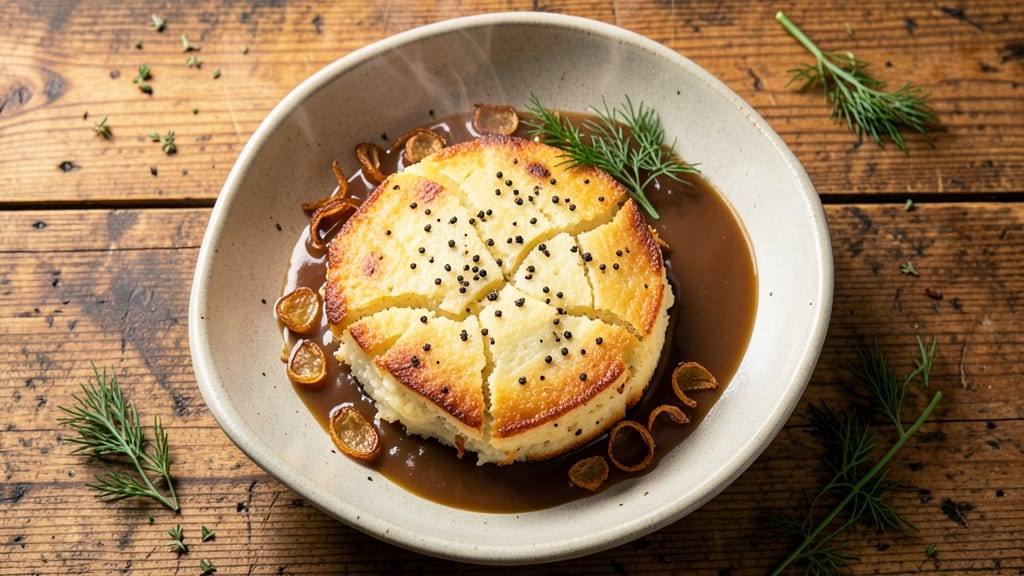
Izzy’s potato cake recipe delivers the perfect balance of crispy edges and fluffy centers that’ll have everyone reaching for seconds. This classic side dish transforms simple potatoes into golden, tender slices that pair beautifully with everything from hearty stews to fresh salads.
I’ve refined the technique over years—starting with the right potato-to-flour ratio and precise frying—to ensure every bite is just right.
The secret lies in the batter: finely grated potatoes mixed with eggs, flour, and a touch of baking powder create that signature texture. What sets this recipe apart is the two-step cooking method—first pan-frying for a crispy crust, then baking to keep the inside light and airy.
It’s a foolproof technique that works every time, even for beginners.
By the end, you’ll have a stack of golden-brown potato cakes with a satisfying crunch outside and a soft, almost custardy center. The aroma alone will fill your kitchen with warmth, and the flavor—savory with a hint of potato sweetness—makes it a standout side.
Serve with tangy applesauce or a dollop of sour cream for the full experience.
This recipe scales perfectly for gatherings, and leftovers reheat beautifully in the oven. Whether you’re hosting a dinner or just craving comfort food, these potato cakes bring hearty satisfaction to any table. Let’s get cooking!
Ingredients for izzy's potato cake
Simple ingredients create restaurant-quality potato cakes with crispy edges and fluffy centers.
| Ingredient | Amount | Notes |
|---|---|---|
| Russet Potatoes 🥔 | 3 lb | Peeled, finely grated |
| All-Purpose Flour 🌾 | 1 ½ cups | For binding batter |
| Large Eggs 🥚 | 3 whole | Room temperature preferred |
| Baking Powder 🧂 | 1 tbsp | Aluminum-free preferred |
| Salt 🧂 | 1 tsp | Fine sea salt preferred |
| Black Pepper 🌶️ | ½ tsp | Freshly ground preferred |
| Vegetable Oil 🫒 | 1 cup | For frying, high smoke point |
| Butter 🧈 | ¼ cup | Melted for crispiness |
| Milk 🥛 | ¼ cup | Whole milk preferred |
| Applesauce 🍎 | ¼ cup | For moisture balance |
| Sour Cream 🧀 | ¼ cup | Optional for serving |
Russet potatoes are non-negotiable for this recipe—their high starch content creates that perfect light, fluffy texture. Buy organic when possible for fewer eyes and better flavor, but conventional works fine. Look for firm, unblemished potatoes with vibrant skin—avoid any with sprouts or soft spots. The 3 lb quantity scales perfectly for a crowd, giving you about 20-24 cakes, which is ideal for a family dinner or gathering. Pro tip: Pre-grate the potatoes while they’re still cold to prevent excess moisture in the batter.
No applesauce? Plain yogurt or mashed sweet potato works as a 1:1 substitute—just adjust for thickness. If you’re avoiding dairy, unsweetened applesauce plus a pinch of baking soda mimics the moisture and slight tang. For the oil, avocado oil adds a neutral flavor that won’t overpower, while vegetable oil keeps costs down without sacrificing quality. The baking powder is critical—double-acting varieties ensure even leavening, but regular works in a pinch. And if you’re short on time, pre-grated frozen potatoes (thawed) save 20 minutes of prep without sacrificing texture.
The grated potatoes absorb moisture quickly, so press them through a fine-mesh sieve to remove excess liquid before mixing with dry ingredients. Store the batter in an airtight container in the fridge for up to 2 days—it actually tastes better the next day as flavors meld. For best results, pan-fry the cakes over medium-low heat to develop a golden crust without burning. After baking, keep them wrapped in a clean towel at room temperature for up to 4 hours to maintain crispness. For longer storage, freeze the cooked cakes on a tray before bagging—reheat in the oven at 375°F for 10-15 minutes to restore their perfect texture.
Why You'll Love This Recipe
- No-Fuss Weeknight Win: Honestly, the only prep that feels fussy is squeezing out those Russet Potatoes—trust me, it’s worth it. Everything else? Just mix, fry, and baste with melted butter while the kids watch cartoons. That’s how I sneak in a home-cooked meal when I’m running on coffee and deadlines.
- Chef’s-Kiss Texture: The crispy edges from frying at 350°F paired with the fluffy center? That’s the magic. And the applesauce keeps it tender without being soggy—no dry, dense potato cakes here. Plus, the buttery baste? Game-changer.
- Make-Ahead Magic: Prep the batter the night before, and it tastes even better the next day. Slap them in the fryer in the morning, and you’ve got a crowd-pleaser for brunch or a lazy Sunday dinner. My kids don’t even notice I “cheated”—they just know it’s their favorite.
- Budget Stretch: Three pounds of Russets and a few pantry staples? This feeds six people for less than a takeout run. And if you’re frying in batches, the oil gets reused smartly—no waste, just pure satisfaction.
Step-by-step instructions for izzy's potato cake recipe
Here's how to achieve that perfect balance of crispy edges and fluffy centers every time.
Grate and Squeeze the Russet Potatoes
Begin by peeling the 3 lb Russet Potatoes using a vegetable peeler or chef's knife. Cut them into even chunks and grate them using the large holes of a box grater. You should have about 6 cups of grated potato.
Transfer the grated potatoes to a clean kitchen towel or cheesecloth and squeeze out as much moisture as possible. This step is crucial for crispy edges—excess moisture prevents proper browning. Press firmly with your hands and twist the towel to wring out the water. You want the potatoes to feel dry to the touch but still hold together when pressed.
Mix the Batter for Perfect Texture
In a large mixing bowl, combine the 1½ cups All-Purpose Flour, 1 tbsp Baking Powder, 1 tsp Salt, and ½ tsp Black Pepper. Whisk these dry ingredients together until evenly distributed and there are no visible flour clumps.
Create a well in the center of the dry mixture and add the 3 Large Eggs, ¼ cup Applesauce, ¼ cup Milk, and the squeezed grated potatoes. Using a spatula, gently fold everything together until just combined. Avoid overmixing—you want a thick, slightly lumpy batter. The applesauce adds moisture while keeping the texture light and fluffy.
Heat the Oil for Frying
Fill a deep, heavy-bottomed skillet or Dutch oven with 1 cup Vegetable Oil and place it over medium heat. Insert a kitchen thermometer to monitor the oil temperature—it should reach 350°F. This is the ideal temperature for achieving crispy edges without burning the inside.
While the oil heats, melt the ¼ cup Butter in a small microwave-safe bowl for 20-30 seconds or until fully liquid. This butter will be used to baste the potato cakes during frying, adding richness and enhancing crispiness. Keep it nearby for the next step.
Fry the Potato Cakes Until Golden
Using a large spoon or ice cream scoop, portion the batter into 6 equal-sized cakes and gently place them into the hot oil. Fry 2-3 cakes at a time to avoid overcrowding, which lowers the oil temperature. You'll know they're ready to flip when the undersides are golden brown and the edges begin to crisp, typically after 3-4 minutes per side.
While frying, use a baster or small spoon to carefully drizzle the melted butter over the top of each cake. This creates an extra-crispy crust and infuses flavor. Continue frying until all sides are deep golden brown and the internal temperature reaches 190°F when tested with an instant-read thermometer. This ensures they're fully cooked but still tender inside.
Drain and Serve with Sour Cream
Transfer the fried potato cakes to a paper towel-lined plate to drain excess oil. Let them rest for 2-3 minutes before serving. This resting period allows the internal heat to distribute, keeping the centers warm and fluffy while the outsides remain crispy.
Serve immediately with the ¼ cup Sour Cream on the side for dipping. The contrast of cool sour cream against the warm, crispy potato cakes creates the perfect balance of textures and flavors. These potato cakes stay crispy for about 15 minutes, so serve them right away for the best experience.
Pro Tips For Making Izzy'S Potato Cake
- Test Oil Temperature: I learned the hard way—skipping the thermometer means guessing, and guesswork leads to greasy or burnt cakes. Keep that oil steady at 350°F (no higher, no lower) or your edges will either soak up oil like a sponge or turn to charcoal before the inside cooks.
- Squeeze Like You Mean It: The towel trick isn’t just for show—really wring out those Russet Potatoes until they’re dry but still cling together. Wet potatoes = soggy cakes. (Yes, even if you’re impatient like me.)
- Don’t Overmix the Batter: Fold just until combined—lumpy is good, gluey is bad. Overmixing with the All-Purpose Flour and Eggs turns your cakes dense. Think "gentle" here, not "thorough."
- Baste with Butter Early: Drizzle that melted Butter before the cakes are fully golden—around 2 minutes in. It locks in crispiness and adds flavor without waiting for the last second. (Your future self will thank you.)
Health benefits of this izzy's potato cake
Complex Carbs Boost
This potato cake recipe delivers a hearty dose of complex carbohydrates from the russet potatoes, providing slow-release energy that keeps you full for hours.
A single serving (about 4 cakes) contains roughly 50 grams of carbs, with 10-12 grams of fiber—especially when you use organic potatoes with their skins intact. The fiber content helps stabilize blood sugar levels, making this a great choice for sustained energy during busy days. 💪
Protein-Packed Bites
Don’t let the potato focus fool you—this recipe packs high-quality protein from the 3 large eggs and 1.5 cups of flour, delivering about 12 grams of protein per serving. The eggs also contribute essential B vitamins, which support energy metabolism and brain function.
For extra protein, I sometimes add ¼ cup grated Parmesan cheese to the batter, boosting protein content by another 5 grams per serving without compromising texture.
Healthy Fats for Satiety
The ¼ cup of melted butter and 1 cup of vegetable oil used in frying provide monounsaturated fats, which support heart health and help your body absorb fat-soluble vitamins like vitamin A and vitamin E from the potatoes.
Opt for avocado oil instead of vegetable oil to increase the omega-9 fatty acid content, which may further reduce inflammation. Just be mindful of portion sizes—these fats are calorie-dense, so balance them with the fiber-rich potatoes.
Vitamin and Mineral Powerhouse
Russet potatoes are packed with vitamin C (about 25% of your daily value per serving), which supports immune function and collagen production. They also provide potassium (critical for heart health and muscle function) and vitamin B6, which aids in metabolism and red blood cell production.
The baking powder adds a small amount of sodium, but the overall recipe remains relatively low in sodium compared to processed potato products.
Gluten-Friendly Adaptation
While this recipe uses all-purpose flour, you can easily make it gluten-free by substituting 1.5 cups of gluten-free 1:1 baking flour (like Bob’s Red Mill). The texture remains crispy and fluffy, though you may need to add 1 extra egg to help bind the batter.
For extra crispiness, I recommend using a gluten-free cornstarch blend in the frying oil—it creates a lighter crust without gluten. Always check labels for hidden gluten in baking powder and spices if you're strictly gluten-free. ✨
Low-Calorie Option
For a lighter version, reduce the oil to ½ cup and use a nonstick skillet to minimize sticking. Replace ¼ cup of the butter with unsweetened applesauce to cut calories while maintaining moisture.
This adaptation shaves off about 150 calories per serving without sacrificing flavor. Pair with a side salad or steamed vegetables to keep the meal balanced and nutrient-dense.
Nutrition facts
Frequently asked questions
Why does squeezing the potatoes matter so much?
Squeezing out moisture from the grated potatoes is key to achieving that perfect crispy crust. Excess liquid steams the batter instead of frying it, leading to soggy edges. After grating, wring the potatoes through a clean towel until they’re dry but still hold together—this step makes all the difference!
Can I make these potato cakes ahead of time?
Store the batter in an airtight container in the fridge for up to 2 days—the flavors actually improve overnight. For cooked cakes, wrap them in a clean towel at room temperature for up to 4 hours to keep them crispy. Reheat in the oven at 375°F for 10-15 minutes if needed.
What’s the best way to avoid overcrowding the pan?
Fry 2-3 cakes at a time to maintain the ideal oil temperature of 350°F. Overcrowding drops the temperature, leading to greasy cakes instead of crispy ones. Use a kitchen thermometer to monitor the oil, and let the pan return to temperature between batches.
How do I know when the potato cakes are fully cooked?
They’re done when they reach an internal temperature of 190°F and are deep golden brown on all sides. A thermometer ensures they’re fully cooked but still tender inside—no more guessing! Test by cutting one open if unsure.