
Desserts
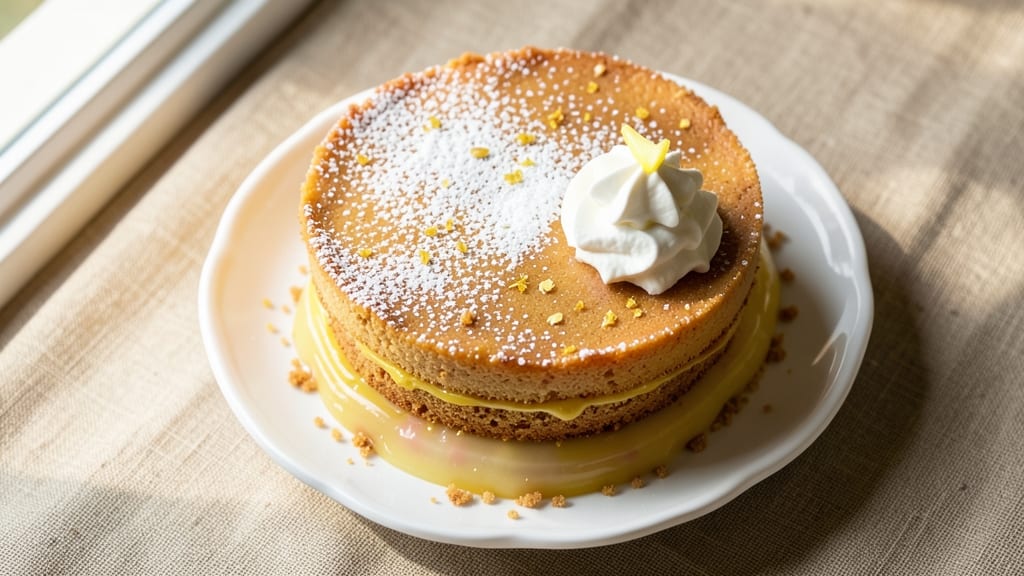
This Jello lemon pudding cake recipe delivers the perfect balance of creamy, tangy, and citrusy layers in one elegant dessert—no baking skills required. After years of testing variations, I've perfected a method that transforms simple ingredients into a restaurant-worthy treat with minimal effort.
The secret lies in precise layering and chilling times that create that signature texture we all love.
The magic happens in three distinct layers: a moist cake base that bakes up tender, a velvety lemon pudding that stays rich and smooth, and a vibrant Jello layer that adds just the right amount of citrusy bounce.
What makes this recipe truly special is how each component works together—no soggy bottoms or overly sweet flavors here. The cake provides structure, the pudding adds creaminess, and the Jello brings that refreshing zing we crave in summer desserts.
By the time you're done assembling, you'll have a dessert that looks impressive enough for a dinner party but requires only basic kitchen tools. The lemon flavor shines through every layer, creating a bright, citrusy profile that's impossible to resist.
Best of all, this recipe delivers foolproof results—no advanced techniques needed, just patience and attention to chilling times.
Whether you're serving this at a family gathering or treating yourself to a special dessert, the layered texture and vibrant colors make it a showstopper. The cake stays moist for days when stored properly, and the pudding maintains its creamy perfection. Let's get started on creating this citrusy masterpiece!
Ingredients for jello lemon pudding cake
Bright citrus and creamy layers combine effortlessly for this foolproof dessert masterpiece.
| Ingredient | Amount | Notes |
|---|---|---|
| All-Purpose Flour 🌾 | 2 ½ cups | Sifted for tender cake |
| Granulated Sugar 🍬 | 1 ½ cups | For sweetness balance |
| Large Eggs 🥚 | 4 whole | Room temperature preferred |
| Unsalted Butter 🧈 | ¾ cup | Melted and cooled |
| Pure Lemon Juice 🍋 | ½ cup | Freshly squeezed preferred |
| Vanilla Extract 🌿 | 1 ½ tsp | Pure vanilla preferred |
| Baking Powder 🧂 | 2 tsp | For cake lift |
| Salt 🧂 | ½ tsp | Fine grain preferred |
| Lemon Jello Powder 🍋 | 1 ½ oz | Unflavored gelatin alternative |
| Heavy Whipping Cream 🧈 | 1 ½ cups | Full-fat for richness |
| Powdered Sugar 🍬 | ½ cup | For pudding sweetness |
| Lemon Zest 🍋 | 2 tbsp | From 2 lemons, no pith |
The secret to that signature texture starts with your flour—sift it to avoid lumps, and don't skip the room-temperature eggs. I always grab King Arthur flour for baking, but honestly any all-purpose will work. The lemon juice matters too—fresh is non-negotiable here. If you're squeezing your own, use 3-4 lemons for that 0.5 cup. The vanilla extract? Pure vanilla is worth the extra cost—imitation stuff tastes sad in this recipe. And for the Jello layer, Jell-O lemon flavor is the only way to go—no substitutes here.
No fresh lemons? Lemon curd from a jar works in a pinch (use 0.375 cup + 1 tbsp water). Heavy cream too expensive? Whole milk + 2 tbsp butter stretches it out. Want to skip the Jello layer entirely? Add 0.5 cup whipped cream to the pudding mix instead—still delicious, just different texture. The powdered sugar can be replaced with regular sugar sifted finely, but it's messier. And if you're worried about the pudding separating, whip the cream first before folding it in—trust me, it's worth the extra minute.
Assemble the layers in order—cake first, then pudding, then Jello—and chill for at least 4 hours to let everything set properly. The cake keeps 3 days in an airtight container, and the assembled dessert stays good for 2 days. For best results, make it a day ahead—the flavors meld beautifully overnight. If you're serving at room temperature, take it out 1 hour before to soften just enough. And don't skip the lemon zest! It's the little boost that makes this dessert shine.
Why You'll Love This Recipe
- One-Pan Magic: Honestly, this recipe is my secret weapon for when I want to impress but don’t want to spend all day in the kitchen. The cake bakes while you make the pudding—no multitasking stress, just one pan, one spatula, and a cake that turns out spot-on every time.
- Bright Citrus Bliss: That ½ cup of fresh lemon juice? Game-changer. It’s not just sweetness—it’s that sharp, tangy punch that makes every bite feel like sunshine in your mouth. The vanilla and lemon zest just tie it all together into something dangerously addictive.
- Fancy Without the Fuss: I serve this at brunch parties and my mom’s dinner gatherings, and no one believes it’s homemade. It’s the kind of dessert that looks like it belongs in a bakery window but takes less than an hour to pull off. Plus, it’s my go-to when I want to feed a crowd without the cleanup headache.
- Leftovers? More Like Leftovers Love: The cake keeps for three days, and the assembled dessert lasts two—meaning you can make it on Sunday and still have perfect slices for Monday. Budget-friendly too: a 9-inch pan, pantry staples, and no weird ingredients. My daughter even asks for seconds, and she’s picky.
Step-by-step instructions for Jello lemon pudding cake
This one-bowl wonder combines cake and pudding layers—here's how to nail it every time.
Prepare the Cake Batter
Preheat your oven to 350°F and grease a 9-inch round cake pan with the ¾ cup unsalted butter, reserving 2 tablespoons for later. In a large mixing bowl, whisk together the 2½ cups all-purpose flour, 1½ cups granulated sugar, 2 teaspoons baking powder, and ½ teaspoon salt. This dry mix creates the perfect tender crumb for your cake layers.
In a separate bowl, beat the 4 large eggs until slightly frothy, then mix in the ½ cup pure lemon juice, 1½ teaspoons vanilla extract, and 2 tablespoons lemon zest. Slowly pour the wet ingredients into the dry ingredients while gently folding with a spatula—just until combined. Avoid overmixing to keep your cake light and airy. The batter should look thick but smooth, with no visible flour streaks.
Pour the batter into your prepared pan and smooth the top with a spatula. Bake for 25-30 minutes, or until a toothpick inserted in the center comes out clean. The edges should be golden brown while the center remains slightly springy to the touch. Let the cake cool in the pan for 10 minutes before transferring to a wire rack to cool completely.
Make the Lemon Pudding Filling
While the cake bakes, combine the 1½ oz lemon jello powder with ½ cup powdered sugar in a medium saucepan. Gradually whisk in 1½ cups heavy whipping cream until fully dissolved. Cook over medium heat, stirring constantly, until the mixture thickens to a pudding-like consistency—about 5-7 minutes. You'll know it's ready when it coats the back of a spoon and holds its shape when dropped from a spoon.
Remove from heat and stir in the remaining 2 tablespoons reserved unsalted butter until melted and fully incorporated. Let the pudding cool to room temperature, stirring occasionally to prevent a skin from forming. The filling should be smooth and slightly glossy, with a bright lemon flavor that complements the cake layers perfectly.
Assemble the Layers
Once the cake has cooled completely, use a serrated knife to level the top if needed, then cut the cake horizontally into three equal layers. Place the bottom layer in your serving dish or cake pan. Spread one-third of the lemon pudding filling evenly over the cake layer, then repeat with the remaining two cake layers and pudding, ending with the top layer of cake.
To create the signature pudding cake effect, poke small holes all over the top layer with a skewer or fork, then spoon the remaining pudding mixture over the top, allowing it to seep down between the layers. This creates that signature marbled look and ensures every bite has both cake and pudding. Chill the assembled cake in the refrigerator for at least 4 hours, or preferably overnight, to allow the flavors to meld completely.
Pro Tips For Making Jello Lemon Pudding Cake
- Sift the Flour: I learned this the hard way—skipping the sift for the 2.5 cups all-purpose flour makes the cake dense and crumbly. Use a fine-mesh sieve and tap the bowl gently to break up any lumps before mixing. The extra effort gives you that light, cloud-like texture you’re after.
- Whisk Eggs Until Slightly Thick: Don’t just crack and stir the 4 large eggs—whisk them until they’re frothy but not stiff, about 30 seconds. This incorporates air into the batter, which helps the cake rise properly. Room-temperature eggs mix better too, so take them out of the fridge 30 minutes ahead if they’re cold.
- Stir Pudding Constantly: The pudding’s consistency is everything, and skipping constant stirring while cooking the 1.5 oz lemon jello powder with 1.5 cups heavy whipping cream will give you lumps—or worse, a grainy mess. Use a wooden spoon and keep it moving; the moment it coats the back of your spoon is when you stop. No shortcuts here.
- Chill the Cake Fully: Resist the urge to assemble the cake layers before it’s completely cooled. If you cut into the cake too soon, the pudding filling will melt into a soupy mess instead of staying put. Let it sit on the rack for at least an hour—your patience will pay off with clean slices and that perfect marbled effect.
Essential equipment for great jello lemon pudding cake
Your Basic Mixing Tools
You’ll need a large mixing bowl and a spatula for combining ingredients—no fancy gadgets required. I use a stainless steel bowl from OXO for even mixing, but any sturdy bowl works. A wire whisk helps incorporate air into the batter for extra lightness.
For measuring, liquid measuring cups and a dry measuring spoon set are essential. These tools are your foundation for smooth, lump-free batter.
The Oven & Pan Setup
A reliable 350°F oven is critical—test it with an oven thermometer to ensure accuracy. For baking, a 9-inch round cake pan is non-negotiable. I prefer Wilton nonstick pans because they release the cake effortlessly.
Grease it well with unsalted butter and line the bottom with parchment paper for extra insurance against sticking. 🔥
Saucepan for Pudding Magic
The medium saucepan you use for the pudding layer should have a heavy bottom to distribute heat evenly. I recommend a Le Creuset or All-Clad pan for even cooking and easy cleanup.
Stirring constantly with a spoon or rubber spatula prevents scorching while you thicken the mixture. A thermometer (like Thermoworks) helps confirm when the pudding reaches the perfect 160°F consistency.
Chilling & Serving Essentials
For chilling, a large refrigerator with consistent 40°F temperature is ideal. I keep a wire rack inside my fridge to elevate the cake pan, allowing air to circulate and prevent sogginess.
For serving, a slicing knife (like Wüsthof) and a serrated knife for leveling the cake are must-haves. A parchment-lined plate keeps things clean while presenting your dessert beautifully.
Budget-Friendly Swaps
No Le Creuset pan? A stainless steel skillet works just as well for pudding. Skip expensive tools like Thermoworks and use a digital kitchen scale for precise measurements instead.
A plastic spatula from Target’s Dollar Spot works fine for mixing. The key is consistency—even basic tools can deliver perfect results when used correctly. 💡
Nutrition facts
Frequently asked questions
Why does my cake layer come out dense instead of light?
Overmixing the batter is the #1 culprit! Gently fold the wet ingredients into the dry mix just until combined—no more than 10 strokes. Also, ensure your eggs are room temperature and your flour is sifted to avoid dense crumbs. Baking at 350°F for 25-30 minutes is key for even rise.
How do I prevent the pudding from separating?
Whisk the lemon jello powder and powdered sugar thoroughly with the heavy whipping cream before heating. Cook over medium heat and stir constantly—stopping just when it thickens (5-7 minutes). Let it cool slowly to room temp to avoid skin formation.
Can I make this dessert ahead of time?
Assemble the layers 1 day ahead and refrigerate. The flavors meld beautifully overnight. Serve at room temp after 1 hour outside the fridge. The cake keeps 3 days in an airtight container if stored separately.
What if I don't have jello powder?
Use 1 packet unflavored gelatin (2.5 tsp) dissolved in 2 tbsp warm water before adding to the pudding. Mix it in after heating the cream and sugar. The texture will be slightly different but still delicious!