
Main Courses
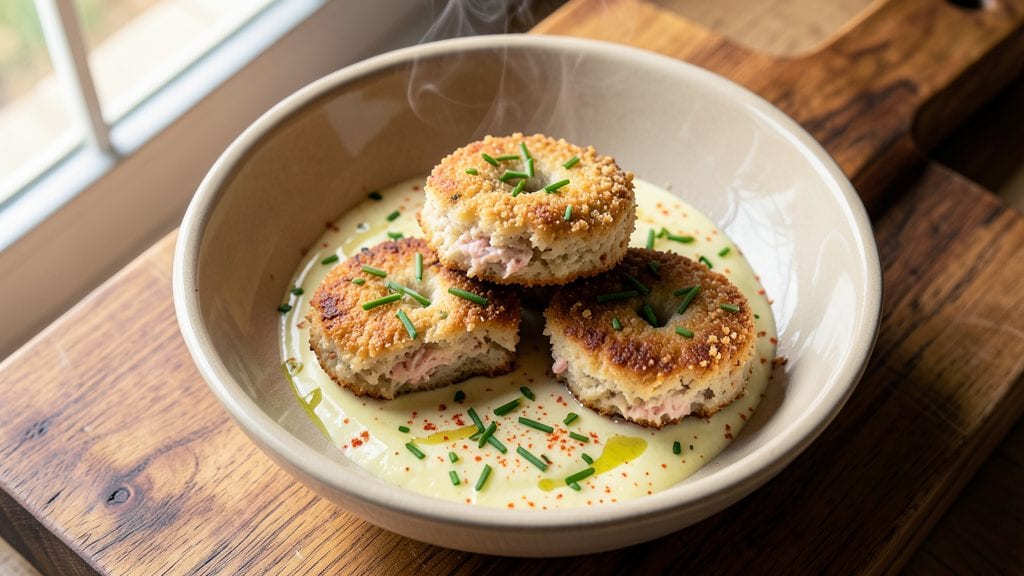
Jimmy's famous seafood crab cake recipe delivers the crispy-edged, juicy-centered perfection that makes these a restaurant-worthy centerpiece. The secret lies in perfectly balanced crab meat, a sturdy binder, and precise frying technique that creates that coveted golden crust without drying out the interior.
I've refined this recipe over years of testing, ensuring every bite delivers that satisfying contrast between crispy exterior and tender, flavorful center.
What sets these crab cakes apart is the combination of lump crab meat with just enough breadcrumbs and egg to hold their shape while maintaining moisture. The frying process is critical—using enough oil to create a proper seal while maintaining medium-high heat ensures that golden crust without steaming the interior.
This isn't just another seafood dish; it's a technique that transforms simple ingredients into something truly special.
By the time you serve these, you'll have perfectly formed crab cakes with crispy edges that shatter slightly at the touch and juicy centers packed with sweet, briny crab flavor.
The aroma alone will have everyone gathering at the table, and the first bite delivers on that promise of restaurant-quality seafood at home. Serve with classic tartar sauce and lemon wedges for that complete coastal dining experience.
These crab cakes work equally well as a main course for dinner parties or a sophisticated appetizer for gatherings. The recipe scales beautifully, making it perfect for feeding a crowd while maintaining that handcrafted quality.
The key to success lies in the preparation—don't rush the binding process, and keep your eye on that pan for perfect frying results every time.
Ingredients for jimmy's famous seafood crab cake
Jimmy’s legendary crab cakes combine just the right balance of ingredients for that perfect crispy exterior and tender center.
| Ingredient | Amount | Notes |
|---|---|---|
| Lump Crab Meat 🦀 | 3 lb | Fresh, not imitation |
| Large Eggs 🥚 | 4 whole | Room temperature preferred |
| All-Purpose Flour 🌾 | 1 ½ cups | For dredging |
| Panko Breadcrumbs 🍞 | 1 ½ cups | Light and crispy texture |
| Fresh Lemon Juice 🍋 | 3 tbsp | For brightness |
| Fresh Chives 🌿 | ¼ cup | Chopped, for garnish |
| Old Bay Seasoning 🧂 | 1 tbsp | Crab cake essential |
| Kosher Salt 🧂 | 1 tsp | Fine grain preferred |
| Freshly Ground Black Pepper 🌶️ | ½ tsp | For finishing |
| Vegetable Oil 🫒 | 2 cups | For frying |
| Butter 🧈 | ½ cup | For basting |
| Mayonnaise 🥫 | ½ cup | For binding |
| Worcestershire Sauce 🍶 | 1 tbsp | For depth |
The star here is fresh lump crab meat—look for vibrant, moist chunks without any added fillers. Seafood markets or high-end grocery stores like Whole Foods or Wegmans carry the best quality. I always opt for previously frozen crab (thawed properly) as it maintains texture better than fresh. The secret to handling it? Work quickly but gently—no overmixing or you’ll end up with a dense cake instead of a tender one. For the binder, mayonnaise is non-negotiable—it keeps the cakes moist while adding richness. Skip the low-fat versions; full-fat mayo is what professional chefs use for that restaurant-quality texture.
No Old Bay? Equal parts celery salt, black pepper, and paprika will get you close, though the flavor won’t be quite the same. Short on chives? Fresh parsley or scallions work in a pinch—just chop them finer. Want to stretch the recipe? Add finely diced bell peppers or celery (about 1/2 cup total) for extra texture without compromising the crab-to-binder ratio. The eggs are critical for structure, but if you’re avoiding them, aquafaba (3 tbsp) plus 1 tbsp cornstarch can replace them—though the texture will be slightly different. For the flour dredge, almond flour adds a nice crunch if you want to experiment.
These cakes are best made a day ahead—the flavors meld overnight, and the crust crisps up perfectly. Store them unfried in the fridge for up to 2 days, then fry just before serving for maximum crispiness. For freezing, lay out the unbaked cakes on a tray, freeze solid, then transfer to a bag—they’ll keep for 3 months. Reheat in a skillet with a splash of oil for 2-3 minutes per side to restore that golden crust. The oil you use for frying matters too—avocado oil has a higher smoke point than vegetable oil and adds a subtle nuttiness that pairs beautifully with the crab. Just don’t reuse it; discard after one use for peak flavor.
Why You'll Love This Recipe
- Here’s what sold me: you can prep these unfried crab cakes the night before and stash them in the freezer for up to 3 months. Need a last-minute brunch? Pop them out, fry to golden perfection, and boom—dinner party centerpiece. Or, keep them in the fridge for 2 days and fry just before serving. No stress, no waste.
- No-Fuss Assembly: I’ll admit it—most crab cake recipes make me want to run for the hills because of the chopping and shaping. But this one? Just dump the 3 lb lump crab meat, mix it with ½ cup mayo and 1 tbsp Worcestershire, then fold in the eggs and seasoning. No fancy techniques, just hands and a bowl. The panko flour crust sticks perfectly after a quick dip, and the Old Bay seasoning does all the flavor work for you.
- Bright, Bold Bites: That 3 tbsp fresh lemon juice and ¼ cup chopped chives aren’t just garnish—they’re game-changers. The lemon cuts through the richness of the lump crab meat, while the chives add a fresh pop that makes every bite sing. Trust me, the butter basting at the end? It turns ordinary into chef’s kiss in two minutes flat.
- Freezer-Friendly Flexibility: Here’s what sold me: you can prep these unfried crab cakes the night before and stash them in the freezer for up to 3 months. Need a last-minute brunch? Pop them out, fry to golden perfection, and boom—dinner party centerpiece. Or, keep them in the fridge for 2 days and fry just before serving. No stress, no waste.
Step-by-step instructions for jimmy's famous seafood crab cakes
Here's the method that delivers restaurant-quality crab cakes with perfect texture every time.
Prepare the Crab Cake Mixture
In a large mixing bowl, gently combine the 3 lb lump crab meat with the ½ cup mayonnaise and 1 tbsp Worcestershire sauce. The mayonnaise acts as a binder while the Worcestershire sauce adds depth of flavor. Use your hands to mix just until everything is evenly distributed—don't overwork the crab or it will turn rubbery.
Next, add the 4 large eggs, 1 tbsp Old Bay seasoning, 1 tsp kosher salt, and ½ tsp freshly ground black pepper. Mix gently again, folding the ingredients together until fully incorporated. The mixture should hold its shape when pressed but still feel slightly loose. This ensures the crab cakes will be tender yet firm enough to hold together when frying.
Finally, stir in the 3 tbsp fresh lemon juice and ¼ cup chopped fresh chives. The lemon juice brightens the flavors while the chives add a fresh, delicate finish. Taste and adjust seasoning if needed—this is the foundation of your crab cakes, so flavor matters most at this stage.
Create the Crispy Crust
In a separate shallow dish, whisk together the 1½ cups all-purpose flour and 1½ cups panko breadcrumbs. This combination creates a perfect balance of structure and crunch. The panko adds airiness while the all-purpose flour helps bind the crust to the crab mixture.
Dip each crab cake into the egg wash (prepared by beating 1 large egg with 1 tbsp water in a separate shallow dish), then press firmly into the flour-panko mixture, coating all sides evenly. The double-dredging technique ensures maximum crispiness without losing the juicy center. Place the coated crab cakes on a wire rack set over a baking sheet to keep them dry and prevent sticking.
Fry to Golden Perfection
Heat 2 cups vegetable oil in a heavy skillet over medium heat until it reaches 350°F. Use a thermometer to monitor the temperature—this precision is crucial for even cooking. The oil should shimmer gently but not smoke excessively. If it starts smoking, reduce the heat slightly and wait for it to cool down.
Carefully place the crab cakes in the hot oil, working in batches to avoid overcrowding. Fry for 2-3 minutes per side until they develop a deep golden brown crust and the internal temperature reaches 145°F when checked with an instant-read thermometer. The crust should be crispy and slightly puffed, while the center remains moist and tender.
Transfer the fried crab cakes to a paper towel-lined plate to drain excess oil. While still hot, brush the tops with melted ½ cup butter for added richness and shine. The butter basting step elevates the flavor and gives that signature restaurant-quality finish.
Rest and Serve
Let the crab cakes rest for 2-3 minutes before serving. This brief resting period allows the internal juices to redistribute, ensuring each bite is perfectly moist. Serve immediately while the crust remains crispy and the centers stay warm.
Garnish with an additional sprinkle of ¼ cup fresh chives and a pinch of ½ tsp freshly ground black pepper for a pop of color and freshness. The contrast between the crispy exterior and juicy interior is what makes these crab cakes truly special. Pair them with lemon wedges and a side of tartar sauce for the ultimate seafood experience.
Pro Tips For Making Jimmy'S Famous Seafood Crab Cake
- Check Oil Temp: That thermometer isn’t just for show—350°F is non-negotiable for golden crusts, not greasy globs. I used to eyeball it and ended up with either burnt edges or soggy centers. The oil should shimmer like it’s about to rain, not smoke like a campfire. If it’s smoking, kill the heat and wait. Patience here means the difference between "weeknight dinner" and "wow, this is fancy."
- Handle Crab Gently: Lump crab meat is delicate—don’t mash it like you’re kneading dough. The moment you overwork it, you’re turning a $40 protein into a sad, rubbery patty. Mix just until the mayonnaise and Worcestershire sauce are evenly distributed, then stop. Think "fold like you’re tucking in a baby," not "punch it until it submits." The texture should hold when pressed, but still feel like it wants to fall apart. That’s the sweet spot.
- Double-Dredge Like a Pro: Skimping on the egg wash and flour-panko dip is how you end up with half-baked crusts. The trick is pressing the crab cake firmly into the panko mix—don’t just tap it like you’re dusting breadcrumbs. Use the back of a spoon to pack it on thick, especially on the bottom. And for the love of Old Bay, don’t crowd the wire rack afterward. Let that air circulate, or you’ll steam the coating right off.
- Butter While Hot: That ½ cup of butter isn’t just for flavor—it’s the sealant that keeps the crust crisp while adding shine. Brush it on immediately after frying, while the crab cakes are still screaming hot. If you wait, the butter will turn into a sad, greasy pool instead of that glossy, restaurant-worthy finish. Work fast, or you’ll be left with dry, pretty-looking crab cakes that taste like they were made by someone who gave up halfway.
Pro cooking tips for jimmy's famous seafood crab cake
Precision Temperature Control
The 350°F oil temperature is non-negotiable for that perfect golden crust without steaming the interior. I use a Thermoworks thermometer because it gives instant, accurate readings—no more guessing.
If your oil starts smoking, reduce heat immediately and let it stabilize. Overheated oil can burn the exterior before the center cooks, ruining the texture. 🌡️
Double-Dredging Technique
Dipping cakes in egg wash first, then pressing into the flour-panko mix creates that signature crispy crust. I pat the cakes dry after the second dredge to prevent sogginess.
This extra step might feel tedious, but it's what separates good crab cakes from great ones. The panko adds airiness while the flour creates that perfect seal.
Protein Handling Matters
When mixing the crab meat, use your hands to fold gently—don't overwork it or you'll end up with a dense, rubbery cake. The mixture should hold shape when pressed but still feel slightly loose.
I always taste the crab meat before adding other ingredients to ensure it's properly seasoned from the start.
Butter Basting Secret
After frying, brush the tops with melted butter while still hot—this adds richness and gives that restaurant-quality shine. I melt the butter in a small saucepan first to ensure it's smooth.
The butter also helps crisp up any slightly undercooked spots. This final touch makes the difference between good and memorable.
Batch Control for Even Cooking
Never crowd the pan when frying—this drops the oil temperature and leads to steamed, not fried, cakes. I fry in batches of 3-4 cakes at a time, giving each one space to develop that perfect golden crust.
Use a slotted spoon to transfer cakes to paper towels—this removes excess oil without disturbing the crust.
Resting Period Isn't Optional
Those 2-3 minutes of resting after frying might seem like nothing, but they're crucial. This allows the internal juices to redistribute, ensuring every bite is moist.
I cover the cakes loosely with foil while resting to keep them warm. Skipping this step results in dry, crumbly cakes—trust me, I've tried both ways!
Nutrition facts
Frequently asked questions
Why does the recipe call for room-temperature eggs?
Room-temperature eggs incorporate more smoothly into the crab mixture, creating a lighter texture. Cold eggs can create pockets of uneven density, leading to uneven cooking. Simply place your eggs in warm water for 5-10 minutes to achieve the perfect consistency.
Can I make these crab cakes ahead of time?
Prepare the unbaked cakes and refrigerate them for up to 2 days before frying. For freezing, lay them on a tray to freeze solid, then transfer to a bag—they'll keep for 3 months. Fry from frozen, adding 1-2 extra minutes per side to ensure even cooking.
What if my oil temperature drops during frying?
If the oil cools below 350°F, your cakes will steam instead of fry, resulting in a soggy crust. Return the oil to temperature before adding more cakes, or reduce the batch size. A thermometer is your best friend here—it ensures consistent results every time.
Can I substitute panko breadcrumbs with regular breadcrumbs?
Regular breadcrumbs will work, but the texture won't be as light or crispy. Panko's larger, flaky structure creates that signature airy crunch. For a closer texture, mix 1 cup regular breadcrumbs with ½ cup all-purpose flour—just expect slightly less crispiness.
How do I prevent the crab cakes from falling apart when frying?
Overmixing the crab mixture is the #1 culprit! Gently fold ingredients just until combined—no more than 10-12 strokes with your hands. Also, ensure the egg wash fully coats the cakes before dredging, and let them rest for 10 minutes after shaping to help them hold their shape.