
Main Courses
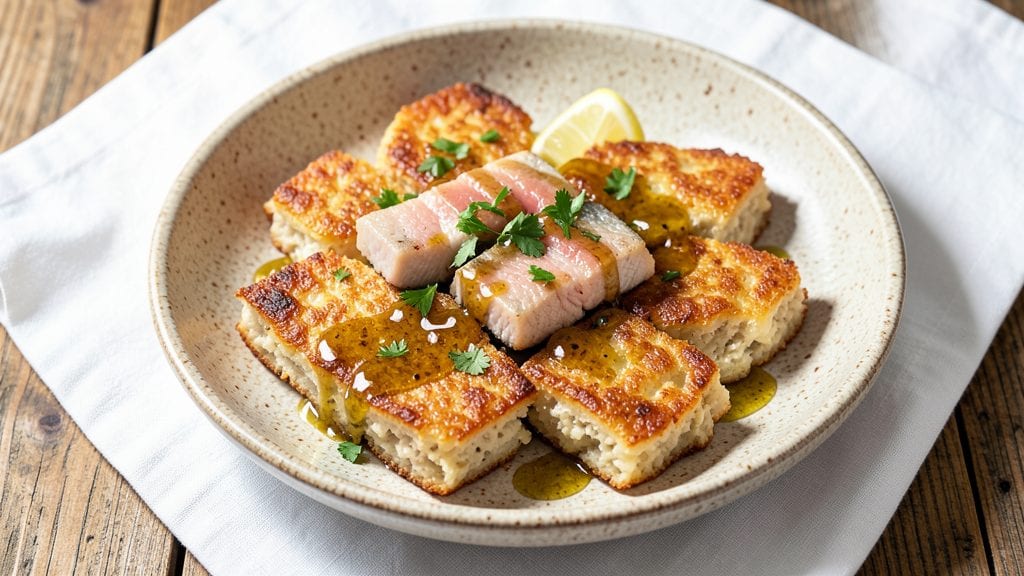
This mackerel cakes recipe delivers golden, crispy beer-battered bites with a tangy lemon zing that transforms simple fish into a restaurant-worthy dish.
I developed this method after years of experimenting with textures—crispy on the outside, tender on the inside, and packed with flavor that stands up to even the pickiest eaters.
The secret lies in the precise balance of beer and egg in the batter, which creates that signature crunch while keeping the fish moist.
The process is straightforward once you master a few key techniques: properly boning and cutting the mackerel ensures even cooking, while the beer batter adds depth that store-bought mixes can't match.
We'll pan-fry these cakes until they're golden brown, then finish with a bright lemon squeeze that cuts through the richness. This recipe serves four as a main course, making it perfect for weeknight dinners or gathering friends around the table.
What you'll end up with is a plate of crispy, aromatic mackerel cakes that are impossible to resist—each bite delivers a perfect contrast of textures and flavors. The beer batter adds a subtle malty note, while the lemon zing keeps things fresh and bright.
This dish pairs beautifully with tartar sauce, pickles, or a simple arugula salad to round out the meal. Let's get started on creating these crispy, flavorful bites.
For those with dietary restrictions, we'll explore variations that keep the same fantastic texture while adapting to gluten-free or spicier preferences. The beauty of this recipe is its versatility—whether you're serving it as a classic appetizer or a hearty main course, these mackerel cakes will impress every time.
Ready to master this technique?
Ingredients for mackerel cakes
Golden beer-battered mackerel with crispy edges and zesty lemon—just a handful of ingredients for restaurant-quality bites.
| Ingredient | Amount | Notes |
|---|---|---|
| Fresh Mackerel Fillets 🐟 | 1 ½ lb | Skin removed, boneless, cut into 1-inch pieces |
| All-Purpose Flour 🌾 | 1 cup | For crispy batter coating |
| Dark Lager Beer 🍺 | 1 cup | Cold, not flat, like Guinness or Stella |
| Large Eggs 🥚 | 1 whole | Room temperature for best binding |
| Extra-Virgin Olive Oil 🫒 | ½ cup | For frying, high smoke point |
| Lemon Juice 🍋 | 2 tbsp | Freshly squeezed, bright flavor |
| Garlic Cloves 🧄 | 2 cloves | Minced, for aromatic punch |
| Fresh Parsley 🌿 | ¼ cup | Chopped, for fresh finish |
| Salt 🧂 | 1 ½ tsp | Kosher salt, adjust to taste |
| Black Pepper 🌶️ | ½ tsp | Freshly ground for heat |
| Vegetable Oil 🫒 | 2 cups | For deep frying, neutral flavor |
| Baking Soda 🍞 | ½ tsp | For extra crispiness |
| Dijon Mustard 🍯 | 1 tsp | For subtle tang in batter |
The mackerel is the star—look for fresh, sustainably sourced fillets at your local seafood counter or Trader Joe's (their frozen works too). Skinless and boneless makes life easier, but if you're feeling fancy, ask your fishmonger to do it. The beer? Cold and dark is key—Guinness or Stella add that malty depth. If you're using frozen, thaw it in the fridge overnight. For extra crispiness, pat the fillets dry before dredging. The lemon juice should be freshly squeezed—bottled just won’t cut it here.
No dark lager? Stout or even a light ale works in a pinch, but avoid lagers that taste too bitter. Short on parsley? Fresh dill or chives add a nice brightness. The Dijon mustard is non-negotiable—it’s what gives the batter that subtle tang. Pre-shredded cheese in the flour? Toss it. It’s full of anti-caking agents that’ll ruin your crisp. If you’re making this ahead, keep the batter and fish separate until ready to fry—otherwise, the mackerel will get soggy. For gluten-free, swap the all-purpose flour for a 1:1 gluten-free blend, but add an extra 0.5 tsp xanthan gum for crispiness.
These cakes are best served immediately, but if you’ve got leftovers, reheat in a 375°F oven for 5-7 minutes—they’ll lose crispiness if fried again. Store the batter in the fridge for up to 24 hours (the beer keeps it fresh), and the cooked cakes in an airtight container for 2 days. Freeze uncooked cakes on a tray first, then transfer to a bag for 1 month. Pro tip: Double the batter and fry in batches—crowding the pan drops the oil temp and makes them greasy.
Why You'll Love This Recipe
- No Messy Prep: Honestly, the only chopping here is mincing garlic and chopping parsley—that’s it. The mackerel is already skinless and boneless, so no gutting or filleting stress. Just cube those fillets, toss them in the batter, and you’re done with prep. Trust me, this isn’t one of those recipes where you’re stuck scrubbing a fish for hours.
- Beer-Battered Magic: That dark lager beer in the batter isn’t just for show—it makes the coating light and crispy, not greasy. The lemon juice and Dijon mustard add a tangy kick, while the olive oil finish ties everything together. It’s like a perfect balance of crunchy, creamy, and bright. My kids don’t even notice they’re eating fish—until they’re seconds in.
- Crowd-Pleaser Always: These cakes are that dish—great for game day, potlucks, or even a fancy dinner when you’re feeling lazy. Serve them with tartar sauce, a zesty lemon wedge, or just straight up. They’re hearty enough for a main but light enough to share. I’ve made them for picky eaters and seafood lovers, and everyone walks away happy.
- Leftovers? No Problem: If you have a few cakes left, reheat them in the oven for 5-7 minutes at 375°F—they’ll still be crispy enough to hold their own. And the batter? Store it in the fridge for up to 24 hours—just add fresh fish and fry again. It’s the kind of recipe that doesn’t waste a thing, and honestly, who doesn’t love saving time?
Step-by-step instructions for crispy beer-battered mackerel cakes
Here's how to create golden, crunchy mackerel cakes that stay crispy outside while staying tender inside.
Prepare the Mackerel and Batter Mixture
In a large bowl, combine the 1 cup all-purpose flour, ½ tsp baking soda, 1½ tsp salt, and ½ tsp black pepper. This dry mix forms the foundation of your crispy batter. In a separate bowl, whisk together the 1 large egg, 1 cup cold dark lager beer, 1 tsp Dijon mustard, and 2 tbsp lemon juice until smooth and well combined.
Gently fold the wet mixture into the dry ingredients, creating a thick but pourable batter. The beer adds moisture and lightness while creating that signature crispy texture. If the batter looks too thick, add 1-2 tablespoons of cold beer to reach a consistency similar to heavy cream. Here's the thing—this batter needs to coat the fish well but not be runny, or your cakes will fall apart during frying.
Create the Mackerel Cakes
Cut the 1½ lb fresh mackerel fillets (already skinless and boneless) into 1-inch pieces. Place the mackerel pieces in the batter and gently coat each piece, ensuring they're fully covered but not dripping. Let them sit for 5 minutes—this gives the batter time to adhere properly to the fish.
While the mackerel soaks, mince the 2 garlic cloves and finely chop the ¼ cup fresh parsley. These aromatics will add depth of flavor to your finished cakes. In a small bowl, mix the minced garlic and parsley with 1 tablespoon of the extra-virgin olive oil. This will be your finishing garnish after frying.
Fry to Crispy Perfection
Fill a deep skillet or Dutch oven with 2 cups vegetable oil and heat it over medium-high heat until it reaches 350°F. You'll know it's ready when a small piece of batter dropped in sizzles immediately and floats to the surface. This is crucial—too low a temperature will give you greasy cakes instead of crispy ones.
Working in batches to avoid overcrowding, carefully slide 4-5 mackerel cakes into the hot oil. Fry for 3-4 minutes per side until they turn a beautiful golden brown color. The cakes should be crispy on the outside but still tender inside. Don't walk away—keep an eye on them to prevent burning. Transfer the fried cakes to a paper towel-lined plate to drain excess oil.
Finish and Serve Immediately
While the cakes are still hot, drizzle them with the remaining ¼ cup extra-virgin olive oil mixed with the garlic-parsley mixture. This adds a fresh, aromatic finish that complements the crispy batter. Serve the mackerel cakes immediately with lemon wedges on the side—this bright citrus flavor cuts through the richness of the beer batter.
For maximum crispiness, serve these right away while the batter is at its peak crunch. The cakes will stay crispy for about 10 minutes after frying, so have everything ready before you start cooking. Pair them with a simple arugula salad or tartar sauce for a complete meal that's as delicious as it is satisfying.
Pro Tips For Making Mackerel Cakes
- Test the Oil Right: Drop a tiny bit of batter into the oil—if it sizzles and floats immediately, you’re golden. I used to eyeball it and end up with greasy cakes. That 350°F mark isn’t just a suggestion; it’s the difference between crispy and soggy.
- Let Fish Breathe: Pat those 1-inch mackerel pieces very dry before dredging—wet fish won’t crisp up. I learned this after frying fish that came out like fish sticks. A paper towel works, but don’t skip it.
- Don’t Rush the Soak: Those 5 minutes the batter sits on the fish? Crucial. It’s not just waiting—it’s letting the beer and flour marry to the fish so it doesn’t fall apart when frying. I know, I know, but trust the process.
- Work in Small Batches: Four or five cakes at a time, max. Overcrowding drops the oil temp, and suddenly you’ve got greasy, unevenly cooked fish. I’ve burned three batches because I was impatient—your future self will thank you for patience.
Best sauces and condiments for this dish
Tartar Sauce Magic
The classic pairing for these mackerel cakes is a homemade tartar sauce that balances the crispy batter with cool, creamy freshness.
Mix ½ cup mayonnaise (like Hellmann's) with 1 tbsp finely chopped capers, 1 tbsp chopped fresh dill, 1 tbsp lemon juice, and 1 tsp Dijon mustard. Add a pinch of salt and ½ tsp Worcestershire sauce for depth.
The capers add a briny punch that cuts through the richness, while the dill complements the parsley in your cakes. 🥗
Lemon Aioli Boost
For a tangier twist, try a lemon aioli drizzle. Blend ½ cup mayonnaise with 2 tbsp lemon juice, 1 minced garlic clove, 1 tsp honey, and ½ tsp salt.
Thin with a splash of water if needed. This sauce adds a bright, herby contrast that enhances the beer-battered crunch while keeping the lemon zing you love. The honey balances the acidity beautifully.
Spicy Sriracha Mayo
If you crave heat, mix ½ cup mayonnaise with 1-2 tbsp sriracha (adjust to taste), 1 tbsp lime juice, and ½ tsp grated ginger. The spicy kick from Penzeys Sriracha (my favorite) transforms these cakes into a fiery appetizer.
Serve with a side of cool cucumber slices to balance the heat—trust me, it’s addictive. 🌶️
Herb-Infused Yogurt Dip
For a lighter option, blend ½ cup plain Greek yogurt with 1 tbsp chopped mint, 1 tbsp chopped parsley, 1 tsp lemon zest, and ½ tsp garlic powder. This creamy, tangy dip adds freshness without heaviness.
The yogurt’s acidity cuts through the fried batter, while the herbs echo the flavors in your cakes. Perfect for those who prefer a lighter sauce option.
Crunchy Pickled Onion Topping
Quick-pickle ½ cup thinly sliced red onions in ¼ cup white vinegar, 1 tbsp sugar, and ½ tsp salt for 20 minutes. Drain and pat dry before sprinkling over your hot cakes.
The sweet-tart onions add texture and a refreshing contrast to the crispy exterior. This simple step elevates the dish from good to unforgettable. 💫
Nutrition facts
Frequently asked questions
Why use cold dark lager beer in the batter?
The cold dark lager adds moisture and creates that signature crispy texture without making the batter too wet. The beer's carbonation helps create air pockets in the batter, giving your mackerel cakes that perfect light, golden crust. Using cold beer also prevents the batter from getting too runny, which helps the cakes hold their shape during frying.
How do I prevent my mackerel cakes from falling apart when frying?
Make sure the batter is thick but pourable—like heavy cream—so it coats the fish well without dripping. Let the mackerel pieces soak in the batter for 5 minutes to let it adhere properly. Also, fry in batches to maintain the 350°F oil temperature, and avoid overcrowding the pan. This ensures even cooking and crispy results.
Can I make these mackerel cakes ahead of time?
You can prep the batter up to 24 hours ahead and store it in the fridge—the beer keeps it fresh. For the best texture, fry the cakes just before serving. If you must store the cooked cakes, keep them in an airtight container for 2 days, but reheat in a 375°F oven for 5-7 minutes to restore crispiness.
What if I don’t have dark lager beer?
No problem! Use a cold dark lager substitute like stout or light ale. Avoid flat beer—it won’t provide the same crispy texture. If you’re in a pinch, even a cold sparkling water can work in a pinch, though the flavor won’t be as rich. The key is keeping the batter cold and slightly fizzy.