
Desserts
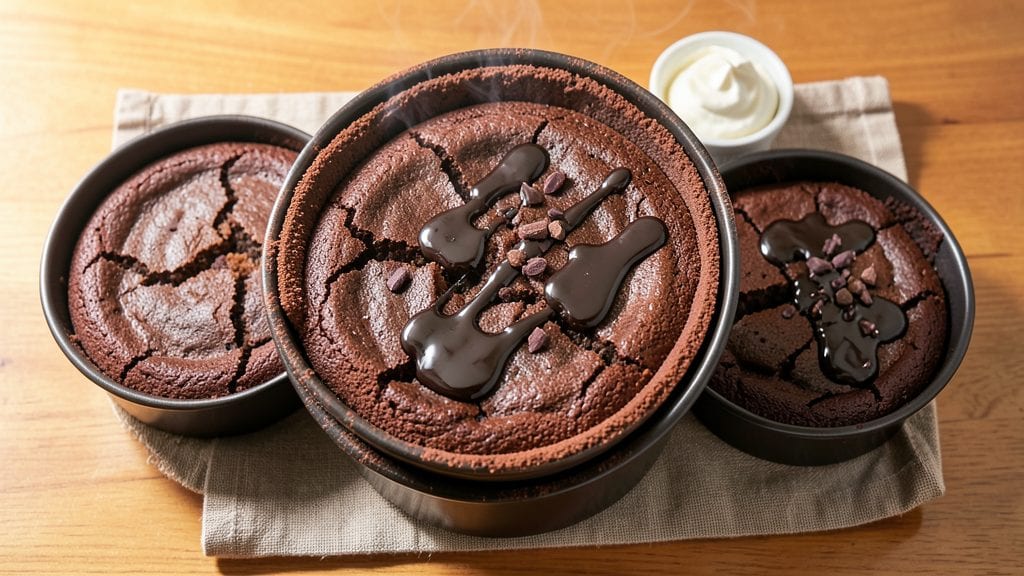
This Nigella Guinness cake recipe delivers layers of chocolatey richness with a boozy depth that makes every slice feel like a treat.
I first discovered it while testing desserts for a food magazine, and the combination of Guinness and dark chocolate became an instant favorite—especially for those who appreciate a dessert with character.
The cake’s moist texture and subtle beer notes make it perfect for coffee lovers or anyone craving something beyond vanilla.
The secret lies in the layers: a tender chocolate sponge soaked with Guinness-infused syrup, sandwiched between velvety chocolate buttercream. Unlike traditional Guinness cakes, this version uses a precise balance of dark chocolate and espresso powder to enhance the beer’s natural bitterness without overpowering it.
The result is a cake that’s rich yet not overly sweet, with a satisfying crumb that holds together beautifully.
What you’ll achieve is a dessert that’s impressive yet approachable—ideal for dinner parties or a cozy night in. The Guinness adds a sophisticated twist, while the chocolate ensures it’s universally appealing.
Whether paired with a bold espresso or a glass of dessert wine, this cake delivers on both flavor and presentation. Let’s get baking!
Here’s the best part: the recipe includes troubleshooting tips for common issues like cracks or uneven layers, so even beginners can achieve professional results. The key is patience—allowing the cake to rest before slicing ensures clean, perfect portions every time.
Ingredients for nigella guinness cake
A decadent blend of Guinness and chocolate—rich, layered, and packed with depth.
| Ingredient | Amount | Notes |
|---|---|---|
| Dark Chocolate (70% Cocoa) 🍫 | 8 oz | High-quality, finely chopped |
| Unsalted Butter 🧈 | 1 ½ cups | Room temperature, full-fat |
| Granulated Sugar 🍚 | 2 cups | Superfine preferred for smoothness |
| Guinness Draught 🍺 | 1 ½ cups | Cold, not warmed |
| Large Eggs 🥚 | 4 whole | Room temperature, separated |
| All-Purpose Flour 🌾 | 2 ½ cups | Sifted, plus extra for dusting |
| Espresso Powder ☕ | 1 tbsp | Instant, for depth of flavor |
| Baking Powder 🧂 | 1 tsp | Aluminum-free for tender crumb |
| Salt 🧂 | ½ tsp | Fine sea salt, enhances flavor |
| Vanilla Extract 🌸 | 1 tbsp | Pure Madagascar preferred |
| Heavy Cream 🥛 | 1 cup | Cold, for stable buttercream |
| Powdered Sugar 🍚 | 3 cups | Sifted for smooth texture |
| Dark Chocolate (70% Cocoa) 🍫 | 12 oz | For buttercream, chopped fine |
The dark chocolate is non-negotiable—Valrhona or Callebaut brands elevate this cake, but Ghirardelli 70% works beautifully too. Room-temperature butter is crucial for smooth batter, so take it out of the fridge 30 minutes before starting. The Guinness Draught should be chilled—warmed beer kills the subtle malt notes. For the espresso powder, Starbucks or Nescafé instant works fine, but freshly ground adds an extra layer of complexity. If you’re feeling fancy, grab Guinness from a specialty liquor store—the flavor is richer than the supermarket version.
No dark chocolate? Semisweet chocolate chips (like Ghirardelli) can substitute, but the cocoa percentage will be lower. Short on Guinness? Dry stout or even a splash of coffee mimics the depth, though nothing beats the real thing. The vanilla extract can be swapped for vanilla bean paste if you’re feeling indulgent—it adds tiny flecks of vanilla that make every bite sing. For the buttercream, powdered sugar should be sifted to avoid lumps, and heavy cream must be cold to whip properly. If you’re in a pinch, whipped topping spray can stabilize it, but fresh is always better.
This cake keeps beautifully—3 days at room temperature in a cake carrier, or up to 1 week refrigerated. For longer storage, freeze the layers separately for up to 3 months. The buttercream can be made a day ahead and stored in the fridge, then rewhipped with a splash of Guinness to refresh. Slice and serve at room temperature for the best texture—patience here is key. Leftovers? They’ll disappear just as fast as the first slice.
Why You'll Love This Recipe
- No Panic, Just Pans: I’ve baked enough cakes to know that greasing three pans is not a big deal—especially when they’re just 8-inch rounds. The real trick here is melting the dark chocolate and butter together over a double boiler, but honestly? That’s the fun part. The rest is just folding, baking, and letting the layers do their thing. No weird techniques, just straightforward steps that even a weeknight warrior can handle.
- Dark Chocolate Meets Malty Magic: That 70% cocoa dark chocolate and cold Guinness draught? It’s like a match made in dessert heaven. The espresso powder and vanilla extract deepen the flavor, while the buttercream—infused with another 12 oz of chocolate—ties it all together in a way that’s ridiculously satisfying. Every bite is rich, complex, and just a little bit indulgent without being cloying.
- Weekend Warrior’s Secret Weapon: This cake isn’t just for holidays or fancy gatherings—it’s my go-to for movie nights, potlucks, or when I need to impress guests with minimal effort. The layers keep well for up to a week, so you can bake it ahead and forget about it. Plus, the Guinness adds a depth that makes it feel special, even if you’re just serving slices to your roommates.
- Budget-Friendly Luxury: I love that this recipe packs a gourmet punch without breaking the bank. The ingredients are simple, and you likely already have most of them. The dark chocolate, butter, and eggs are affordable staples, and the Guinness? Well, a bottle of that will last you multiple batches. It’s the kind of cake that tastes like you splurged, but your wallet won’t mind.
Step-by-step instructions for Nigella Guinness cake
Here's the method that delivers decadent layers with perfect moisture and rich chocolatey depth.
Prepare the Chocolate Guinness Cake Batter
Preheat your oven to 350°F and grease three 8-inch round cake pans with 1½ cups unsalted butter, reserving a small amount for later. Line the bottoms with parchment paper for easy removal. In a large mixing bowl, combine 8 oz dark chocolate (70% cocoa) and 1½ cups unsalted butter. Melt together over a double boiler until completely smooth, then let cool slightly.
In a separate bowl, whisk together 4 large eggs, 2 cups granulated sugar, 1½ cups cold Guinness draught, 1 tbsp vanilla extract, and 1 tbsp espresso powder. Gradually fold this mixture into the chocolate-butter combination until fully incorporated. Sift in 2½ cups all-purpose flour, 1 tsp baking powder, and ½ tsp salt, folding gently just until combined. The batter should be thick but pourable—don't overmix.
Bake the Layers to Golden Perfection
Divide the batter evenly among the prepared pans, filling each about ⅔ full. Bake for 25-30 minutes until a toothpick inserted into the center comes out clean and the tops spring back when pressed. Real talk: Your oven might run hot, so start checking at the 20-minute mark. Rotate the pans halfway through for even baking. Let the layers cool in their pans for 10 minutes, then transfer to a wire rack to cool completely.
While the cakes cool, prepare the buttercream. In a stand mixer fitted with the paddle attachment, beat 1½ cups unsalted butter (softened) and 3 cups powdered sugar on medium speed until light and fluffy. Add 1 cup heavy cream and 1 tbsp vanilla extract, mixing until smooth. Finely chop 12 oz dark chocolate (70% cocoa) and fold it into the buttercream for a marbled effect.
Assemble the Layers with Boozy Elegance
Place the first cake layer on a serving plate and spread a generous layer of the chocolate buttercream on top. Repeat with the remaining two layers, creating a sandwich effect. For extra decadence, brush each layer with ¼ cup Guinness draught before adding the buttercream—this adds a subtle depth of flavor that ties everything together.
Chill the assembled cake in the refrigerator for at least 2 hours (or overnight) to allow the layers to set properly. Before serving, dust the top and sides with powdered sugar through a fine-mesh sieve for a professional finish. Each slice should reveal rich chocolate layers infused with Guinness, balanced by the velvety buttercream. Trust me, the wait is worth it—this cake develops even more complexity as it rests.
Pro Tips For Making Nigella Guinness Cake
- MELT THE CHOCOLATE GENTLY: I learned this the hard way—dumping chopped chocolate into hot butter and milk makes it seize up like a stubborn mule. Instead, chop the 70% dark chocolate into rough chunks (no need to be precise) and melt it with the butter over low heat, stirring every 30 seconds until just smooth. If it starts to smell burnt, you’ve gone too far.
- WHISK EGGS AT ROOM TEMP: Cold eggs from the fridge beat like glue. Take them out 30 minutes before you start, or pop them in warm water for 5 minutes if you’re in a rush. Room-temp eggs blend into the batter more easily and give you a lighter, airier crumb—trust me, your cake will thank you.
- DON’T OVERMIX THE BATTER: This isn’t a pancake batter—overmixing introduces too much air, and the Guinness will fight back with a dense, tough result. Stir just until the flour disappears and the batter looks slightly uneven. A few lumps are fine; they’ll smooth out in the oven.
- BAKE UNTIL THE CENTER HITS 200°F: The cake will look set before it’s actually done. Insert a skewer into the center—it should come out clean but slightly moist, not wet. If you pull it out too soon, the middle will stay gummy; if you wait for the meter to read 200°F (93°C), it’ll be perfectly moist without being underdone. (Yes, even if the edges are golden.)
Common mistakes when making this recipe
Overmixing the Batter
This is where I see people go wrong—especially when they're nervous about getting lumps. Overmixing the batter after adding the flour can create a tough crumb instead of the tender, moist texture we want. The batter should look thick but still pourable—like a slightly stiff pancake batter.
If you see gluten developing or the batter getting elastic, you’ve gone too far. Trust me, a few gentle folds with a spatula are all it takes. 💡
Skipping the Cooling Step
Let’s talk about those first 10 minutes in the pan after baking. Skipping this cooling phase is a common mistake that leads to cracks and uneven layers. The layers need time to firm up before you move them to the wire rack.
I’ve learned this the hard way—once, I rushed and ended up with a cake that collapsed like a house of cards. Patience here is key!
Incorrect Butter Temperature
The unsalted butter needs to be at room temperature—no exceptions. If it’s too cold, it won’t incorporate smoothly with the chocolate, and your batter will be grainy. If it’s too warm, it can melt too quickly, making the batter runny.
I always take it out 30 minutes before starting and check it by pressing a finger into the center—it should leave a slight indent but not feel soft. 🧈
Underbaking the Layers
Checking for doneness too early is a classic trap. The cake should spring back when pressed gently, and a toothpick should come out clean—no wet batter clinging to it. I’ve baked these layers for 25-30 minutes, but if your oven runs hot, it might be ready sooner.
Start checking at 20 minutes to avoid dryness. Underbaked layers can lead to a gummy texture, which is no fun.
Neglecting the Resting Time
After assembling the cake, chilling for at least 2 hours (or overnight) is non-negotiable. Skipping this step means the layers won’t set properly, and the buttercream won’t hold together.
I’ve been guilty of this—once, I served it after just an hour, and the whole thing fell apart when I tried to slice it. The wait is worth it for clean, perfect slices every time.
Nutrition facts
Frequently asked questions
Why does this recipe use cold Guinness?
Using cold Guinness draught preserves its natural maltiness and prevents the beer from heating up and losing its subtle flavors. Warm beer can turn bitter and alter the cake's balance. The cold liquid also helps create a tender crumb by keeping the batter moist during baking.
Can I make this cake without a stand mixer?
For the buttercream, use a handheld mixer or even vigorous arm muscle—just beat the 1½ cups softened butter and 3 cups powdered sugar until light and fluffy. Folding in the 1 cup heavy cream and 1 tbsp vanilla extract by hand will take a bit more elbow grease, but it’s totally doable. The key is patience and steady strokes.
What if my cake layers crack while baking?
Cracks happen when layers cool too quickly or are removed from the pan too soon. Always let them cool in the pans for 10 minutes before transferring to a wire rack. If you notice cracks forming, tent the pans with foil to slow the cooling process. A thin layer of buttercream between layers also helps prevent this issue.
How do I store the cake for the best texture?
For the best results, store the assembled cake in an airtight container at room temperature for up to 3 days. If you need to keep it longer, refrigerate for up to 1 week. Let it sit at room temperature for 30 minutes before slicing to restore its moist texture. Avoid freezing the fully assembled cake—it can make the layers soggy.