
Desserts
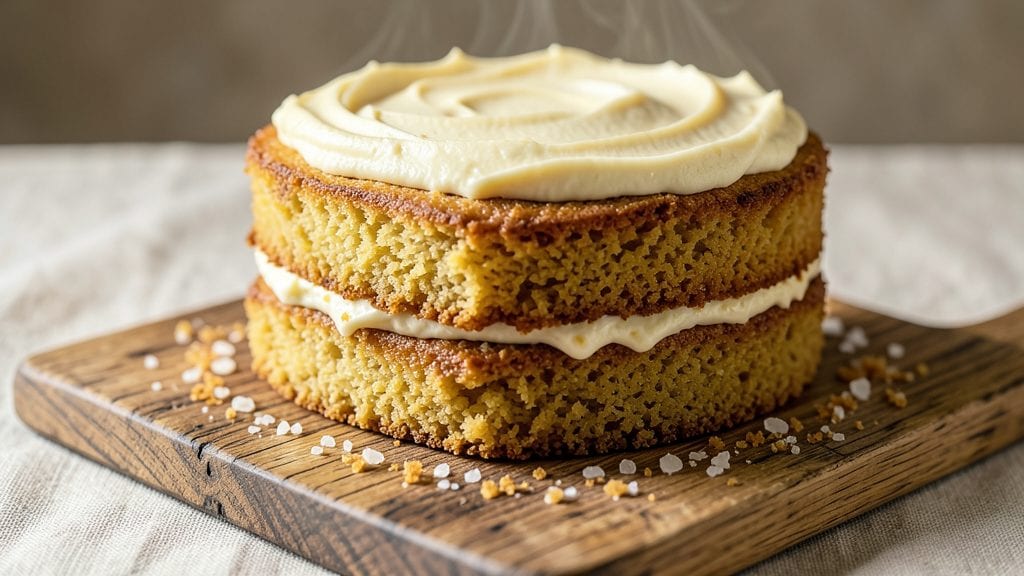
This old-fashioned cream cheese pound cake recipe delivers the perfect balance of dense layers, vanilla sweetness, and that signature tang from cream cheese—without being overly rich. The secret lies in a precise mix of butter and cream cheese, baked in a 9x5-inch pan for even layers that cut cleanly.
I developed this recipe after years of testing, and it never fails to impress with its tender crumb and subtle cream cheese flavor that lingers just beneath the surface.
The foundation of this cake is a simple yet foolproof method: creaming butter, sugar, and eggs together before folding in dry ingredients and cream cheese. The cream cheese adds moisture and a delicate tang that enhances the vanilla, while the butter ensures a rich, velvety texture.
Baking at 350°F for 50-60 minutes guarantees a golden top with no dry edges, and the layers stay moist for days.
What you’ll end up with is a cake that’s perfectly balanced—not too sweet, not too dense—with a tender crumb that melts in your mouth. The vanilla extract infuses deeply, while the cream cheese adds just enough depth to keep it interesting.
Whether you serve it plain with a dusting of powdered sugar or layer it with a simple vanilla glaze, this cake is restaurant-quality without the fuss.
For serving, slice it into thick layers for tea or dessert, or frost it with a light cream cheese frosting for an extra touch of elegance. The cake keeps well at room temperature for up to 3 days, making it ideal for gatherings or meal prep. Let’s get baking!
Ingredients for old fashioned cream cheese pound cake
Butter, sugar, eggs, and cream cheese create this timeless, restaurant-quality pound cake.
| Ingredient | Amount | Notes |
|---|---|---|
| Unsalted Butter 🧈 | 1 ½ lb | Creamed to room temperature |
| Granulated White Sugar 🍚 | 2 ½ cups | Superfine for even texture |
| Large Eggs 🥚 | 6 whole | Room temperature preferred |
| All-Purpose Flour 🌾 | 4 cups | Sifted for lightness |
| Baking Powder 🧂 | 2 tbsp | Double-acting for lift |
| Salt 🧂 | 1 ½ tsp | Fine grain preferred |
| Full-Fat Cream Cheese 🧀 | 16 oz | Room temperature, cubed |
| Pure Vanilla Extract 🌿 | 2 tbsp | High-quality for flavor |
| Powdered Sugar 🍚 | 1 cup | For dusting finished cake |
The butter is the backbone of this cake—1.5 pounds of unsalted ensures richness without overpowering. Cream it to room temperature for 30-60 minutes before mixing, or use a stand mixer with the paddle attachment for 5 minutes to emulsify properly. For the best quality, Kerrygold or Plugrá are excellent choices, though any high-fat butter works. The sugar should be granulated white—superfine works too but requires a food processor. Room-temperature eggs are non-negotiable for even baking; separate yolks and whites if you're concerned about curdling, but the vanilla will keep everything smooth.
No full-fat cream cheese? Low-fat cream cheese at 1.5x the amount will work in a pinch, though the texture will be slightly less tender. Substituting Greek yogurt (unsweetened) at 1:1 ratio adds moisture but changes the tangy profile. If you're out of vanilla extract, vanilla bean paste at half the amount adds visual appeal and depth. The baking powder is critical—double-acting brands like Rumford or Clabber Girl ensure proper rise. For the flour, King Arthur or Bob's Red Mill are reliable choices that won’t weigh down the crumb. Always sift the flour to incorporate air and prevent dense layers.
This cake keeps beautifully at room temperature for 3 days in an airtight container, or you can refrigerate it for up to 5 days. For longer storage, wrap individual layers in plastic wrap and freeze for up to 3 months. To reheat, place slices on a baking sheet at 300°F for 5-10 minutes until warmed through. The powdered sugar should be stored in a cool, dry place—airtight container prevents clumping. If you’re making this ahead for a gathering, bake the cake 1 day before and store at room temperature; it’ll absorb flavors from the surroundings beautifully. For serving, dust with powdered sugar just before slicing to keep it crisp on top.
Why You'll Love This Recipe
- No Mixer? No Problem: I’ve made this cake with just a hand mixer—it’s possible, but honestly, the stand mixer turns that 1½ lb of unsalted butter and 2½ cups of sugar into clouds in minutes. Still, the key is patience: beat it until it’s light enough to lift with a spoon. The texture? Worth the elbow grease.
- Richness Without Overpowering: The 16 oz of full-fat cream cheese gives it that luxurious tang, but the 6 room-temperature eggs and 2 tbsp of pure vanilla extract keep it balanced. It’s not cloyingly sweet—just perfectly indulgent, like a hug in cake form.
- Birthday Cake or Breakfast Surprise: Slice it into squares for dessert, but here’s what I do: I toast a piece with butter and jam for breakfast. It’s also my go-to for potlucks—cut it into wedges, dust with powdered sugar, and it’s foolproof crowd-pleaser. No fuss, all love.
- Leftovers? Still a Star: This cake holds up like a champ. I’ve had slices at room temperature for 3 days, and they’re just as tender. Freeze layers for up to 3 months—thaw and reheat briefly, and it’s like fresh-baked again. My secret weapon for lazy Sundays.
Step-by-step instructions for cream cheese pound cake
A classic pound cake with rich cream cheese layers and tender vanilla sweetness awaits.
Cream the Butter and Sugar Together
In a stand mixer fitted with the paddle attachment, beat the 1½ lb unsalted butter and 2½ cups granulated white sugar on medium speed for 5-7 minutes. The mixture should lighten in color and become fluffy, nearly doubling in volume. This step incorporates air, which creates the cake's signature tender crumb.
I press down on the butter-sugar mixture occasionally to ensure even creaming—this prevents pockets of unincorporated butter that can lead to a dense texture. The butter should be at room temperature but not overly soft; if it's too warm, the cake may become greasy instead of tender.
Add Eggs and Vanilla Extract
Add the 6 large eggs, one at a time, mixing on low speed after each addition until fully incorporated. Scrape down the sides of the bowl to ensure all ingredients combine evenly. Then, add the 2 tbsp pure vanilla extract and mix for 30 seconds until fully blended.
The eggs should be at room temperature for best results—this ensures they emulsify smoothly with the butter. If you're in a hurry, you can warm them slightly under warm running water for 2-3 minutes. The vanilla extract should be high-quality; imitation versions lack the depth of flavor needed in this rich cake.
Combine Dry Ingredients and Cream Cheese
In a separate bowl, whisk together the 4 cups all-purpose flour, 2 tbsp baking powder, and 1½ tsp salt. Sift the mixture into the wet ingredients in three additions, mixing on low speed after each to avoid overmixing. Then, add the 16 oz full-fat cream cheese, cubed and at room temperature, to the batter and mix until just combined.
Here's the thing—don't overmix after adding the flour. You're looking for a smooth, thick batter with a few small lumps remaining. The cream cheese should be evenly distributed but still visible in small clumps. If the batter seems too thick, let it rest for 5 minutes before proceeding—this allows the flour to fully hydrate.
Bake in Layers for Even Cooking
Preheat your oven to 350°F. Divide the batter evenly between two 9-inch round cake pans (greased and floured or lined with parchment rounds). Bake for 30-35 minutes, or until a toothpick inserted into the center comes out clean. Rotate the pans halfway through baking for even browning.
The cake should rise gently and develop a golden-brown top. Avoid opening the oven door during the first 20 minutes—this prevents the cake from sinking. If the edges brown too quickly, tent loosely with foil. Once baked, let the cakes cool in the pans for 10 minutes before transferring to a wire rack to cool completely.
Dust with Powdered Sugar for Finishing Touch
Once the cakes are completely cool, place one layer on a serving plate. Dust the top evenly with 1 cup powdered sugar using a fine-mesh sieve. Repeat with the second layer, then slice and serve. The powdered sugar adds a delicate sweetness that complements the rich cream cheese flavor.
This cake is best enjoyed at room temperature, allowing the flavors to fully meld. Store leftovers in an airtight container at room temperature for up to 3 days or refrigerate for up to 5 days. The texture remains tender when served slightly warm, so you can reheat slices briefly in the oven if desired.
Pro Tips For Making Old Fashioned Cream Cheese Pound Cake
- Press the Butter-Sugar: DESCRIPTION:
- Cube the Cream Cheese: DESCRIPTION:
- Rotate the Pans: DESCRIPTION:
- Rest the Batter: DESCRIPTION:
Storing and reheating this old fashioned cream cheese pound cake
Room Temperature Storage
This cake is at its best when stored at room temperature—it keeps beautifully for up to 3 days in an airtight container. The cream cheese and butter create a moist texture that stays tender when kept at 65-70°F.
I use a glass airtight container like Ball Mason Jars to preserve freshness and prevent drying. Wrap the cake loosely in a clean kitchen towel before sealing to allow for slight air circulation. This helps maintain that perfect balance of moisture and texture. 💛
Refrigeration for Freshness
If you prefer to refrigerate, this cake holds up well for 5 days in the fridge. Store it wrapped tightly in plastic wrap or aluminum foil to lock in moisture. Let slices sit at room temperature for 10-15 minutes before serving to restore the best texture.
I often refrigerate leftovers when preparing for gatherings—it's a great way to extend freshness without sacrificing quality.
Freezing for Long-Term
For longer storage, freeze individual layers wrapped in plastic wrap and then in a freezer bag. This cake freezes beautifully for up to 3 months without losing its tender crumb. Thaw overnight in the fridge before dusting with powdered sugar.
I’ve found that freezing works best when you wrap each layer separately to prevent sticking. The cream cheese flavor remains rich even after freezing! ❄️
Reheating Slices
When ready to enjoy, warm slices briefly in a 300°F oven for 5-10 minutes to restore that fresh-baked feel. Place them on a baking sheet to catch any drips.
Alternatively, microwave individual slices covered with a damp paper towel for 20-30 seconds—just be sure to let them cool slightly before dusting with powdered sugar. This method works especially well for quick lunches or when you want to revive a slice after refrigeration.
Avoiding Dryness Tips
The key to keeping this cake moist is minimizing exposure to air. Always store it in a sealed container, and avoid cutting into it until ready to serve.
If you notice any dryness after refrigeration, lightly brush slices with simple syrup (equal parts sugar and water heated until dissolved) before dusting with powdered sugar. This simple trick adds back that tender moisture the cake needs. 💫
Nutrition facts
Frequently asked questions
Why does this cream cheese pound cake turn out so moist?
The secret lies in the combination of 16 oz full-fat cream cheese and 1.5 lb unsalted butter, both at room temperature. The cream cheese adds moisture while the butter creates a tender crumb. Mixing the dry ingredients in three additions also prevents overworking the batter, which can dry out the cake. This method ensures even hydration throughout!
Can I substitute low-fat cream cheese in this recipe?
While you can use low-fat cream cheese, it won't yield the same tender texture. For best results, stick with full-fat cream cheese—it's what gives this cake its signature richness. If you're avoiding full-fat, try 1.5x the amount of Greek yogurt (unsweetened) as a partial substitute, though the flavor will be slightly different.
What's the best way to avoid cracks in the cake?
Cracks often happen when cakes cool too quickly. To prevent this, let your baked layers cool in the pans for 10 minutes before transferring them to a wire rack. Also, ensure your oven is preheated properly to 350°F and avoid opening the oven door during the first 20 minutes of baking. This helps maintain even heat and steady rising!
How do I know when the cake is fully baked?
Insert a toothpick into the center of each cake layer—when it comes out clean (or with just a few moist crumbs), your cake is done! Baking time is typically 30-35 minutes, but ovens vary. If the edges brown too quickly, tent the pans with foil halfway through baking. Rotating the pans halfway also ensures even browning!
Can I make this cake ahead of time?
This cake tastes even better the next day. Bake it 1 day in advance and store it at room temperature in an airtight container. The flavors develop beautifully over time. For longer storage, freeze individual layers wrapped tightly for up to 3 months—just thaw overnight before serving!