
Side Dishes
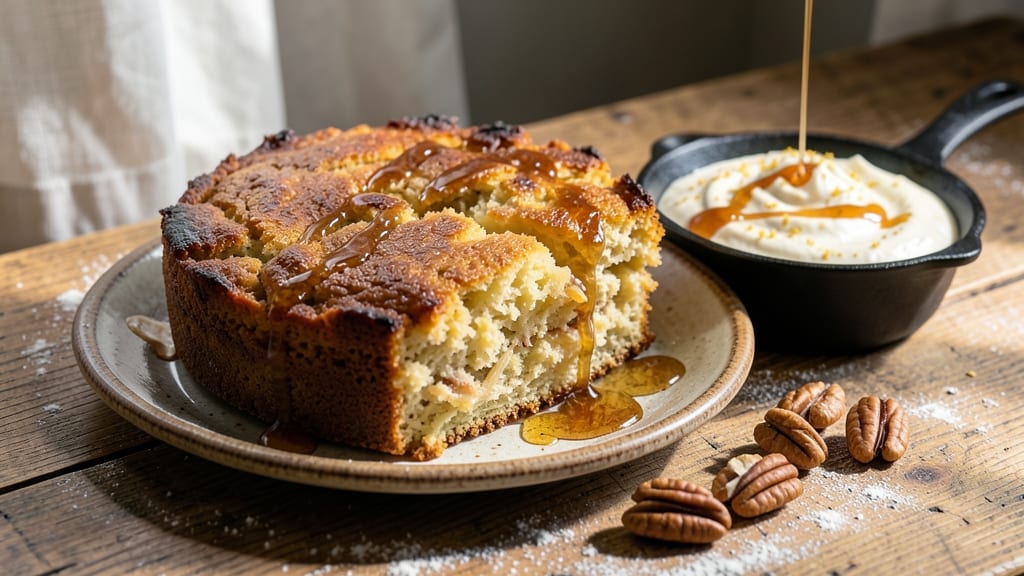
This old-fashioned potato cake recipe brings back the golden, crispy sides that made Sunday dinners legendary—just like Mrs. Henderson used to make in Cincinnati. The secret lies in freshly grated potatoes and a light batter that creates that perfect crispy exterior while keeping the inside tender.
I still remember her warning me not to overmix the batter, or the cakes would turn dense instead of light as air.
The beauty of this recipe is its simplicity—no fancy techniques, just pantry staples and a foolproof method that delivers results every time. You'll grate the potatoes, mix them with eggs and flour, then fry them until golden brown.
The key to that signature crispiness is medium-high heat and patience; rushing the process is what leads to soggy cakes. This is comfort food at its finest, perfect for serving alongside roasted meats or as a hearty side for a holiday feast.
What you'll end up with is a plate of golden brown, slightly crispy potato cakes that are warm and tender inside, with just enough flour in the batter to hold their shape. The aroma alone will have everyone at the table asking for seconds.
It's the kind of dish that feels nostalgic yet fresh, bringing a taste of home to any meal. Ready to make this classic? Let's get started!
This recipe works beautifully as a standalone side or as part of a larger spread. For extra flavor, try adding a sprinkle of cheddar cheese on top before frying, or mix in fresh herbs like parsley or chives for a bright twist.
The possibilities are endless, but the foundation remains the same—simple, crispy, and utterly satisfying. Here's everything you need to bring this old-fashioned classic to your table.
Ingredients for old fashioned potato cake
Pantry staples and a few fresh ingredients—this recipe brings back the golden, crispy sides of your childhood.
| Ingredient | Amount | Notes |
|---|---|---|
| Russet Potatoes 🥔 | 2 lbs | Peeled and freshly grated |
| All-Purpose Flour 🌾 | ½ cup | Lightly sifted for smooth batter |
| Large Eggs 🥚 | 2 whole | Room temperature preferred |
| Salt 🧂 | 1 ½ tsp | Kosher or sea salt |
| Black Pepper 🌶️ | ½ tsp | Freshly ground for best flavor |
| Vegetable Oil 🫒 | 2 cups | For frying, 350°F |
| Shredded Cheddar Cheese 🧀 | ¼ cup | Optional, for extra flavor |
| Fresh Parsley 🌿 | 0.1 cup | Chopped, for garnish |
| Butter 🧈 | 2 tbsp | Unsalted, for serving |
| Garlic Powder 🧄 | ½ tsp | For added depth |
| Onion Powder 🧅 | ½ tsp | For subtle sweetness |
The potatoes are the star here, so pick Russets—they're starchy and perfect for grating. Most grocery stores carry them, but if you're at Whole Foods or a specialty market, ask for the organic variety—they're less likely to have sprouts. Grate them yourself (the boxed kind is too fine), and don't squeeze out the moisture—just let it drain naturally in a colander for 5-10 minutes. I always double-check the potatoes by squeezing a handful; if water drips out, they're too wet. For extra flavor, I like to add a pinch of garlic powder and onion powder right to the grated potatoes—it's a little secret that makes them taste even more like Mrs. Henderson's.
No cheddar cheese? Skip it or swap for Parmesan—it adds a nice sharpness. Short on parsley? Fresh chives or dried parsley at half the amount work too. The oil is non-negotiable for frying—vegetable or canola oil works best, and you'll need enough to fill your pan about halfway. If you're feeling fancy, add a splash of milk to the batter for extra tenderness, but the classic version is just potatoes, eggs, and flour. Pro tip: use a fine grater for even cooking, and don't overmix the batter—just stir until combined. The goal is light and airy, not dense.
These keep warm for about 20 minutes in a 200°F oven, so make them fresh if you can. For leftovers, store in an airtight container and reheat in a skillet with a little butter for 2-3 minutes per side. They freeze beautifully too—just lay them out on a tray to freeze solid first, then transfer to a bag. 3 months in the freezer, and they reheat just like they came from the fryer. I always make extra—these disappear fast, especially when served with a pat of butter and a sprinkle of parsley.
Why You'll Love This Recipe
- No-Fuss Weeknight Win: I make this when I’m staring at a fridge full of potatoes and nothing else planned. Just grate, wring, mix, and fry—no fancy prep. The only real work is wringing out those Russets, but trust me, that’s the secret to that perfect crisp. Even my roommate, who thinks I’m a cooking disaster, nods approvingly when I bring this to the table.
- Crispy Outside, Creamy Inside: That golden crust? It’s like a hug for your mouth. The 2 large eggs keep it tender while the 1½ tsp salt and ½ tsp black pepper—plus those subtle kicks from garlic and onion powder—make every bite sing. And if I add the cheddar cheese? Even my picky niece asks for seconds.
- Feeds a Crowd (or Just You): This isn’t one of those “divide and conquer” dishes—it’s one big, glorious cake that serves 4 hearty portions or 6 smaller ones. Perfect for game day, a potluck, or when you’re secretly feeding three people but only have one appetite. (Between us, I’ve done both.)
- Buttery Leftovers, No Guilt: I keep a batch in the fridge, and honestly, reheating it in a skillet with 2 tbsp melted butter makes it taste even better. The oil drains off, the flavors deepen, and it’s still cheaper than takeout. Plus, it’s one of those dishes that tastes even better the next day—like a potato cake time capsule.
Step-by-step instructions for old fashioned potato cake
Here's the classic method that delivers that perfect golden crust and tender interior every time.
Grate and Prepare the Potato Mixture
Peel the 2 lbs russet potatoes and grate them using the large holes of a box grater. You'll end up with about 6 cups of grated potato. Place the grated potatoes in a clean kitchen towel and wring out as much excess moisture as possible. This step is crucial—if the mixture is too wet, your potato cake won't be crispy.
Transfer the drained potatoes to a large mixing bowl. Add the ½ cup all-purpose flour, 1½ tsp salt, ½ tsp black pepper, ½ tsp garlic powder, and ½ tsp onion powder. Mix everything together gently with your hands until well combined but not overworked. The mixture should hold together when pressed but still look slightly shaggy. Don't worry if it doesn't look perfectly smooth—this is traditional potato cake texture.
Bind with Eggs and Shape the Cake
Add the 2 large eggs to the potato mixture and mix thoroughly with your hands until the eggs are fully incorporated and the batter comes together. The eggs will help bind everything while adding moisture for that tender interior. If the mixture feels too dry, add 1 tablespoon of cold water at a time until it reaches a workable consistency.
Transfer the mixture to a lightly floured surface and shape it into a round cake about 1-inch thick. I like to make it about 8-inches in diameter—this size gives you a good balance of crispy edges and tender center. Press down gently and smooth the top with your hands. This shaping ensures even cooking and that signature golden crust.
Fry Until Golden and Crispy
Heat the 2 cups vegetable oil in a large skillet over medium heat until it reaches 350°F. You'll need about 1½ inches of oil to fully submerge the potato cake. Test the oil temperature with a thermometer—it should read exactly 350°F for perfect frying without burning.
Carefully lower the potato cake into the hot oil using a slotted spatula. Fry for 10-12 minutes per side, turning carefully with a fish spatula, until golden brown and crispy. The cake is ready when it releases easily from the spatula and has developed a deep golden color. Don't rush this step—even cooking is essential for that perfect texture throughout.
Drain and Serve Warm
Transfer the fried potato cake to a wire rack set over a paper towel-lined plate to drain excess oil. Let it drain for 2-3 minutes while you prepare the serving plate. This draining step prevents a soggy cake—you want that crispy texture to stay intact.
While still warm, cut the potato cake into wedges and serve immediately. For extra flavor, melt the 2 tbsp butter in a small saucepan and drizzle it over the hot potato cake. Garnish with 2 tbsp chopped fresh parsley and sprinkle with the ¼ cup shredded cheddar cheese if using. The cheese adds a nice salty contrast to the crispy potato. Serve with your favorite dipping sauce or enjoy as-is while still warm and crispy.
Pro Tips For Making Old Fashioned Potato Cake
- WRITE THE TIPS:: TITLE: Press the Potatoes Hard
- Test the Oil Right: DESCRIPTION: That 350°F reading isn’t just a suggestion—it’s the sweet spot. If your thermometer isn’t cooperating, drop in a cube of bread: if it sizzles and turns golden in 30 seconds, you’re good. Too hot? The outside burns before the inside cooks. Too cool? You’ll be flipping it for 20 minutes.
- Salt the Flour First: DESCRIPTION: Mix the 1½ tsp salt into the ½ cup flour before adding it to the potatoes. This distributes the seasoning evenly—no clumpy salty spots later. (I used to just toss it in, and half the flavor ended up in the bottom of the bowl.)
Regional styles of this dish
Southern Comfort
This potato cake is a staple at Southern family gatherings, especially in the Carolinas and Georgia. The recipe I learned from Mrs. Henderson in Cincinnati has roots in Appalachian cooking, where potatoes were a pantry staple.
In the South, they often add a pinch of paprika or a dash of hot sauce for a little kick. I've seen versions where the batter includes a splash of buttermilk for extra tenderness—just 2 tablespoons makes a world of difference.
These cakes are traditionally served during holidays, particularly Thanksgiving and Christmas, alongside roasted turkey or ham. 🍽️
Midwest Twist
Back in Ohio, potato cakes were a Sunday dinner must-have, often paired with fried chicken or meatloaf. My dad's family would make them extra thick—about 1.5 inches—and serve them with a side of apple butter (just like Mrs. Henderson taught me).
The Midwest version often skips the cheese but includes a sprinkle of onion powder and garlic powder for depth. These cakes were always a hit at potlucks, and I still get requests for them at family gatherings. The key here is patience—rushing the frying process leads to uneven cooking.
New England Crisp
Up north in New England, potato cakes are often baked instead of fried, giving them a lighter texture but still crispy edges. The batter includes a bit more flour—about ⅔ cup—to help hold the shape.
I’ve tried this version and it’s delicious, especially with a drizzle of maple syrup and a pat of butter. The New England style also incorporates fresh herbs like thyme or rosemary into the batter for a bright, aromatic twist.
These are perfect for serving with chowder or as a side to roasted seafood. 🌿
Pacific Northwest Adaptation
Here in Portland, I’ve put my own spin on the classic by adding local ingredients like wild garlic or foraged chives from my garden. The Pacific Northwest version often includes a touch of smoked paprika for a subtle smoky flavor that pairs beautifully with the crispy texture.
I also like to serve these with a side of local honey butter—just mix 2 tablespoons of honey with the melted butter for dipping. This adaptation keeps the tradition alive while celebrating regional flavors. 🌟
German Influence
German immigrants brought their own version of potato cakes to America, known as Kartoffelpuffer or potato pancakes. These are typically grated with a mix of potatoes and onions, then fried until golden. The batter includes more flour—about ¾ cup—and often a splash of beer for extra moisture.
I’ve made this version and it’s hearty and satisfying, especially with a side of apple sauce or sauerkraut. The German style is all about hearty, comforting flavors that feel like home. 🍺
Nutrition facts
Frequently asked questions
Why does my potato cake turn out gummy instead of crispy?
The moisture is your enemy! After grating, always wring out excess liquid from the potatoes using a clean towel—don't skip this step. Also, ensure your oil reaches 350°F before frying, and avoid overcrowding the pan. A wire rack for draining helps too—it lets oil drip away instead of soaking back in.
Can I make this potato cake ahead of time and reheat?
Store leftovers in an airtight container and reheat in a skillet with 2 tbsp butter for 2-3 minutes per side over medium heat. For best results, keep them refrigerated for up to 3 days—just bring them to room temp before reheating. They also freeze beautifully for up to 3 months!
What’s the best way to shape the batter before frying?
Transfer the mixture to a lightly floured surface and gently press it into an 8-inch round, about 1-inch thick. Use your hands to smooth the top—this ensures even cooking and that perfect golden crust. If it feels too sticky, add 1 tablespoon cold water at a time until it holds together.
How do I know when the potato cake is fully cooked?
It’s ready when it’s golden brown and releases easily from the spatula after 10-12 minutes per side. The interior should feel firm but tender—no wet spots! If unsure, cut a small piece: it should be lightly crispy outside with a soft center. Don’t rush this step—even cooking is key!