
Desserts
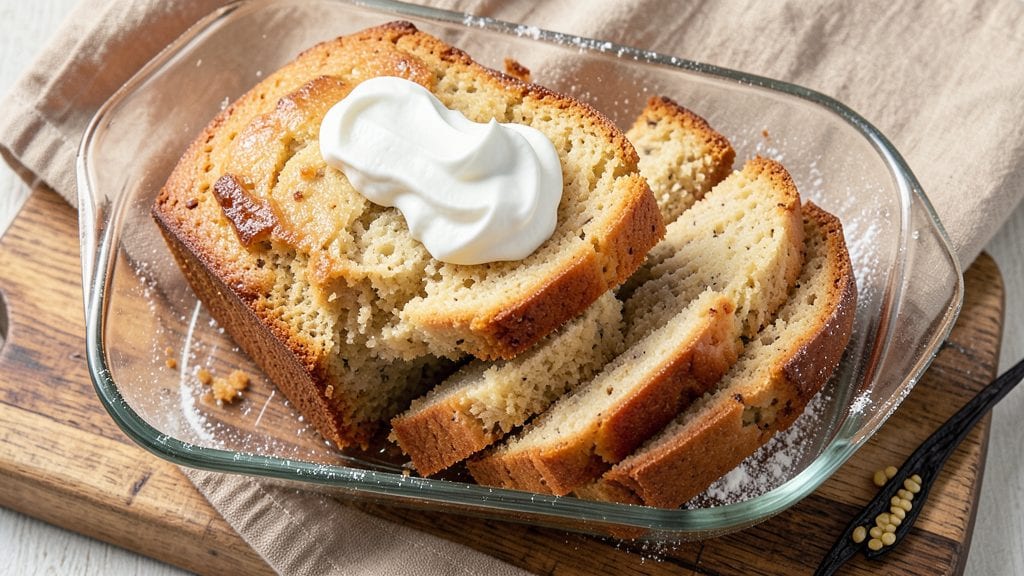
This old-fashioned sour cream pound cake recipe delivers the perfect balance of tender crumb and rich vanilla flavor—every slice stays moist for days. I perfected this version after years of testing traditional recipes, focusing on sour cream for that signature dense yet light texture.
The buttery layers and subtle vanilla essence make it ideal for afternoon tea or holiday gatherings.
The secret lies in precise measurements and proper mixing techniques: creaming butter and sugar until light, then folding in sour cream for moisture without making the batter too heavy. This method ensures a cake that's rich yet not greasy, with a fine crumb that melts in your mouth.
Professional bakers swear by this approach, and now you can too.
What you'll achieve is a golden-brown pound cake with buttery vanilla layers that stay fresh for up to a week when properly stored. The sour cream keeps it moist longer than traditional recipes, while the vanilla extract adds depth without overpowering.
Perfect for slicing thick or serving with whipped cream and fresh berries.
For variations, consider adding lemon zest for brightness or chocolate chips for a twist, but the classic version remains timeless. Whether you're baking for a special occasion or just craving a comforting treat, this recipe delivers restaurant-quality results at home.
Ingredients for old fashioned sour cream pound cake
Buttery richness meets tender crumb. Just a few staples transform into classic pound cake perfection.
| Ingredient | Amount | Notes |
|---|---|---|
| Unsalted Butter 🧈 | 1 cup | Room temperature, full-fat preferred |
| Granulated Sugar 🍚 | 2 ½ cups | Superfine for smoother texture |
| Sour Cream 🥛 | 1 cup | Full-fat for best moisture |
| All-Purpose Flour 🌾 | 3 ½ cups | Sifted, spooned lightly |
| Pure Vanilla Extract 🌿 | 2 tbsp | High-quality, not imitation |
| Baking Powder 🍞 | 2 tsp | Freshly opened package |
| Salt 🧂 | ½ tsp | Fine sea salt preferred |
| Large Eggs 🥚 | 4 whole | Room temperature, separated |
| Milk 🥛 | ½ cup | Whole milk for richness |
| Lemon Zest 🍋 | 1 tbsp | Optional, for brightness |
| Vegetable Oil 🫒 | ¼ cup | For greasing pans |
The butter and sugar are non-negotiable here. Crisco or European-style butter (like Plugrá) gives the best flavor, but any unsalted butter works if it's full-fat. Room temperature is key—no one likes lumps in their cake batter. For the sour cream, full-fat is a must—low-fat versions make the cake dense. I grab mine from Whole Foods or the back of the dairy case at Kroger. The vanilla extract? Nothing but pure—no imitation stuff. If you're feeling fancy, Madagascar Bourbon from Penzeys adds depth.
No sour cream? Plain yogurt works in a pinch, but expect a slightly tangier cake. Short on butter? Coconut oil at room temperature mimics the fat content, though the flavor won't be identical. The flour should be sifted and spooned lightly—no packing it down. Fresh baking powder is critical; if your stash is older than 6 months, toss it. For the eggs, room temperature separates better—just crack them into separate bowls. The lemon zest is optional but adds a bright contrast that pairs perfectly with the vanilla.
This cake keeps beautifully—5-7 days at room temperature wrapped in foil, or up to 2 weeks in the fridge. For longer storage, slice and freeze portions between parchment paper. Room temperature slices best—let them sit for 10 minutes before serving. I always bake two pans and freeze one for lazy days. The vanilla flavor deepens overnight, so if you can wait, do it. And trust me, the first slice is always the best.
Why You'll Love This Recipe
- No-Fuss Batter: I mix the wet ingredients—just 1 cup unsalted butter, 2½ cups sugar, and 1 cup sour cream—until it’s light and fluffy in minutes. No weird techniques, just room-temperature butter and a steady hand. The 4 eggs and ½ cup milk come in next, and boom: ready to fold in the dry stuff. Honestly, the hardest part is resisting the urge to taste-test the batter.
- Rich, Moist Magic: That sour cream? It’s the secret weapon here. The cake stays moist for days—no dry crumbs, no sad slices. The 2 tbsp vanilla extract and 1 tbsp lemon zest (if you use it) add a brightness that cuts through the richness of the butter and sugar. It’s like a hug in every bite, but with more butter.
- Leftover Hero: This cake doesn’t just disappear—it thrives as leftovers. Slice it into cubes and you’ve got a perfect snack for your lunchbox or a last-minute dessert. Wrap it in foil, and it stays fresh for 5-7 days at room temperature. I’ve even reheated slices in the microwave for a quick pick-me-up. Zero guilt, all satisfaction.
- Budget-Friendly Luxury: You already have most of these ingredients, so this isn’t some pricey gourmet experiment. Butter, flour, sugar, sour cream—they’re pantry staples that stretch far beyond this recipe. And the results? A cake so good, it feels like a splurge even though it’s not. My wallet thanks me every time.
Step-by-step instructions for old fashioned sour cream pound cake
This classic cake comes together with simple steps that guarantee a tender crumb and rich flavor.
Prepare the Pans and Mix Wet Ingredients
Preheat your oven to 350°F. Grease two 9x5-inch loaf pans with the ¼ cup vegetable oil, then dust lightly with flour. Tap out any excess to prevent a heavy crust.
In a large mixing bowl, cream together the 1 cup unsalted butter and 2½ cups granulated sugar on medium speed until light and fluffy—about 3-4 minutes. The mixture should nearly double in volume and look pale. This step incorporates air, which creates that signature tender crumb.
Add the 1 cup sour cream, 4 large eggs (one at a time), ½ cup milk, 2 tbsp pure vanilla extract, and 1 tbsp lemon zest. Mix on low speed until just combined—don't overmix or the cake will be dense. The batter should be smooth with no streaks of flour.
Combine Dry Ingredients and Fold Gently
In a separate bowl, whisk together the 3½ cups all-purpose flour, 2 tsp baking powder, and ½ tsp salt. Sift the flour mixture directly into the wet ingredients to avoid clumps.
Using a spatula, gently fold the dry ingredients into the wet mixture just until combined—you should still see small streaks of flour. Overmixing develops gluten, which makes the cake tough. The batter will be thick but pourable.
Here's the thing—this is where the magic happens. The sour cream keeps the cake moist while the butter creates that rich, buttery flavor. Don't worry if the batter looks thick; it's supposed to be this way.
Bake to Golden Perfection
Divide the batter evenly between the two prepared pans. Smooth the tops with a spatula. Bake in the preheated oven for 50-60 minutes, or until a toothpick inserted into the center comes out clean.
I know it seems like a long time, but patience pays off here. The cake needs time to set properly. If the tops brown too quickly, tent loosely with foil after 30 minutes to prevent overbrowning while the center finishes baking.
When done, the cake should pull away slightly from the edges of the pan and have a golden, even tone. Let the cakes cool in the pans for 10 minutes, then transfer to a wire rack to cool completely before slicing. This resting period ensures clean layers and prevents crumbling.
Pro Tips For Making Old Fashioned Sour Cream Pound Cake
- CREAM BUTTER PROPERLY: The butter and sugar need to go from soft to fluffy—not just smooth. I used to rush this, but 3-4 minutes of creaming until the mixture lightens and nearly doubles in volume is non-negotiable. If it’s still grainy or pale yellow, keep going. This air incorporation is what makes the cake tender, not dense.
- SIFT FLOUR DIRECTLY: Dumping sifted flour straight into the wet ingredients cuts clumps and saves cleanup. I learned this the hard way—scraping stubborn flour globs from the bowl after mixing is a nightmare. Spoon the flour lightly (don’t pack it down) and fold just until almost combined. A few streaks are fine; overmixing turns the cake into a tough brick.
- TENT WITH FOIL: The cake’s tops will brown faster than the center finishes baking. After 30 minutes, loosely tent the pans with foil—just crumpled aluminum, no fancy folds. This keeps the golden crust while the middle sets properly. I know it looks weird mid-bake, but skipping this step means a dry top and a gummy center.
- CHILL THE BATTER: If your kitchen’s warm, let the batter rest for 10-15 minutes before baking. This helps the flour absorb the liquid evenly, preventing cracks or a domed top. I was skeptical until I tried it—now I make it a habit, especially in summer. Just don’t skip the 10-minute pan rest after baking, or you’ll regret it when the cake crumbles.
Perfect pairings for this recipe
Classic Tea Pairings
This cake’s buttery vanilla richness pairs perfectly with Earl Grey or English Breakfast tea—the bergamot and malty notes complement the cake’s sweetness without overpowering it. I always brew a strong cup at 200°F for 3-4 minutes to enhance the flavor.
For a lighter option, Darjeeling tea’s floral notes create a delicate contrast. 🍵
Creamy Toppings
A dollop of vanilla bean whipped cream or clotted cream adds luxurious texture and balances the cake’s density. I love using Penzeys vanilla bean paste for extra depth. For a lighter touch, fresh berries like raspberries or blackberries add a tart brightness that cuts through the sweetness.
Warm Beverage Match
For a cozy pairing, serve this cake with hot chocolate made with 2% milk and a pinch of sea salt. The salt enhances the chocolate’s richness, while the warm milk complements the cake’s vanilla notes.
I sweeten mine with ½ cup granulated sugar dissolved in 1 cup milk before adding 2 tbsp cocoa powder. ☕
Seasonal Fruit Garnish
In summer, top slices with fresh peaches or nectarines lightly drizzled with honey for a fruity contrast. For autumn, sliced apples with cinnamon add warm spice notes that echo the cake’s vanilla essence. I always use Braeburn apples for their sweet-tart balance.
Dessert Wine Companion
A Moscato d’Asti or Lambrusco wine enhances the cake’s richness with its slight effervescence and berry undertones. These Italian wines are sweet enough to complement the vanilla but not so heavy they overpower the cake’s delicate texture. I recommend chilling the wine to 45-50°F for optimal pairing. 🍷
Nutrition facts
Frequently asked questions
Why does this recipe use sour cream instead of regular cream?
The sour cream creates a richer, moister crumb that stays tender for days. Unlike regular cream, it adds acidity that enhances the vanilla flavor while keeping the cake dense yet light. This is the secret to its legendary texture—no dry slices here!
Can I substitute the vegetable oil for butter in the pan greasing?
Yes! Use butter melted and cooled instead of vegetable oil for greasing—it adds extra flavor to the crust. Just brush it lightly on the pans after using flour to dust. The butter-infused crust pairs perfectly with the cake's vanilla richness.
What if my batter looks curdled when I mix in the sour cream?
Don't panic! A few small curds are normal. Keep mixing on low speed until just combined—don't overwork it. If it's very curdled, strain the batter through a fine-mesh sieve before baking. The cake will still turn out moist and delicious.
How do I know when the cake is done baking?
Insert a toothpick into the center—it should come out with just a few moist crumbs, not wet batter. The cake will look slightly underdone at first but continues setting as it cools. If the top browns too quickly, cover loosely with foil after 30 minutes.