
Desserts
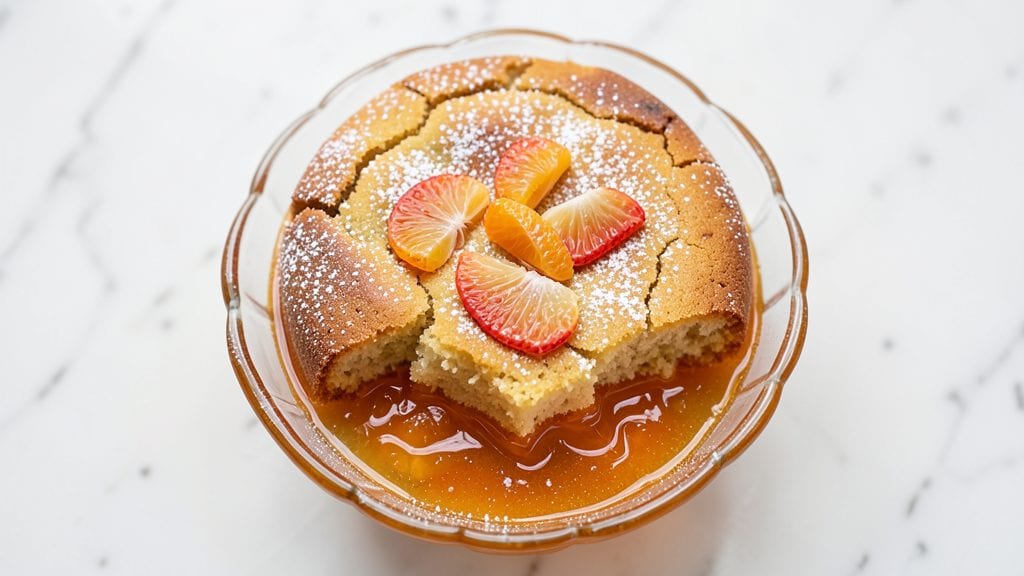
Creating an orange cake with jello transforms a classic dessert into a showstopping masterpiece with vibrant layers and perfect texture contrast. The citrusy cake pairs beautifully with the smooth, tangy gelatin, creating a dessert that’s both visually stunning and irresistibly flavorful.
This recipe balances traditional baking techniques with a creative twist that elevates any occasion.
What makes this recipe special is the foolproof layering method, ensuring each slice delivers the right balance of moist cake and refreshing jello. The key lies in precise chilling times and a simple orange glaze that ties everything together.
Whether you're baking for a celebration or treating yourself, this dessert delivers restaurant-quality results with minimal effort.
The final product features a golden, tender cake with bright orange flavor, interspersed with cool, citrus-infused jello layers that cut through the richness. The glaze adds a glossy finish and extra zing, making every bite feel like a special occasion.
This recipe is perfect for those who love texture contrasts and vibrant flavors.
For best results, follow the chilling instructions carefully to maintain structural integrity, and adjust jello thickness based on your preference. The combination of warm cake and cool gelatin creates a sensory experience that’s both comforting and exciting. Let’s bring this vibrant dessert to life!
Ingredients for orange cake with jello
Citrusy cake layers meet vibrant jello—just a handful of ingredients transform into a showstopper dessert.
| Ingredient | Amount | Notes |
|---|---|---|
| All-Purpose Flour 🌾 | 2 ½ cups | Sifted for light texture |
| Granulated Sugar 🍚 | 2 cups | Superfine for smooth batter |
| Orange Zest 🍊 | 2 tbsp | From 2 large organic oranges |
| Orange Juice 🍊 | 1 cup | Freshly squeezed, no pulp |
| Unsalted Butter 🧈 | 1 cup | Room temperature, full-fat |
| Large Eggs 🥚 | 3 whole | Room temperature for even baking |
| Baking Powder 🍞 | 2 tsp | Aluminum-free for best rise |
| Salt 🧂 | ½ tsp | Fine sea salt preferred |
| Orange Gelatin 🍊 | 2 packages | Unflavored gelatin plus 2 tbsp orange juice |
| Boiling Water 💧 | 2 cups | For jello preparation |
| Powdered Sugar 🍚 | 1 cup | For glaze, sifted |
| Orange Liqueur 🍊 | 2 tbsp | Optional for glaze depth |
| Heavy Cream 🥛 | ¼ cup | For glaze consistency |
The orange zest is non-negotiable here—organic oranges from Whole Foods or your local farmers market deliver the brightest flavor. For the gelatin, Knox brand is my go-to because it dissolves perfectly without clumping. The orange juice should be freshly squeezed (none of that bottled stuff)—Florida or California navel oranges work best. If you're feeling fancy, add a splash of Grand Marnier to the cake batter for extra depth, but regular orange juice still delivers big flavor. The butter needs to be room temperature—microwave it for 40 seconds if it's too firm, but don't melt it completely.
No fresh oranges? Bottled orange juice concentrate works in a pinch (thaw and dilute with water), but it lacks that bright, fresh flavor. For the gelatin, if you can't find orange-flavored, unflavored plus extra orange zest gives you the same citrus punch. The powdered sugar for the glaze should be sifted—Domino brand is my favorite because it's fine and dissolves smoothly. Short on orange liqueur? Extra orange zest in the glaze or a splash of vanilla extract adds complexity. The heavy cream in the glaze is optional but makes it silky—substitute whipped cream if you're in a hurry, though it won't be as stable.
This cake keeps beautifully—3 days at room temperature covered loosely with plastic, or 1 week in the fridge for maximum freshness. The jello layers stay firm for 5 days refrigerated, but the cake texture softens after 2 days, so plan accordingly. For make-ahead magic, assemble the cake completely (including glaze) up to 24 hours ahead—it actually tastes better after the flavors meld. Store leftovers in an airtight container with parchment between layers to prevent sogginess. Freezing isn't recommended—the gelatin loses its perfect set, and the cake gets gummy.
Why You'll Love This Recipe
- No-Fuss Assembly: Honestly, the hardest part is waiting for the jello to cool to just the right temperature—about 70°F—so it flows like liquid gold but sets like a dream. No fancy piping skills needed; just spread it between layers like butter on toast. My daughter insists on helping with the jello swirls, and honestly? It’s the only time she actually pays attention to the kitchen.
- Citrus Overload (In the Best Way): That 2 tbsp of orange zest and 1 cup of freshly squeezed juice don’t just flavor the cake—they transform it. The cake layers are rich and slightly tangy, while the jello layer? It’s like eating sunshine. And if you add that 2 tbsp orange liqueur to the glaze, you’ll see why I keep this recipe in my rotation. It’s not just dessert; it’s a mood booster.
- Crowd-Pleaser for Any Occasion: This cake doesn’t care if it’s your birthday, a potluck, or a random Tuesday night. The jello layers add a fun, unexpected texture that even picky eaters go for. Plus, it looks impressive enough to serve at a brunch, but simple enough to throw together for a last-minute gathering. My in-laws still ask for the recipe every time I bring it over.
Step-by-step instructions for orange cake with jello layers
This vibrant citrus dessert combines moist cake layers with silky orange jello for a showstopping texture contrast.
Prepare the Orange Jello Layer
In a medium heatproof bowl, sprinkle the 2 packages orange gelatin evenly over the 2 cups boiling water. Let it bloom for 5 minutes—this activates the gelatin completely. Then whisk until fully dissolved and smooth. Stir in 2 tablespoons orange liqueur (if using) and set aside to cool to room temperature. The mixture should thicken slightly as it cools but remain pourable.
This jello layer creates the signature marbled effect between cake layers. If you notice any graininess, strain the mixture through a fine-mesh sieve for a perfectly smooth texture. The cooled jello should reach about 70°F before layering—warm enough to flow but cool enough to set properly between cake layers.
Bake the Orange Cake Layers
Preheat your oven to 350°F and grease two 8-inch round cake pans with unsalted butter, then line the bottoms with parchment paper. In a large mixing bowl, combine the 2½ cups all-purpose flour, 2 cups granulated sugar, 2 teaspoons baking powder, and ½ teaspoon salt. Sift the dry ingredients together to aerate the batter and create a light texture.
In a separate bowl, beat the 1 cup unsalted butter and 3 large eggs until smooth, then gradually mix in the 1 cup orange juice and 2 tablespoons orange zest. Combine the wet and dry ingredients, mixing just until combined—overmixing develops gluten and makes the cake dense. Divide the batter evenly between the prepared pans and bake for 25-30 minutes, until a toothpick inserted in the center comes out clean. Let the cakes cool in the pans for 10 minutes before transferring to a wire rack to cool completely.
Assemble the Cake Layers
Once the cakes are completely cool, use a serrated knife to level the tops if needed. Place the first cake layer on a serving plate and spread a thin layer of the cooled orange jello mixture over the top, leaving a ½-inch border uncovered. This creates the marbled effect while keeping the cake structure intact. Gently press the second cake layer onto the jello, then repeat the process with the remaining jello mixture.
For extra vibrancy, you can pipe additional jello swirls on top of the final layer using a star tip. The jello should be thick enough to hold its shape but still slightly fluid to create those beautiful citrus swirls. Chill the assembled cake in the refrigerator for at least 4 hours, or until the jello is completely set and firm to the touch.
Prepare the Orange Glaze
In a small saucepan, combine the 1 cup powdered sugar and ¼ cup heavy cream. Warm over low heat, stirring constantly until the powdered sugar dissolves completely and the mixture reaches 110°F. Remove from heat and stir in the 2 tablespoons orange liqueur (if using) for added depth of flavor. The glaze should be smooth and glossy, with a consistency similar to heavy cream.
Once the cake has chilled, carefully pour the warm glaze over the top, letting it drip down the sides for an elegant finish. The heat of the glaze will slightly soften the top layer of jello, creating a beautiful glossy sheen. Let the glaze set for 10 minutes before slicing. Each slice should reveal perfect layers of moist cake and vibrant orange jello, creating a stunning visual and textural experience.
Pro Tips For Making Orange Cake With Jello
- Bloom the Gelatin Properly: I learned this the hard way—skipping the full 5-minute bloom means you’ll end up with lumpy jello between your cake layers. Sprinkle those 2 packages of orange gelatin evenly over the 2 cups boiling water and actually let it sit. No peeking, no stirring early—just patience. That’s what makes the silky texture that separates this cake from sad, grainy jello pudding.
- Sift That Flour: Yes, even if you’re impatient like me, take the 30 seconds to sift the 2.5 cups all-purpose flour with the baking powder and salt. I used to skip it, and my cakes turned out dense and heavy. The extra air from sifting makes the cake layers light enough to cut cleanly—no one wants a brick for dessert.
- Room-Temp Butter Wins: That 1 cup unsalted butter needs to be truly room temperature—no cold lumps, no greasy mess. If it’s still firm, microwave it for 10 seconds, then let it sit while you zest those oranges. Cold butter won’t cream properly, and your cake will taste like it’s fighting you the whole way.
- Chill or Regret: The 4-hour fridge chill isn’t optional—it’s the only way the jello layers set properly between the cake. I’ve tried rushing it, and the jello either slides off or stays too soft. Trust the process, even if you’re dying to slice it early. Your cake’s structural integrity depends on it.
Best sauces and condiments for orange cake with jello
Bright Citrus Syrups
The orange glaze from the recipe is your base, but adding a splash of orange liqueur like Grand Marnier elevates it to restaurant quality. For a lighter option, mix 1 tbsp orange zest with ¼ cup simple syrup and drizzle over each slice.
I love the contrast of honey drizzled over the cake—just warm 2 tbsp clover honey with 1 tsp orange juice for a boozy-free twist. 🍯
Creamy Complements
A scoop of vanilla bean ice cream or lemon sorbet balances the cake’s richness. For a boozy pairing, serve with amaretto-infused whipped cream—just fold 1 tbsp amaretto into ½ cup whipped cream.
I also love a dollop of citrus curd (homemade or store-bought) for extra tang. The cool creaminess cuts through the cake’s citrus intensity.
Spiced Enhancements
For warmth, sprinkle cinnamon sugar (mix 2 tbsp sugar with 1 tsp cinnamon) over the glaze or use it to coat the cake layers before assembling. A pinch of cardamom in the glaze adds exotic depth—just stir ¼ tsp ground cardamom into the warm powdered sugar mixture.
Both spices pair beautifully with the orange’s brightness. 🌟
Fresh Garnishes
Fresh orange segments or lemon wheels add a pop of color and freshness. I like to arrange them artfully around the cake or on top of each slice. A sprinkle of edible gold leaf (available at specialty stores) gives a luxurious touch for special occasions.
Even a few mint leaves add a refreshing contrast to the citrus. ✨
Boozy Boosters
For adults, a shot of orange liqueur or Grand Marnier alongside the cake makes for a sophisticated pairing. I also love serving it with a chilled glass of prosecco—the bubbles cleanse the palate between bites.
For a non-alcoholic option, mix sparkling water with orange juice and a splash of ginger syrup for a fizzy citrus companion.
Nutrition facts
Frequently asked questions
Why does my jello layer look grainy?
Graininess happens when the gelatin doesn't dissolve completely. After blooming the 2 packages orange gelatin in 2 cups boiling water for 5 minutes, whisk vigorously until fully smooth. If needed, strain through a fine-mesh sieve for a silky texture. Cooling too quickly can also cause this—let it reach about 70°F before layering.
Can I skip the orange liqueur in the jello or glaze?
The 2 tbsp orange liqueur adds depth, but fresh orange zest or extra orange juice keeps the vibrant flavor. For the glaze, simply use 1 cup powdered sugar and ¼ cup heavy cream—the citrus from the cake shines through.
How do I prevent the cake from sticking to the pan?
Grease your 8-inch round cake pans generously with unsalted butter and line the bottoms with parchment paper. For extra insurance, brush the pans with melted butter after greasing. Let the batter cool in the pans for 10 minutes before transferring—this helps release cleanly.
What if my jello layer sets too fast during assembly?
If the jello thickens before layering, warm it gently in the microwave for 10-15 seconds to restore flow. Keep the mixture at about 70°F—cool enough to set but fluid enough to spread evenly. Work quickly but carefully to maintain the perfect consistency.
Can I make this cake ahead of time?
Yes! Assemble the cake completely (including glaze) up to 24 hours ahead—it tastes even better after flavors meld. Store covered at room temperature for 3 days or refrigerate for 1 week. The jello stays firm for 5 days chilled, but the cake softens after 2 days, so plan accordingly.