
Desserts
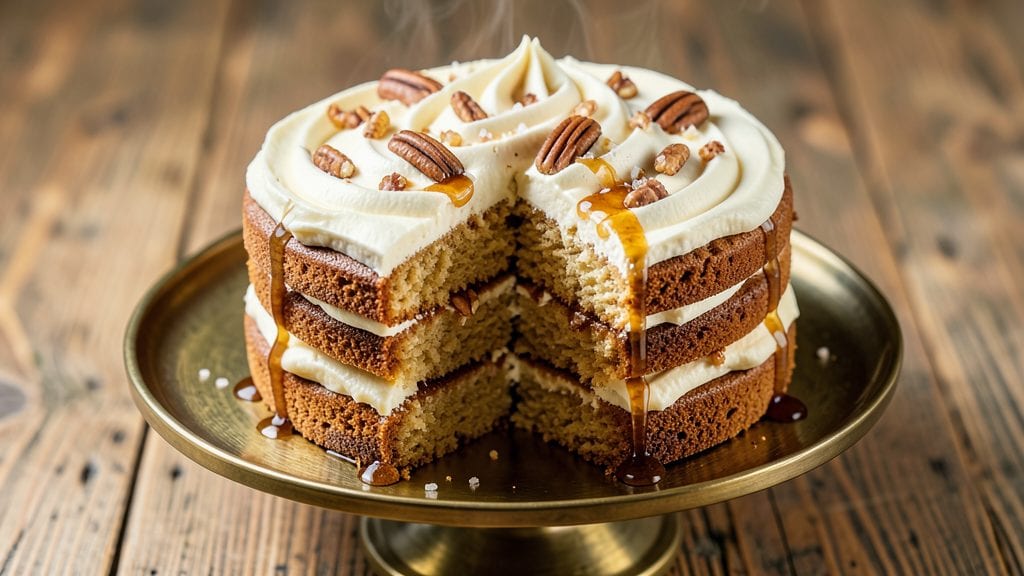
Paula Deen’s butter cake recipe delivers the kind of moist, rich layers that define Southern baking—tender crumb, buttery flavor, and just the right amount of sweetness.
The secret lies in her signature use of buttermilk and brown sugar, which create that signature caramel depth while keeping the texture impossibly tender. I’ve baked this version countless times, and it never fails to impress, whether for a family gathering or a special occasion.
What sets this recipe apart is the careful balance of ingredients—high-fat butter and buttermilk work together to create a cake that stays moist for days without drying out. The baking process is straightforward, with precise timing to ensure even layers that slice cleanly.
No fancy equipment is needed, just a standard mixing bowl and a reliable oven. The result? A cake that’s light enough to eat by itself but rich enough to stand up to layers of frosting.
By the time you pull it from the oven, you’ll have a golden, domed cake with a fine crumb that practically melts in your mouth. The aroma alone—warm butter, caramelized sugar, and a hint of vanilla—will have everyone gathered around the table waiting for their slice.
This is the kind of dessert that feels like a hug, and it’s exactly what Paula Deen’s fans expect from her recipes.
Serve it with a simple glaze, whipped cream, or even a dollop of vanilla ice cream for the full Southern experience. The beauty of this recipe is its versatility—it works as a showstopper for celebrations or a comforting treat on a quiet afternoon. Let’s get baking!
Ingredients for paula deen butter cake
Southern baking essentials for a cake that stays moist, rich, and perfectly tender.
| Ingredient | Amount | Notes |
|---|---|---|
| Unsalted Butter 🧈 | 1 cup | Cold, cubed for cutting into flour |
| Granulated Sugar 🍚 | 2 cups | Standard white sugar |
| Light Brown Sugar 🍚 | ½ cup | Packed, not scooped |
| Buttermilk 🥛 | 1 ½ cups | Room temperature preferred |
| All-Purpose Flour 🌾 | 2 ½ cups | Sifted, spooned lightly |
| Baking Powder 🍞 | 2 tsp | Double-acting preferred |
| Salt 🧂 | ½ tsp | Fine sea salt |
| Pure Vanilla Extract 🌸 | 2 tsp | High-quality, not imitation |
| Large Eggs 🥚 | 2 whole | Room temperature |
| Vegetable Oil 🫒 | ¼ cup | Light, for moistness |
| Vanilla Bean Seeds 🌸 | 1 tsp | Scraped from 1 bean |
The butter is non-negotiable here—European-style or high-fat American butter gives that signature Paula Deen richness. Kroger or Whole Foods carry excellent options, or splurge on Plugrá for the best flavor. Brown sugar should be packed—don’t scoop it. For the buttermilk, if you don’t have any, mix 1 tablespoon lemon juice or vinegar with 1 cup milk and let it sit for 5 minutes. The vanilla extract matters too—Heinz or Nielsen-Massey are reliable, but a scraped vanilla bean adds depth you can’t replicate with imitation.
No buttermilk? Sour cream or plain yogurt works at the same quantity, but the cake will be slightly denser. Running short on butter? Replace 1/4 cup with oil, but the texture won’t be quite as tender. For the vanilla, if you’re out, vanilla sugar or even a pinch of cinnamon can add warmth, though it’s not the same. The baking powder is crucial—Aluminum-free ensures proper rise. If your flour is old (over 6 months), add 1/4 teaspoon extra baking powder to compensate. For the eggs, if you’re unsure about room temperature, just let them sit in warm water for 5 minutes.
This cake keeps beautifully—wrapped tightly at room temperature for 2 days, or refrigerated for up to 5 days. For longer storage, freeze slices wrapped in plastic for up to 3 months. The secret to reheating? Microwave 10 seconds per slice to revive the moisture. If you bake ahead, store the cake in the fridge and bring it to room temperature before serving. The frosting? Wait at least 2 hours before adding so the cake sets properly—trust me on this.
Why You'll Love This Recipe
- No-Fuss Moisture Lock: The buttermilk and vegetable oil in this recipe are a game-changer—they keep this cake soft for days, even after baking. No dry crumbs here, just that perfect balance of tenderness that makes slicing into it pure joy.
- Vanilla Bean Magic: That scraped vanilla bean seed? It’s the secret ingredient that turns good cake into chef’s kiss cake. The depth of flavor from real vanilla bean elevates every bite, making it taste like a Southern Sunday afternoon.
- Crowd-Pleaser Always: This cake is my go-to for birthdays, potlucks, or just because. It’s rich enough to satisfy picky eaters but simple enough that even my least confident baker friend can nail it. Plus, it’s foolproof for feeding a crowd without stress.
- Leftovers That Last: I’ve had this cake sitting on the counter for two full days and still tasted like it came out of the oven. And if you freeze slices? It’s like time travel—still moist, still delicious, no sad crumbs in sight.
Step-by-step instructions for Paula Deen's butter cake
Follow this method for layers that stay moist for days and crumb soft at every bite.
Cream Butter and Sugars Together
In a stand mixer fitted with the paddle attachment, beat the 1 cup unsalted butter on medium speed until completely smooth and creamy, about 2 minutes. Add the 2 cups granulated sugar and ½ cup light brown sugar, mixing on medium-high until the mixture is light in color and fluffy, about 3-4 minutes. This step incorporates air, which is crucial for that classic Southern cake texture.
Here's the thing—don't rush this part. You'll know it's ready when the mixture nearly doubles in volume and leaves faint streaks on the bowl. Scrape down the sides of the bowl with a spatula to ensure even mixing. The butter should be completely incorporated with no visible lumps, and the sugars should be fully dissolved.
Add Eggs and Vanilla
Add the 2 large eggs, one at a time, mixing well after each addition. Then stir in the 2 teaspoons pure vanilla extract and 1 teaspoon vanilla bean seeds. Mix on low speed for 30 seconds to combine thoroughly. The vanilla bean seeds add depth of flavor that regular extract can't match.
This is where the cake gets its signature richness. The eggs provide structure while keeping the crumb tender. Be careful not to overmix here—just until everything is fully incorporated. You should see a smooth, thick batter with no streaks of egg white remaining.
Alternate Dry and Wet Ingredients
In a separate bowl, whisk together the 2½ cups all-purpose flour, 2 teaspoons baking powder, and ½ teaspoon salt. With the mixer on low speed, add about one-third of the dry ingredients to the wet mixture. Mix just until combined, then add ½ cup of the buttermilk. Repeat this process, alternating between dry and wet ingredients, ending with the remaining dry ingredients.
I like to use a spatula to gently fold in the last of the flour to avoid overmixing. The buttermilk adds moisture and tanginess that keeps this cake tender for days. The alternating method prevents dense pockets in the cake while ensuring even distribution of leavening.
Incorporate Oil and Final Mixing
Add the ¼ cup vegetable oil to the batter and mix on low speed for 1 minute until fully combined. The oil helps create a moist crumb that stays soft even when sliced days later. Scrape down the sides of the bowl one final time to ensure everything is evenly incorporated.
At this stage, the batter should be thick but pourable. If it looks too stiff, you can gently fold it with a spatula to loosen it. The texture should be smooth with no visible streaks of flour. This is your last chance to adjust consistency before baking.
Bake in Layers with Precision
Preheat your oven to 350°F. Grease and flour three 9-inch round cake pans or line them with parchment paper. Divide the batter evenly among the pans. Bake for 25-30 minutes or until a toothpick inserted in the center comes out clean. Rotate the pans halfway through baking for even browning.
Here's the key to perfect layers: don't overbake. The cake should spring back slightly when pressed in the center. Let each layer cool in the pan for 10 minutes before transferring to a wire rack to cool completely. This gradual cooling prevents cracking while maintaining moisture.
Pro Tips For Making Paula Deen Butter Cake
- Cube That Butter: Don’t just melt it—cut the 1 cup unsalted butter into small, even cubes before mixing. Cold butter emulsifies better with the sugars, creating that signature light, fluffy texture. I used to skip this and ended up with dense layers—trust me, the effort pays off.
- Pack the Brown Sugar: That ½ cup light brown sugar must be packed, not scooped. Use a spoon to press it firmly into the measuring cup so it doesn’t lose volume. Too little brown sugar means less moisture and depth of flavor—this cake’s caramel notes come from that packed sugar.
- Rotate the Pans: Halfway through baking, swap the pans front to back. Your oven’s hot spots will bake one side unevenly, and rotating ensures all three layers brown evenly. I learned this after pulling out a cake with one side dark and the others pale—annoying, but easy to fix.
- Test with a Toothpick: The cake’s done when a toothpick comes out clean, not wet. Overbaking dries it out, and underbaking leaves it gummy. If you’re unsure, press the center gently—it should spring back, not stay indented. This is the non-negotiable moment.
Serving suggestions for paula deen butter cake
Classic Southern Frosting
Paula Deen’s butter cake deserves a classic Southern frosting—buttercream made with 1 cup unsalted butter softened to room temperature and 4 cups powdered sugar sifted for a silky texture.
Mix in 2 tsp pure vanilla extract and 2-3 tbsp buttermilk to achieve a spreadable consistency. This frosting balances the cake’s richness without overpowering it. 💛
Vanilla Bean Swirl
For an extra touch of elegance, fold 1 tsp scraped vanilla bean seeds into your buttercream before spreading. The swirls of vanilla add a luxurious pop of flavor that complements the cake’s depth. I like to pipe it on top after frosting the layers for a restaurant-worthy finish.
Fresh Berry Compote
Serve slices with a light raspberry or blackberry compote for a bright contrast to the cake’s richness. Simmer 1 cup berries with 1 tbsp sugar and 1 tsp lemon juice until thickened—about 5 minutes.
Drizzle generously over each slice for a fruity balance. This pairing feels like summer in every bite.
Coffee Glaze Option
For a bold twist, mix ½ cup powdered sugar with 1 tbsp strong brewed coffee and a splash of milk until smooth. Drizzle over cooled cake layers for a sophisticated, slightly bitter contrast that enhances the vanilla notes. Perfect for coffee lovers! ✨
Whipped Cream Topping
Lightly whipped 1 cup heavy cream with 1 tbsp powdered sugar and a pinch of vanilla adds a dreamy texture. Dollop it on top of each slice just before serving—it melts slightly, creating a luxurious mouthfeel. This is my go-to for a casual yet impressive presentation.
Nutrition facts
Frequently asked questions
Why does Paula Deen's butter cake use buttermilk?
The buttermilk creates a tender, moist crumb that stays soft for days. It reacts with the baking powder to produce carbon dioxide, giving the cake its signature light texture while adding a subtle tanginess that balances the sweetness. Without it, the cake would be denser and drier.
Can I substitute ingredients like buttermilk or eggs?
For buttermilk, mix 1 tablespoon lemon juice or vinegar with 1 cup milk and let it sit for 5 minutes. If you’re out of eggs, use ¼ cup applesauce or mashed banana for each egg, though texture may vary slightly. Always adjust for room temperature ingredients to ensure proper mixing.
How do I prevent my cake from cracking?
Cracking often happens from rapid cooling or overmixing. Let the cake cool in the pan for 10 minutes after baking, then transfer to a wire rack. Avoid opening the oven door too soon, and ensure your pans are evenly greased and floured. The alternating dry/wet ingredient method also helps avoid dense pockets that crack.
What’s the best way to frost this cake?
A classic Southern buttercream made with 1 cup softened butter and 4 cups powdered sugar works perfectly. Add 2 teaspoons vanilla extract and 2-3 tablespoons buttermilk for a smooth, spreadable texture. Let the cake rest for at least 2 hours before frosting to ensure it’s fully set and ready for layers.
Can I make this cake ahead of time?
Bake the layers up to 3 days ahead and store them wrapped tightly at room temperature. For longer storage, freeze the baked layers wrapped in plastic for up to 3 months. Thaw at room temperature before frosting or serving. The cake tastes even better the next day as flavors meld!