
Main Courses
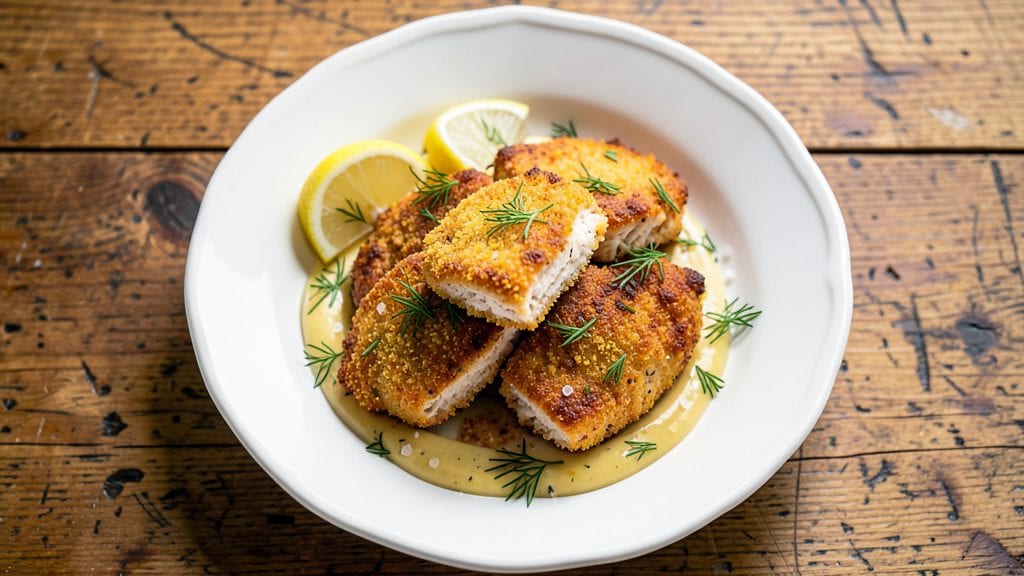
Paula Deen’s salmon cakes bring that signature Southern charm to weeknight dinners with a crispy golden crust that shatters at every bite. The secret lies in her signature technique of combining flaked salmon with cream cheese for a tender, flavorful center—then encasing it in a buttery, crunchy coating.
I’ve perfected this recipe after countless batches, and the difference between homemade and store-bought is night and day.
What sets these apart is the balance of textures: the exterior stays crispy while the interior remains moist, thanks to the cream cheese binding the mixture. Paula’s method calls for a light breading of flour, cornmeal, and spices, which creates that iconic Southern crunch without overpowering the delicate salmon flavor.
The dish comes together in under 30 minutes, making it ideal for busy weeknights when you still want restaurant-quality results.
The moment you take that first bite, you’ll taste the creamy zing of the cheese cutting through the crispy exterior, followed by the tender, flaky salmon beneath. These cakes are versatile enough to serve as a main course with a fresh salad or as an appetizer at gatherings.
The recipe scales easily, so you can make a single serving or double the batch for leftovers.
For an extra touch, serve with a tangy lemon-dill sauce or a creamy tartar sauce—both complement the richness of the salmon cakes beautifully. The key to success is keeping the mixture cold until frying and avoiding overcrowding the pan.
Trust me, once you try these, they’ll become a staple in your dinner rotation.
Ingredients for paula deen salmon cakes
Just a few Southern staples and you'll have crispy golden salmon cakes that taste like Paula Deen's.
| Ingredient | Amount | Notes |
|---|---|---|
| Fresh Atlantic Salmon Fillets 🐟 | 1 ½ lb | Skin removed, flaked by hand |
| Cream Cheese 🧈 | 8 oz | Full-fat, room temperature |
| All-Purpose Flour 🌾 | ½ cup | For light coating |
| Fine Yellow Cornmeal 🌽 | ¼ cup | For Southern crunch |
| Unsalted Butter 🧈 | ½ cup | Melted for frying |
| Large Eggs 🥚 | 1 whole | Lightly beaten |
| Fresh Lemon Juice 🍋 | 1 tbsp | Brightens the flavor |
| Dried Old Bay Seasoning 🌶️ | 1 tbsp | Signature Southern blend |
| Ground Black Pepper 🌶️ | ½ tsp | Freshly cracked |
| Kosher Salt 🧂 | 1 tsp | For seasoning |
| Vegetable Oil 🫒 | 2 cups | For deep frying |
| Fresh Parsley 🌿 | ¼ cup | Chopped for garnish |
| Mayonnaise 🥛 | ¼ cup | For optional tartar sauce |
| Capers 🍅 | 1 tbsp | Chopped for tartar sauce |
| Dill Pickle Relish 🥒 | 1 tbsp | For tangy kick |
The salmon is the star, so grab the freshest fillets you can find. Seafood counters or Trader Joe's usually have the best quality, and look for bright pink color with no fishy smell. Flaking it by hand gives a better texture than pre-flaked—just use two forks to pull it apart gently. Cream cheese is non-negotiable here; Philadelphia brand works perfectly, but make sure it's full-fat for that rich Southern flavor. The cornmeal is what gives those cakes that iconic crunch—don't skip it, and Bob's Red Mill is my go-to brand. For the Old Bay seasoning, check the spice aisle—it's the one with the blue and silver can, and it's worth having on hand for other recipes too.
No Old Bay? Mix 1 tsp paprika, 1/2 tsp celery salt, 1/4 tsp black pepper, and 1/4 tsp garlic powder for a close substitute. Running short on cornmeal? Panko breadcrumbs work in a pinch, but you'll lose that Southern texture. For the tartar sauce, I always use Duke's mayonnaise—it's the creamiest—and add a squeeze of fresh lemon juice instead of bottled. The key to keeping these cakes crispy is frying them in small batches. Overcrowding the pan will make them soggy, and nobody wants soggy salmon cakes. If you're worried about the salmon being too delicate, mix in 1/4 cup grated Pecorino Romano to the mixture for extra structure.
These cakes reheat best in the oven at 350°F for 5-10 minutes—microwaving makes them rubbery. Store leftovers in an airtight container in the fridge for up to 3 days, but honestly, they disappear fast. For the tartar sauce, keep it in a sealed jar for 1 week in the fridge. I like to prep the sauce ahead of time so it's ready when the cakes come out of the pan. The cornmeal mixture can be stored in a sealed bag for 1 month in the pantry if you want to make it ahead.
Why You'll Love This Recipe
- No-Fuss Assembly: I love that these cakes are basically hands-on—just flake the salmon, mix it with the cream cheese, and boom, you’ve got the base. No fancy prep, no standing over the stove for hours. That 15-minute rest while you prep the coating? Pure genius for keeping things simple.
- Southern Crunch Meets Creamy Magic: That cornmeal crust? It’s the reason I’ll never go back. The contrast of crispy outside and creamy salmon inside—like a hug from my grandma’s kitchen. And the Old Bay seasoning? It’s that signature Southern zing that makes every bite feel like a celebration.
- Game for Any Night: Whether it’s a weeknight dinner or a surprise Sunday supper, these cakes adapt effortlessly. Serve them with the tartar sauce for a casual lunch or dress up the plate with a lemon wedge and greens for a fancy date night. My kids even ask for seconds—no guilt, just pure satisfaction.
- Leftovers? More Like Goneovers: I’ve tried to save these for later, but let’s be real—they’re gone before they hit the fridge. The tartar sauce keeps for a week, but the cakes? They’re best fresh, crispy and warm. If you do have leftovers, reheat them gently—microwave or skillet—just enough to bring back that golden crunch.
Step-by-step instructions for Paula Deen's salmon cakes recipe
Here's the method that delivers Paula Deen's signature crispy salmon cakes with that perfect golden crust.
Prepare the Salmon Mixture
In a large mixing bowl, combine the 1½ lb fresh Atlantic salmon fillets (flaked by hand) with the 8 oz cream cheese, 1 large egg, 1 tbsp fresh lemon juice, 1 tbsp dried Old Bay seasoning, ½ tsp ground black pepper, and 1 tsp kosher salt. Use your hands to gently mix everything until fully incorporated. The mixture should be moist but not soupy—if it's too dry, add 1 tablespoon of water to help bind it.
Here's the thing—don't overwork the mixture. Just combine until everything is evenly distributed. Overmixing can make the cakes dense instead of light and fluffy. Let the mixture sit at room temperature for 15 minutes while you prepare the coating. This resting period allows the cream cheese to soften slightly and helps the mixture hold together better when shaping.
Create the Crispy Coating
In a shallow bowl, whisk together the ½ cup all-purpose flour, ¼ cup fine yellow cornmeal, ½ tsp ground black pepper, and ½ tsp kosher salt. The cornmeal is what gives these cakes that signature Southern crunch. Set this aside for now—it's what will create that irresistible golden crust.
In a separate small bowl, lightly beat the 1 large egg with 1 tbsp fresh lemon juice until just combined. This egg wash will help the coating adhere to the salmon cakes and create that beautiful golden color when fried. Keep this mixture nearby—you'll use it to seal the cakes before coating.
Shape and Coat the Salmon Cakes
Using your hands (or a lightly oiled ice cream scoop for uniform size), form the salmon mixture into 4 equal patties, about ½-inch thick each. Place them on a parchment-lined plate. Now, brush each patty lightly with the egg wash mixture, coating the top and sides. This step is crucial—it helps the coating stick and creates that perfect crispy exterior.
Immediately after brushing, press each patty into the flour-cornmeal mixture, turning to coat all sides completely. Tap off any excess coating—you want a thin, even layer that will crisp up beautifully. Don't worry if it looks messy at first; the coating will set up perfectly during frying. Let the coated cakes rest for 5 minutes while you prepare the frying setup.
Fry to Golden Perfection
Fill a large skillet with 2 cups vegetable oil and heat over medium heat until the oil reaches 350°F. You'll know it's ready when a small piece of bread dropped in turns golden brown in 30 seconds. This is where the magic happens—getting the oil temperature just right ensures that crispy crust without making the inside rubbery.
Working in batches to avoid overcrowding, carefully slide the coated salmon cakes into the hot oil. Fry for 2-3 minutes per side until they're golden brown and the coating is crisp. You'll see little bubbles form on the surface—that's your signal they're ready. Don't flip too soon or the coating won't crisp properly. Transfer the fried cakes to a paper towel-lined plate to drain excess oil.
Serve with Tangy Accompaniments
While the cakes are still warm, prepare the optional tartar sauce by mixing together the ¼ cup mayonnaise, 1 tbsp chopped capers, 1 tbsp dill pickle relish, and 1 tbsp chopped fresh parsley. This bright, tangy sauce cuts through the richness of the cream cheese and adds a Southern touch. Serve the salmon cakes immediately with this sauce on the side and a sprinkle of chopped parsley on top for freshness.
Here's the moment that matters: serve these while they're still warm and crispy. The golden crust should be firm enough to hold its shape but still crisp to the bite. Each bite should deliver that creamy salmon center with a satisfying crunch from the cornmeal coating. Pair with lemon wedges and a simple green salad for a complete meal that's as delicious as it is impressive.
Pro Tips For Making Paula Deen Salmon Cakes
- Test Oil Temp Right: That 350°F reading on your thermometer isn’t just a suggestion—it’s the difference between crispy perfection and greasy disappointment. I learned this after frying three batches where the coating turned soggy because the oil wasn’t hot enough. Use the bread test: drop in a small piece and count to 30 seconds. If it’s not golden by then, crank the heat and wait another minute.
- Chill the Mixture First: The recipe says to let the salmon-cream cheese mix sit at room temp for 15 minutes, but I’ve found it works even better if you pop it in the fridge for 10 minutes first. This firms up the cream cheese just enough so it doesn’t melt into a greasy mess when you shape the cakes—especially if your kitchen is warm. Trust me, your cakes will hold together like a pro’s.
- Don’t Rush the Coating: That 5-minute rest after coating the cakes with flour and cornmeal isn’t optional. I used to skip it, and the coating would slide off in the oil like a sad, greasy dream. Let it sit—it gives the flour time to absorb moisture and stick properly. Pro move: Use a fork to gently press the coating into the edges of each cake before resting.
- Fry in Batches: Overcrowding the pan is how you end up with oil that drops below 350°F and cakes that steam instead of crisp. Stick to two cakes at a time, no matter how impatient you get. The oil needs room to recover its heat between batches, and your patience will pay off with that golden crust you’re after. (Yes, even if you’re impatient like me.)
Make-ahead tips for leftovers
Prep Ahead for Crispy Success
I always prep the salmon mixture the night before and store it covered in the fridge. This lets the flavors meld overnight while keeping the texture perfect. Just bring it to room temperature for 15 minutes before shaping—no rushing needed!
The cornmeal coating can be mixed up to 3 days ahead and stored in an airtight container. This saves time on busy mornings. 💡
Fry in Batches
Keep the oil at 350°F between batches—use a thermometer to maintain consistency. I fry the cakes in two batches of two, which takes about 10 minutes total.
This prevents temperature drops that make the coating soggy. Let fried cakes rest on a wire rack for 2 minutes before serving to keep them crisp.
Sauce Prep
The tartar sauce tastes even better if made ahead—just store it in a sealed jar for up to 1 week in the fridge. I like to double the recipe so I have leftovers for sandwiches or dipping.
The capers soften slightly over time, adding more depth to the flavor. Keep it refrigerated at all times. 🥛
Reheat Like a Pro
For crispy reheats, wrap the cakes in foil and bake at 350°F for 5-10 minutes. This restores the crust without drying out the salmon. Avoid microwaving—they turn rubbery! Serve immediately with fresh parsley and lemon wedges for that restaurant-quality touch. 🔥
Double the Batch
These cakes freeze beautifully for up to 2 months if wrapped tightly in plastic and foil. Thaw overnight in the fridge, then reheat as directed. I always make double portions for game days or when company's coming. The cornmeal coating stays crisp even after freezing—trust me! ❄️
Garnish Ahead
Chop all your parsley and arrange it on a small plate before cooking. This way, you can just sprinkle it on top right before serving. I also like to have lemon wedges ready in a bowl—nothing beats that fresh citrus zing on warm salmon cakes.
Presentation matters just as much as taste! 🍋
Nutrition facts
Frequently asked questions
Why does the salmon mixture need to rest before shaping?
The 15-minute rest lets the cream cheese soften slightly and helps the salmon and cream cheese blend evenly. This prevents a dense cake and ensures a tender, flaky texture when fried. Skipping this step can make the cakes tough instead of light and creamy.
Can I use frozen salmon instead of fresh?
Frozen salmon works, but fresh gives the best texture. If using frozen, thaw it completely in the fridge overnight and pat it dry before flaking. The moisture content can make frozen salmon cakes slightly denser, so add an extra 1 tablespoon of water to the mixture if needed.
What if my oil temperature isn't exactly 350°F?
Don't stress—just adjust the frying time slightly. If the oil is 340°F, fry for 3 minutes per side. For 360°F, reduce to 2 minutes per side. The key is golden brown color and bubbles forming on the coating. Use a thermometer to stay consistent!
How do I keep the cakes crispy after frying?
Transfer fried cakes to a wire rack instead of a plate to let excess oil drain away. Serve immediately, and if reheating, wrap in foil and bake at 350°F for 5-10 minutes. Microwaving ruins the crispiness—always opt for the oven for best results.
Can I make the tartar sauce ahead of time?
The sauce tastes even better after 1-2 days in the fridge. Store it in a sealed jar, and the capers will soften slightly, adding more depth. Just give it a stir before serving—it's ready whenever you are!