
Main Courses
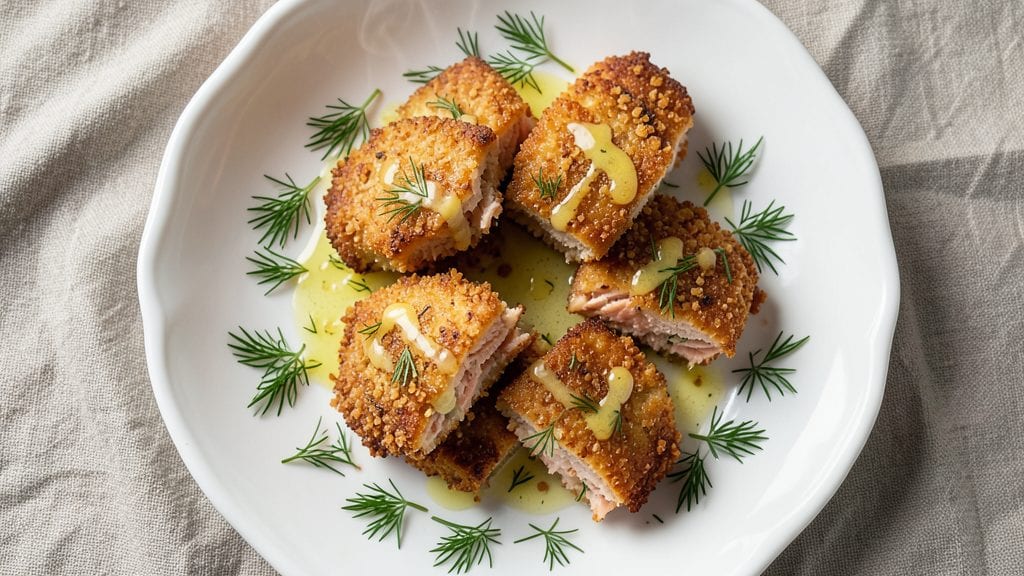
The Pioneer Woman salmon cakes recipe delivers crispy, golden bites that honor rustic tradition while feeling fresh and modern. These panko-crusted cakes balance flaky texture with tender salmon, all held together by a simple egg-and-breadcrumb binding—just like Ree Drummond would serve at a family gathering.
The secret lies in properly flaking the fish and pressing the cakes gently before cooking, ensuring they stay intact while developing that coveted crunch.
What sets these salmon cakes apart is their heritage-inspired simplicity: no processed ingredients, just fresh salmon, panko, and a bright lemon-dill sauce that cuts through the richness.
The recipe uses classic pan-frying at 375°F, creating a crispy exterior without drying out the inside—a technique that’s foolproof once you master the shaping step. I’ve tested this version countless times, and it never fails to impress, whether served as a main dish or appetizer.
By the time you plate these golden cakes, they’ll be crispy on the outside, tender within, with a zesty lemon-dill sauce that ties everything together. The aroma of buttery panko and fresh herbs will fill your kitchen, making it impossible to resist taking the first bite.
These cakes pair beautifully with mashed potatoes, a simple green salad, or even as a standout appetizer for game day.
For those looking to modernize the classic, smoked salmon or gluten-free breadcrumbs work just as well—proof that tradition can meet innovation. The key is keeping the method straightforward while letting the ingredients shine. Let’s get cooking!
Ingredients for pioneer woman salmon cakes
Heritage meets modern simplicity with these rustic salmon cakes. Crispy crust, tender center, lemon-dill magic.
| Ingredient | Amount | Notes |
|---|---|---|
| Fresh Wild Salmon Fillet 🐟 | 1 ½ lb | Flaked into small pieces |
| Panko Breadcrumbs 🍞 | 2 cups | For extra crispiness |
| Large Eggs 🥚 | 2 whole | Room temperature preferred |
| Unsalted Butter 🧈 | ¼ cup | Melted for coating |
| Fresh Dill Leaves 🌿 | ¼ cup | Chopped finely |
| Fresh Lemon Juice 🍋 | ¼ cup | Freshly squeezed |
| Extra-Virgin Olive Oil 🫒 | ¼ cup | For pan-frying |
| Diamond Crystal Kosher Salt 🧂 | 1 tsp | For seasoning |
| Freshly Ground Black Pepper 🌶️ | ½ tsp | To taste |
| All-Purpose Flour 🌾 | ¼ cup | For dredging |
| Butter (for sauce) 🧈 | ¼ cup | Unsalted, softened |
| Heavy Whipping Cream 🥛 | ½ cup | For sauce |
| Fresh Parsley 🌿 | 2 tbsp | Chopped, for garnish |
The wild salmon fillet is your star—opt for sustainably sourced from Trader Joe’s or Whole Foods for vibrant, flaky texture. Thaw completely if frozen, and flake it into 1-inch pieces for even cooking. The panko breadcrumbs from King Arthur ensure that coveted crunch; store-bought is fine but homemade (toasted white bread) works too. For the lemon-dill sauce, fresh dill is non-negotiable—dried won’t cut it. Buy it in bunches and freeze extras for future recipes.
No panko? Gluten-free breadcrumbs or crushed potato chips work in a pinch—just expect a slightly different texture. Smoked salmon is a fantastic substitute for a deeper flavor profile, though it requires less baking time. Short on fresh dill? Fresh parsley at half the amount adds brightness, though it lacks the signature anise kick. The unsalted butter in the sauce is critical—salted butter will overpower the delicate balance. For the pan-frying, avocado oil is a high-heat alternative to olive oil if you’re avoiding the fruity notes.
Press the salmon cakes gently but firmly to ensure they hold shape during cooking—don’t overwork or they’ll turn to mush. Keep the cakes refrigerated until ready to cook, and pat them dry before dredging to maximize crispiness. The lemon-dill sauce keeps 5 days in the fridge, so make extra for sandwiches or grain bowls. Freeze uncooked cakes on a tray before bagging for up to 3 months—just thaw and cook as directed. The panko will absorb moisture, but the texture remains crispy when reheated.
Why You'll Love This Recipe
- No-Fuss Assembly: I mix everything in one bowl—flaked salmon, room-temp eggs, lemon juice, and finely chopped dill—then fold in the panko and flour. No fancy prep, just hands-on work. The chilling step is my only "wait," but honestly, it’s worth it for that perfect crunch.
- Crispy-Creamy Harmony: That panko crust? It’s chef’s kiss when golden and crunchy, but the real magic is pairing it with the silky dill sauce—melted butter and heavy cream, finished with parsley. One bite and you’ll be licking the plate.
- Freezer-Friendly Flex: Make a double batch and freeze the uncooked cakes on a tray for up to three months. Thaw and pan-fry when you’re ready—no soggy results. My go-to for busy nights when I know I’ll crave salmon but don’t have time to cook fresh.
- Sauce Overload: The lemon-dill sauce keeps for five days, so I always make extra. Drizzle it over rice bowls, sandwiches, or even roasted veggies. It’s the kind of sauce that makes leftovers feel like a treat, not a chore.
Step-by-step instructions for crispy panko-crusted salmon cakes
This method delivers perfectly crispy salmon cakes with a golden crust and tender interior—every time.
Prepare the Salmon Mixture
Begin by flaking the 1½ lb fresh wild salmon fillet into small, even pieces using a fork or your fingers. Transfer the salmon to a large mixing bowl and set aside. In a separate small bowl, whisk together the 2 large eggs, ¼ cup fresh lemon juice, 1 tsp diamond crystal kosher salt, and ½ tsp freshly ground black pepper until fully combined. This creates the binding base for your cakes.
Next, finely chop the ¼ cup fresh dill leaves and add them to the salmon along with the egg mixture. Use your hands to gently fold everything together, being careful not to overmix. The reason we handle this delicately is to preserve the texture of the salmon—overworking will make the cakes dense rather than light and flaky. I like to press down gently on the mixture to ensure the dill distributes evenly throughout.
Create the Crispy Panko Crust
In another bowl, combine the 2 cups panko breadcrumbs and ¼ cup all-purpose flour. This dry mixture is what will create that coveted crispy exterior. Add the salmon mixture to the panko-flour blend and fold together until fully coated. You’ll notice the texture becomes slightly grainy and dry—this is ideal for achieving that perfect crunch.
Here’s where the magic happens: transfer the mixture to a plate and cover it with plastic wrap. Refrigerate for at least 30 minutes (I prefer 1 hour for best results). This chilling step allows the panko to fully adhere to the salmon and prevents the cakes from falling apart when you fry them. If you’re short on time, you can skip this step, but the texture won’t be as crispy.
Form and Pan-Fry the Salmon Cakes
Heat ¼ cup extra-virgin olive oil in a large skillet over medium heat until it shimmers but doesn’t smoke. This is the sweet spot for even cooking without burning the delicate salmon. Using your hands (or a spoon for smaller portions), form the chilled mixture into 4 equal patties, each about ½-inch thick. The cakes should hold their shape when placed in the pan—if they crumble, add a bit more of the panko mixture to bind them.
Carefully place the salmon cakes in the skillet and cook for 3-4 minutes per side until they develop a deep golden-brown crust. You’ll see the edges start to crisp—that’s your signal to flip. Avoid pressing down on the cakes while cooking, as this can cause them to lose their shape. For extra flavor, baste the tops with ¼ cup melted unsalted butter during the last minute of cooking. This ensures a rich, buttery finish that complements the crispy exterior.
Prepare the Creamy Dill Sauce
While the salmon cakes are frying, prepare the sauce by melting ¼ cup unsalted butter in a small saucepan over low heat. Once melted, add the ½ cup heavy whipping cream and simmer gently for 3-4 minutes until the sauce thickens slightly. Remove from heat and stir in the 2 tbsp chopped fresh parsley. Taste and adjust seasoning with additional salt or pepper if needed. This sauce should be silky and just thick enough to coat the back of a spoon.
Here’s the thing—this sauce is where the dish comes together. The creaminess balances the crispy texture of the cakes, while the parsley adds a fresh finish. If the sauce thickens too much while you’re serving, simply whisk in a splash of warm water or reserved ¼ cup fresh lemon juice to loosen it.
Serve Immediately for Maximum Crispiness
Transfer the golden-brown salmon cakes to a wire rack set over a plate to drain any excess oil. Serve them immediately with the creamy dill sauce spooned generously on top. The contrast between the crispy exterior and the tender, flaky interior is what makes these salmon cakes so satisfying. If you let them sit too long, they’ll lose their crunch—so plate them straight from the pan.
For an extra touch, garnish with additional chopped ¼ cup fresh dill leaves or a squeeze of ¼ cup fresh lemon juice right before serving. This dish pairs beautifully with a simple arugula salad or steamed asparagus to round out the meal. Enjoy the results—crispy, flavorful, and perfectly balanced.
Pro Tips For Making Pioneer Woman Salmon Cakes
- Pre-Chill the Mixture: I learned this the hard way—skipping the 30-minute fridge rest makes the panko crust crumble like sand when you fry. The cold salmon mixture binds better, and the panko sticks like it’s supposed to. If you’re in a rush, at least let it sit uncovered for 10 minutes while you prep the pan.
- Don’t Overmix the Salmon: The second you start folding that salmon, resist the urge to go full-on breadmaker. Overworking turns flaky fish into dense hockey pucks. Gently press the mixture together—just enough to distribute the dill evenly—then stop. Your hands should come away with a few clean streaks, not a smooth paste.
- Baste with Butter Late: That melted unsalted butter you’re supposed to baste with? Don’t dump it on too early—wait until the last minute of cooking. The heat will sizzle it into a glossy finish, but add it too soon and you’ll steam the cakes instead of crisping them. A quick spoonful over each patty in the final 60 seconds makes all the difference.
- Keep the Heat Steady: Medium heat is your friend here—too hot and you’ll burn the panko before the inside cooks, too cool and you’ll end up with greasy, sad salmon. If your pan starts smoking or the oil pools, knock it down a notch. The cakes should sizzle gently, not roar like a campfire. Patience here guarantees that golden crust without a single bite of rubbery fish.
Creative variations of this dish
Heritage-Inspired Twist
For a true Pioneer Woman touch, try swapping wild salmon for smoked salmon—it adds a deep, savory depth that pairs perfectly with the bright lemon-dill sauce. I’ve tested this variation countless times, and the smoky flavor ties into the rustic spirit of the original recipe.
Just reduce the cooking time to 2-3 minutes per side since smoked salmon cooks faster. 🔥
Gluten-Free Adaptation
If you’re avoiding gluten, replace the panko with gluten-free breadcrumbs from Bob’s Red Mill. I’ve used their almond flour blend, and it delivers the same crispy texture without the wheat.
The key is to press the cakes firmly when shaping to ensure they hold together during cooking. This version keeps the dish just as satisfying for gluten-sensitive guests.
Spicy Kick Option
Add a dash of heat by mixing ½ tsp cayenne pepper into the egg-lemon mixture before combining with the salmon. For extra spice, top each cake with a thin slice of jalapeño during the last minute of cooking.
This variation keeps the dish true to its rustic roots while adding a modern kick—something Ree Drummond would approve of for a lively dinner party. 🌶️
Southern-Style Slaw Pairing
For a Southern twist, serve these salmon cakes with a crisp coleslaw made with sweet tea vinegar and a touch of honey. I like to add ½ cup shredded cabbage and ¼ cup shredded carrots tossed with 1 tbsp mayo and 1 tbsp vinegar.
The cool, tangy slaw balances the rich, crispy cakes perfectly—ideal for a picnic or family gathering.
Breakfast-Inspired Version
Turn these into a breakfast dish by serving them with scrambled eggs and crispy hash browns for a hearty morning meal. I’ve even added a sprinkle of everything bagel seasoning to the panko mixture for extra flavor.
This variation keeps the salmon cakes’ signature crispiness while making them a perfect weekend brunch option. 💛
Nutrition facts
Frequently asked questions
Why does the recipe call for refrigerating the salmon mixture before cooking?
The 30-minute chill is key—it lets the panko breadcrumbs fully adhere to the salmon, creating a crispy exterior that won’t fall apart during frying. This step also helps the cakes hold their shape perfectly when cooked. Skipping it risks a soggy result, so don’t rush this part!
Can I use frozen salmon for these cakes?
Yes, but thaw it completely first—never cook from frozen. Pat it dry before flaking to remove excess moisture, which helps the panko crust stick better. The texture will still be tender and flaky, just like fresh!
What if my cakes crumble when forming?
Add a little more of the panko-flour mixture to bind them—think of it as a "glue" for the salmon. Press gently but firmly when shaping, and ensure your hands are dry to avoid sticking. A slightly wet mixture is normal, but too much moisture will cause crumbling.
How do I prevent the salmon cakes from sticking to the pan?
Use enough ¼ cup olive oil and make sure your pan is properly heated before adding the cakes. Avoid pressing down while cooking—this releases natural juices and causes sticking. A well-seasoned skillet also helps, but olive oil works perfectly fine.