
Main Courses
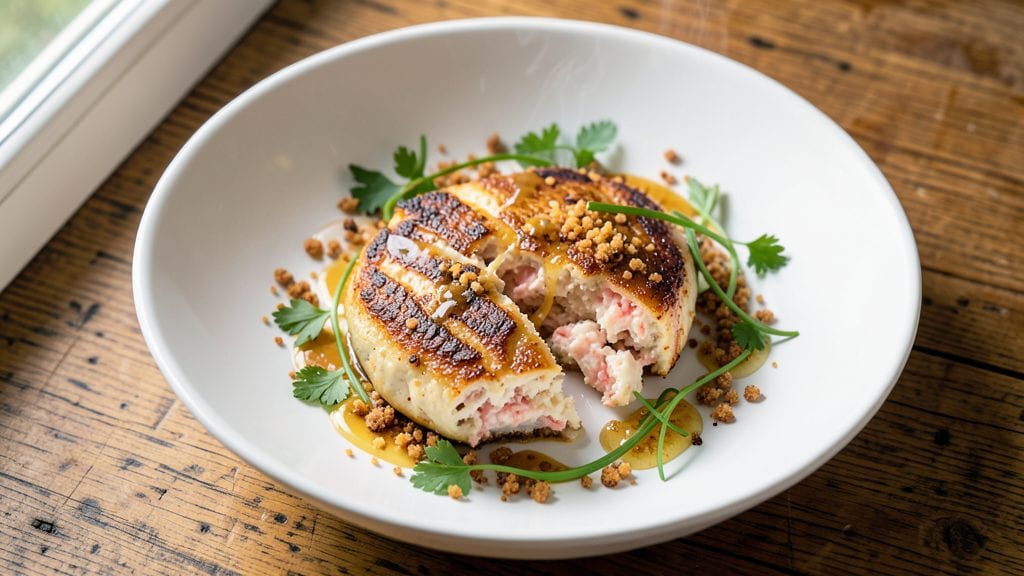
Sally’s crab cakes recipe delivers the perfect balance of crispy golden shells and juicy crab bites that taste like a seaside restaurant.
After years of perfecting this classic, I’ve developed a method that ensures every bite is tender inside with a satisfying crunch on the outside—no more dry or greasy results. The secret lies in properly binding the crab with breadcrumbs and eggs while keeping the mixture cold until the last minute.
This recipe uses fresh lump crab meat for maximum flavor and texture, combined with a blend of panko and regular breadcrumbs for extra crunch. A touch of Dijon mustard and Worcestershire sauce adds depth, while fresh herbs like parsley and chives brighten the mix.
The pan-searing technique guarantees a golden crust without overcooking the delicate crab, making it foolproof for home cooks.
By the time you flip the first crab cake, you’ll smell that irresistible aroma of buttery, golden-brown perfection. The result is a plate of crab cakes that’s crisp on the outside, juicy and flavorful on the inside, and ready to be served with lemon aioli or tartar sauce.
This is the kind of dish that turns weeknight dinners into something special—without the fuss.
Serve with a side of seasonal greens or a crisp salad to balance the richness, and you’ve got a restaurant-worthy meal that’s surprisingly simple to make. Let’s get cooking!
Ingredients for sally's crab cake
Crispy shells meet juicy crab in this restaurant-quality recipe. Simple ingredients deliver restaurant-worthy results.
| Ingredient | Amount | Notes |
|---|---|---|
| Fresh Lump Crab Meat 🦀 | 2 cups | Picked over for consistency |
| All-Purpose Flour 🌾 | ½ cup | For dredging crab cakes |
| Panko Breadcrumbs 🍞 | ½ cup | Extra-crispy texture |
| Large Eggs 🥚 | 2 whole | Room temperature preferred |
| Mayonnaise 🧈 | ¼ cup | Full-fat for creaminess |
| Dijon Mustard 🍯 | 1 tbsp | For tangy depth |
| Worcestershire Sauce 🍶 | 1 tbsp | Balances flavors |
| Fresh Parsley 🌿 | 2 tbsp | Chopped, for freshness |
| Fresh Chives 🌿 | 2 tbsp | Chopped, for brightness |
| Unsalted Butter 🧈 | ½ cup | Melted for frying |
| Kosher Salt 🧂 | 1 tsp | For seasoning |
| Freshly Ground Black Pepper 🌶️ | ½ tsp | Freshly ground preferred |
| Lemon Zest 🍋 | 1 tbsp | Brightens flavor |
| Vegetable Oil 🫒 | ½ cup | For frying |
The fresh lump crab meat is non-negotiable for texture and flavor—look for pre-picked to avoid grit. Huntshell or local seafood markets carry the best quality, but frozen works in a pinch (thaw completely). The panko to regular breadcrumbs ratio ensures that crispy exterior without turning the inside into sawdust. I always grab King Arthur flour for the dredging—it’s the standard in professional kitchens for binding. For the mayo, Hellmann’s or Blue Plate full-fat is ideal; no shortcuts here—light mayo won’t hold the crab together.
No Dijon mustard? Yellow mustard plus 1 tsp lemon juice mimics the tang. Substitute Worcestershire with fish sauce at half the amount if needed, but it’s not the same. Fresh herbs are best—dried parsley or chives at 1 tbsp each can replace, but the flavor isn’t quite the same. For the butter, Land O’Lakes unsalted is my go-to for frying—it has a higher smoke point than European brands. The vegetable oil? Mazola or Crisco is foolproof; avoid flavored oils like garlic or paprika—they’ll overpower the crab.
Keep the crab mixture chilled until frying—this prevents the breading from absorbing too much moisture. Store the prepped crab cakes in an airtight container with parchment between layers for up to 24 hours in the fridge. For best results, freeze uncooked cakes on a tray first, then transfer to a bag for up to 3 months. Reheat in the oven at 350°F for 10 minutes to crisp them back up. The flavor actually improves after resting overnight—just add a touch of extra butter when reheating.
Why You'll Love This Recipe
- Here’s what sold me: you can prep these babies ahead. Mix the crab, coat them, and freeze them on a tray for up to 3 months—no soggy disasters. Need a last-minute date night? Pull them out, fry fresh, and boom. Or, if you’re hosting, assemble the cakes the night before and refrigerate for up to 4 hours. They’ll still hold their shape, and your guests will think you’re a culinary genius.
- No-Fuss Assembly: Honestly, this isn’t one of those recipes that requires hours of prep. Just toss the 2 cups of fresh lump crab meat with the ¼ cup mayo, a splash of Dijon, and those bright herbs—parsley and chives—and you’re already halfway done. The magic happens in the dredging: flour meets panko in a 5-minute whisk, and room-temperature eggs make the coating stick like glue. My kids can handle this part while I prep the rest.
- Crispy-Creamy Balance: That buttery, golden crust? It’s not just pretty—it’s essential. The ½ cup melted butter and vegetable oil combo gives you that perfect sear in 2-3 minutes per side, while the full-fat mayo inside keeps them tender. The Worcestershire sauce and lemon zest? They cut through the richness without overpowering. Trust me, the first bite of that crispy edge with the creamy center? Chef’s kiss.
- Freezer-Friendly Flexibility: Here’s what sold me: you can prep these babies ahead. Mix the crab, coat them, and freeze them on a tray for up to 3 months—no soggy disasters. Need a last-minute date night? Pull them out, fry fresh, and boom. Or, if you’re hosting, assemble the cakes the night before and refrigerate for up to 4 hours. They’ll still hold their shape, and your guests will think you’re a culinary genius.
Step-by-step instructions for sally's crab cakes
Here's the method for crab cakes with perfect texture—crispy shells and tender, juicy centers.
Prepare the Crab Mixture
In a large mixing bowl, combine the 2 cups fresh lump crab meat, ¼ cup mayonnaise, 1 tbsp Dijon mustard, 1 tbsp Worcestershire sauce, 1 tbsp lemon zest, 2 tbsp chopped fresh parsley, and 2 tbsp chopped fresh chives. Using your hands, gently fold everything together until just incorporated—avoid overmixing, which can break down the crab meat and make the cakes dense.
Season the mixture with 1 tsp kosher salt and ½ tsp freshly ground black pepper. Taste and adjust the seasoning if needed—this is your chance to ensure the flavor profile balances sweet crab, tangy mustard, and bright lemon. The mixture should be cohesive but still hold its shape when pressed; if it feels too loose, add ½ cup all-purpose flour to bind it.
Create the Crispy Coating
In a shallow dish, whisk together the ½ cup all-purpose flour and ½ cup panko breadcrumbs. This combination gives you both structure and that coveted crispy texture. In another shallow dish, lightly beat the 2 large eggs until just combined—room temperature eggs help create a smoother coating.
Dip each crab mixture ball into the egg wash first, allowing any excess to drip off, then roll it in the flour-panko mixture, pressing gently to adhere. The coating should be even but not thick—this ensures a crispy shell without overwhelming the delicate crab flavor. Place the coated crab cakes on a plate and let them rest for 10 minutes while you prepare the frying setup.
Fry to Golden Perfection
Melt the ½ cup unsalted butter in a large skillet over medium heat until it foams but doesn't brown. Add ½ cup vegetable oil to the skillet—this combination of butter and oil gives you both flavor and stability for frying. Heat the mixture until it reaches 350°F on a thermometer; if you don't have one, test by dropping a small piece of bread in—it should sizzle and turn golden in about 30 seconds.
Carefully place the crab cakes in the skillet, working in batches to avoid overcrowding. Fry for 2-3 minutes per side until they're golden brown and deeply crispy. The edges should look set, and the underside should release easily from the pan. Transfer the cooked crab cakes to a paper towel-lined plate to drain excess oil, then tent loosely with foil to keep them warm while you finish the batch.
Serve Immediately
Serve the crab cakes immediately while they're still crispy and warm. The contrast between the golden, shatteringly crisp exterior and the tender, juicy crab inside is what makes these crab cakes unforgettable. Pair them with a dollop of tartar sauce, a squeeze of lemon, or a simple arugula salad to cut through the richness.
For best results, serve all 4 crab cakes within 15 minutes of frying—they lose their crispiness as they cool. If you're making them ahead, assemble the crab mixture and coat the cakes, then refrigerate for up to 4 hours before frying. However, never refrigerate the fully assembled cakes longer than 1 hour, as the coating will absorb moisture and lose its crisp texture.
Pro Tips For Making Sally'S Crab Cake
- Test the Oil First: I learned this the hard way—skipping the bread test means guessing if your butter-oil mix is ready. Drop a small cube of bread in; if it sizzles and turns golden in 30 seconds, your 350°F is spot-on. No thermometer? This is your backup.
- Chill the Mixture: After mixing the crab, parsley, and chives, pop the bowl in the fridge for 10 minutes before shaping. Cold ingredients bind better, so your cakes won’t crumble when coating—trust me, I’ve had the sad pancake-shaped failures.
- Press the Panko Firm: When rolling the egg-washed crab balls in the flour-panko mix, press just enough to stick—no need for a death grip. Too-thick coatings hide the crab and turn soggy. Think "gentle pat," not "crustacean armor."
- Fry in Batches: Overcrowding the pan drops the temperature fast, and suddenly you’ve got greasy, uneven crab cakes instead of golden ones. Work in batches—even if it means waiting a minute—so the butter-oil stays at 350°F and the edges crisp properly.
Storing and reheating this dish
Refrigerator Storage
For best results, store your prepped crab cakes in an airtight container lined with parchment paper between layers. This setup works perfectly for up to 24 hours in the fridge, keeping them fresh and ready for crispy frying.
I always use glass Pyrex containers because they’re durable and easy to clean. 🥶
Freezing for Later
If you’re making these ahead, freeze the uncooked crab cakes on a tray first to prevent clumping. Once frozen solid, transfer them to a freezer bag—I like ZipTop bags because they’re sturdy and leak-proof.
They’ll stay fresh for up to 3 months without losing texture. Thaw overnight in the fridge before frying.
Reheating Crispy Cakes
To revive the crispiness, reheat in a preheated 350°F oven for 10 minutes on a wire rack over a baking sheet. This method mimics frying and restores that golden crust. Add a drizzle of melted butter while reheating for extra flavor. Avoid the microwave—it turns them soggy. 🔥
Reviving Leftover Cakes
If your crab cakes have lost their crisp, pan-fry them again in hot vegetable oil for 1-2 minutes per side until golden. This works best for individual servings.
For a batch, use a cast-iron skillet—it heats evenly and adds a delicious sear. Serve immediately with tartar sauce for that restaurant-quality finish.
Avoiding Moisture Loss
Never store fully assembled crab cakes in the fridge for more than 1 hour—the coating absorbs moisture and turns gummy. If you’re prepping ahead, keep the crab mixture and coating separate until the last minute.
This trick ensures that crispy texture you crave. Trust me, it’s worth the extra step! 💡
Nutrition facts
Frequently asked questions
Why does the recipe call for room temperature eggs?
Room temperature eggs create a smoother, more even coating on your crab cakes. When eggs are cold, they can clump together in the batter, leading to uneven breading. Gently warm them in warm water for 5-10 minutes before using for perfect results. This small step makes all the difference in achieving that signature crispy shell!
Can I substitute fresh herbs with dried ones?
You can use dried herbs, but reduce the amount to 1 tablespoon each of dried parsley and chives instead of 2 tablespoons fresh. Dried herbs lose potency, so they won't deliver the same bright, fresh flavor. For best results, fresh herbs are ideal—but dried works in a pinch during off-seasons!
What if my crab mixture feels too wet?
If the mixture is too loose, add 1 tablespoon of all-purpose flour at a time until it holds its shape when pressed. Overmixing can make it dense, but a slightly wet mixture is better than a dry, crumbly one. Just be gentle when folding—your hands are your best tool here!
How do I keep the crab cakes crispy after frying?
Serve them immediately, but if you must store them, keep them warm under foil for up to 15 minutes. For longer storage, freeze uncooked cakes on a tray first, then reheat in a 350°F oven for 10 minutes to restore crispiness. Never refrigerate fully assembled cakes longer than 1 hour—this is key to avoiding a soggy texture!