
Desserts
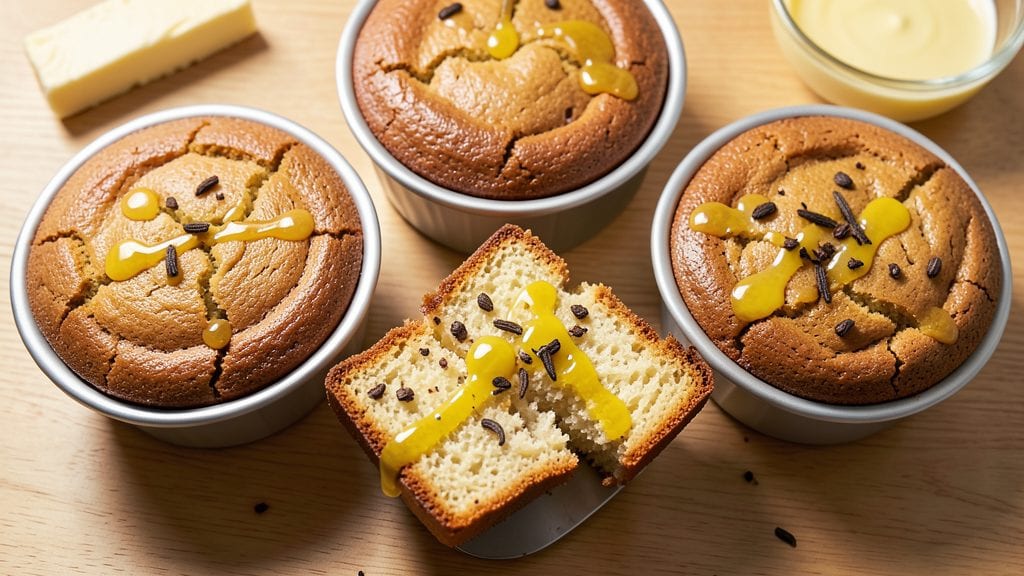
This Sprite pound cake recipe delivers the perfect balance of moist vanilla layers and a bright citrus zing that keeps every slice irresistibly light. The secret lies in replacing some of the liquid with Sprite—not just for flavor, but to create that signature tender crumb that stays fresh for days.
I developed this version after years of testing, and the difference in texture is dramatic compared to traditional vanilla pound cakes.
The cake's magic comes from the Sprite's natural carbonation and citrus notes, which infuse the batter without overpowering the vanilla. It bakes up golden with moist layers that crumble just enough for that classic pound cake texture, while the Sprite adds a subtle effervescence that makes each bite feel special.
This isn't your average vanilla cake—it's a dessert that delivers both comfort and excitement in every forkful.
What makes this recipe truly stand out is how foolproof it is. With just 60 minutes of active time (plus baking), you'll have a cake that's perfect for celebrations or a simple weekend treat.
The Sprite substitution ensures the cake stays moist longer, even when stored at room temperature, while the vanilla extract provides that warm, familiar sweetness we all love.
For those who want to experiment, try adding a teaspoon of lemon or orange zest to the batter for extra brightness, or swap the Sprite for lemon-lime soda for a different citrus profile. The possibilities are endless while keeping that signature moist texture intact. Let's get baking!
Ingredients for sprite pound cake
Moist layers, citrus zing—Sprite replaces liquid for perfect tender crumb.
| Ingredient | Amount | Notes |
|---|---|---|
| All-Purpose Flour 🌾 | 3 cups | Sifted for light texture |
| Granulated Sugar 🍬 | 2 ½ cups | Superfine for even distribution |
| Unsalted Butter 🧈 | 1 ½ cups | Melted and cooled slightly |
| Large Eggs 🥚 | 4 whole | Room temperature preferred |
| Vanilla Extract 🌸 | 2 tbsp | Pure vanilla preferred |
| Sprite 🥤 | 1 cup | Room temperature for best mix |
| Almond Extract 🌰 | 1 tsp | Optional for nutty depth |
| Baking Powder 🧂 | 2 tsp | Freshly checked for potency |
| Salt 🧂 | 1 tsp | Fine grain preferred |
| Lemon Zest 🍋 | 1 tbsp | Freshly grated for brightness |
The Sprite is game-changer here. Room-temperature soda mixes better into the batter and creates that signature effervescence. I always use full-size cans—the extra carbonation helps with texture. For the flour, sifting it first prevents dense pockets, and the sugar should be superfine if possible—it dissolves faster and spreads evenly. The butter matters too—unsalted so you control the saltiness, and melted just until creamy, not fully liquid.
No Sprite? Lemon-lime soda or even club soda works in a pinch, but the flavor won’t be as bright. Want extra zing? Add 1 tbsp lemon juice or swap half the Sprite for orange juice. The almond extract is optional but worth it for that subtle nuttiness—skip it if you’re avoiding nuts. For the baking powder, check the expiration date—old powder flattens the cake. And if you’re short on time, egg substitutes work but the texture won’t be as tender.
This cake keeps beautifully for 3 days at room temperature in an airtight container, or up to 5 days in the fridge. For longer storage, freeze slices wrapped tightly—they thaw perfectly and taste just as fresh. The Sprite’s carbonation helps retain moisture, so the cake stays soft even after a few days. I always bake it in a greased and lined 9x13-inch pan for even baking, and let it cool completely before slicing—patience here pays off for that perfect crumb.
Why You'll Love This Recipe
- Sprite Magic Hack: That cup of Sprite isn’t just soda—it’s the secret to a cake that stays moist for days. No dry crumbs, no sad leftovers. I’ll be honest: I’ve tried every pound cake recipe, but this one actually keeps its texture. Three days at room temp? Chef’s kiss.
- Bright Citrus Kick: The lemon zest and almond extract (if you use it) turn this into a cake that’s not just vanilla—it’s elevated. That crisp, tangy bite cuts through the richness of the butter and sugar. My daughter insists on picking the zest herself, but I won’t tell her I let her pick the vanilla extract too.
- Weeknight Crowd-Pleaser: Three 8-inch layers bake in under an hour, and they’re foolproof. Bring them to a potluck, a brunch, or just a Tuesday night dinner party. The Sprite trick means no one will ask if it’s homemade—it’s that good. Plus, the pans are easy to grease, and the batter forgives a little overmixing.
- Budget-Friendly Luxury: You’re already using pantry staples—flour, sugar, butter—but the Sprite adds that pop of flavor without costing extra. And those leftovers? They last five days in the fridge. I’ve had cake for breakfast, dinner, and dessert all week without shame. The almond extract is optional, but even without it, this is my secret weapon for feeding a crowd without breaking the bank.
Step-by-step instructions for Sprite pound cake
Here's how to bake layers of tender vanilla cake with a bright citrus twist.
Prepare the Dry and Wet Ingredients Separately
Preheat your oven to 350°F and grease three 8-inch round pans with the 1½ cups unsalted butter, reserving 2 tablespoons for later. In a large bowl, whisk together the 3 cups all-purpose flour, 2½ cups granulated sugar, 2 teaspoons baking powder, and 1 teaspoon salt. Sift the flour mixture twice for a light, airy texture—this prevents dense layers.
In a separate bowl, melt the remaining 1½ cups unsalted butter until just liquid, then cool it slightly to 110°F. Add the 4 large eggs one at a time, whisking vigorously after each addition. Stir in the 2 tablespoons vanilla extract, 1 teaspoon almond extract, and 1 tablespoon lemon zest until fully combined. The batter should be smooth but slightly thick—this ensures proper rise.
Mix in the Sprite for Extra Moisture
Gradually pour the 1 cup Sprite into the wet ingredients while mixing on low speed. The Sprite adds moisture and a subtle effervescence that keeps the cake tender. Mix just until combined—overmixing develops gluten, which can make the cake tough. Here's the thing: don't worry if the batter looks slightly thin. The Sprite helps create that signature moist crumb.
Fold the dry ingredients into the wet mixture in three additions, mixing gently after each to maintain air pockets. The batter should be thick but pourable. If it seems too thick, add 1-2 tablespoons of Sprite to loosen it slightly. This step is where the magic happens—proper mixing ensures a light, airy texture without being cakey.
Bake to Golden Perfection
Divide the batter evenly among the three prepared pans. Tap each pan firmly on the counter to remove air bubbles. Bake for 25-30 minutes, or until a toothpick inserted into the center comes out clean. Rotate the pans halfway through baking for even browning. The cake should spring back slightly when pressed—this guarantees a tender crumb.
As soon as the cakes pull away from the edges, remove them from the oven. Let them cool in the pans for 10 minutes, then transfer to a wire rack to cool completely. This resting period prevents the cakes from cracking as they cool. Once fully cooled, layer with your favorite frosting or glaze for a showstopping finish.
Pro Tips For Making Sprite Pound Cake
- Sift Twice for Fluff: The recipe calls for sifting the flour mixture twice—don’t skip it. I learned this the hard way when my first batch turned out dense. That extra pass aerates the flour, keeping the cake light and airy. Trust me, your future self will notice the difference.
- Cool Butter to 110°F: Melt that butter, then let it cool to exactly 110°F before mixing with the eggs. Too hot, and you’ll scramble the eggs; too cold, and the batter won’t emulsify properly. Use a thermometer—this isn’t the step to eyeball.
- Tap Pans Before Baking: After filling the pans, give them a firm tap on the countertop to pop any air bubbles. I used to skip this, and my cakes would have little sinkholes. A quick tap ensures smooth tops and even baking—no extra work, just better results.
- Room-Temp Eggs Matter: Take those eggs out of the fridge at least 30 minutes before using. Cold eggs won’t blend smoothly with the melted butter, and you’ll end up with streaks in the batter. Room temperature = silky texture, no guesswork.
Common mistakes when making this recipe
Overmixing the Batter
One of the most common mistakes I see is overmixing the batter after combining the dry ingredients. When you mix too vigorously, you develop gluten, which turns your cake dense instead of tender.
I've learned the hard way—once I overmixed and ended up with a cake that felt more like a brick than a dessert. The key is to fold the dry ingredients into the wet mixture in just three gentle additions. 💡
Skipping the Sift
Another critical error is forgetting to sift the flour. Unsifted flour can create dense pockets in your cake, ruining that light, airy texture we're after. I always sift the flour mixture twice—it takes just a minute and makes a world of difference.
The extra effort prevents those frustrating dense layers that make the cake feel heavy.
Incorrect Butter Temperature
The butter needs to be melted but not too hot when you mix it with the eggs. If it's too hot, it can cook the eggs and make the batter curdle. I cool my melted butter to about 110°F before adding the eggs—this ensures a smooth, creamy batter.
Too cool, and it won't blend properly; too hot, and you risk ruining the texture entirely.
Underbaking the Cake
Pulling the cake out too soon is a classic mistake that leads to a gummy center. I always check for doneness with a toothpick—it should come out clean, not with moist crumbs. Underbaking can make the cake feel raw and heavy.
The 25-30 minutes baking time is a guideline, but your oven might need adjustments. Rotate the pans halfway through for even baking, and trust the toothpick test.
Not Cooling Properly
Letting the cake cool too quickly or improperly is another common pitfall. I always let the cakes cool in the pans for 10 minutes before transferring them to a wire rack. Skipping this step can cause the cake to crack as it shrinks.
Patience here is key—rushing the cooling process leads to a less-than-perfect crumb. Let it cool completely before slicing for the best texture.
Nutrition facts
Frequently asked questions
Why use Sprite in a pound cake?
The Sprite adds moisture and subtle effervescence that keeps the cake tender and light. Its carbonation helps create that signature moist crumb while adding a refreshing citrus twist that balances the vanilla flavor. The soda also prevents dryness, making the cake stay fresh longer—something traditional pound cakes often struggle with.
Can I substitute Sprite with another soda or liquid?
Yes! If you don’t have Sprite, use lemon-lime soda or club soda for a similar effervescent effect. For extra citrus flavor, replace half the Sprite with orange juice. Avoid plain water—it won’t provide the same moisture or subtle sweetness. The key is keeping the liquid cool and carbonated to maintain the cake’s texture.
What’s the best way to test if the cake is done?
Insert a toothpick into the center of the cake—it should come out clean with no wet batter clinging. The cake is also ready when it springs back slightly when gently pressed. Overbaking can make it dry, while underbaking leaves a gummy center. Always rotate the pans halfway through baking for even results!
How do I prevent my cake from cracking?
Let the cakes cool in the pans for 10 minutes after baking, then transfer to a wire rack. Avoid opening the oven too soon, and don’t slice until fully cooled. Sudden temperature changes cause cracks, so patience here ensures a smooth finish. Resting also helps the cake set properly.