
Main Courses
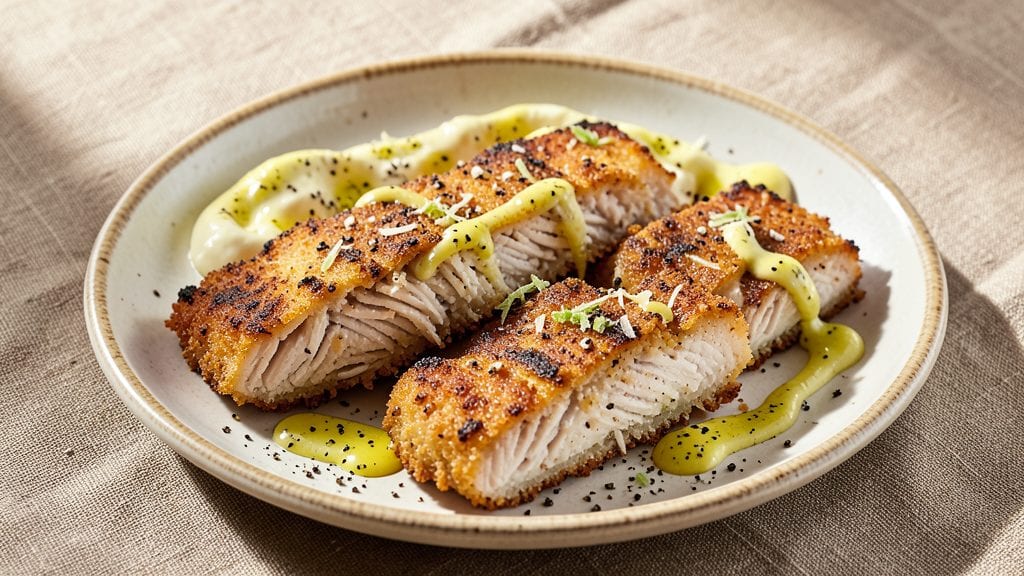
This trout cakes recipe delivers the perfect balance of crispy golden edges and tender, flaky interiors—transforming delicate white fish into restaurant-worthy bites. After years of perfecting the technique, I’ve found the secret lies in proper flaking, precise binder ratios, and high-heat cooking to achieve that signature texture.
The zesty lemon aioli isn’t just a finishing touch; it’s the bright contrast that makes every bite unforgettable.
The process starts with carefully flaking the trout, removing all bones while preserving its delicate texture. A mix of breadcrumbs, eggs, and a touch of Dijon mustard creates the ideal binding agent—just enough to hold the cakes together without making them dense.
When pan-fried to a golden finish, the exterior becomes irresistibly crispy while the inside stays moist and flaky, proving that even simple ingredients can deliver professional results.
What sets these trout cakes apart is their ability to shine as both a light main course and an elegant appetizer. The lemon aioli adds a tangy brightness that cuts through the richness of the fish, while the crispy exterior ensures every bite is satisfying.
This recipe is perfect for dinner parties, seafood lovers, or anyone craving a dish that feels special without being complicated.
Once you master the technique, you’ll find endless ways to adapt it—swap the aioli for a creamy dill sauce, add fresh herbs, or even bake the cakes for a lighter version.
The key is patience in the flaking and confidence in the frying. Let’s get started on creating trout cakes that will impress even the most discerning guests.
Ingredients for trout cakes
Simple ingredients transform delicate trout into crispy, flaky bites with perfect golden edges.
| Ingredient | Amount | Notes |
|---|---|---|
| Fresh White Trout Fillets 🐟 | 1 lb | Skin-on, boneless, flaked finely |
| All-Purpose Flour 🌾 | ½ cup | For light crispiness |
| Panko Breadcrumbs 🍞 | ½ cup | Light and crispy |
| Large Eggs 🥚 | 2 whole | Room temperature for binding |
| Dijon Mustard 🍯 | 1 tbsp | For subtle tang |
| Extra-Virgin Olive Oil 🫒 | ¼ cup | For frying, high smoke point |
| Lemon Juice 🍋 | 2 tbsp | Freshly squeezed |
| Fresh Lemon Zest 🍋 | 1 tbsp | For vibrant flavor |
| Mayonnaise 🥛 | ½ cup | For aioli base |
| Fresh Dill 🌿 | ¼ cup | Chopped finely for garnish |
| Kosher Salt 🧂 | 1 tsp | For seasoning |
| Ground Black Pepper 🌶️ | ½ tsp | Freshly ground |
| Vegetable Oil 🫒 | ½ cup | For frying, neutral flavor |
The trout is the star—look for fresh, skin-on fillets at your local seafood counter or grocery store's fish department. Whole Foods or Trader Joe's often carry high-quality white trout, but any local fishmonger will have the best selection. The skin should be shiny and intact, with no fishy odor. Flaking the trout properly is key: use a sharp knife to gently separate the flesh from the skin and bones, working in thin, even layers. If you're short on time, pre-flaked trout fillets work too, but you'll lose some texture. For the breadcrumbs, panko is non-negotiable—it stays crispy while regular breadcrumbs turn soggy. Store any leftover trout in an airtight container with a paper towel on top to absorb moisture, and use within 2 days for optimal freshness.
No panko? Crush plain bread into fine crumbs—toast them first in a dry pan for extra crispiness. Short on Dijon? Yellow mustard works in a pinch, though it lacks the depth. For the aioli, Hellmann's or Best Foods mayo are reliable, but homemade is always better. The lemon juice and zest should be freshly squeezed and zested—bottled lemon juice lacks brightness. If you can't find fresh dill, dried dill at half the amount will do, but fresh is ideal for that bright, herby note. The vegetable oil should have a high smoke point—Avocado oil or canola oil are excellent choices. For extra crispiness, mix the breadcrumbs with a pinch of cornstarch before coating the cakes.
Once fried, trout cakes stay crispy for about 20 minutes if kept warm in a 200°F oven. For longer storage, keep them in an airtight container with a paper towel to absorb moisture—they'll last 3 days in the fridge. To reheat, pop them in a skillet for 1-2 minutes per side until crispy again. The lemon aioli keeps well in the fridge for 5 days if stored in a sealed container with plastic wrap pressed directly on the surface to prevent a skin from forming. For a make-ahead option, assemble the cakes (without frying) up to 1 day ahead—store them in the fridge and fry just before serving.
Why You'll Love This Recipe
- No Panic, Just Crisp: The only prep work here is flaking the trout—that’s it. I toss the fillets into a food processor for about 10 seconds, add the lemon juice, Dijon mustard, and a pinch of salt, and boom: done. No dicing, no mincing, just pure laziness that still tastes amazing. The panko breadcrumbs and egg wash handle the rest, giving you those golden, crunchy shells with zero fuss.
- Bright, Tangy Magic: That lemon aioli? Chef’s kiss. The fresh lemon zest and Dijon mustard cut through the richness of the trout, while the mayonnaise keeps it creamy—not greasy. And the panko gives you that perfect crunch, so every bite is crispy on the outside, flaky on the inside. Honestly, the contrast is so spot-on, you’ll forget it’s a weeknight dinner.
- Crowd-Pleaser for Any Occasion: These aren’t just for you—they’re for everyone. Serve them at a summer BBQ, pack them for a picnic, or bring them to a potluck. They’re hearty enough for a main dish but light enough to share. Plus, the lemon aioli is so good, even the picky eaters will ask for seconds. My daughter’s favorite? She’ll tell you herself.
- Leftovers? No Problem: I love that these hold up so well. Store them in an airtight container with a paper towel to soak up moisture, and they’ll stay crispy for three whole days. Reheat them in the oven at 350°F for 5 minutes, and they’ll be just as good as the first time. That’s 3 days of zero cooking—win.
Step-by-step instructions for trout cakes
Here's how to create perfectly crispy, golden trout cakes with a bright lemon aioli.
Prepare the Trout Mixture
In a food processor, pulse the 1 lb fresh white trout fillets until you achieve a finely flaked texture with small, even pieces—about the size of diced apples. Add the 1 tbsp Dijon mustard, 2 tbsp lemon juice, 1 tbsp fresh lemon zest, ½ tsp ground black pepper, and 1 tsp kosher salt. Pulse again just until combined, but be careful not to over-process the mixture.
Transfer the trout mixture to a medium bowl and gently fold in the ½ cup mayonnaise and ¼ cup finely chopped fresh dill using a silicone spatula. The mayonnaise will help bind the mixture while adding richness. Here's the thing—don't overmix or the cakes will become dense instead of light and flaky. Just combine until everything is evenly distributed.
Create the Crispy Coating
In a shallow bowl, whisk together the ½ cup all-purpose flour and ½ tsp ground black pepper. In another bowl, beat the 2 large eggs until just combined, then stir in 2 tbsp lemon juice. This creates your egg wash for extra crispiness.
Working with one cake at a time, dip each portion of trout mixture into the beaten eggs, letting any excess drip off, then roll it in the panko breadcrumbs until fully coated. Press the crumbs gently to help them adhere. I like to work quickly here—if the mixture sits too long in the egg wash, it can get soggy. You should end up with 4 evenly shaped cakes, each about 1 inch thick.
Fry to Golden Perfection
Heat the ½ cup vegetable oil in a large skillet over medium heat until it reaches 350°F—you'll see small bubbles forming around the edges. The oil should be hot enough to sizzle when you add the trout cakes, but not smoking. This is crucial for achieving that perfect crispy exterior.
Carefully place the coated trout cakes in the hot oil, being careful not to overcrowd the pan. Fry for 3-4 minutes per side until golden brown and crispy. You'll know they're ready when the edges turn a deep golden color and the interior reaches 145°F when checked with an instant-read thermometer. Don't skip this temperature check—undercooked trout can be rubbery, while overcooked cakes become dry.
Prepare the Lemon Aioli
While the cakes are frying, whisk together the ¼ cup extra-virgin olive oil, ½ cup mayonnaise, 1 tbsp Dijon mustard, 1 tbsp fresh lemon zest, and 1 tbsp lemon juice in a small bowl. The aioli should be smooth and slightly thickened. Taste and adjust seasoning with additional kosher salt if needed. This bright, tangy sauce is what ties the whole dish together.
Serve Immediately
Transfer the fried trout cakes to a paper towel-lined plate to drain any excess oil. Serve them immediately with the lemon aioli spooned alongside or drizzled on top. The cakes should be golden and crispy on the outside with a tender, flaky interior. Garnish with additional chopped fresh dill for a pop of color and freshness.
For the best experience, serve these trout cakes while they're still warm and crispy. The contrast of the cool aioli with the warm, golden cakes makes every bite perfect. Enjoy with lemon wedges on the side if you like extra zing.
Pro Tips For Making Trout Cakes
- Pulse, Don’t Purée: When flaking the trout in the food processor, stop as soon as it’s in small, even pieces—about the size of diced apples. I learned this the hard way: over-processing turns the mixture gluey, and your cakes will end up dense instead of light and flaky. A few quick pulses, then check by hand—this is the thing that matters most.
- Room-Temp Eggs Matter: Take the eggs out of the fridge at least 30 minutes before using them. Cold eggs won’t coat the trout mixture evenly, and your panko won’t stick properly—leading to crumbly, uneven cakes. Trust me, this small step makes a real difference in crispiness.
- Skip the Crowding: Fry the cakes one at a time, or in small batches if your pan is large enough. Overcrowding drops the oil temperature, and you’ll end up with greasy, soggy bottoms instead of golden, crispy edges. Give them space—they’ll thank you with that perfect crust.
- Test the Oil Right: The oil should be hot enough to sizzle when you add the cakes, but not smoking like a campfire. I used to rush this and end up with burnt outsides and raw centers. A quick test: drop in a pinch of flour—if it sizzles and floats, you’re at 350°F. This is how you guarantee that crispy exterior.
Creative variations of trout cakes
Mediterranean-Inspired Trout Cakes
Swap the traditional lemon aioli for a bright lemon-dill yogurt sauce to bring Greek-inspired flavors to your trout cakes. Mix ½ cup plain Greek yogurt with 2 tbsp lemon juice, 1 tbsp fresh lemon zest, 1 tbsp chopped dill, and ½ tsp kosher salt until smooth.
This creamy, tangy sauce adds a refreshing twist that pairs perfectly with the crispy cakes. I like to drizzle it over the top just before serving. 🍋
Spicy Sriracha Lime Aioli
For a bold kick, transform the aioli by adding 1 tbsp sriracha and 1 tbsp lime juice to the original recipe. The heat from the sriracha balances beautifully with the bright citrus, creating a sauce that’s both spicy and refreshing.
This variation is fantastic for those who love a little extra kick in their dishes. I always keep a bottle of Sriracha from Sichuan on hand for this exact purpose.
Cajun-Style Crispy Cakes
Add a Southern twist by incorporating 1 tsp Cajun seasoning into your trout mixture. I use Penzeys Cajun seasoning for its perfect balance of heat and flavor. The cakes develop a subtle spicy crunch that pairs wonderfully with the lemon aioli.
This version is perfect for those who enjoy a bit of heat with their seafood. 🌶️
Baked Trout Cakes
Skip the frying pan entirely and bake your trout cakes for a lighter option. Preheat your oven to 400°F and line a baking sheet with parchment paper. Brush the assembled cakes lightly with 1 tbsp olive oil and bake for 15-20 minutes until golden and crispy.
This method is ideal for a healthier version while still achieving that perfect texture. I often bake mine when I want to avoid the extra oil from frying.
Savory Herb & Parmesan Cakes
Elevate your trout cakes by adding 2 tbsp grated Parmesan cheese and 1 tbsp chopped parsley to the mixture. The Parmesan adds a savory depth, while the parsley brings a fresh herbal note.
Serve with the lemon aioli for a dish that feels extra special and sophisticated. This variation is a crowd-pleaser at any gathering. 💛
Nutrition facts
Frequently asked questions
Why does my trout mixture turn mushy instead of flaky?
Over-processing the trout in the food processor is the most common culprit. Pulse just until you get small, even flakes—about the size of diced apples—then stop immediately. Also, avoid overmixing when folding in the mayo and dill. Gentle folding keeps the texture light and airy, while aggressive stirring creates denser cakes.
Can I bake these trout cakes instead of frying them?
Preheat your oven to 400°F and brush the assembled cakes lightly with olive oil before baking for 15-20 minutes on a parchment-lined sheet. This method yields a crispy exterior without the oil, though they won’t be as golden as pan-fried cakes. Perfect for a lighter option!
How do I keep the cakes crispy after cooking?
Transfer the fried cakes to a wire rack instead of a plate to let excess oil drain away. Keep them warm in a 200°F oven until serving—this preserves their crispiness for up to 20 minutes. For longer storage, wrap them tightly in foil or parchment to prevent moisture absorption.
What’s the best way to handle fresh trout if I don’t plan to use it right away?
Store any leftover trout in an airtight container with a paper towel on top to absorb moisture. Use it within 2 days for the best texture. If you need to prep ahead, flake the trout and store it in the fridge with the seasonings—just add the mayo and dill right before forming the cakes. This keeps the fish fresh and ready to go!
Can I make these trout cakes gluten-free?
Yes! Swap the all-purpose flour for 1/4 cup gluten-free breadcrumbs or crushed gluten-free crackers. The panko can also be replaced with gluten-free panko-style breadcrumbs. The texture will be slightly different, but the cakes will still hold together nicely. Double-check all labels for hidden gluten!