
Desserts
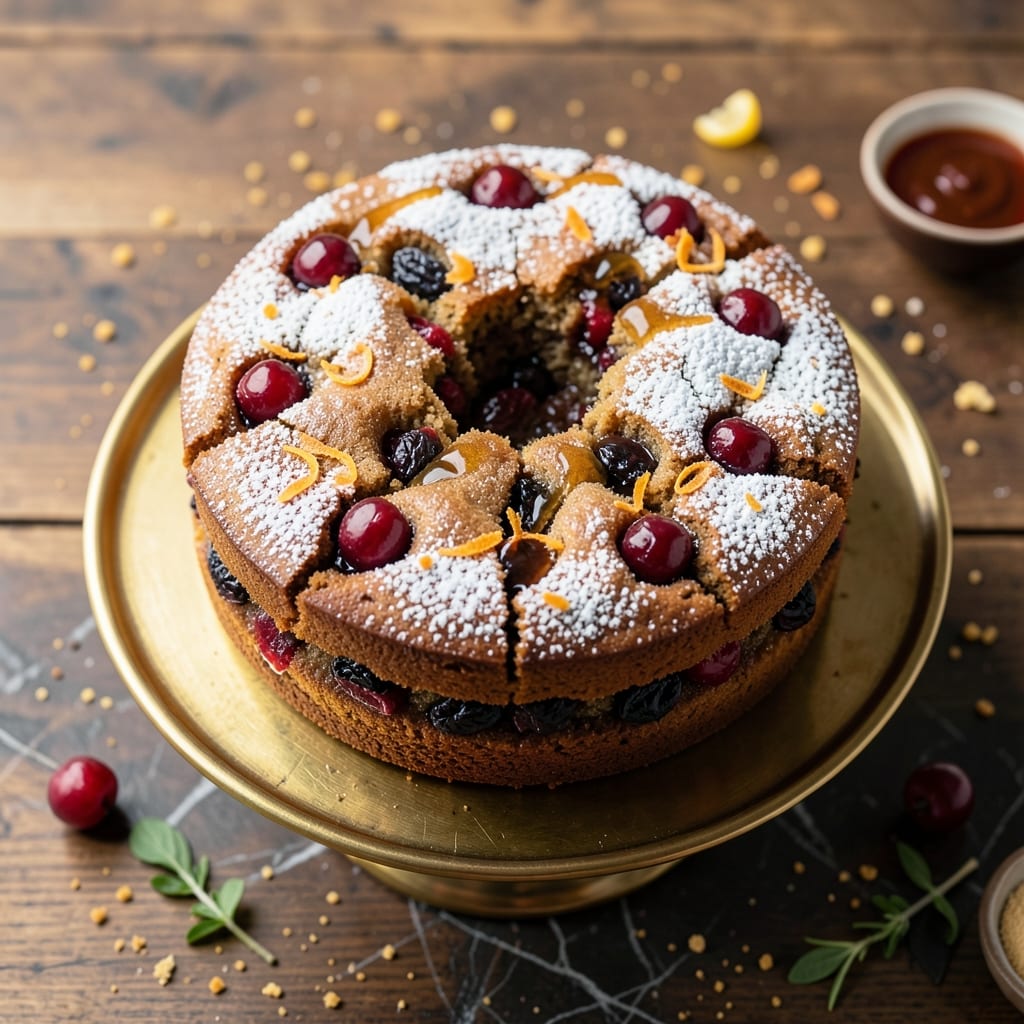
A 1-pound Jamaican fruit cake delivers rich, spiced layers of candied fruits and rum-soaked depth in every bite. This recipe honors tradition with nutmeg, cinnamon, and allspice while offering modern flexibility—think gluten-free flour or coconut sugar. The secret lies in slow-baking and rum-soaking, which infuses moisture and complexity over time. What sets this cake apart is the balance of textures: tender crumb, chewy dried fruits, and a golden crust that crackles when sliced. The rum soak transforms dry ingredients into luscious, flavorful pockets, while spices warm the senses. Perfect for holidays or special occasions, it keeps beautifully for weeks, improving with age. For serving, pair with Jamaican rum punch or strong coffee to complement its spiced sweetness. The cake’s compact size makes it ideal for gifts or small gatherings, yet its bold flavors satisfy any crowd. Ready in about 3 hours (including baking and soaking), it’s a labor of love that rewards patience. Whether you’re baking for Christmas, a birthday, or simply craving a taste of Jamaica, this recipe delivers restaurant-quality results at home. Let’s get started—your kitchen will smell like holiday magic.
Ingredients for 1 pound jamaican fruit cake
Rich spices and candied fruits blend for a moist, rum-infused Jamaican fruit cake.
| Ingredient | Amount | Notes |
|---|---|---|
| All-Purpose Flour 🌾 | 1 ½ cups | Sifted for even texture |
| Dark Brown Sugar 🍚 | 1 cup | Packed firmly for sweetness |
| Unsalted Butter 🧈 | 1 cup | Cold and cubed for baking |
| Large Eggs 🥚 | 2 whole | Room temperature for blending |
| Mollasses 🍯 | ¼ cup | For deep, rich flavor |
| Rum (Dark or Spiced) 🍹 | ½ cup | High-quality for soaking |
| Dried Mixed Candied Fruits 🍇 | 1 ½ cups | Chopped into small pieces |
| Ground Cinnamon 🍃 | 2 tsp | Freshly ground preferred |
| Ground Nutmeg 🌿 | 1 tsp | Freshly grated for warmth |
| Ground Allspice 🌶️ | 1 tsp | Essential for Jamaican flavor |
| Ground Cloves 🌶️ | ½ tsp | Lightly toasted for aroma |
| Baking Soda 🧂 | 1 tsp | For leavening |
| Salt 🧂 | ½ tsp | Fine sea salt preferred |
| Vanilla Extract 🌸 | 1 tbsp | Pure vanilla for depth |
The rum is non-negotiable—opt for Appleton Estate or Hampden Estate for authentic depth. Candied fruits should be brightly colored and plump, not dried out; brands like Meridian or Smucker’s work well. For spices, Penzeys or McCormick ground spices ensure potency. The dark brown sugar should be packed firmly into the measuring cup to maximize sweetness. If you're using gluten-free flour, ensure it’s a 1:1 blend with xanthan gum included for proper texture.
No rum? Apple juice or orange juice can mimic the moisture, though the flavor will differ slightly. Substitute maple syrup for molasses at a 1:1 ratio if needed, though it lacks the deep caramel notes. For dried fruits, raisins or chopped dates work in a pinch, but they won’t match the chewy texture. If you’re avoiding dairy, vegan butter can replace the unsalted butter without altering the cake’s structure significantly. Always sift the flour and spices together to prevent lumps in the batter.
Store the cake in an airtight container at room temperature for up to 5 days, though it’s best enjoyed within 3 days for optimal moisture. For longer storage, wrap tightly in plastic wrap and refrigerate for up to 2 weeks. The rum-soaked cake actually improves with age, developing deeper flavors over time. To serve, dust with powdered sugar or pair with Jamaican rum butter for an extra touch of indulgence.
Why You'll Love This Recipe
- No-Mess Mixing: I swear by this recipe—just cream butter and sugar, crack eggs, fold in dry ingredients. No sifting, no extra bowls, no stress. The molasses does all the work blending that rich, caramelized depth right into the batter.
- Molasses Magic: That deep, almost chocolatey sweetness from the molasses? It’s the star. One pound of cake packs enough flavor to satisfy a crowd, and the brown sugar keeps it moist without being cloying. Honestly, I’ve tried lighter cakes—this one wins every time.
- Holiday or Snack: Make it for Christmas, slice it for a coffee break, or pack it for a picnic. The small size means you can bake just one and still have leftovers for days. My go-to is serving it warm with a dusting of cinnamon—simple but always impressive.
- Budget-Friendly Luxury: Butter, eggs, and flour are pantry staples, and molasses adds that gourmet touch without breaking the bank. A single batch costs less than store-bought cakes but tastes like a bakery treat. Plus, the leftovers? They last forever if you store them right.
Step-by-step instructions for Jamaican fruit cake
This traditional recipe delivers rich, moist layers with bold spice notes and rum-soaked depth.
Prepare the Candied Fruit and Rum Soak
In a medium bowl, combine the 1.5 cups dried mixed candied fruits with the 0.5 cup rum (dark or spiced). Stir gently to coat the fruit evenly, then cover and let soak for at least 4 hours (or overnight for maximum flavor infusion). This step ensures the candied fruits release their natural juices and absorb the rum's aromatic essence, creating the signature moist texture of Jamaican fruit cake.
I recommend using a glass or ceramic bowl for this soak to prevent any plastic odors from transferring to the fruit. The rum's alcohol content will also help tenderize the dried fruit slightly, making it more pliable when incorporated into the batter. After soaking, drain the fruit in a fine-mesh strainer, pressing gently to remove excess liquid, but don't rinse—those precious flavors need to stay.
Cream Butter and Sugars for Light Texture
In a stand mixer fitted with the paddle attachment, beat the 1 cup unsalted butter (cold and cubed) with the 1 cup dark brown sugar (packed firmly) on medium speed for 3-4 minutes until light and fluffy. The mixture should nearly triple in volume and become pale in color, with ribbons forming when the paddle is lifted. This creaming process incorporates air into the batter, which creates the cake's signature tender crumb.
I always use cold butter for this step—it creates smaller air pockets that result in a finer texture. If your kitchen is warm, chill the butter for 15-20 minutes before starting. You'll know you've achieved the right consistency when you lift the paddle and the butter leaves clean, smooth trails that hold their shape for several seconds. This is your target texture before moving to the next ingredients.
Combine Wet Ingredients and Spices
Add the 2 whole large eggs (room temperature) one at a time, mixing on low speed for 30 seconds after each addition until fully incorporated. Then add the 0.25 cup molasses, 1 tbsp vanilla extract, and the drained candied fruits. Mix on low speed just until combined—overmixing develops gluten and can make the cake dense.
In a separate bowl, whisk together the 1.5 cups all-purpose flour, 2 tsp ground cinnamon, 1 tsp ground nutmeg, 1 tsp ground allspice, 0.5 tsp ground cloves, 1 tsp baking soda, and 0.5 tsp salt. Sift this dry mixture directly into the wet ingredients and mix on low speed for 30-45 seconds until just combined. The batter will be thick and slightly sticky, which is perfect for this dense cake. Real talk: don't overmix here—the goal is to distribute the spices evenly without developing gluten.
Bake for Deep Flavor Development
Preheat your oven to 325°F (the lower temperature ensures even baking without a dark crust). Grease a 1-pound loaf pan thoroughly with butter or oil, then dust with flour, tapping out any excess. Pour the batter into the prepared pan and smooth the top with a spatula. Bake for 50-60 minutes, or until a toothpick inserted in the center comes out clean with just a few moist crumbs clinging to it.
The cake is done when the top springs back when gently pressed and the internal temperature reaches 205-210°F. Here's the thing—Jamaican fruit cake benefits from slightly underbaking. The residual heat will continue cooking the cake as it cools, preventing a dry texture. If the top browns too quickly, tent the pan loosely with aluminum foil after 30 minutes to prevent over-browning while allowing steam to escape.
Rest and Enhance the Flavor
Remove the cake from the oven and let it cool in the pan for 15 minutes, then transfer to a wire rack to cool completely. Once cooled, brush the top and sides generously with an additional 2 tablespoons rum mixed with 1 tablespoon molasses. This step is what makes Jamaican fruit cake truly special—it adds another layer of moisture and deepens the caramelized flavor.
For best results, wrap the cooled cake tightly in plastic wrap and let it mature in the refrigerator for at least 24 hours before serving. This resting period allows the flavors to meld and the cake to develop its signature moist, dense texture. The longer it rests, the better it gets—some bakers even recommend waiting 3-4 days for maximum flavor development. When ready to serve, slice with a serrated knife for clean, even pieces that showcase the beautiful candied fruit throughout.
Pro Tips For Making 1 Pound Jamaican Fruit Cake
- Weigh Your Butter: I learned this the hard way—packing butter into measuring cups leaves air pockets, and your cake will taste dry. Use a kitchen scale for 1 pound of butter (about 225g) and press it firmly into the flour mixture until it’s smooth. No guesswork, no crumbly texture.
- Warm the Molasses: Cold molasses is thick and stubborn. Microwave it for 10 seconds first—just enough to loosen it—so it mixes evenly with the butter and eggs. Skipping this step means streaks of unmixed syrup in your batter, and nobody wants that.
- Bake Low and Slow: This isn’t a race. Jamaican fruit cake needs 300°F (150°C) for 45–50 minutes, not the 350°F most recipes suggest. Higher heat dries it out; lower heat lets the molasses caramelize properly. Check at 40 minutes—it’s done when a toothpick comes out clean but with a few moist crumbs.
- Skip the Overmixing: Once you add the eggs, mix just until combined—about 15 strokes max. Overworking the batter develops gluten, and your cake will turn out dense instead of tender. Fold in any dried fruit (if using) gently with a spatula after mixing. Less effort, better texture.
Common mistakes when making this recipe
Skipping the Rum Soak
One of the biggest mistakes is omitting the rum soak entirely. The alcohol in rum tenderizes the candied fruits and infuses moisture into the cake, creating that signature dense yet moist texture. If you skip it, your cake will be dry and lack the complex, caramelized depth. For a non-alcoholic version, use apple juice or orange juice—just know the flavor will be milder. The soak should be at least 4 hours, but overnight is ideal for maximum flavor infusion. 🍹
Overmixing the Batter
Jamaican fruit cake relies on a tender crumb, not a fluffy one. Overmixing develops gluten in the flour, leading to a dense, chewy texture instead of the light, moist bite you want. Mix the wet and dry ingredients just until combined—30-45 seconds on low speed is all you need. I’ve seen home bakers turn the mixer up high for minutes, and the result? A cake that’s more like a brick. Keep it gentle to preserve that signature tenderness. ⚡
Using Low-Quality Spices
The spices in this cake—nutmeg, cinnamon, allspice, and cloves—are the soul of the recipe. Cheap, old spices won’t deliver the warm, aromatic punch you need. Invest in Penzeys or McCormick ground spices for potency, or better yet, toast whole spices lightly in a dry pan before grinding them fresh. Pre-ground spices lose flavor quickly, and your cake will taste flat. Freshly grated nutmeg makes a world of difference—trust me, I’ve tried the bargain-bin stuff, and it’s a crime. 🌶️
Baking at Too High a Temperature
This cake needs a gentle bake at 325°F to develop its flavors evenly without drying out. If you crank the oven up to 350°F or higher, the exterior will brown too quickly while the center stays undercooked. The result? A cake with a dark crust and a gummy middle. For even baking, tent the pan loosely with foil after 30 minutes if the top starts browning too fast. Patience is key—let the residual heat finish cooking the cake as it cools. 🌡️
Not Letting It Rest
Jamaican fruit cake improves with age, but you can’t skip the resting period. Serving it fresh out of the oven means a dry, crumbly texture. The cake needs at least 24 hours in the fridge (wrapped tightly in plastic) to let the flavors meld and the moisture redistribute. Some bakers even wait 3-4 days for maximum depth. If you’re impatient, at least let it sit for 4 hours before slicing—your taste buds will thank you. ⏳
Ignoring the Rum Brush
The final rum brush (after baking) is what transforms a good cake into a great one. Skipping this step means missing out on that extra layer of moisture and caramelized flavor. Mix 2 tablespoons rum with 1 tablespoon molasses, brush it generously over the cooled cake, and let it soak in for 10-15 minutes before serving. It’s the little touches like this that elevate the cake from homemade to restaurant-quality. Don’t skip it—it’s worth the effort! 💫
Nutrition facts
Frequently asked questions
Can I make this cake without rum?
The rum is essential for moisture and flavor, but you can substitute apple juice or orange juice for a non-alcoholic version. Use the same amount (0.5 cup) and soak the candied fruits for at least 4 hours. The texture will be slightly less rich, but still delicious. For extra depth, add 1 tsp vanilla extract to the juice mixture.
How do I store leftover Jamaican fruit cake?
Wrap the cake tightly in plastic wrap and store at room temperature for up to 5 days. For longer storage, refrigerate for up to 2 weeks. The flavors actually improve with age! For best results, let it sit at room temperature for 30 minutes before slicing to restore moisture. Freezing isn't recommended as it can make the texture dry.
What's the best way to slice this cake?
Use a serrated knife warmed under hot water for 10 seconds before each slice. Dip the knife in warm water between cuts to prevent crumbs. Cut against the grain of the cake's layers for cleaner slices. Serve at room temperature for the best texture and flavor experience.
Can I make this cake gluten-free?
Yes, but you'll need a 1:1 gluten-free flour blend with xanthan gum. Measure carefully and sift the flour with the spices to prevent lumps. The texture will be slightly denser, but still moist. For best results, use a blend designed for cakes (like Bob's Red Mill 1:1). You may need to add 1 extra tablespoon of liquid to compensate for dryness.
What's the secret to making this cake extra moist?
The rum soak and final rum brush are key! Beyond that, don't overbake—pull the cake when a toothpick comes out with a few moist crumbs. The residual heat will finish cooking it. Also, brush the warm cake with molasses mixed with rum while still in the pan before cooling completely. This creates a moist barrier that locks in flavor.