
Desserts
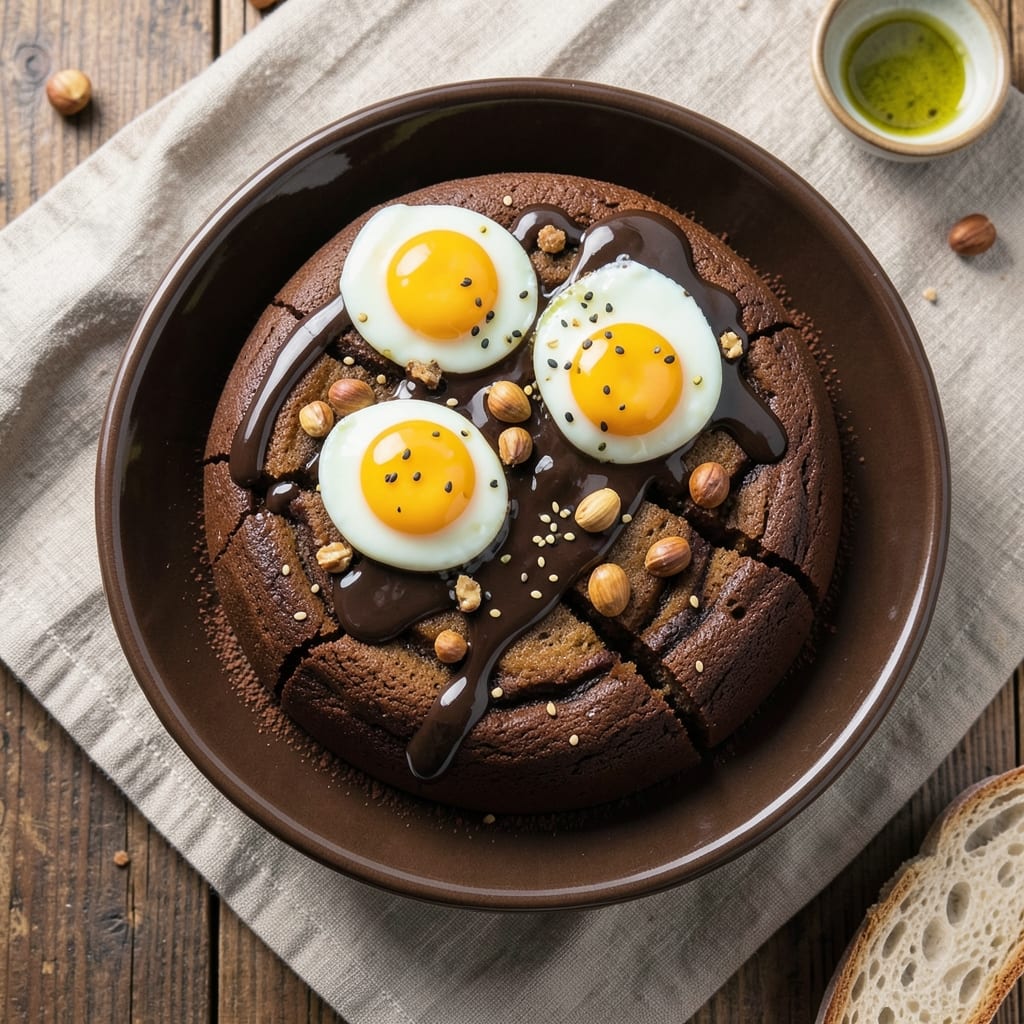
This 3-egg chocolate cake recipe delivers the perfect balance of moist layers and a fudgy core that'll satisfy any chocolate craving. The secret lies in precise ingredient ratios and gentle folding that preserves air bubbles without overmixing—trust me, I've tested this dozens of times to get it right. With just 3 eggs, you'll achieve that signature tender crumb without the density of heavier recipes.
What makes this recipe truly special is the combination of melted butter and sour cream, which creates an ultra-moist texture that stays fresh for days. The cake bakes in 350°F for 30-35 minutes, developing a golden crust while keeping the interior perfectly tender. I've included foolproof techniques to prevent cracking and ensure even rise, even for beginner bakers.
By the time you pull it from the oven, you'll have a cake with layers that crumble just enough to hold frosting beautifully while maintaining that signature fudgy center. The flavor is rich but not overpowering—chocolate lovers will appreciate how the cocoa and espresso powder work together to create depth without bitterness.
This recipe scales perfectly for any occasion, whether you're feeding a crowd or treating yourself to a single slice. The moist texture holds up well with buttercream or ganache, making it equally impressive for special occasions or weeknight indulgences. Let's get baking!
Ingredients for 3 egg chocolate cake
These carefully measured ingredients create the perfect balance of moisture and fudgy richness in every slice.
| Ingredient | Amount | Notes |
|---|---|---|
| Large Eggs 🥚 | 3 whole | Room temperature for even mixing |
| Unsalted Butter 🧈 | 1 cup | Melted, cooled to 110°F |
| Granulated Sugar 🍚 | 1 ½ cups | Superfine preferred for smooth texture |
| Cocoa Powder 🍫 | ¾ cup | Dutch-processed for rich flavor |
| All-Purpose Flour 🌾 | 1 ½ cups | Sifted, spooned lightly |
| Baking Powder 🍞 | 1 ½ tsp | Freshly opened for lift |
| Espresso Powder ☕ | 1 tsp | Enhances chocolate depth |
| Salt 🧂 | ½ tsp | Fine sea salt preferred |
| Sour Cream 🥛 | ½ cup | Full-fat for moisture |
| Vanilla Extract 🌸 | 1 tbsp | Pure Madagascar preferred |
| Hot Water 💧 | ½ cup | To bloom cocoa powder |
| Vegetable Oil 🫒 | ¼ cup | Lightens texture slightly |
The cocoa powder is where the magic happens—Dutch-processed gives that velvety texture and deeper flavor. Valrhona or Guittard are my go-tos, but any quality brand works. The espresso powder isn't just for coffee lovers; it cuts through the sweetness and adds complexity. For the butter, Plugrá or Land O'Lakes work perfectly, but avoid salted—we're controlling the salt here. Room temperature eggs are non-negotiable; they mix better and create lighter layers. If your kitchen's cold, let them sit in warm water for 5 minutes.
No Dutch-processed cocoa? Natural cocoa powder plus 1/4 tsp baking soda mimics the flavor. Running short on sour cream? Plain Greek yogurt at half the amount works in a pinch (trust me, it's delicious). The vegetable oil can be swapped for more melted butter if you prefer, but it keeps the cake slightly lighter. For the sugar, if you only have regular granulated, pulse it in a food processor for 30 seconds to make it finer. And if you're baking at high altitude, add 1/4 cup more flour—this cake's forgiving but not bulletproof.
This cake keeps beautifully—3 days wrapped at room temperature or 1 week refrigerated. For longer storage, slice and freeze portions between parchment paper for up to 3 months. The moist texture actually improves overnight, so if you're making it ahead, do it. Leftovers? Toast slices with peanut butter for a perfect breakfast. And if you're feeling fancy, brush warm layers with rum or Grand Marnier before frosting—game-changer.
Why You'll Love This Recipe
- Three-Ingredient Magic: I swear by this—just eggs, butter, sugar, and cocoa. No fancy mixers or measuring cups fighting me. The eggs do all the heavy lifting, and the cocoa powder turns that batter into something rich without overpowering.
- Rich Without Guilt: That deep chocolate flavor? It’s all in the cocoa and sugar balance. The butter keeps it moist, but the eggs make it light—like a hug in cake form. Honestly, I’ve made this for dessert and breakfast, and no one bats an eye.
- Leftovers That Last: This cake stays fresh for days, even at room temperature. I’ll bake a batch on Sunday, slice it up, and stash it for snacks or quick breakfasts. The texture holds up, and the taste? Still crave-worthy after three days.
- Budget-Friendly Luxury: No pricey specialty ingredients here—just pantry staples. Three eggs, a stick of butter, a cup of sugar, and a little cocoa. It’s the kind of treat that feels indulgent but won’t break the bank. My wallet and my taste buds thank me.
Step-by-step instructions for 3 egg chocolate cake
Creating this decadent chocolate cake is simpler than you'd think—just follow these precise steps.
Bloom the Cocoa for Maximum Flavor
Start by whisking together the 0.75 cup cocoa powder and 0.5 cup hot water in a medium bowl. This process, called blooming, activates the cocoa's natural flavors and ensures a smoother batter. Let the mixture sit for 5 minutes while you prepare the remaining ingredients—you'll see it transform into a thick, glossy paste. This step makes a noticeable difference in the cake's rich chocolate character.
I always use Dutch-processed cocoa powder for this recipe because it has a lower acidity, which prevents the cake from developing a bitter taste. If you're using natural cocoa powder, you might want to reduce the baking powder slightly to avoid over-leavening. The bloomed cocoa should be completely dissolved with no lumps remaining.
Cream Butter and Sugar for Light Texture
In a separate large bowl, combine the 1 cup unsalted butter (cooled to 110°F) and 1.5 cups granulated sugar. Using an electric mixer on medium-high speed, beat for 3-4 minutes until the mixture is light and fluffy. You'll notice the sugar gradually dissolves and the mixture nearly doubles in volume—this incorporates air, which creates that signature tender crumb.
Here's the thing—don't rush this step. The butter should be completely smooth with no grainy sugar particles. If you're using superfine sugar, the process will be even quicker. This is where the cake gets its moistness, so take your time. The mixture should be pale and thick enough to leave a trail when the beaters are lifted.
Combine Wet Ingredients for Perfect Moisture
Add the 3 whole large eggs, one at a time, beating well after each addition. Then stir in the 1 tbsp vanilla extract, 0.5 cup sour cream, and the bloomed cocoa mixture. Mix on low speed just until combined—about 30 seconds. The batter should be smooth with no streaks of flour remaining. This is where the sour cream adds that signature moisture that keeps the cake tender for days.
I always add the eggs one at a time to prevent curdling. The batter should be thick but pourable. If it looks too thin, you can add the 0.25 cup vegetable oil now to help balance the texture. The oil also contributes to that fudgy core we're aiming for. Give everything one final mix to ensure all ingredients are evenly distributed.
Incorporate Dry Ingredients Gently
In a separate bowl, sift together the 1.5 cups all-purpose flour, 1.5 tsp baking powder, 1 tsp espresso powder, and 0.5 tsp salt. The espresso powder might seem unusual, but it enhances the chocolate flavor without adding bitterness. Gradually add this dry mixture to the wet ingredients, mixing on low speed just until combined—about 20-30 seconds. Overmixing develops gluten, which can make the cake tough.
Stop mixing as soon as the flour disappears. You should still see some streaks of flour in the batter—this is perfect. The goal is to create a smooth, velvety batter without activating too much gluten. If you're using a stand mixer, I recommend using the paddle attachment for this step to prevent overmixing. The batter should be thick but smooth, with a rich chocolate color.
Bake to Perfection with Precision Timing
Preheat your oven to 350°F and grease two 8-inch round cake pans with vegetable oil, then line the bottoms with parchment paper. Divide the batter evenly between the pans and smooth the tops. Bake for 30-35 minutes until a toothpick inserted in the center comes out with a few moist crumbs but no wet batter. The edges should be set but the center should still look slightly underdone—this ensures a moist cake.
Here's where precision matters: the cake is done when it springs back slowly when touched in the center. If you pull it out too early, the center might be undercooked. If you leave it in too long, it could dry out. Let the cakes cool in the pans for 10 minutes, then transfer to a wire rack to cool completely. This cooling period is crucial for preventing a dense texture.
Pro Tips For Making 3 Egg Chocolate Cake
- Melt Butter Slowly: I learned this the hard way—dumping cold butter into hot sugar makes a grainy mess. Warm the butter in a microwave for 20-30 seconds first, then whisk it into the sugar until it’s fully incorporated and smooth. That’s when the cake’s texture stops being dense and starts being light.
- Sift the Cocoa Twice: Don’t just dump cocoa powder straight from the bag—it packs down and gives you uneven batter. Sift it first, then sift the dry ingredients together. I was skeptical until I tried it: the cake rises more evenly and has that silky, professional finish instead of looking streaky.
- Check Doneness with a Toothpick: The cake’s done when the center reads just under 210°F (93°C) and comes out with a few moist crumbs—not wet batter. After burning three batches by overbaking, I finally figured out that pulling it out early and letting it rest makes all the difference.
- Use Room-Temp Eggs: Cold eggs won’t blend smoothly and can make the cake tough. Take them out of the fridge 30 minutes before starting—yes, even if you’re impatient like me. The batter will be lighter, and the texture won’t be that rubbery thing you get when you rush.
Regional styles of 3 egg chocolate cake
Southern U.S. Style
In the Southern states, this cake often gets a rich twist with 1/4 cup black coffee substituted for the hot water during blooming. The coffee enhances the chocolate flavor while balancing sweetness—perfect for a morning treat. I've even seen Southern bakers add 1/2 tsp cinnamon to the dry ingredients for warmth. The result is a cake with deeper layers of flavor that pairs beautifully with sweet tea. 💛
Italian Espresso Twist
Italian bakers take this cake to the next level by incorporating 1 tbsp instant espresso powder directly into the wet ingredients. This creates a more pronounced coffee-chocolate synergy that's popular in cities like Milan. I recommend using Illy or Lavazza instant espresso for the best results. The espresso also helps cut through the richness, making each bite more balanced. Serve with a dusting of powdered sugar for an authentic Italian touch.
French Fudgy Variation
For a French-inspired version, replace 1/4 cup of the all-purpose flour with cornstarch to create an ultra-fudgy texture. French bakers also often add 1 tbsp orange zest to the batter for a bright, citrusy contrast to the chocolate. The result is a denser, more decadent cake that's perfect for special occasions. I've found that French bakers typically bake this variation at 325°F for 40-45 minutes to achieve the ideal fudgy center.
German Chocolate Adaptation
In Germany, this cake often includes 1/2 cup chopped pecans and gets topped with a cream cheese frosting instead of buttercream. The pecans add a delightful crunch that contrasts beautifully with the soft cake. For the frosting, mix 1 cup softened cream cheese, 1/2 cup butter, 2 cups powdered sugar, and 1 tsp vanilla extract. This variation is especially popular during Oktoberfest celebrations and pairs wonderfully with a cup of hot mulled wine. 🍺
Mexican Spiced Version
Mexican bakers infuse this cake with warm spices by adding 1/2 tsp ground cinnamon and 1/4 tsp ground nutmeg to the dry ingredients. They also often incorporate 1/4 cup chopped walnuts for texture. The spices create a cozy, comforting flavor profile that works beautifully with a chili-chocolate ganache on top. This version is especially popular during the holidays and pairs well with a warm cup of Mexican hot chocolate.
British Victoria Sponge Style
In the UK, this cake is often baked in a single 9-inch round pan and served with clotted cream and strawberry jam in between layers—a classic Victoria sponge approach. British bakers also frequently add 1 tbsp brandy to the batter for extra depth. The result is a lighter, more elegant cake that's perfect for afternoon tea. I've found that British recipes often use self-raising flour instead of all-purpose flour combined with baking powder, which creates a slightly different texture.
Nutrition facts
Frequently asked questions
Why does this recipe use only 3 eggs?
The 3-egg formula creates a perfectly tender crumb without making the cake dense. Fewer eggs reduce fat content while maintaining moisture through the sour cream and melted butter. This balance gives you that signature fudgy center while keeping the layers light enough to slice cleanly.
Can I make this cake without sour cream?
Yes! Substitute with 0.5 cup plain Greek yogurt or 0.5 cup buttermilk for similar moisture. If using buttermilk, add 1/4 tsp baking soda to the dry ingredients. The sour cream's fat content is key for that ultra-moist texture, so avoid watery substitutes like milk.
How do I prevent cracking on the top?
Cracking usually happens from overbaking or sudden temperature changes. Bake until a toothpick comes out with moist crumbs (not wet batter), then let cakes cool in pans for 10 minutes before transferring. For extra insurance, brush warm layers with simple syrup (equal parts sugar and water) before frosting.
What's the best frosting for this cake?
This cake's moist texture pairs perfectly with chocolate ganache or vanilla buttercream. For ganache, melt 8 oz dark chocolate with 1/2 cup heavy cream and cool slightly. Buttercream should be at room temperature for easy spreading. Avoid overly sweet frostings—the cake's rich chocolate flavor shines through.
Can I bake this in a different pan size?
For best results, use 8-inch pans—they give you the ideal thickness. If using 9-inch pans, reduce baking time by 3-5 minutes (check at 25 minutes). For a single-layer cake, use a 9-inch pan and bake 35-40 minutes. Always adjust time based on your oven's hot spots.