
Desserts
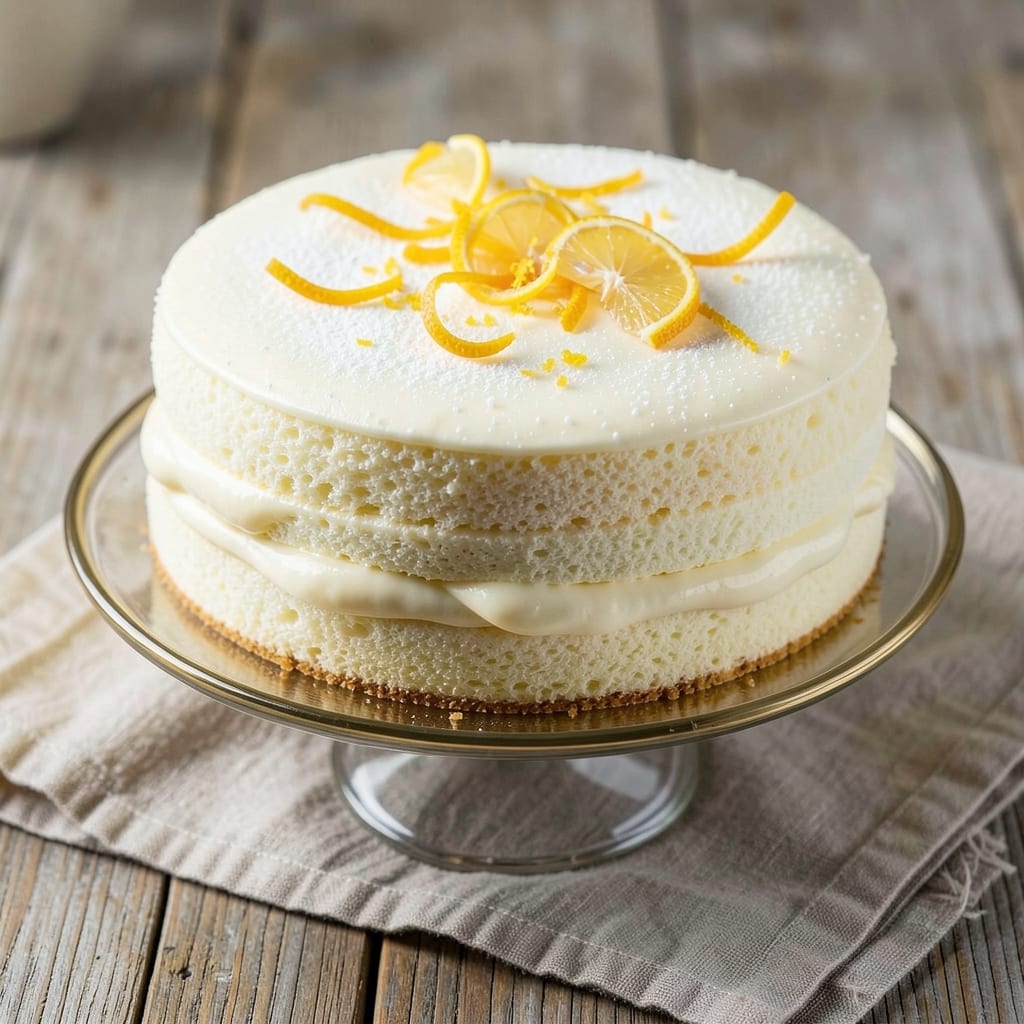
This 5-egg sponge cake recipe delivers the signature light-as-air texture that makes classic sponge cakes legendary—fluffy layers that practically melt in your mouth with every bite. ✨ The secret lies in proper egg incorporation and a touch of citrus zest that brightens the delicate flavor without overpowering it. I've perfected this technique over years of baking, ensuring consistent results even for home bakers who might be intimidated by traditional methods.
The recipe begins with room-temperature eggs and sugar, whipped together to create a stiff, glossy meringue that forms the cake's signature structure. Fold in dry ingredients gently to maintain that airy quality, then bake at a precise temperature to achieve even rise. The citrus zest infuses subtle brightness, balancing the sweetness while keeping the cake's delicate nature intact.
What you'll end up with is a multi-layered cake with tender, moist crumbs and a delicate crumb structure that's impossible to resist. Each slice reveals those signature air pockets that define a proper sponge cake, while the citrus notes add a sophisticated twist. This recipe builds confidence—no special equipment needed, just patience and attention to technique.
The finished cake pairs beautifully with whipped cream, fresh berries, or a light citrus glaze. Perfect for celebrations, afternoon tea, or simply indulging in a slice of pure baking joy. Let's get started on creating your perfect sponge cake.
Ingredients for 5 egg sponge cake
Five eggs, citrus zest, and precise technique create this legendary light-as-air sponge cake.
| Ingredient | Amount | Notes |
|---|---|---|
| Large Eggs 🥚 | 5 whole | Room temperature, separated yolks and whites |
| Granulated White Sugar 🍚 | 1 ½ cups | Superfine preferred for smooth texture |
| All-Purpose Flour 🌾 | 1 ½ cups | Sifted, plus extra for dusting |
| Unsalted Butter 🧈 | ½ cup | Room temperature, cubed |
| Fresh Lemon Zest 🍋 | 1 tbsp | Finely grated, organic preferred |
| Fresh Orange Zest 🍊 | 1 tbsp | Finely grated, organic preferred |
| Baking Powder 🍞 | 1 tsp | Aluminum-free preferred |
| Diamond Crystal Kosher Salt 🧂 | ½ tsp | Fine grain preferred |
| Vanilla Extract 🌸 | 1 tsp | Pure Madagascar bourbon |
| Cornstarch 🌾 | 1 tbsp | For tender crumb structure |
| Whole Milk 🥛 | ¼ cup | Room temperature |
The eggs are the foundation—room-temperature is critical for proper volume. Pasture-raised eggs from Crowd Company or Vital Farms yield richer flavor, but any large eggs work. Separate yolks and whites immediately to prevent overmixing. The sugar must be superfine—regular granulated won't dissolve properly, leaving gritty texture. For the zest, organic lemons and oranges ensure vibrant flavor without bitterness. Microplane zesters create finer, more aromatic zest than box graters. Store citrus peels in the freezer if prepping ahead—they keep their potency for up to 3 months.
No superfine sugar? Pulse granulated sugar in a food processor for 30 seconds—it'll work in a pinch. Substituting vanilla? Almond extract at half the amount adds depth, but pure Madagascar bourbon is ideal. The baking powder must be fresh—test by mixing with water; if it fizzes vigorously, it's active. Bob's Red Mill aluminum-free version is a professional favorite. For dairy-free needs, swap milk for unsweetened almond milk>—though texture may be slightly denser. The butter should be room temperature but not melted—press a cube; it should leave a slight indent but hold shape.
This batter deflates quickly, so prepare pans immediately. 8-inch round pans work best for even layers. Grease with butter and dust thoroughly with flour—no parchment paper for proper heat transfer. Bake at 350°F for 25-30 minutes until golden and springy. Cool completely before assembling layers—at least 2 hours at room temperature. Store wrapped in plastic at room temperature for 3 days or freeze layers separately for up to 3 months. The cake improves overnight as the crumb stabilizes—trust the process.
Why You'll Love This Recipe
- No Mixer Needed: I’ll be real—this recipe doesn’t require a stand mixer or even a hand mixer. Five eggs, sugar, and a whisk? That’s it. You fold the butter and flour in by hand, and the result is light, airy perfection without the fuss. Honestly, it’s the kind of cake that makes me feel like a baking genius every time.
- Bright & Buttery Magic: That lemon zest? It’s the star. The butter keeps it rich, but the citrus cuts through the sweetness like a fresh breeze. It’s not overly sweet—just the right balance, and the eggs give it that melt-in-your-mouth tenderness. Between us, it’s the kind of cake that disappears faster than I can say “second slice.”
- Weeknight or Celebration: Make it for breakfast with a drizzle of honey, or layer it with whipped cream for dessert. It’s simple enough for a Tuesday morning but feels fancy enough for a brunch spread. I’ve even used it as a base for trifles—just add fruit or custard, and boom, instant party dessert.
- Budget-Friendly & Longevity: Five eggs mean you’re not breaking the bank, and the ingredients are pantry staples. The cake keeps well for days, so you can bake once and enjoy it all week. Plus, it’s the kind of recipe where leftovers taste just as good cold as they do fresh—perfect for packing in lunches or snacking straight from the fridge.
Step-by-step instructions for light-as-air sponge cake
Here's the precise method for achieving flawless, cloud-like layers with vibrant citrus notes.
👨🍳 Step 1: Prepare the Eggs and Sugar Mixture
In a stand mixer fitted with the whisk attachment, combine the 5 whole Large Eggs and 1.5 cups Granulated White Sugar. Beat on medium-high speed for 5-7 minutes until the mixture becomes pale, thick, and triples in volume. You'll notice the ribbons form slowly at first, then hold their shape for several seconds—this is your signal the eggs are properly emulsified.
I like to stop occasionally and scrape down the sides with a silicone spatula to ensure even mixing. The sugar should dissolve completely, leaving no graininess. This step is critical—properly whipped eggs create the signature light, airy texture of a classic sponge cake. If using superfine sugar, the process will be slightly faster, but don't rush it.
🍳 Step 2: Add Butter and Zests Gradually
Reduce the mixer speed to low and add the 0.5 cup Unsalted Butter, 1 tbsp Fresh Lemon Zest, and 1 tbsp Fresh Orange Zest one tablespoon at a time. Mix just until each addition is fully incorporated—about 10-15 seconds per addition. The butter should melt completely into the egg mixture, creating a smooth, glossy batter.
Here's the thing—adding the zest gradually prevents the citrus oils from overpowering the delicate egg structure. The mixture should remain light and airy, not dense. If you notice any curdling or separation, gently fold it back in by hand with a rubber spatula. The final batter should be thick enough to hold its shape when dropped from a spoon but still pourable.
👨🍳 Step 3: Incorporate Dry Ingredients
In a separate bowl, whisk together the 1.5 cups All-Purpose Flour, 1 tbsp Cornstarch, 1 tsp Baking Powder, and 0.5 tsp Diamond Crystal Kosher Salt. Sift the mixture directly into the egg mixture while mixing on low speed. Add the 1 tsp Vanilla Extract and 0.25 cup Whole Milk next, mixing just until combined—about 30 seconds total.
This is where precision matters most. Overmixing develops gluten, which makes the cake dense. Stop mixing as soon as you see no more flour streaks. The batter should be smooth, slightly glossy, and thick enough to leave a trail when you lift the whisk. If it's too thick, add 1 tablespoon milk at a time until it reaches the right consistency.
⏰ Step 4: Bake in Prepared Pans
Preheat your oven to 350°F and grease three 8-inch round cake pans with nonstick spray, then dust with flour. Divide the batter evenly among the pans. Bake for 25-30 minutes or until a toothpick inserted in the center comes out clean and the tops spring back when pressed gently.
Don't open the oven during baking—this causes the cakes to sink. The edges should be set but still slightly pale, with a domed top. If your oven runs hot, start checking at the 22-minute mark. The cakes will continue cooking slightly as they cool in the pans. Let them cool in the pans for 10 minutes, then transfer to a wire rack to cool completely before layering.
Pro Tips For Making 5 Egg Sponge Cake
- WHISK EGGS TO LUKEWARM: I learned this the hard way—cold eggs from the fridge won’t blend properly, and you’ll end up with a dense, heavy cake. Let those eggs sit in warm water (about 107°F/42°C) for 5 minutes before whisking, then mix until they’re pale, thick, and hold a ribbon when the whisk is lifted. This isn’t just about volume; it’s about structure.
- ZEST FIRST, THEN FOLD: Add the lemon zest after you’ve folded in the flour—but before the final fold. Sprinkle it lightly over the batter in the bowl, then gently swirl it in with a spatula. This keeps the bright citrus flavor evenly distributed instead of clumping in one spot (which happens if you toss it in mid-fold). Trust me, your cake will taste fresher.
- STOP WHEN IT SPRINGS BACK: The cake’s done when it’s golden but still jiggly in the center—press lightly with a finger. If it springs back slowly (not instantly), it’s ready. Overbaking dries out the sponge, and underbaking leaves it gummy. Pull it out early if you’re nervous; it’ll keep cooking with residual heat.
- SOFTEN BUTTER AT ROOM TEMP: Cold butter creates pockets of fat that won’t incorporate smoothly, leading to a cake that’s greasy or unevenly textured. Leave the butter out for 2–3 hours (or microwave in 10-second bursts until pliable but not melted). You want it to press into the flour like clay—not melt into it like buttercream.
Regional styles of this recipe
Italian Genovese Style
In Italy, the classic Genovese sponge cake (pan di Spagna) is traditionally made with just eggs, sugar, and flour—no butter or milk. For this regional twist, skip the butter and milk, and use 1.25 cups sugar instead of 1.5 cups to maintain delicate texture. The Italian version relies entirely on egg whites whipped to stiff peaks before folding in yolks and dry ingredients. Serve it with passionfruit curd or mascarpone frosting for an authentic touch. 🍋
French Génoise Twist
French Génoise sponge cake incorporates 1 extra egg white for extra lightness, creating a slightly denser but more stable crumb. Replace the citrus zest with 1 tsp vanilla bean paste> and add 1 tbsp cornstarch> to the dry ingredients for a finer crumb. Bake at 325°F> (instead of 350°F>) for 35-40 minutes> to achieve the signature French tenderness. This version pairs beautifully with chocolate ganache or raspberry jam.
British Victoria Sponge
The British Victoria sponge traditionally includes ½ cup raspberry jam> between layers and is dusted with powdered sugar> after baking. For this adaptation, reduce the citrus zest to ½ tbsp each> and add 1 tsp almond extract> for depth. Bake in 7-inch round pans> (instead of 8-inch) and serve with clotted cream and strawberries for an afternoon tea classic. The British version often uses self-raising flour—substitute by adding 1 tsp baking powder> to your all-purpose flour.
Japanese Sponge Cake (Sfogliatelle)
Japanese sponge cake (sponge keeki) often incorporates matcha powder or kinako (roasted soybean flour) for a nutty flavor. For this regional take, replace the citrus zest with 1 tbsp kinako> and add 1 tsp matcha powder> to the dry ingredients. The batter should be slightly thicker—add 1 extra egg white> for extra lift. Bake at 325°F> for 30-35 minutes> and dust with powdered sugar. Serve with red bean paste or black sugar syrup for a traditional touch.
American Classic Layer Cake
American versions often include vanilla bean paste and a buttercream frosting. For this adaptation, keep all original ingredients but add 1 vanilla bean> (scraped) instead of extract. Bake in 9-inch round pans> for a taller, more dramatic layer cake. Frost with American-style buttercream (powdered sugar, butter, milk) and decorate with fresh berries. The American tradition emphasizes richness—don’t skimp on the butter in the frosting!
Nutrition facts
Frequently asked questions
Why does this recipe use 5 eggs instead of 3 or 4?
The extra eggs create the signature light-as-air texture that defines a proper sponge cake. Five eggs provide the optimal balance of structure and tenderness—enough protein to set the cake while maintaining that delicate, melt-in-your-mouth crumb. The additional egg yolks also add richness that complements the citrus zest beautifully.
Can I make this cake without a stand mixer?
Use a hand mixer or even a whisk with strong arm muscles. Whip the eggs and sugar by hand for 8-10 minutes until pale and thick—just keep at it until you see those ribbon trails. The key is patience; hand-whipping requires more time but achieves the same result. For the dry ingredients, fold them in gently with a rubber spatula.
What's the secret to getting perfectly even layers?
Divide the batter precisely using a kitchen scale for accuracy—each 8-inch pan should get exactly ⅓ of the total batter weight. Grease pans thoroughly with butter and flour, then tap them gently on the counter to remove air bubbles. Bake all layers simultaneously for even cooking, and never stack them while still warm. Let them cool completely before assembling.
Why does my cake sink in the middle?
Most likely, your oven wasn't hot enough when you started baking, or you opened the oven door too early. Preheat for 15-20 minutes and avoid opening the door until 22 minutes in. Another common cause is under-whipped eggs—the mixture should triple in volume and hold stiff peaks when you lift the whisk. If it collapses, your cake will too.
How long can I store the finished cake?
Store wrapped tightly in plastic at room temperature for up to 3 days. For longer storage, freeze the layers separately (unfrosted) for up to 3 months. Thaw overnight in the fridge before assembling. The cake actually improves overnight as the crumb stabilizes—this is why many bakers make sponge cakes a day ahead!