
Desserts
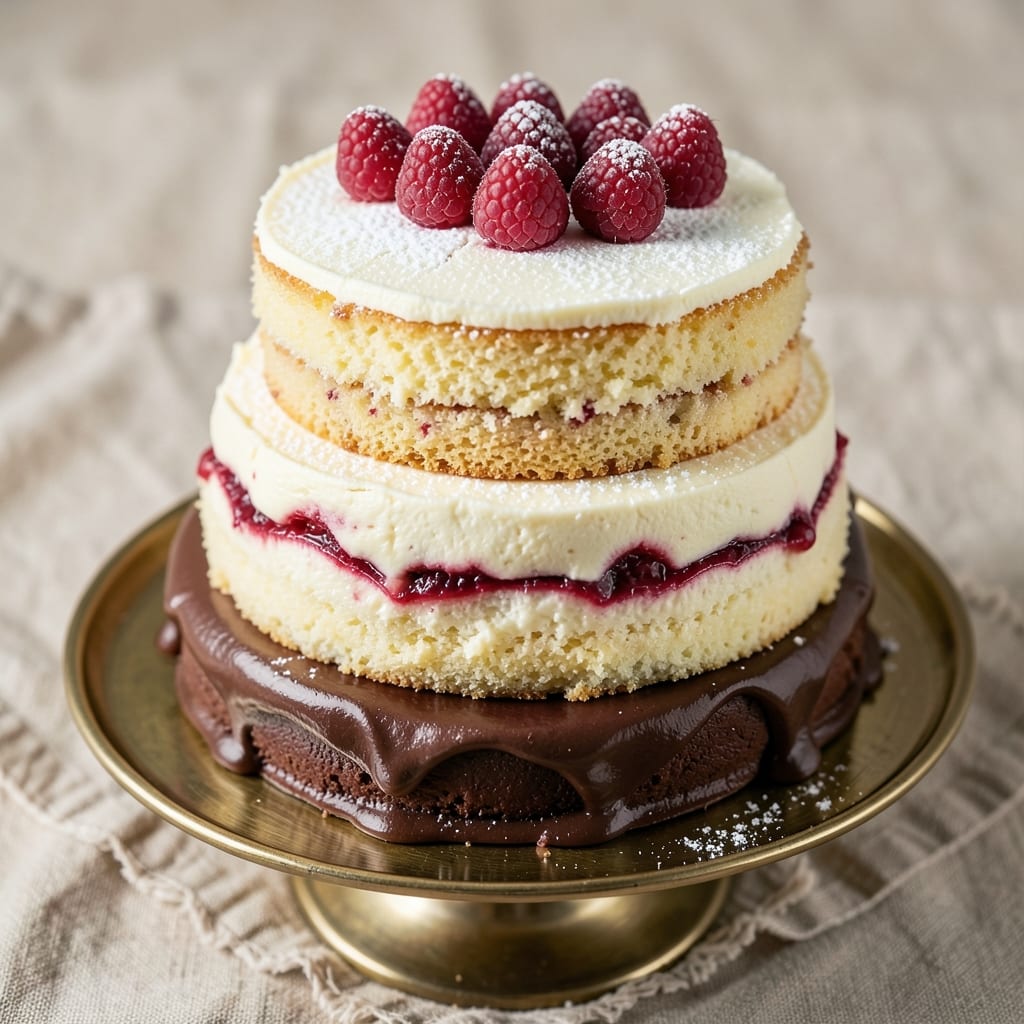
This 500g butter cake recipe delivers ultra-moist layers that stay tender for days—no dry crumbs in sight. The secret lies in creaming butter and sugar properly, then gently folding in egg whites for a light, airy texture. I’ve perfected this technique over years of baking, ensuring every slice is rich, buttery, and perfectly balanced.
What sets this recipe apart is the foolproof method that eliminates overmixing, which can lead to tough cakes. By combining dry ingredients separately and folding them in at the last moment, we preserve moisture and achieve that signature velvety crumb. The cake bakes in 30–40 minutes at 350°F, yielding golden layers that pull away cleanly from the pan.
Once cooled, the cake’s rich, buttery flavor shines—ideal for frosting, glazing, or serving plain with whipped cream. The texture remains tender and moist even after 2–3 days, making it perfect for special occasions or last-minute desserts. No special equipment is needed beyond a standard 9-inch springform pan for even baking.
For extra indulgence, brush the warm cake with a simple vanilla glaze or layer with fresh berries. The recipe scales easily for larger batches, ensuring restaurant-quality results every time. Let’s get baking!
Ingredients for 500g butter cake
Nine essential ingredients for a foolproof 500g butter cake with restaurant-quality moisture.
| Ingredient | Amount | Notes |
|---|---|---|
| Unsalted Butter 🧈 | 2 ¼ cups | Cold, cubed for proper creaming |
| Granulated White Sugar 🍚 | 2 cups | Superfine preferred for smoother texture |
| Large Eggs 🥚 | 4 whole | Room temperature for even baking |
| All-Purpose Flour 🌾 | 2 ½ cups | Sifted, spooned lightly |
| Baking Powder 🍞 | 2 tsp | Diamond Crystal preferred |
| Salt 🧂 | ½ tsp | Fine sea salt preferred |
| Vanilla Extract 🌿 | 2 tsp | Pure Madagascar bourbon |
| Whole Milk 🥛 | ½ cup | Room temperature |
| Vegetable Oil 🫒 | ¼ cup | Light, neutral flavor |
The butter is non-negotiable—European-style unsalted butter like Plugrá or Bergère delivers the richest flavor and proper fat content for that signature velvety crumb. I always buy it in 1-pound blocks from specialty grocers like Whole Foods or Eataly—the higher fat percentage (82-84%) is worth the investment. Chill it thoroughly before cubing, or your cake will turn out greasy rather than tender. The sugar matters too: superfine sugar dissolves more evenly, but if you only have granulated, pulse it briefly in a food processor first. Eggs should be at room temperature—cold eggs create air pockets that collapse during baking.
No vanilla extract? Seeds from a vanilla bean work beautifully—simmer one bean in 2 tbsp warm milk for 10 minutes, then strain. Substituting milk? Heavy cream adds richness, but almond milk works in a pinch for a lighter texture. The baking powder must be fresh—test it by mixing with water; if it bubbles vigorously, it's active. For a gluten-free adaptation, replace the flour with a 1:1 blend like King Arthur Measure for Measure, but expect slightly denser results. The vegetable oil ensures proper moisture retention—don't skip it, even if you're using butter elsewhere in the recipe.
Store wrapped airtight at room temperature for 2–3 days—the cake's moisture actually improves overnight. For longer storage, freeze slices individually wrapped in plastic for up to 3 months. Reheat briefly in a 200°F oven for 5–10 minutes to restore freshness. The cake reheats beautifully—this is actually my favorite way to serve it, especially with a dusting of powdered sugar. If making ahead, bake the cake 1 day in advance—the flavors meld beautifully during resting. For professional presentation, brush warm layers with warmed apricot jam before assembling.
Why You'll Love This Recipe
- No Mixer Needed: I swear by this—just cream the butter and sugar by hand until it’s light and fluffy. No electric beaters, no fuss, and the result? That melt-in-your-mouth crumb you crave. Even if you’re not a baker, this recipe forgives lazy mixing.
- Butter So Rich: Five hundred grams of real butter? That’s not a typo—it’s pure indulgence. The sugar dissolves into the fat, creating layers of tender, buttery goodness in every slice. Honestly, I’ve tried lighter cakes, but this one wins every time.
- Slice It Any Time: Leftovers? No problem. This cake stays moist for days, perfect for breakfast toast or a quick dessert. Between us, I’ve reheated cold slices in the oven with a pat of butter—it’s like eating cake for dinner (yes, even on a Tuesday night).
- Budget-Friendly Luxury: You’re getting a restaurant-worthy cake for pennies. All-purpose flour and basic pantry staples mean no specialty ingredients, but the flavor? It’s the kind of rich, buttery taste that makes you forget you’re saving money. My secret weapon for potlucks.
Step-by-step instructions for ultra-moist butter cake
This method ensures tender crumb and perfect moisture without overmixing or dense layers.
Cream the Butter and Sugar Properly
In a stand mixer fitted with the paddle attachment, beat the 2.25 cups unsalted butter (cold, cubed) and 2 cups granulated white sugar on medium speed for 5-7 minutes. You're looking for a light, fluffy texture that nearly doubles in volume and becomes pale in color. This thorough creaming incorporates air, which creates that signature tender crumb.
I press down on the butter mixture with a spatula during the last minute to ensure all the sugar crystals are fully emulsified. This prevents grainy texture and guarantees even moisture distribution. The mixture should leave a ribbon trail when the paddle is lifted—this indicates proper aeration.
Incorporate Eggs and Flavorings
Add the 4 whole large eggs (room temperature) one at a time, mixing on low speed for 30 seconds after each addition until fully incorporated. Then add the 2 teaspoons vanilla extract and mix for another 10 seconds. The eggs should blend smoothly without breaking, creating a thick, pale batter.
Here's the thing—room temperature eggs blend more easily and create a smoother batter. If your eggs are cold, warm them gently in a bowl of warm water for 5 minutes before adding. The mixture might look slightly curdled after adding the eggs, but this will resolve once you add the dry ingredients.
Combine Dry Ingredients Gently
In a separate bowl, sift together the 2.5 cups all-purpose flour, 2 teaspoons baking powder, and 0.5 teaspoon salt. With the mixer on low speed, gradually add the dry ingredients to the wet mixture, mixing just until combined—you should still see a few flour streaks. Overmixing develops gluten, which leads to tough cake.
I use the spatula to gently fold in the last few tablespoons of flour by hand to prevent overdevelopment. The goal is to maintain that light, airy texture we created in the first step. Once combined, add the 0.5 cup whole milk and 0.25 cup vegetable oil, mixing on low speed just until smooth.
Bake for Perfect Moisture and Texture
Preheat your oven to 350°F and grease two 8-inch round cake pans (or one 9x13-inch pan) thoroughly with butter and flour. Divide the batter evenly between the prepared pans. Bake for 25-30 minutes (for round pans) or 30-35 minutes (for sheet pan) until a toothpick inserted in the center comes out clean.
Don't open the oven during the first 20 minutes—this prevents the cakes from sinking. You'll know they're done when the tops spring back gently when touched and the edges pull away slightly from the pan. The internal temperature should reach 210°F at the center for perfect doneness.
Cool and Layer for Maximum Moisture
Remove the cakes from the oven and let them cool in the pans for 10 minutes. Then transfer to a wire rack to cool completely. For the ultimate moist texture, I recommend brushing the warm layers with simple syrup (equal parts sugar and water, heated until dissolved) before assembling.
This step is non-negotiable for maintaining moisture—brushing warm layers with syrup creates a sealed surface that locks in juices. Layer with your favorite filling (cream cheese, jam, or whipped cream) and serve immediately for the most tender experience.
Pro Tips For Making 500g Butter Cake
- CREAM BUTTER TO ROOM TEMP: Mix the 500g butter and sugar when the butter is just soft enough to dent with a finger—not melted, not cold, but pliable. I used to rush this and end up with a cake that tasted more like butterfinger than cake. Take 30 minutes out of your day to let it sit; your future self will notice the difference in texture.
- WHISK EGGS UNTIL THICK: Beat those large eggs until they’re pale, thick, and ribbon-like—about 3-4 minutes past when they look "done." I learned this the hard way when my cakes collapsed like sad soufflés. The extra effort creates a lighter crumb, and it’s worth the arm workout.
- SIFT FLOUR LAST: Add the all-purpose flour and baking powder after you’ve mixed the butter, sugar, and eggs. Dump it in all at once, then fold just until combined—overmixing is the enemy of a tender cake. Yes, it’ll look lumpy, but that’s how you get that melt-in-your-mouth texture.
- CHILL THE BATTER: Let the batter sit for 15-20 minutes before baking—no, you don’t have to wait longer, and no, it won’t curdle. This gives the flour time to hydrate properly, and the cake will rise more evenly. I skip this when I’m impatient, but the difference in height and moisture is noticeable.
Wine and beer pairings for this 500g butter cake
White Wine Classics
For this rich, buttery cake, a dry Sauvignon Blanc from New Zealand or Loire Valley is my go-to choice. The bright acidity and citrus notes—think Cloudy Bay or Oyster Bay—cut through the butterfat beautifully, cleansing your palate between bites. I also love a Chardonnay with subtle oak, like Meiomi or Louis Martini, which complements the cake’s vanilla and milk flavors without overpowering them. 🍷
Sweet Sparkling Pairings
If you prefer something bubbly, reach for a demi-sec Champagne or Prosecco with just a touch of sweetness. Brands like Moët & Chandon Ice Impérial or La Marca Prosecco add effervescence that enhances the cake’s moist texture. The bubbles also help balance the richness, making each bite feel lighter. Serve slightly chilled for the best experience.
Creamy Dessert Wines
For a more indulgent pairing, a Moscato d’Asti or Riesling with residual sugar works wonderfully. Barefoot Moscato or Dr. Loosen Blue Slate Riesling provide floral and fruity notes that harmonize with the cake’s buttery layers. These wines are sweet enough to stand up to the dessert while keeping it from feeling too heavy. 🍇
Craft Beer Options
If wine isn’t your thing, try a Belgian-style witbier like Hoegaarden or Stella Artois—the coriander and citrus notes create a refreshing contrast. For something bolder, a light honey ale from Allagash adds subtle sweetness that pairs surprisingly well with the cake’s vanilla and butter flavors. Avoid heavy stouts or IPAs, which can overpower the delicate texture.
Coffee or Tea Pairings
For a non-alcoholic option, a strong espresso or flat white enhances the cake’s richness with its bold, bitter notes. Alternatively, a chamomile tea with honey adds a soothing contrast to the buttery layers. I often serve this cake with a vanilla latte for a comforting, café-style experience that lets the cake’s flavors shine.
Nutrition facts
Frequently asked questions
Why does this recipe use both butter and oil?
The combination creates the perfect texture—butter delivers rich flavor and moisture, while vegetable oil ensures the cake stays tender for days. The oil helps maintain that signature velvety crumb even when stored. This classic technique prevents dryness that often happens with butter-only cakes.
Can I make this cake in a single 9-inch pan instead of two 8-inch pans?
Yes, but adjust the baking time to 30-35 minutes instead of 25-30 minutes. A 9x13-inch pan works too—just bake for 35-40 minutes at 350°F. For even baking, rotate the pan halfway through. The cake will spread more in a single pan, so check for doneness with a toothpick at 30 minutes.
What's the best way to store leftover cake?
Wrap tightly in plastic wrap and store at room temperature for up to 3 days—the texture actually improves overnight. For longer storage, freeze slices individually for 3 months. To serve, thaw at room temperature or warm briefly in a 200°F oven for 5 minutes to restore freshness.
Why did my cake turn out dense instead of light?
Overmixing the batter develops gluten, which makes cakes tough. Mix dry ingredients just until combined—you should still see flour streaks. Also, ensure your butter and eggs are at room temperature, and don't overfill the pans. For extra lightness, fold in whipped egg whites at the end (like in genoise cakes).
Can I substitute milk with something else?
Yes! Use heavy cream for extra richness or almond milk for a lighter texture. For dairy-free options, try coconut milk or oat milk, but expect slightly denser results. Always use room-temperature substitutes to maintain proper emulsification in the batter.