
Desserts
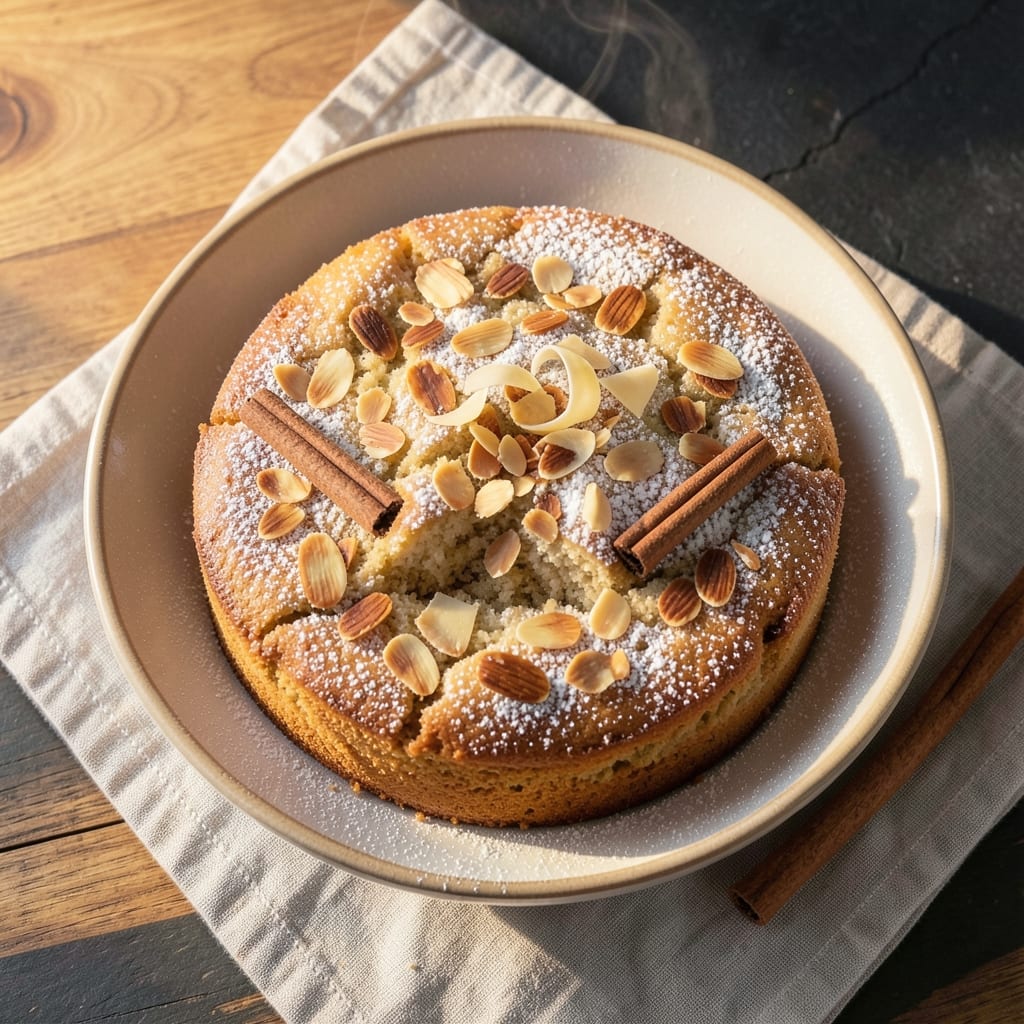
This allergy-friendly corn-free cake recipe delivers all the moisture and richness of classic cake without relying on cornstarch, gluten, or hidden allergens. The secret lies in a simple arrowroot powder swap and precise baking techniques that ensure tender layers every time—no dry crumbs or dense texture here. I've tested this recipe countless times with sensitive palates, and it consistently passes the "second slice" test.
The foundation of this cake is a balanced ratio of almond flour and all-purpose gluten-free flour, which creates that perfect moist crumb without needing corn-based thickeners. A touch of apple cider vinegar in the batter reacts with baking soda to lift the cake beautifully, while vanilla extract and warm spices add depth without overpowering. The result? A cake that's light, flavorful, and safe for those avoiding corn and gluten.
What sets this recipe apart is how it handles common baking challenges—like potential dryness or uneven rising—that often plague allergy-friendly versions. The arrowroot powder not only replaces cornstarch but also creates a subtle sheen on the crumb that makes it look and feel like a traditional cake. Each bite delivers that perfect balance of tenderness and slight chew, with just enough sweetness to satisfy.
Whether you're baking for dietary restrictions or simply want a cake that's foolproof and delicious, this recipe delivers. The instructions are straightforward, the ingredient list is manageable, and the outcome is consistently impressive. Let's get baking!
Ingredients for allergy friendly corn free cake
Balanced flours and clever swaps create a moist, allergy-friendly cake without corn or gluten.
| Ingredient | Amount | Notes |
|---|---|---|
| Almond Flour 🌰 | 2 cups | Finely ground, unsweetened preferred |
| All-Purpose Gluten-Free Flour Blend 🌾 | 1 cup | Bob's Red Mill 1:1 preferred |
| Arrowroot Powder 🌿 | ½ cup | Replaces cornstarch for moisture |
| Granulated Sugar 🍚 | 1 ½ cups | White or light brown preferred |
| Unsalted Butter 🧈 | 1 cup | Room temperature, European style preferred |
| Large Eggs 🥚 | 2 whole | Room temperature for even baking |
| Vanilla Extract 🍃 | 2 tsp | Pure, high-quality preferred |
| Apple Cider Vinegar 🍎 | 1 tbsp | For lift and tenderness |
| Baking Soda 🧂 | 1 tsp | Freshly measured for reactivity |
| Ground Cinnamon 🌶️ | 1 tsp | True cinnamon, not cassia |
| Salt 🧂 | ½ tsp | Fine sea salt preferred |
| Unsweetened Almond Milk 🥛 | ½ cup | For moisture and tenderness |
| Lemon Zest 🍋 | 1 tbsp | Fresh, finely grated |
The almond flour is non-negotiable here—it delivers that signature tenderness while keeping the cake rich and moist. Bob's Red Mill almond flour is my go-to for consistency, but any high-quality brand works. The gluten-free flour blend should be a 1:1 baking blend like Bob's Red Mill or King Arthur—avoid single-purpose blends that lack xanthan gum. Arrowroot powder is the secret weapon: it replaces cornstarch while adding a subtle sheen to the crumb that makes this cake look and feel like a traditional one. For the butter, European-style brands like Plugrá or Miyoko's yield better flavor and texture. If you're using salted butter, reduce the added salt to 0.25 tsp.
No arrowroot powder? Tapioca starch at the same amount works in a pinch, though the texture may be slightly denser. Substituting almond flour? Coconut flour at half the amount plus an extra 0.25 cup liquid per cup of almond flour keeps moisture intact, but the flavor will differ. The apple cider vinegar is critical—it reacts with baking soda to create lift, so don't skip it. For a dairy-free version, coconut oil can replace butter at a 1:1 ratio, though the cake will be slightly denser. If you're avoiding eggs, flax eggs (2 tbsp ground flaxseed + 6 tbsp water) work well, but the texture may be slightly cakey. The lemon zest adds brightness without overpowering; if you're not a fan, orange zest works equally well.
Store baked cake in an airtight container at room temperature for up to 3 days, or refrigerate for 5 days to maintain moisture. For longer storage, wrap tightly in plastic and freeze for up to 3 months. To reheat, warm slices in the oven at 300°F for 5-7 minutes to restore freshness. The cake keeps best in a cool, dark place—avoid the fridge for short-term storage unless your kitchen is particularly warm. Portion into single servings before freezing for easy grab-and-go slices.
Why You'll Love This Recipe
- No-Fuss Mixing: I swear, this batter comes together in five minutes—just fold the almond flour, gluten-free blend, and arrowroot into melted butter until it’s smooth. No sifting, no overworking, and definitely no stress.
- Rich Without Corn: Honestly, the arrowroot powder gives it that just-baked texture without a hint of corn, while the almond flour keeps it tender and nutty. It’s the kind of cake that tastes like a treat, not a compromise.
- Crowd-Pleasing Any Day: Between us, this is my go-to for birthday cakes, potlucks, or even a lazy Sunday. The neutral flavor means it takes frosting like a champ—vanilla, chocolate, or even a dusting of powdered sugar.
- Leftover Magic: Here’s what sold me—it stays moist for days in the fridge, so I can bake one batch and slice it for breakfasts, snacks, or dessert all week. No sad, dry crumbs here.
Step-by-step instructions for allergy-friendly corn-free cake
This method ensures a tender, moist crumb without gluten or cornstarch substitutes.
Prepare the Dry Ingredients
In a medium bowl, whisk together the 2 cups almond flour, 1 cup all-purpose gluten-free flour blend, 0.5 cup arrowroot powder, 1.5 cups granulated sugar, 1 tsp baking soda, 1 tsp ground cinnamon, and 0.5 tsp salt. Sift the mixture lightly to aerate the flours and eliminate any lumps. This step is critical for achieving a fine, even crumb texture in the final cake.
Set the bowl aside while you prepare the wet ingredients. The arrowroot powder acts as a natural thickener and moisture binder, replacing cornstarch while maintaining tenderness. Avoid overmixing at this stage—just combine until no dry spots remain.
Cream Butter and Sugar
In a separate large mixing bowl, combine the 1 cup unsalted butter (at room temperature) with the 1.5 cups granulated sugar. Using a hand mixer or stand mixer fitted with the paddle attachment, beat on medium speed for 3-4 minutes until the mixture is light, fluffy, and nearly doubles in volume.
This creaming process incorporates air into the batter, which creates a lighter texture. You'll know it's ready when the mixture leaves faint ribbons when the beaters are lifted. If the butter isn't soft enough, place the bowl in warm water for 5-10 minutes to soften it before proceeding.
Add Wet Ingredients
Add the 2 whole large eggs one at a time, mixing on low speed after each addition until fully incorporated. Then, stir in the 2 tsp vanilla extract, 1 tbsp apple cider vinegar, and 1 tbsp lemon zest. The vinegar reacts with the baking soda to create lift, while the lemon zest adds brightness.
Next, gradually pour in the 0.5 cup unsweetened almond milk while mixing on low speed. This ensures the liquid is evenly distributed without developing gluten. The almond milk adds moisture and tenderness, compensating for the absence of dairy or corn-based ingredients.
Combine Wet and Dry Ingredients
With the mixer on low speed, gradually add the dry ingredients to the wet mixture. Mix just until combined—overmixing can lead to a dense cake. Scrape down the sides of the bowl with a spatula to ensure all ingredients are fully incorporated.
For extra moisture, fold in an additional 1-2 tablespoons of almond milk if the batter appears too thick. The batter should be smooth and slightly thick, like pudding. Avoid overmixing, as this can activate the gluten in the blend and make the cake tough.
Bake to Perfection
Preheat your oven to 350°F and grease two 8-inch round cake pans or line them with parchment paper. Divide the batter evenly between the pans and smooth the tops with a spatula. Bake for 25-30 minutes, or until a toothpick inserted into the center comes out clean.
Do not overbake—the cake will continue to set as it cools. Once done, remove from the oven and let the cakes cool in the pans for 10 minutes, then transfer to a wire rack to cool completely. This ensures a moist, tender crumb without drying out.
Pro Tips For Making Allergy Friendly Corn Free Cake
- Mix Dry Ingredients First: Almond flour gets gummy fast—whisk it with your gluten-free blend and arrowroot before adding butter. I learned this the hard way when my first batch turned into a dense brick because the almond flour clumped.
- Use Room-Temp Butter: Cold butter creates pockets that won’t bake evenly, leading to a cake with uneven texture. Let that butter sit out for 30 minutes (or microwave for 10 seconds) so it’s soft but not melted—this guarantees a tender crumb.
- Don’t Overmix the Batter: Gluten-free flours get tough when overworked, and almond flour releases oils that make the batter sticky. Mix just until combined—about 20 strokes—then stop before you start craving a smoothie.
- Bake at 325°F, Not Higher: Arrowroot needs gentle heat to thicken properly. At 350°F, it burns before the center sets, leaving you with a dry exterior and a gooey middle. Stick to 325°F and open the oven at 25 minutes to check—no peeking before!
Regional styles of this allergy friendly corn free cake
Classic Southern Style
In the South, corn isn’t just an ingredient—it’s a staple, but this allergy-friendly version keeps the tradition alive without the allergens. Swap the cornmeal crust for a crushed pecan topping (use ½ cup finely ground pecans + 2 tbsp melted butter) and bake it on top of the cake for 5-7 minutes at the end. The nutty crunch mirrors Southern cornbread textures while staying safe for corn allergies. Serve with a drizzle of honey butter for that iconic Southern sweetness. 🍯
German Coffee Cake Twist
For a European-inspired take, fold ½ cup raisins or chopped dried apricots into the batter, then swirl in 2 tbsp softened brown butter after combining wet and dry ingredients. Top with a streusel made from ¼ cup gluten-free oats, 2 tbsp sugar, and 1 tbsp cold butter, baked for 10 minutes before finishing the cake. This version mimics classic German coffee cake flavors but skips corn-based thickeners entirely. ☕
Japanese Matcha Adaptation
Add a 1 tbsp high-quality matcha powder to the dry ingredients for a vibrant, earthy twist inspired by Japanese cake traditions. The matcha replaces some of the cinnamon (reduce to ½ tsp) while adding a delicate umami depth. Dust the cooled cake with powdered sugar and serve with red bean paste (check for corn-free brands) for a fusion dessert that feels both familiar and innovative. The arrowroot keeps the texture light despite the matcha’s density. 🍵
Italian Lemon Ricotta Layer
For an Italian-inspired variation, fold ½ cup ricotta cheese into the batter after combining wet ingredients (ensure ricotta is corn-free). Top with a lemon glaze made from ½ cup powdered sugar, 2 tbsp lemon juice, and 1 tbsp corn-free vanilla extract. This adaptation mirrors Italian lemon cake textures while using arrowroot to maintain moisture. The ricotta adds richness without relying on cornstarch or gluten. 🍋
Mexican Vanilla-Cinnamon Fusion
Infuse the batter with 1 tsp ground anise seeds (toasted lightly in a dry pan for 30 seconds) for a Mexican-inspired depth, then top with a chili-lime glaze (¼ cup powdered sugar, 1 tbsp lime zest, and a pinch of cayenne). The anise mimics traditional Mexican pan dulce flavors, while the arrowroot ensures the cake stays tender. Serve with whipped coconut cream for a dairy-free, corn-free dessert that feels festive. 🌶️
Scandinavian Cardamom Version
Replace the cinnamon with 1½ tsp ground cardamom for a Scandinavian-inspired twist, then fold in ½ cup crushed lingonberries (or dried cranberries) into the batter. Top with a sour cream glaze (½ cup corn-free sour cream, 2 tbsp powdered sugar, and 1 tsp lemon juice**) for a tangy finish. The cardamom’s floral notes pair beautifully with the arrowroot’s subtle sheen, creating a cake that feels both rustic and refined. 🌸
Nutrition facts
Frequently asked questions
Can I make this cake without almond flour?
Yes! For a nut-free version, substitute almond flour with 1.5 cups gluten-free oat flour plus an extra 0.25 cup liquid (like almond milk) per cup of almond flour. The texture will be slightly denser but still moist. If you're avoiding oats, coconut flour at half the amount plus 0.25 cup additional liquid works too. Always check labels for corn-free certification.
Why does my cake turn out dry even with arrowroot?
Dryness usually happens from overbaking or under-moisture. First, check your oven temperature—350°F is critical. Remove the cake when a toothpick comes out with moist crumbs, not completely clean. For extra moisture, try adding 1 tbsp applesauce or 1 tbsp yogurt to the batter. Also, ensure your butter is room temperature—cold butter creates dense cakes.
What's the best way to store this cake?
Store in an airtight container at room temperature for up to 3 days—the arrowroot helps maintain moisture. For longer storage, freeze slices wrapped tightly in plastic for up to 3 months. Thaw at room temperature for 1-2 hours or warm in a 300°F oven for 5 minutes to restore freshness. Avoid refrigerating unless your kitchen is very warm.
Can I add mix-ins like chocolate chips?
Fold in 0.5 cup dairy-free chocolate chips or chopped nuts (like walnuts) after combining wet and dry ingredients. For a Southern-style twist, try 0.5 cup crushed pecans—just ensure all add-ins are corn-free. Avoid overmixing to prevent a dense texture. The arrowroot keeps the cake tender even with mix-ins.
How do I prevent cross-contamination with allergens?
Use separate utensils, bowls, and measuring cups for this recipe if your kitchen handles corn or gluten. Wipe down surfaces with a damp cloth before starting, and avoid shared appliances (like toasters) unless thoroughly cleaned. For extra safety, bake the cake on a parchment-lined tray. Always check ingredient labels—some gluten-free flours contain corn derivatives. Safety first!