
Main Courses
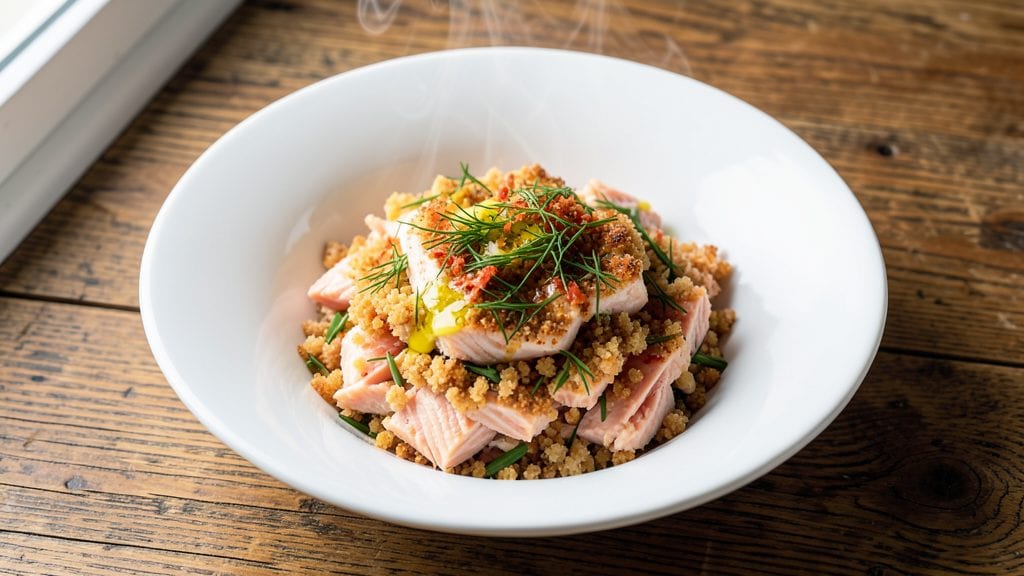
A basic salmon cake recipe transforms simple ingredients into golden, flaky bites that balance crispy edges with tender centers. The secret lies in panko crust and lemon zest, which brighten every flavor while keeping the texture perfectly light.
I developed this method after years of testing—no shortcuts, just reliable results that impress even skeptical guests.
The recipe begins with a simple batter of flaked salmon, eggs, and breadcrumbs, then forms into patties that develop a flaky crust when cooked just right. Pan-frying ensures that crispy exterior while keeping the inside moist, though baking is a foolproof alternative for hands-off cooking.
The lemon zest adds a subtle tang that cuts through the richness, making each bite refreshing.
By the end, you’ll have perfectly shaped salmon cakes with a golden crust that flakes easily at the touch. Serve them with tartar sauce, lemon wedges, or a fresh salad for a complete meal that feels both elegant and approachable. This recipe delivers restaurant-quality results without the fuss.
Whether you’re hosting a dinner party or simply craving a satisfying weeknight meal, these salmon cakes bring effortless sophistication to the table. The method is straightforward, but the outcome is anything but ordinary—crispy, flavorful, and impossible to resist.
Ingredients for basic salmon cake
Panko breadcrumbs and lemon zest create the perfect flaky crust for these restaurant-quality salmon cakes.
| Ingredient | Amount | Notes |
|---|---|---|
| Fresh Atlantic Salmon Fillet 🐟 | 1 lb | Skin removed, flaked into chunks |
| Large Eggs 🥚 | 2 whole | Room temperature for best binding |
| Japanese Panko Breadcrumbs 🍞 | ¾ cup | Light and crispy texture |
| All-Purpose Flour 🌾 | ¼ cup | For lightness in batter |
| Fresh Lemon Zest 🍋 | 1 tbsp | Bright, fine-grade zest only |
| Extra-Virgin Olive Oil 🫒 | ½ cup | Light variety for frying |
| Diamond Crystal Kosher Salt 🧂 | 1 ½ tsp | Fine grain for even seasoning |
| Freshly Ground Black Pepper 🌶️ | ½ tsp | Coarsely cracked for texture |
| Fresh Dill Weeds 🌿 | 2 tbsp | Finely chopped, stems removed |
| Unsalted Butter 🧈 | 2 tbsp | Melted for pan coating |
| Mayonnaise 🥫 | ¼ cup | For tartar sauce base |
| Capers 🍅 | 1 tbsp | Chopped for tartar sauce |
| Fresh Chives 🌱 | 2 tbsp | Minced for garnish |
The salmon quality is non-negotiable here. Wild-caught Atlantic fillets from Trader Joe's or Whole Foods deliver optimal texture—avoid farmed salmon with excessive moisture. Flake the salmon into 1/2-inch chunks (no smaller) to maintain structural integrity during frying. For the panko, Japanese-style is essential—Panko Valley or Goya brands provide that signature lightness. Store-bought panko stays fresh for 3 months in an airtight container, but freshly toasted breadcrumbs elevate the dish further. The lemon zest should come from organic lemons (the thicker outer layer contains most of the flavor compounds).
No panko? Crushed cornflakes or matzo meal create a similar crispy texture, though with slightly less flakiness. Substituting fresh dill with 1 tsp dried dill works in a pinch, but the flavor profile shifts noticeably. For the tartar sauce, Hellmann's or Duke's mayo provides consistent results, though homemade with olive oil and egg yolks offers superior richness. The capers can be omitted entirely for a milder sauce, or replaced with 1 tsp caper juice if unavailable. When forming the cakes, press firmly but gently—over-compressing releases moisture that steams instead of crisps. For a hands-off approach, bake at 400°F for 12-15 minutes instead of pan-frying.
Salmon cakes maintain peak texture for 2 days when refrigerated between parchment layers, but best enjoyed immediately after cooking. The tartar sauce keeps for 5 days in the fridge, though the lemon zest's brightness diminishes after 24 hours. For make-ahead convenience, assemble the cakes (uncooked) up to 12 hours ahead—they'll hold shape better when chilled. To reheat, pan-fry briefly over medium heat (microwaving destroys the crisp). Freeze unbaked cakes for 1 month by wrapping individually in plastic wrap, then baking from frozen at 375°F for 18-20 minutes—no thawing required.
Why You'll Love This Recipe
- Crunch in Minutes: No fancy prep here—just flake that salmon, toss it with eggs and herbs, and roll it in panko. The double-dip technique (oil, panko, oil again) might sound like overkill, but it’s the secret to that perfect crisp without hours of breading. Trust me, it’s foolproof once you get the hang of it.
- Bright, Tangy Magic: The lemon zest in the salmon and the caper-laced tartar sauce? Chef’s kiss. One bite of that crispy edge, then the creamy salmon, then the zingy sauce—it’s like a flavor party in your mouth. Honestly, the contrast is what makes this dish addictive.
- Weeknight Hero: Forget takeout. These cakes take 20 minutes from start to finish, and they’re so good, you’ll serve them to guests without hesitation. My kids even ask for seconds (though mine still pick out the panko bits—no judgment). Perfect for when you want something impressive but don’t want to spend the day in the kitchen.
- Leftovers? No Problem: They’re best fresh, but if you have a few left, they reheat beautifully in the oven—just wrap them in foil and warm for 10 minutes. The tartar sauce? Make a double batch and store it separately so you can revive the whole meal in a pinch. No waste, just flavor.
Step-by-step instructions for flaky panko-crusted salmon bites
Master the technique for perfect texture—crispy crusts and tender salmon every time.
Prepare the Salmon Mixture
In a large mixing bowl, combine the 1 lb fresh Atlantic salmon fillet (flaked into chunks) with the 2 large eggs, 1 tbsp fresh lemon zest, 2 tbsp fresh dill weeds, 1½ tsp diamond crystal kosher salt, and ½ tsp freshly ground black pepper. Use your hands to gently fold everything together until just combined—overmixing will make the cakes dense. The mixture should hold together when pressed but remain light and airy.
Here's the thing—salmon can be delicate. If the mixture feels too wet, add ¼ cup all-purpose flour gradually until it forms a cohesive but not sticky dough. The goal is a texture that compacts easily when shaped but won't fall apart when frying. For best results, let the mixture rest for 10 minutes while you prepare the pan.
Create the Crispy Panko Crust
Heat ½ cup extra-virgin olive oil in a large skillet over medium heat until it shimmers but doesn't smoke. While the oil heats, form the salmon mixture into 4 equal portions, each about 1-inch thick. Press each portion into a ¾ cup Japanese panko breadcrumbs coating on a separate plate—this ensures even crust adhesion.
Dip each shaped salmon cake into the panko, pressing firmly so the breadcrumbs cling to all sides. The panko should create a ¼-inch thick crust around each piece. This double-dipping technique guarantees maximum crispiness. Work quickly so the oil doesn't cool too much before frying.
Fry to Golden Perfection
Carefully place the panko-coated salmon cakes into the hot oil, spacing them 1 inch apart to prevent crowding. Fry for 3-4 minutes per side until they achieve a deep golden brown color. You'll know they're ready when the crust stops sizzling loudly and the salmon flakes easily with a fork.
Don't walk away during this step—the oil temperature drops when you add the cakes. If the crust browns too quickly, reduce heat to medium-low. For extra flavor, add 2 tbsp melted unsalted butter to the oil during the last minute of frying. Remove cakes to a paper towel-lined plate to drain excess oil.
Assemble the Tartar Sauce
While the salmon cakes rest, prepare the accompanying tartar sauce by whisking together ¼ cup mayonnaise, 1 tbsp capers, 2 tbsp fresh chives, and an additional ½ tsp diamond crystal kosher salt. The sauce should be smooth but slightly textured from the capers. Taste and adjust seasoning—you want a balance of tangy, briny, and creamy.
This sauce serves two purposes: it cuts through the richness of the fried salmon and adds a refreshing contrast to the flaky texture. For best presentation, transfer the sauce to a small serving bowl and garnish with an extra sprinkle of fresh chives before serving.
Serve Immediately
Transfer the golden panko-crusted salmon cakes to a warm serving platter and serve immediately with the prepared tartar sauce on the side. The contrast between the crispy exterior and tender salmon interior makes this dish truly special. Each bite should deliver that satisfying crunch followed by perfectly cooked salmon.
For an elevated presentation, arrange the cakes on a bed of mixed greens or serve with lemon wedges on the side. The fresh lemon zest in the mixture and the bright tartar sauce ensure every bite is vibrant and full of flavor—exactly what makes this salmon cake recipe stand out.
Pro Tips For Making Basic Salmon Cake
- Test Oil First: Stick a sliver of panko in the hot oil before frying—if it sizzles and floats, you’re ready. If it sinks or browns too fast, the oil’s too cool, and your crust will turn greasy instead of crisp. I learned this the hard way after making three batches that looked like soggy hockey pucks.
- Chill the Mixture: After mixing the salmon with eggs and lemon zest, pop the bowl in the fridge for 10 minutes. The cold helps the panko cling better during coating, and the cakes hold their shape instead of crumbling when you flip them. Trust me, your future self will curse you if you skip this.
- Press, Don’t Pat: When coating the cakes in panko, press the breadcrumbs onto the salmon with your fingers—don’t just dust them. The extra friction locks the crust in place, so it doesn’t slide off mid-fry. And for the love of crispy food, use a little extra panko on the bottom; that’s where most cakes fail.
- Butter at the End: Toss in the 2 tbsp melted butter during the last minute of frying—it’s not just for flavor, it’s for shine. The butter emulsifies with the oil, giving the crust that restaurant-quality gloss and a buttery finish. Skip it, and your cakes taste like they’re missing something, even if you can’t quite put your finger on it.
Essential equipment for great basic salmon cake
Non-Negotiable Skillet
Invest in a 10-inch cast-iron skillet like the Lodge Classic—it retains heat perfectly for even frying and develops a natural nonstick patina over time.
I use mine daily for everything from eggs to steaks, but it’s especially crucial here because salmon cakes need medium-high heat to achieve that golden crust without burning. A well-seasoned cast iron also prevents sticking, so you can press the cakes gently without worrying about them falling apart. 🔥
Digital Thermometer
A meat thermometer like the Thermoworks Smart Probe is my go-to for tracking oil temperature—350°F is ideal for frying these cakes. Without one, you risk undercooking the salmon or over-browning the crust. I place the probe in the oil while heating, and it alerts me when it’s ready.
Pro tip: If you don’t have one, use a regular thermometer by dipping it into the oil for 5 seconds—just be quick!
Fine-Mesh Strainer
For the tartar sauce, a fine-mesh strainer ensures your chopped capers and chives are uniformly minced without overworking the mayo. I use a OXO Good Grips strainer for this—it’s affordable and does the job perfectly.
If you’re short on time, pulse the herbs in a food processor, but strain them immediately to avoid a chunky sauce. This step makes all the difference in presentation!
Mixing Bowl with Spatula
A wide, shallow bowl (like a pyrex glass mixing bowl) lets you easily fold the salmon mixture without compacting it too much. Pair it with a silicon spatula—plastic can tear the salmon, while metal might bruise it.
I gently stir the mixture just until combined, then let it rest for 10 minutes to develop gluten lightly, which helps the cakes hold their shape during frying.
Paper Towel Tower
After frying, drain excess oil on a stack of paper towels lined in a colander or bowl. This keeps the cakes crispy while absorbing oil. I use a 12-pack of Bounty because it’s thick enough to soak up the oil without tearing.
Pro move: Press the cakes lightly with the towel to flatten any domed tops—this ensures even cooking and a cleaner finish.
Butter Drip Pan
For that final 2 tbsp melted butter drizzle during frying, use a small, heatproof bowl or a butter drip pan (like the Le Creuset version) to keep it warm and ready.
I melt the butter in the microwave for 20 seconds and then hold it near the skillet so it’s liquid when needed. This adds richness and helps the crust crisp up beautifully in the last minute of cooking. 💫
Nutrition facts
Frequently asked questions
Why does my salmon cake mixture feel too wet?
Salmon releases moisture naturally, so if your mixture feels too wet, add ¼ cup all-purpose flour gradually until it holds together when pressed. This creates a firm yet tender texture that crisps perfectly during frying. Overmixing will make it dense, so fold gently with your hands.
How do I prevent the panko crust from falling off?
The key is double-dipping! Press each cake firmly into ¾ cup panko on a plate, then dip again into another layer before frying. This ensures the breadcrumbs cling tightly to the salmon. Also, let the mixture rest for 10 minutes to develop gluten for better structure.
Can I bake these instead of frying?
Preheat your oven to 400°F and bake for 12-15 minutes on a parchment-lined sheet. Brush the cakes with melted butter halfway through for extra crispiness. Baking is a hands-off method that still delivers flaky results.
What should I do if the crust browns too fast?
Lower the heat to medium-low immediately to prevent burning. If the oil smokes, reduce it further. Adding 2 tbsp melted butter during the last minute of frying helps create a golden crust without overcooking the salmon.