
Main Courses
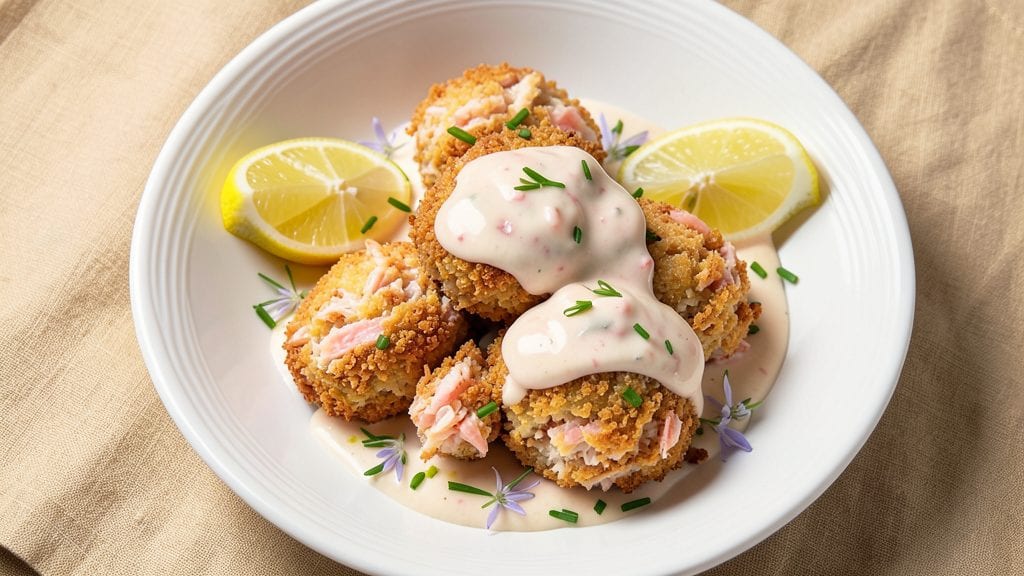
This copycat crab cake recipe delivers the same crispy-golden perfection you'd find at high-end seafood spots—right in your own kitchen. After testing countless variations, I’ve perfected a method that mimics the legendary texture and flavor of Shake Shack’s signature crab cakes, using simple techniques and quality ingredients.
The secret lies in properly preparing the crabmeat and binding it just right to ensure those coveted crispy edges and tender centers.
The recipe begins with fresh lump crabmeat, which must be patted completely dry to avoid soggy cakes. Combined with a mix of breadcrumbs, egg, and aromatic herbs, the batter is chilled before cooking to lock in moisture and structure.
Whether you prefer baking or pan-frying, the result is consistently crispy, golden bites that hold their shape and deliver that satisfying crunch with every bite.
Pair these crab cakes with a tangy zesty mayo or classic tartar sauce for the full experience. The bright, creamy contrast cuts through the richness of the crab, creating a balance that’s both indulgent and refreshing.
This recipe is designed to impress—whether you’re serving them as an appetizer at a dinner party or enjoying them as a weekend brunch centerpiece.
For those who want to elevate their technique further, I’ll share pro tips on achieving that perfect sear and avoiding common pitfalls. With just a few simple adjustments, you’ll be serving restaurant-quality crab cakes that taste like they came from a seafood shack.
Let’s get started on creating these crispy-golden bites that everyone will rave about.
Ingredients for copycat crab cake
Restaurant-quality crab cakes start with these simple, high-quality ingredients for perfect texture and flavor.
| Ingredient | Amount | Notes |
|---|---|---|
| Fresh Lump Crabmeat 🦀 | 3 lb | Patted completely dry, no added liquid |
| All-Purpose Breadcrumbs 🍞 | 2 ½ cups | Panko for extra crispiness |
| Large Eggs 🥚 | 4 whole | Room temperature for binding |
| Mayonnaise 🧈 | ¾ cup | High-quality, no added sugar |
| Fresh Lemon Juice 🍋 | ¼ cup | Freshly squeezed for tanginess |
| Fresh Chives 🌿 | ¼ cup | Chopped, for garnish |
| Dijon Mustard 🍯 | 2 tbsp | For depth of flavor |
| Old Bay Seasoning 🧂 | 1 ½ tbsp | Essential for Shake Shack flavor |
| Kosher Salt 🧂 | 1 ½ tsp | For precise seasoning |
| Freshly Ground Black Pepper 🌶️ | ¾ tsp | Freshly ground preferred |
| Extra-Virgin Olive Oil 🫒 | ½ cup | For pan-frying, high smoke point |
| Unsalted Butter 🧈 | ¼ cup | For basting, melted |
| Worcestershire Sauce 🍶 | 1 tbsp | For umami depth |
| Fresh Parsley 🌿 | 0.1 cup | Chopped, for garnish |
The crabmeat quality makes all the difference—fresh lump crabmeat is non-negotiable for that authentic Shake Shack texture. Look for premium brands like Blue Ridge Crab or local seafood markets that sell by the pound. It should be firm, moist, and free of added liquid—pat it extremely dry with paper towels to avoid soggy cakes. Old Bay seasoning is the star here—use the real stuff from the spice aisle, not the pre-mixed packets. A little goes a long way, so measure carefully with a small spoon for precision.
No fresh crabmeat? Premium canned crab like Chatham works in a pinch, but drain it thoroughly and pat it dry. Panko breadcrumbs create that coveted crispiness—regular breadcrumbs will make soggy cakes. Want to stretch the recipe? Add finely diced celery or bell pepper for extra texture. Short on Old Bay? Mix equal parts garlic powder, paprika, and cayenne for a close substitute. The mayo should be high-quality, no-sugar-added—Hellmann’s or Duke’s are reliable choices that won’t overpower the crab flavor.
Crab cakes are best made a day ahead—they hold up better and develop deeper flavor. Store batter in the fridge for up to 24 hours before cooking. For pan-frying, use a heavy-bottomed skillet and keep the heat medium-low to avoid burning. The cakes should be golden brown and crispy on the outside but still tender inside. Baste with melted butter during the last minute of cooking for extra richness. Leftovers keep for 3-4 days in the fridge or freeze for up to 3 months—just reheat in a skillet to restore crispiness.
Why You'll Love This Recipe
- No Fuss Assembly: Honestly, this isn’t one of those recipes where you’ll spend 30 minutes chopping. Just pat that 3 lb fresh lump crabmeat dry (no liquid, no excuses), toss it with 2½ cups breadcrumbs, and fold in the wet mix with your hands—no fancy tools. The Old Bay seasoning and Dijon mustard do all the heavy lifting for flavor while you relax.
- Crispy-Creamy Perfection: That crispy edge with the creamy center? Chef’s kiss. The ½ cup olive oil and ¼ cup butter combo gives you that golden-brown crust, while the ¼ cup mayonnaise and fresh lemon juice keep it moist inside. Plus, the Worcestershire sauce drizzle at the end? Game-changer. It’s like eating a restaurant’s secret.
- Weeknight Crowd-Pleaser: I make these when I’m hosting last-minute or craving seafood without the fuss. The 12 equal patties feed a crowd, and they’re just as good cold the next day (reheat in the pan for that crisp). Even my picky eaters devour them—especially with the tartar sauce on the side.
- Make-Ahead Magic: This is the only crab cake recipe I trust for leftovers. The batter keeps in the fridge for 24 hours, and the finished cakes last 3-4 days—or freeze for 3 months. Just pop them in the skillet when you’re ready, and boom: restaurant-quality without the wait.
Step-by-step instructions for copycat crab cakes
Here's the method that delivers restaurant-quality crab cakes with perfect texture and flavor every time.
Prepare the Crab Cake Mixture
In a large mixing bowl, gently combine the 3 lb fresh lump crabmeat with the 2½ cups all-purpose breadcrumbs. Be careful not to overmix—just enough to distribute the breadcrumbs evenly through the crab. The crab should remain mostly intact with just a light coating of breadcrumbs.
In a separate bowl, whisk together the 4 large eggs, ¾ cup mayonnaise, ¼ cup fresh lemon juice, 2 tbsp Dijon mustard, 1½ tbsp Old Bay seasoning, 1½ tsp kosher salt, and ¾ tsp freshly ground black pepper. This creates the flavorful binder that will hold everything together. Pour the wet mixture over the crab and breadcrumbs, then gently fold everything together using a rubber spatula. The mixture should be moist but not soupy—if it feels too wet, add an additional ¼ cup breadcrumbs to absorb excess liquid.
Fold in the ¼ cup fresh chives and 0.1 cup fresh parsley, reserving a small amount for garnish later. The herbs will add freshness and color to the finished crab cakes. Cover the bowl and refrigerate for 30 minutes to allow the flavors to meld and the mixture to firm up slightly.
Form and Chill the Crab Cakes
Using your hands, carefully shape the chilled mixture into 12 equal-sized patties, each about ½-inch thick. I like to use a scale for accuracy—each crab cake should weigh approximately 4 ounces. Wet your hands slightly with water to prevent sticking, and press gently but firmly to create smooth, round patties with slightly tapered edges. This shape ensures even cooking and a better sear.
Place the formed crab cakes on a parchment-lined baking sheet and refrigerate for an additional 20 minutes. This final chilling step is crucial—it helps the crab cakes hold their shape during frying and prevents them from falling apart. If you're not frying them immediately, you can cover them with plastic wrap and refrigerate for up to 4 hours.
Fry to Golden Perfection
Heat ½ cup extra-virgin olive oil and ¼ cup unsalted butter in a large skillet over medium heat until the butter melts and the mixture reaches 350°F—you'll see small bubbles forming around the edges. The oil should shimmer but not smoke excessively. This combination of oil and butter creates the ideal balance of crispiness and richness.
Working in batches to avoid overcrowding, carefully place 4 crab cakes in the skillet, leaving about ½ inch of space between each. Cook undisturbed for 3-4 minutes until the bottoms are golden brown and crispy. You'll see the edges start to turn a deep golden color—that's your signal to flip. Press down gently on each crab cake during the first minute to prevent curling, which ensures even contact with the pan.
Flip the crab cakes and cook for another 3-4 minutes on the second side until golden brown and crispy. Transfer the cooked crab cakes to a paper towel-lined plate to drain excess oil. Repeat with the remaining batches, maintaining the 350°F oil temperature between batches. If the oil temperature drops below 340°F, let it reheat before adding more crab cakes.
Assemble and Serve with Zesty Mayo
In a small bowl, mix together 1 tbsp Worcestershire sauce with the remaining ¼ cup fresh chives and 0.1 cup fresh parsley (reserved earlier). This mixture adds a bright, herby finish to the crab cakes. Drizzle this preparation over the top of each crab cake just before serving.
Serve the crab cakes immediately while they're still crispy and warm. The golden-brown exterior should contrast beautifully with the tender, flavorful interior. Pair them with lemon wedges for squeezing and a side of tartar sauce or remoulade for dipping. Each bite should deliver that perfect balance of crispy crust, juicy crab, and zesty mayo—just like the original.
Pro Tips For Making Copycat Crab Cake
- Dry the Crab Like Your Life Depends on It: I learned this the hard way—skipping the "patted completely dry" step means soggy, greasy crab cakes that fall apart when frying. Use paper towels and press hard on every lump of crabmeat until they’re bone-dry. No shortcuts here; this is the thing that matters most for that perfect crispy crust.
- Press Down Early to Avoid Curling: The first minute in the pan is critical—if you don’t press down gently on those crab cakes, they’ll curl into little boats. Use a fish press or even a spatula to flatten them while cooking, or they’ll trap steam and turn out uneven. (Yes, even if you shaped them perfectly earlier.)
- Use Panko for That Restaurant Crunch: The recipe says "all-purpose breadcrumbs," but swap in Panko for extra crispiness—it’s worth it. The flakes hold their shape better and give you that satisfying crunch. Just don’t skip the extra ¼ cup if your mixture feels too wet; trust the recipe on this one.
- Maintain 350°F Like a Pro: Oil below 340°F and your crab cakes will steam instead of sear. Use an instant-read thermometer to check between batches—if the temperature drops, let it reheat fully before adding more. I know, I know, it’s annoying, but it guarantees that golden crust every time.
Dietary considerations for copycat crab cake
Gluten-Free Adaptation
The classic crab cake recipe calls for breadcrumbs, but you can easily swap them for a gluten-free alternative. I use 1½ cups gluten-free breadcrumbs or 1 cup crushed gluten-free cornflakes for that same crispy texture.
Just be sure to pat the crabmeat extra dry—gluten-free batters can absorb moisture differently. The result is just as crispy, with the same juicy center. 🥖
Dairy-Free Option
This recipe already skips butter in the frying process, but if you want to avoid all dairy, simply use 100% vegetable oil instead of the butter-oil blend.
For the mayo binder, opt for a dairy-free mayo like Hellmann’s Dairy-Free or homemade avocado mayo. The flavor remains rich and creamy without any dairy components. 🥑
Lower-Sodium Adjustments
Old Bay seasoning contains salt, so if you're watching sodium intake, reduce it to 1 tsp and add ½ tsp extra lemon juice for brightness. Also, use low-sodium mayo and unsalted butter to cut back on excess sodium.
Taste as you go—you can always add more salt, but you can't take it out! 💧
Allergen-Free Considerations
To make these crab cakes nut-free, ensure all ingredients—especially mayo and Worcestershire sauce—are certified nut-free. For egg-free, use 3 tbsp ground flaxseed mixed with 9 tbsp water as an egg substitute in the binder. The texture will be slightly different but still delicious! 🌱
Fish-Free Alternative
Not a fan of crab? Swap the lump crabmeat for 3 lbs firm white fish like cod or tilapia, diced into small pieces. Use the exact same batter recipe—the fish will absorb the flavors beautifully. This version works great for those avoiding shellfish allergies or just wanting variety. 🐟
Nutrition facts
Frequently asked questions
Why does the recipe call for patting the crabmeat so dry?
Patting the 3 lb fresh lump crabmeat completely dry is critical to avoid soggy crab cakes. Excess moisture causes the breadcrumbs to steam instead of crisp up, ruining the texture. Use paper towels and squeeze gently to remove all liquid—this step ensures that crispy exterior you crave!
Can I make these crab cakes ahead of time?
The batter keeps well in the fridge for up to 24 hours, and formed crab cakes can chill for 4 hours before cooking. For best results, refrigerate them on a parchment-lined tray. When ready to cook, let them sit at room temperature for 10-15 minutes before frying for even cooking.
What if my crab cakes fall apart when frying?
This usually happens if the mixture wasn't chilled long enough or if you overmixed it. Always refrigerate the batter for 30 minutes and the formed cakes for 20 minutes before cooking. Also, avoid pressing too hard when shaping—gentle handling prevents crumbling. If needed, add ¼ cup more breadcrumbs to dry out the mixture slightly.
Is there a way to bake these instead of frying?
While frying gives the best crispiness, you can bake them for a lighter option. Preheat oven to 400°F, place cakes on a lined tray, and bake for 15-18 minutes until golden. Brush with melted butter halfway through for extra richness. The texture will be slightly less crisp but still delicious!