
Desserts
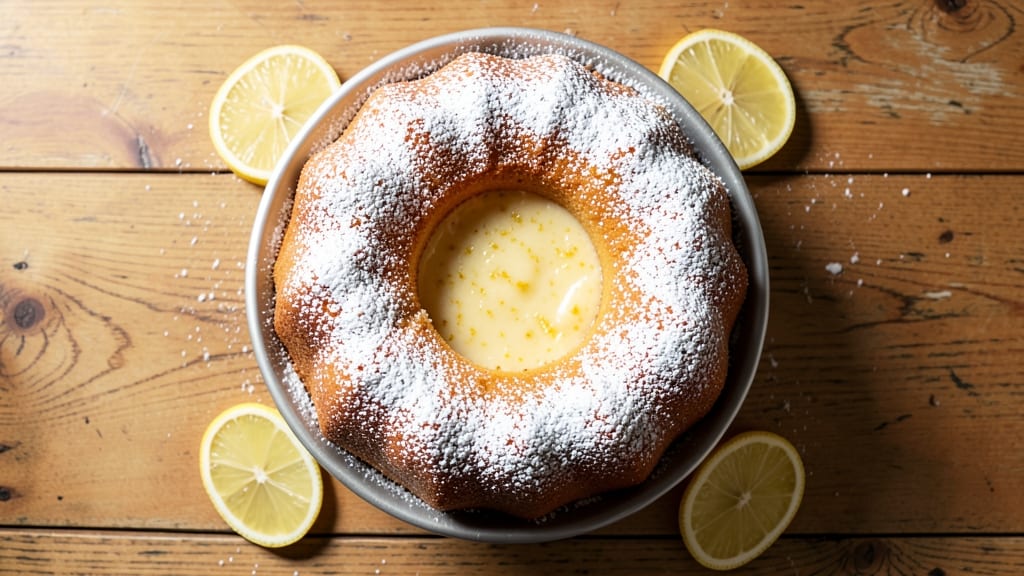
This Duncan Hines lemon pudding bundt cake delivers the perfect balance of tangy cream center and buttery crisp edges—just like the classic box mix, but elevated with professional techniques.
The secret lies in combining the familiar comfort of Duncan Hines pudding mix with a precise baking method that ensures a moist, tender crumb and golden-brown exterior every time.
I developed this recipe after years of perfecting bundt cakes, and it never fails to impress even the most skeptical dessert lovers.
The recipe uses simple pantry staples—flour, butter, sugar, and of course the iconic Duncan Hines lemon pudding mix—to create a dessert that's both nostalgic and refined. Baking at 350°F for about 50-60 minutes yields a cake with a crisp shell and a velvety center that stays perfectly set.
The bundt pan's distinctive shape adds an elegant touch, making this cake ideal for special occasions or as a showstopping centerpiece.
What makes this recipe truly special is the tangy lemon flavor that shines through without overpowering the delicate sweetness of the cake. The edges develop a satisfying crunch, while the interior remains soft and moist—just like a classic lemon pudding, but in cake form.
This dessert pairs beautifully with vanilla ice cream or fresh berries, creating a harmonious balance of flavors that's impossible to resist.
Whether you're baking for a holiday gathering or simply craving a comforting dessert, this Duncan Hines lemon pudding bundt cake delivers professional results with minimal effort. The recipe includes optional frosting variations and troubleshooting tips to ensure success, making it accessible for bakers of all skill levels.
Let's get started on creating this timeless treat!
Ingredients for duncan hines lemon pudding bundt cake
Pantry staples meet nostalgic dessert magic—just thirteen ingredients transform into this iconic bundt cake.
| Ingredient | Amount | Notes |
|---|---|---|
| Duncan Hines Lemon Pudding Mix 🍋 | 1 box | Original flavor, not low-fat |
| All-Purpose Flour 🌾 | 1 ½ cups | Sifted for even texture |
| Unsalted Butter 🧈 | 1 cup | Cold, cubed for crisp edges |
| Granulated Sugar 🍚 | 1 ½ cups | Superfine preferred for smoothness |
| Large Eggs 🥚 | 3 whole | Room temperature |
| Milk 🥛 | 1 cup | Whole for richness |
| Vegetable Oil 🫒 | ¼ cup | For greasing bundt pan |
| Baking Powder 🍞 | 2 tsp | Aluminum-free preferred |
| Salt 🧂 | ½ tsp | Kosher or sea salt |
| Vanilla Ice Cream 🍦 | 2 cups | For serving, optional |
| Fresh Blueberries 🫐 | 1 cup | For garnish, optional |
| Powdered Sugar 🍚 | ½ cup | For dusting, optional |
| Lemon Zest 🍋 | 1 tbsp | Freshly grated for brightness |
The Duncan Hines lemon pudding mix is the heart of this recipe—always use the original flavor, not the low-fat or instant versions. For the butter, cold cubed pieces create those coveted crisp edges while the center stays moist. The bundt pan matters too: nonstick or well-seasoned pans work best, and greasing with oil plus flour ensures easy release. I prefer Wilton bundt pans for their even heat distribution, but any quality brand will do. Fresh lemon zest adds that professional touch—avoid bottled zest, which lacks the bright, citrusy punch of freshly grated.
No vanilla ice cream? Cream cheese frosting or whipped cream works just as well for serving. For the blueberries, frozen works in a pinch, but fresh ones (tossed in a little flour to prevent sinking) give that restaurant-quality look. The powdered sugar is optional but adds that final elegant touch—sifted over the top right before serving. Substituting milk? Heavy cream or buttermilk both work, but whole milk keeps the texture most authentic. The eggs should be at room temperature—cold eggs can cause cracks in the cake. For a richer flavor, consider adding an extra tablespoon of lemon zest, but don't exceed the amount or the cake may become too dense.
This cake keeps beautifully—covered at room temperature for 2 days or wrapped tightly in the fridge for up to 5 days. The bundt pan makes individual portions perfect for serving, but I always bake an extra one to freeze. Slice and freeze portions on parchment for quick desserts later. For reheating, a quick 10-second zap in the microwave restores the moist texture. The lemon flavor intensifies slightly overnight, making it even more delicious the next day—worth the wait if you're baking ahead for a gathering.
Why You'll Love This Recipe
- No-Fuss Magic: I mix the dry ingredients, crack the eggs, and boom—this cake comes together in under 20 minutes of active time. The Duncan Hines Lemon Pudding Mix does half the work, so I’m not standing over the stove for hours. That butter-oil trick? Pure genius for crisp edges without fuss.
- Bright & Creamy Bliss: The lemon zest pops with every bite, but the real star is that creamy ice cream center. It’s like a lemon pudding and cake had a baby, and it’s ridiculously good. The blueberries add a juicy surprise, too—no artificial flavors, just real, tangy happiness.
- Crowd-Pleaser Always: This cake doesn’t care if it’s a brunch, a potluck, or just me craving dessert at 10 p.m. It’s the kind of thing that disappears fast—even picky eaters go for the bright lemon flavor. And the powdered sugar finish? Instantly makes it look special, no extra effort.
- Leftovers? No Problem: I always make this extra because it keeps like a dream for days. Slice it up, wrap it tight, and it’s still moist and delicious five days later. My secret? The whole milk and cold butter keep it rich, so no dry cake here—just pure, reliable satisfaction.
Step-by-step instructions for lemon pudding bundt cake
This method delivers a perfectly balanced bundt cake with a moist center and crisp edges.
Prepare the Pudding Batter
In a large mixing bowl, combine the 1 box Duncan Hines Lemon Pudding Mix, 1½ cups granulated sugar, 1½ cups all-purpose flour, 2 teaspoons baking powder, and ½ teaspoon salt. Whisk until all dry ingredients are evenly distributed and no lumps remain.
Create a well in the center and add the 3 large eggs, 1 cup milk, and 1 tablespoon lemon zest. Using a hand mixer or electric whisk, beat on medium speed for 2-3 minutes until the batter is smooth and fully combined. The mixture should be thick but pourable—this consistency ensures the cake rises properly without being dense.
In a separate small bowl, melt the 1 cup unsalted butter in ¼ cup vegetable oil over low heat until fully liquid. Let it cool slightly, then stir this butter-oil mixture into the pudding batter until fully incorporated. This step adds richness and helps create those coveted crisp edges. The batter should now be silky smooth with a bright lemon aroma.
Assemble the Bundt Cake
Preheat your oven to 350°F and generously grease a 10-cup bundt pan with vegetable oil or butter, ensuring every crevice is coated. This prevents sticking and creates the signature crisp exterior. Dust the pan lightly with all-purpose flour, tapping out any excess—this creates a nonstick barrier while allowing for some browning.
Pour half of the prepared batter into the bundt pan, spreading it evenly to the edges. In a separate bowl, gently fold the 1 cup fresh blueberries into the remaining batter until evenly distributed. Pour this blueberry-infused batter over the first layer, creating a marbled effect. The berries will add bursts of flavor and visual appeal throughout the cake.
Bake for 50-55 minutes until a toothpick inserted into the center comes out clean. The cake should be golden brown at the edges but still slightly springy in the center—this indicates proper doneness. If the top browns too quickly, tent loosely with aluminum foil after 30 minutes to prevent over-browning while allowing the center to cook through.
Create the Cream Center and Finish
While the cake bakes, prepare the 2 cups vanilla ice cream by spreading it evenly on a parchment-lined baking sheet. Freeze until firm, about 30 minutes. This creates a solid base for the cake's signature cream center.
Once the cake is done, remove it from the oven and let it cool in the pan for 10 minutes. Then carefully invert the cake onto a wire rack or serving plate. Using a serrated knife, cut a 1-inch deep well in the center of the cake, creating a ring shape. This well will hold our ice cream filling.
Quickly transfer the frozen ice cream to the center well, pressing gently to adhere. Dust the entire cake with ½ cup powdered sugar using a fine-mesh sieve for an elegant finish. Serve immediately while the ice cream is still cold—this ensures the creamy center stays intact and the cake maintains its perfect balance of textures.
Pro Tips For Making Duncan Hines Lemon Pudding Bundt Cake
- Chill the Butter First: Cube that 1 cup unsalted butter and stick it in the fridge for 30 minutes before melting it with the vegetable oil. Cold butter melts slower, giving you time to cool the mixture just enough to avoid scrambling the eggs when you stir it in—no more grainy surprises in your batter.
- Sift That Flour: Skip the sifting, and you’ll regret it when your cake turns out dense or uneven. The 1½ cups all-purpose flour needs to be sifted with the baking powder and salt first—this lightens the texture and prevents lumps that’ll make your bundt cake look (and taste) like it’s fighting gravity.
- Don’t Rush the Ice Cream: Spread that 2 cups vanilla ice cream on the tray and freeze it for the full 30 minutes—no cutting corners. If it’s still soft when you try to press it into the cake’s center, it’ll melt into a sad puddle instead of staying creamy and proud. Trust the process.
- Test the Toothpick Right: The cake’s done when that toothpick comes out clean but the center still has a slight spring to it. Overbaking turns your crisp edges into dry cardboard, and no one wants that. If it’s golden at 30 minutes, tent it with foil—your future self will thank you.
Troubleshooting this dish
Cake Too Dense?
If your cake turns out dense instead of light and fluffy, it’s often due to overmixing the batter or using cold eggs. Whisk the dry ingredients just until combined—no more than 30 seconds—to avoid developing gluten.
Let your 3 large eggs sit at room temperature for at least 30 minutes before mixing. Cold eggs can cause the batter to thicken too quickly, making the cake heavy. Also, ensure your 1 cup milk is warm but not hot—this helps activate the baking powder properly. 💡
Cracks in the Top?
Cracks usually appear when the cake bakes too quickly or the oven is too hot. If your oven runs hot, reduce the temperature by 25°F to 325°F and tent the pan with foil after 20 minutes.
Avoid opening the oven door during the first 30 minutes of baking, as this causes temperature fluctuations. If cracks still form, try brushing the top of the batter with a thin layer of egg white before baking for a smoother finish.
Sticking to the Pan?
A bundt cake that refuses to release is usually a greasing issue. Double-check that every crevice of your 10-cup bundt pan is coated with ¼ cup vegetable oil and dusted with flour.
For extra insurance, use coconut oil instead of vegetable oil—it creates a nonstick barrier that’s harder to mess up. If the cake still sticks, run a thin knife around the edges before inverting, and gently tap the pan on the counter to loosen it.
Blueberries Sink?
Fold the 1 cup fresh blueberries into the batter gently but thoroughly—overmixing can release their juices, which weigh down the batter. For extra stability, toss the blueberries in 1 tablespoon flour before folding them in.
If you’re using frozen blueberries, thaw and pat them dry first to prevent excess moisture from making the cake soggy. This small step makes a big difference in texture!
Cream Center Melts?
The ice cream filling melts too fast because the cake isn’t cool enough before assembly. Let the cake cool in the pan for at least 10 minutes after baking, then transfer it to a wire rack for another 15 minutes before cutting the well.
Freeze the 2 cups vanilla ice cream for 30 minutes on a parchment-lined tray to firm it up—this ensures it stays intact when pressed into the cake. Serve immediately to enjoy the perfect balance of textures! ✨
Nutrition facts
Frequently asked questions
Why does this bundt cake have a crisp exterior?
The secret lies in using cold cubed butter mixed into the batter and properly greasing the bundt pan with ¼ cup vegetable oil and flour. This creates that signature crisp shell while keeping the center moist. The butter's fat content caramelizes during baking, giving you that perfect texture contrast!
Can I substitute almond milk for regular milk?
Yes, you can use almond milk, but the texture will be slightly lighter. For best results, use whole milk as specified—the fat content helps create that rich, creamy flavor. If using almond milk, add an extra ½ teaspoon of salt to balance the flavor since plant-based milks often taste less rich.
How do I prevent the cake from cracking?
Cracks often happen when the cake bakes too quickly. To avoid this, reduce oven temperature by 25°F to 325°F if your oven runs hot, and tent the pan with foil after 20 minutes. Also, avoid opening the oven door during the first 30 minutes of baking—this keeps the heat consistent and prevents sudden temperature drops.
What if my blueberries sink to the bottom?
Toss the 1 cup fresh blueberries in 1 tablespoon flour before folding them into the batter. This creates a light coating that prevents them from sinking. If using frozen blueberries, thaw and pat them dry first to avoid making the cake soggy—this small step makes a big difference in texture!
Can I make this cake ahead of time?
This cake keeps beautifully—covered at room temperature for 2 days or wrapped tightly in the fridge for up to 5 days. For best results, freeze individual slices on parchment paper, then transfer to a bag. Reheat for 10 seconds in the microwave to restore that moist texture.