
Side Dishes
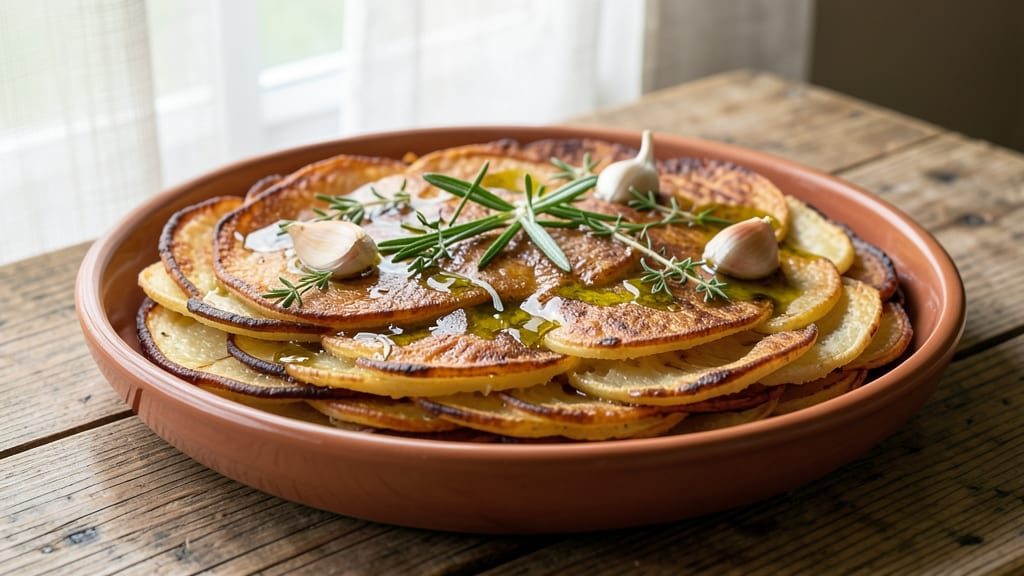
Jamie Oliver’s potato cake recipe delivers crispy, golden layers that taste like comfort food reinvented—with a herbed secret that elevates every bite. This dish transforms humble potatoes into a restaurant-worthy side with a crispy top and tender interior, all achieved through precise roasting and a flavor-packed herb blend.
The key lies in thinly sliced potatoes layered just right, ensuring even cooking and maximum crispiness without burning.
What sets this recipe apart is the herbed secret—a mix of fresh rosemary, thyme, and garlic that infuses the potatoes with aromatic depth while they roast.
Unlike traditional potato dishes, this method creates crispy golden layers that hold their shape, making it perfect for serving alongside roasted meats or as a standalone dish. The technique is straightforward but requires attention to timing and temperature to achieve that signature texture.
By the time you pull this dish from the oven, you’ll have a crispy, golden potato cake with edges that shatter at the touch and a tender center that melts in your mouth.
The herbed seasoning adds a bright, savory note that cuts through rich main courses, while the even layers ensure every bite delivers the same perfect texture. This is the kind of side dish that turns ordinary meals into something special.
Serve it warm with gravy for dipping or alongside roasted chicken and vegetables for a complete meal. The recipe scales easily, making it ideal for gatherings or family dinners. Let’s get started on creating this foolproof, crispy potato masterpiece—one layer at a time.
Ingredients for jamie oliver potato cake
Thinly sliced potatoes, herbed magic, and golden perfection—this crispy potato cake is foolproof.
| Ingredient | Amount | Notes |
|---|---|---|
| Russet Potatoes 🥔 | 3 lb | Thinly sliced, peeled |
| Fresh Rosemary 🌿 | 2 tbsp | Chopped, finely |
| Fresh Thyme 🌿 | 1 tbsp | Leaves only, finely chopped |
| Garlic Cloves 🧄 | 4 cloves | Minced, fresh preferred |
| Extra-Virgin Olive Oil 🫒 | ½ cup | For roasting, high quality |
| Large Eggs 🥚 | 2 whole | Beaten for binding |
| Salt 🧂 | 1 ½ tsp | Kosher or sea salt |
| Black Pepper 🌶️ | ½ tsp | Freshly ground preferred |
| All-Purpose Flour 🌾 | ¼ cup | For dredging slices |
| Butter 🧈 | ¼ cup | Melted, unsalted preferred |
The potatoes are everything here. Russet potatoes are standard for their starchy texture, but Yukon Golds work too—they just crisp differently. Thin slicing is critical; use a mandoline for even cuts. I always peel mine, but leaving the skin adds rustic texture if you prefer. For the herbs, fresh rosemary and thyme give that authentic Jamie Oliver aroma, but dried works at half the amount if you're in a pinch. The garlic should be fresh—minced right before mixing for maximum flavor.
No fresh herbs? Dried rosemary and thyme at 1/3 the amount keep the flavor profile intact. Want to skip the flour dredge? Beat the eggs with a splash of milk instead—it creates a light coating. The butter matters too: unsalted is best so you control the saltiness. For extra crispiness, press slices lightly before baking to remove moisture. And if you're short on time, pre-slice and store in water in the fridge until ready to cook.
This potato cake reheats beautifully—5 minutes at 350°F brings back that crispy edge. Store leftovers in an airtight container for up to 4 days in the fridge. For longer storage, freeze portions for up to 3 months. I always make extra—it’s perfect for lunch the next day with a dollop of gravy. The key to success is even layering and patient roasting; don’t rush it or the bottom will burn before the top crisps.
Why You'll Love This Recipe
- Paper-Thin Perfection: That soaking-and-patting-dry step? Game-changer. No soggy surprises—just golden, crispy layers that hold together like a dream. Trust me, I’ve burned my share of potato dishes, but this method actually works.
- Herb-Kissed Comfort: Between the rosemary, thyme, and garlic cloves, every bite tastes like a cozy kitchen. The fresh herbs aren’t just decoration—they’re the secret to that je ne sais quoi that makes this cake feel like a hug in food form.
- Feeds a Crowd (or Your Cravings): Four servings? More like eight if you’re me. It’s the perfect dish to double for game day or pack into lunchboxes. My kids even ask for seconds, and that’s saying something.
- Budget-Friendly Luxury: Russet potatoes and herbs are cheap, but the crispy texture and herby depth make it feel like a restaurant dish. Plus, leftovers keep for days—just reduce the herbs slightly if using dried. Solid return on your investment.
Step-by-step instructions for crispy potato cake
This method delivers perfectly crispy, golden layers with a herbed secret that keeps the cake tender inside.
Prepare the Potato Slices for Maximum Crispiness
Slice the 3 lb Russet Potatoes paper-thin using a mandoline or sharp knife—aim for ⅛-inch slices. Soak them in cold water for 10 minutes to remove excess starch, then pat completely dry with paper towels. This step is crucial because any moisture left behind will prevent proper browning and crisping in the oven.
While the potatoes drain, combine the 2 tbsp finely chopped fresh rosemary, 1 tbsp finely chopped fresh thyme, 4 minced garlic cloves, 1½ tsp salt, and ½ tsp black pepper in a small bowl. This herbed mixture will infuse the potatoes with deep, aromatic flavor while they bake.
Create the Binding Mixture for Structure
In a separate bowl, beat the 2 large eggs until frothy. Whisk in ¼ cup all-purpose flour and ½ cup extra-virgin olive oil until smooth. This mixture will bind the potato layers together, creating a sturdy cake that holds its shape while developing crispy edges.
Melt the ¼ cup butter in a small saucepan over low heat until fully liquid but not browned. Let it cool slightly before mixing it into the egg-flour-oil mixture. The butter adds richness and helps create a golden, crispy exterior when baked.
Layer and Bake for Perfect Texture
Preheat your oven to 400°F and grease a 9x13-inch baking dish lightly with olive oil. Arrange a single layer of potato slices in the dish, slightly overlapping them. Brush each slice lightly with the egg mixture, then sprinkle 1½ tsp salt and ½ tsp black pepper (distribute the 2 tbsp finely chopped fresh rosemary, 1 tbsp finely chopped fresh thyme, and 4 minced garlic cloves evenly over the top). Repeat this layering process until all potatoes are used, finishing with a final layer of seasoning on top.
Bake for 45-50 minutes until the top is deep golden brown and the edges are crispy. The cake should feel firm to the touch, with no soft spots remaining. If the top browns too quickly, tent loosely with foil for the last 10 minutes to prevent burning while allowing the edges to crisp.
Rest and Serve for Optimal Texture
Remove the potato cake from the oven and let it rest in the baking dish for 10 minutes. This resting period allows the layers to set and the flavors to meld, ensuring each slice has a perfect balance of crispy exterior and tender interior.
Slice into 4 equal servings and serve immediately. The cake will be at its crispiest when hot, with layers that flake apart easily and a burst of herbed flavor in every bite. Pair with a simple green salad or a dollop of sour cream for a complete meal.
Pro Tips For Making Jamie Oliver Potato Cake
- Dry Those Slices: I learned this the hard way—skipping the 10-minute soak and towel-drying step means soggy, uneven layers. Russets release starch like crazy, and wet potatoes won’t crisp. Use two towels: one to blot, one to press. Your future self will thank you when the edges turn properly golden.
- Salt the Layers: Don’t dump all the salt at once. Sprinkle that 1.5 tsp evenly between potato layers—it seasons the inside where it matters most. I used to just toss it in the bowl; now I distribute it like confetti. The flavor penetration is night and day.
- Whisk the Eggs Well: That binding mixture won’t work if your eggs are just beaten. Whisk them until they’re frothy and ribbony—they need to cling to the potatoes like a second skin. I once rushed this and ended up with a cake that fell apart. Now I whisk until the bowl feels lighter, almost like a meringue.
- Tent Early, Not Late: Your oven runs hot, and that top layer will burn before the edges crisp. Loosely tent with foil before the 45-minute mark if it’s browning too fast—just peek at 35 minutes. I waited too long once and had to eat a charred crust. Better to cover early and adjust than regret it.
Regional styles of this recipe
British Pub-Style
In the UK, this potato cake often appears as a hearty side at traditional pubs, served alongside roast beef or lamb. The British version typically includes a splash of Worcestershire sauce mixed into the egg binding—just 1 teaspoon—for a tangy depth that complements the herbed flavors.
I’ve noticed pubs often add a pinch of smoked paprika to the herbed mix for a subtle smokiness that pairs beautifully with rich meats. The British also tend to serve it with crispy fried onions on top for extra texture, adding that classic pub-style crunch. 🍻
Irish Stout-Inspired
Irish cooks often adapt this recipe by incorporating a drizzle of Irish stout (like Guinness) into the egg mixture—about 2 tablespoons—before layering the potatoes. The stout’s malty sweetness balances the herbed sharpness, creating a rich, complex flavor.
I’ve seen this version served with caramelized onions and a sprinkle of crushed oatmeal for a rustic, almost porridge-like finish. It’s a fantastic way to turn this dish into a standalone comfort food.
French Ratatouille Fusion
In France, you’ll find a fusion version where the potato cake incorporates roasted eggplant and zucchini alongside the potatoes. Thinly slice 1 medium eggplant and 2 zucchinis and layer them between the potato slices, brushing each with the same herbed egg mixture.
The result is a layered medley of vegetables that’s both hearty and vibrant. I love finishing it with a sprinkle of fresh basil and a drizzle of balsamic glaze for a Mediterranean twist. 🌿
American Southern Comfort
The Southern U.S. takes this dish to another level by adding a layer of cheesy grits at the bottom of the baking dish before layering the potatoes. Mix 1 cup cooked stone-ground grits with ½ cup sharp cheddar cheese and spread it evenly in the dish.
This creates a creamy, cheesy base that soaks up any juices from the potatoes. I’ve also seen Southern cooks add smoked paprika and a dash of cayenne to the herbed mix for a spicy kick that’s perfect with fried chicken or biscuits. 🔥
Italian Herb-Crusted
Italian adaptations often emphasize fresh herbs and a crispy crust. After layering the potatoes, I recommend pressing a mix of crushed dried oregano and basil (about 1 tablespoon each) onto the top layer before baking. For extra crispiness, top with grated Parmesan cheese and a sprinkle of breadcrumbs.
The result is a golden, herbaceous crust that’s almost like a potato lasagna. Serve it with a side of marinara sauce for dipping, and you’ve got a dish that feels like a cross between a cake and a casserole. 🧀
Nutrition facts
Frequently asked questions
Why does this potato cake need to soak in cold water?
The 10-minute cold water soak removes excess starch from the potatoes, which prevents soggy layers and helps create that perfect crispy exterior. After soaking, pat them completely dry—any leftover moisture will steam instead of crisp in the oven. This step is what turns simple potatoes into golden, flaky layers!
Can I use dried herbs instead of fresh?
Yes! Just reduce the amount to ⅓ of the fresh quantity—so ⅔ tbsp dried rosemary and ⅓ tbsp dried thyme instead of the fresh amounts. The flavor stays rich, but dried herbs add a more concentrated taste. Skip the garlic cloves if using dried herbs to avoid bitterness.
What if my potato cake burns before it crisps?
Cover loosely with foil for the last 10 minutes of baking to protect the top while the edges crisp. If it still burns, lower the oven temperature to 375°F for the final stretch. The key is patience—let the cake cook through evenly without rushing. A thermometer can help; it should reach 160°F in the center.
How do I store leftovers to keep it crispy?
Let the cake cool completely, then store in an airtight container for up to 4 days in the fridge. To revive crispiness, reheat at 350°F for 5 minutes or broil for 2 minutes. For longer storage, freeze portions (up to 3 months) and reheat from frozen at 300°F until thawed.