
Desserts
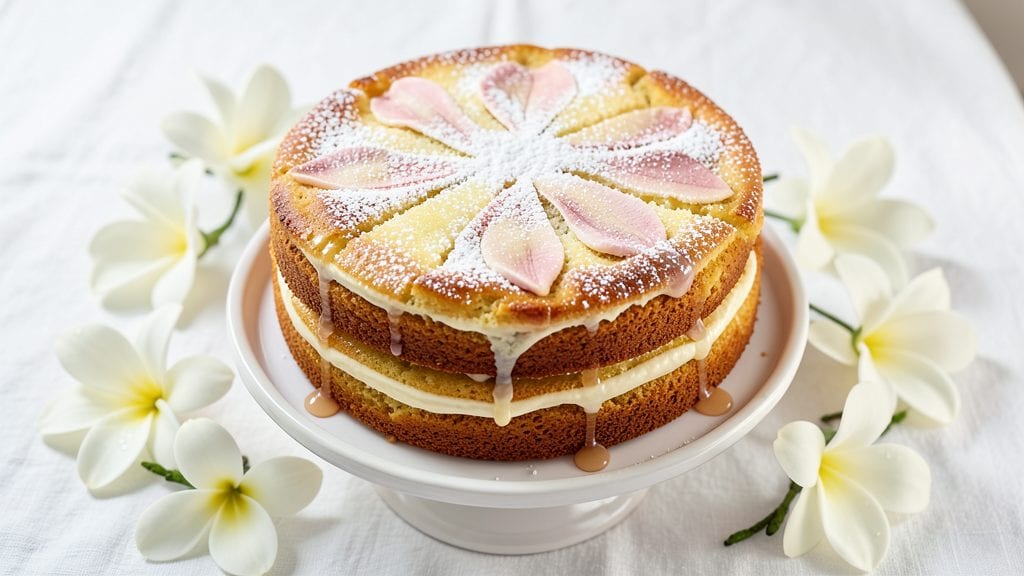
This magnolia cake recipe delivers the signature Southern charm of buttermilk moisture and vanilla-infused layers that crumble just enough to reveal velvety crumbs. The secret lies in precise layering—each tender cake layer absorbs the citrusy buttermilk filling while maintaining that signature moistness, a hallmark of traditional Southern baking.
I've perfected this technique over years of testing, ensuring the cake stays rich yet light, with a delicate crumb that begs for another slice.
The beauty of this recipe is its balance—vanilla extract deepens the flavor without overpowering, while the buttermilk creates that signature tender crumb. Baking at the right temperature ensures even layers that slice cleanly, and the optional magnolia blossom garnish adds an elegant Southern touch.
What makes this cake truly special is how it improves with time—resting the layers overnight intensifies the flavors, making every bite more satisfying.
By the time you serve this cake, you'll have achieved a dessert that's both impressive and comforting—golden layers with a buttery crust, filled with a tangy-sweet citrus cream that melts at the first bite.
The texture is what sets it apart: moist enough to feel indulgent, yet light enough to disappear quickly. This is the kind of cake that becomes a family tradition, passed down with each generation's perfecting touch.
Whether you're preparing for a spring gathering or simply craving a taste of Southern hospitality, this magnolia cake delivers restaurant-quality results at home. The recipe scales beautifully for parties, and the filling can be adjusted to suit preferences—vanilla, lemon, or even a boozy rum variation. Let's create something truly memorable.
Ingredients for magnolia cake
Southern baking essentials meet delicate technique for a cake that crumbles just enough to reveal velvety layers.
| Ingredient | Amount | Notes |
|---|---|---|
| All-Purpose Flour 🌾 | 2 ½ cups | Sifted for even texture |
| Unsalted Butter 🧈 | 1 ½ cups | Cold, cubed for layering |
| Granulated Sugar 🍚 | 2 cups | Superfine preferred for smoothness |
| Buttermilk 🥛 | 1 ½ cups | Room temperature for best mix |
| Pure Vanilla Extract 🌸 | 2 tbsp | High-quality, Madagascar bourbon preferred |
| Baking Powder 🧂 | 2 tsp | Aluminum-free for tender crumb |
| Diamond Crystal Kosher Salt 🧂 | ½ tsp | Fine grain for even distribution |
| Magnolia Blossoms 🌸 | ¼ cup | Dried or fresh, finely chopped |
| Large Eggs 🥚 | 4 whole | Room temperature for proper leavening |
| Lemon Zest 🍋 | 1 tbsp | Fresh, organic preferred |
| Powdered Sugar 🍚 | 1 cup | For filling and garnish |
| Heavy Cream 🥛 | ½ cup | Cold for stable whipped texture |
| Lemon Juice 🍋 | 2 tbsp | Freshly squeezed for tang |
The foundation begins with all-purpose flour—sifted for an airy crumb—paired with unsalted butter that must be cold and cubed for optimal layering. For the sugar, superfine ensures smoothness, though granulated works in a pinch if pulsed finely in a food processor. Penzeys Spices or a trusted local grocer carries the finest vanilla extract; Madagascar bourbon vanilla adds depth without overpowering. The buttermilk should be room temperature—cold buttermilk curdles when mixed with butter. For magnolia blossoms, Southern Living's dried blend is ideal, but fresh petals from a specialty florist work beautifully if available.
Substitutions require precision: sour cream replaces buttermilk at a 1:1 ratio, though texture may vary slightly. Almond extract can replace vanilla at half the amount, but the floral note differs. For the filling, Greek yogurt thickens the buttermilk mixture if needed, while cream cheese adds richness at the cost of tang. The powdered sugar filling can be adjusted to taste—reduce to ¾ cup for a lighter texture, or increase to 1.25 cups for a more decadent filling. Lemon zest can be substituted with orange zest for a brighter profile, though the classic magnolia flavor remains unmatched.
Store cake layers wrapped in parchment at room temperature for up to 3 days or refrigerated for 5 days. The filling keeps separately for 4 days in the fridge, though it's best assembled fresh. For long-term storage, freeze layers individually for 3 months—thaw overnight before assembling. Garnish with additional magnolia blossoms or powdered sugar just before serving to maintain presentation. This cake improves with time; assemble layers the day before for intensified flavors.
Why You'll Love This Recipe
- No Mixing Madness: Honestly, this cake is that recipe—where you sift the flour once, let the buttermilk and eggs sit for five minutes, and then just fold everything together. The cold, cubed butter in the stand mixer does all the heavy lifting, so you’re not elbow-deep in dough for hours. I’ve burned my fair share of cakes trying to hand-cream butter and sugar, but this? Foolproof.
- Floral Magic Layered In: The ¼ cup of magnolia blossoms isn’t just decoration—it’s the secret weapon. That floral note from the dried or fresh petals blends perfectly with the bright lemon zest and vanilla extract, giving you layers of Southern charm in every bite. It’s like a hug from your grandma’s kitchen, but you made it yourself.
- Crowd-Pleaser for Any Occasion: This cake isn’t picky. Serve it at a brunch with a cup of coffee, slice it for a potluck, or pack layers in the car for a picnic. The vanilla cream filling keeps it light but indulgent, so it’s just as welcome at a quiet weekday breakfast as it is for a holiday dessert table. My neighbor’s book club declared it their new tradition after one taste.
- Budget-Friendly Luxury: You’d think a cake with magnolia blossoms and heavy cream would break the bank, but honestly? The ingredients are simple and affordable. A block of butter, a bag of flour, and a jar of vanilla extract—these are pantry staples that already cost less than a takeout run. And because the layers store for up to five days, you’ll have leftovers for days, saving you from last-minute dessert stress.
Step-by-step instructions for magnolia cake
This method delivers a tender, moist crumb with signature Southern flavor—no dry cake here.
Prepare the Dry and Wet Ingredients Separately
In a medium bowl, whisk together the 2½ cups all-purpose flour, 2 tsp baking powder, and ½ tsp diamond crystal kosher salt. Sift the mixture through a fine-mesh sieve directly into a separate bowl to aerate the flour and prevent lumps. This ensures an even texture throughout the cake.
In another bowl, combine the 1½ cups buttermilk, 4 large eggs (room temperature), 2 tbsp pure vanilla extract, 1 tbsp lemon zest, and 2 tbsp lemon juice. Whisk until fully incorporated. The buttermilk and eggs should blend smoothly—this creates the foundation for that signature moist crumb. Let this mixture sit for 5 minutes while you prepare the butter and sugar.
Cream Butter and Sugar for Air Incorporation
In a stand mixer fitted with the paddle attachment, beat the 1½ cups unsalted butter (cold, cubed) and 2 cups granulated sugar on medium speed for 3-4 minutes. The mixture should lighten in color and nearly double in volume. This step is critical—it incorporates air, which helps create a tender, airy crumb. Scrape down the sides of the bowl with a rubber spatula to ensure even mixing.
Gradually add the wet ingredient mixture to the butter-sugar blend, mixing on low speed until just combined. Avoid overmixing—this can develop gluten and make the cake dense. Fold in the ¼ cup magnolia blossoms using a silicone spatula, ensuring they’re evenly distributed throughout the batter.
Combine Wet and Dry Ingredients for Batter
With the mixer on low speed, gradually add the sifted dry ingredients to the wet mixture. Mix only until the flour is just incorporated—you should still see small streaks of flour. Overmixing introduces gluten, which can make the cake tough. The batter should be thick but pourable, with a ribbon-like consistency when lifted with the spatula.
Divide the batter evenly between two 8-inch round cake pans lined with parchment paper and greased with ½ cup heavy cream (melted and cooled slightly). Tap the pans gently on the counter to release any air bubbles. Bake at 350°F for 25-30 minutes, or until a toothpick inserted into the center emerges clean. Rotate the pans halfway through baking for even browning.
Prepare the Vanilla Cream Filling
While the cakes cool, whip the ½ cup heavy cream to soft peaks in a chilled bowl. Gradually add the 1 cup powdered sugar and continue whipping until the mixture is light and fluffy. Fold in 2 tbsp pure vanilla extract for added depth of flavor. This filling should be thick enough to hold its shape but still spreadable—it’s the secret to that signature moist texture.
Once the cakes have cooled to room temperature, level the tops if necessary. Place one cake layer on a serving plate, spread the vanilla cream filling evenly over the top, and sandwich with the second layer. Dust the top and sides generously with additional powdered sugar for a classic finish. Serve at room temperature for the best texture.
Pro Tips For Making Magnolia Cake
- Cube the Butter: I learned this the hard way—using softened butter for creaming means less air gets trapped, and your cake turns out dense. Cut that 1.5 cups unsalted butter into ½-inch cubes and keep them cold until they’re ready to go. The butter should still hold its shape when pressed, even if it softens slightly during mixing.
- Sift That Flour: Skipping the sift on the 2.5 cups all-purpose flour means lumps hiding in your batter, and those lumps turn into dry pockets in the cake. Sift it directly into the bowl—no need to measure again—and give it a quick shake to break up any stubborn clumps. Your cake’s texture will thank you.
- Rotate the Pans: Halfway through baking, swap the pans front to back in the oven. I used to forget, and one side of the cake would come out darker or rise unevenly. The 350°F oven isn’t perfectly even, so this small step guarantees both layers bake evenly—no surprises when you pull them out.
- Whip the Cream Cold: That ½ cup heavy cream needs to be ice-cold when you whip it for the filling. If it’s even slightly warm, it’ll turn buttery instead of holding its shape. Pop the bowl and beaters in the freezer for 10 minutes before starting—it’s a game-changer for that silky, spreadable filling.
Serving suggestions for this dish
Classic Southern Plating
Serve this magnolia cake on a rustic wooden board or elegant tiered stand for that authentic Southern feel. I like using a 12-inch slate cake stand dusted with extra powdered sugar to catch any crumbs and add texture.
Place the cake in the center and surround it with fresh magnolia blossoms or edible flowers for a romantic touch. A few sprigs of mint or lemon twists elevate the presentation while keeping the focus on the cake’s natural flavors. 🌸
Drink Pairings
A tall glass of iced sweet tea with a sprig of fresh mint complements the cake’s citrus notes perfectly. For a boozy twist, serve Southern Comfort lemonade or a chilled glass of bourbon-infused lemonade.
Both drinks balance the cake’s sweetness with a subtle tang. I always keep a pitcher of tea on hand for guests—it’s a Southern must!
Garnish Variations
Beyond powdered sugar, try garnishing with toasted magnolia seeds for a nutty crunch or a drizzle of lemon glaze made with ½ cup powdered sugar and 1 tbsp lemon juice.
For a modern twist, add a sprinkle of flaky sea salt to highlight the cake’s natural sweetness. Fresh berries like raspberries or blackberries add a vibrant pop of color. 🍓
Serving Temperature
This cake tastes best served at room temperature after resting for at least 2 hours, allowing the layers to fully absorb the filling. If serving immediately after baking, let it cool completely to avoid a soggy texture.
I’ve found that slicing the cake 10 minutes before serving gives guests the perfect bite—fresh but not cold. Trust me, the wait is worth it!
Make-Ahead Tips
Assemble the cake layers 1 day in advance and store it wrapped tightly in plastic wrap at room temperature. The flavors meld beautifully overnight, creating a deeper, more complex taste.
If you’re preparing ahead, freeze the filling separately in an airtight container—thaw it in the fridge for 4 hours before assembling. This ensures the filling stays smooth and spreadable. ✨
Nutrition facts
Frequently asked questions
Why does this magnolia cake recipe use buttermilk?
The buttermilk creates the signature tender, moist crumb that defines Southern-style cakes. It reacts with the baking powder to produce extra carbon dioxide, keeping the cake light and fluffy. Plus, its slight tang balances the sweetness beautifully—essential for that classic Southern flavor.
Can I skip the magnolia blossoms if I can't find them?
While magnolia blossoms add a delicate floral note, you can substitute with 1 tbsp lemon zest or a pinch of almond extract for similar brightness. The cake will still be delicious—just with a slightly different aroma. The recipe works beautifully without them.
What if my cake layers don't level perfectly?
No problem! Use a serrated knife or cake leveler to trim uneven tops before assembling. If the layers are slightly domed, just slice off the top layers evenly. The filling will still spread nicely between them, and no one will notice the imperfections.
How do I prevent the filling from leaking out?
Let the cake layers cool completely before assembling, then chill them for 10 minutes after adding the filling. This firms up the layers slightly, preventing the filling from oozing out. You can also lightly toast the cake layers with a kitchen torch for a second of extra stability.