
Appetizers
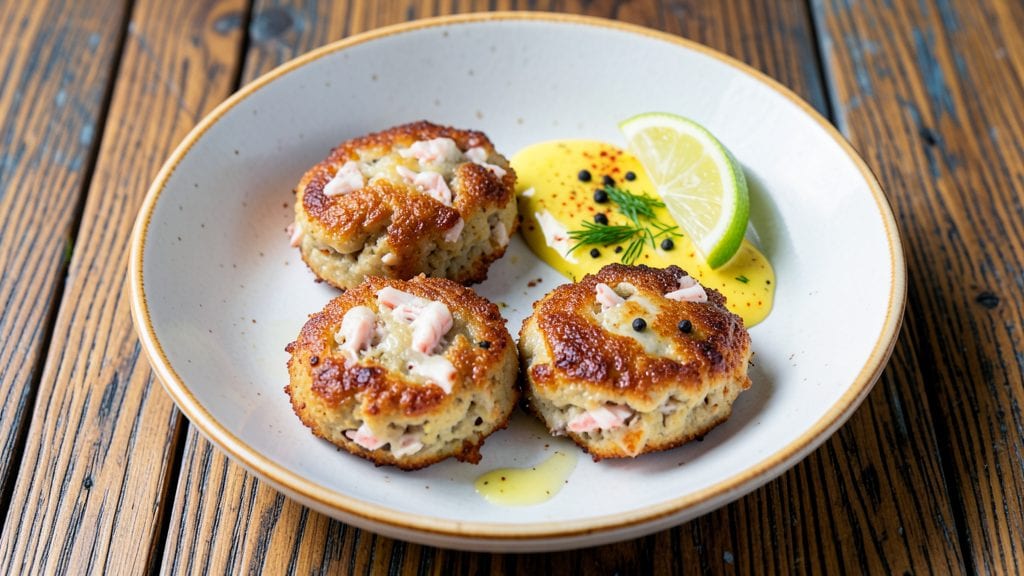
This original Old Bay crab cake recipe delivers the perfect balance of crispy edges and tender centers, all infused with that signature zesty-spiced flavor. The secret lies in using fresh lump crab meat and a precise mix of breadcrumbs, egg, and just the right amount of Old Bay seasoning—no shortcuts here. I've perfected this over countless batches, ensuring every bite stays moist while developing that coveted golden crust.
The beauty of these crab cakes is their versatility—they work equally well when pan-fried or baked, giving you control over texture and cooking time. What sets them apart is the Old Bay seasoning, which adds a bright, aromatic punch that cuts through the richness of the crab.
The recipe also includes a simple tartar sauce pairing that elevates every plate.
By the end, you'll have perfectly shaped crab cakes with crispy exteriors and fluffy interiors, all bursting with Old Bay's signature blend of celery, paprika, and cayenne. The aroma alone will draw everyone to the table, and the first bite delivers that satisfying crunch followed by tender, flavorful crab.
This is the kind of appetizer that turns casual gatherings into memorable meals.
Serve with lemon wedges and tartar sauce for the full experience. Let's get started on these restaurant-quality bites that are surprisingly easy to make at home.
Ingredients for original old bay crab cake
Fresh crab, crispy panko, and Old Bay's signature zing—just the right ingredients for perfect bites.
| Ingredient | Amount | Notes |
|---|---|---|
| Fresh Lump Crab Meat 🦀 | 1 ½ lb | Backfin or jumbo preferred |
| Panko Breadcrumbs 🍞 | ¾ cup | Light and crispy preferred |
| All-Purpose Flour 🌾 | ¼ cup | For extra binding |
| Large Eggs 🥚 | 1 whole | Cold for better binding |
| Old Bay Seasoning 🌶️ | 1 ½ tbsp | Original blend only |
| Mayonnaise 🥛 | 2 tbsp | Full-fat for creaminess |
| Fresh Lemon Juice 🍋 | 1 tbsp | Freshly squeezed |
| Unsalted Butter 🧈 | 2 tbsp | For frying, melted |
| Vegetable Oil 🫒 | ½ cup | High smoke point |
| Fresh Chives 🌿 | 2 tbsp | Chopped for garnish |
| Salt 🧂 | ½ tsp | Kosher or sea salt |
| Black Pepper 🌶️ | ¼ tsp | Freshly ground |
| Lemon Wedges 🍋 | 4 whole | For serving |
| Tartar Sauce 🥛 | ½ cup | Homemade or store-bought |
The crab makes or breaks these. Backfin or jumbo lump gives that premium texture—no imitation crab here. Pick up a pound at Whole Foods or your seafood counter if they have it fresh. If you're using frozen, thaw it overnight in the fridge, not under running water (keeps it from getting waterlogged). The Old Bay is non-negotiable—stick with the original blend—it's got that perfect celery, paprika, and cayenne balance. I always buy a big container since it keeps forever and I use it on everything from grilled chicken to deviled eggs.
No panko? Crushed cornflakes or regular breadcrumbs work in a pinch, but they won't be as crispy. Short on mayo? Greek yogurt at half the amount cuts the fat but keeps the creaminess. The lemon juice can be bottled, but fresh is brighter. For the tartar sauce, Hellmann's or Duke's are solid shortcuts, but homemade (mayo + capers + pickles + lemon) takes it to the next level. Pro tip: mix the crab with the mayo and lemon first—it keeps everything moist while the Old Bay gets distributed evenly. And don't skip the chives on top—they add that fresh pop that makes it feel restaurant-quality.
Crab cakes are best made fresh, but you can shape them ahead and refrigerate for up to 24 hours before cooking. The tartar sauce keeps for 1 week in the fridge, and the Old Bay? Forever if sealed tight. I like to make a double batch and freeze half—just thaw in the fridge overnight before frying. The leftovers? They reheat surprisingly well—350°F for 10 minutes in the oven keeps them crispy. Serve with lemon wedges on the side so everyone can squeeze their own.
Why You'll Love This Recipe
- No-Fuss Binding: I’ll never forget the day I realized cold large eggs and fresh lump crab meat actually work together—no fancy gadgets, just a bowl and your hands. The mayonnaise and lemon juice hold everything together so well, even if the first few patties look like a science experiment. Trust me, the chilling step is the secret weapon that makes these hold shape without falling apart.
- Old Bay Overload: Between the 1.5 tbsp Old Bay and that crispy panko crust, these cakes are basically a flavor explosion in every bite. The saltiness of the crab, the tang of the lemon, and that buttery, spiced crust? It’s the kind of dish that makes you want to lick the plate clean. Honestly, it’s the only way I’ll eat crab cakes now.
- Weeknight Hero: Shape them ahead, pop them in the fridge for up to 24 hours, and boom—dinner is ready when you are. No last-minute grocery runs, no complicated prep. Just toss the vegetable oil and butter in the pan, and you’ve got a restaurant-quality meal in under 40 minutes. My kids even help shape them (with supervision), and they still ask for seconds.
- Crispy & Creamy Win: The panko gives that perfect crunch, while the tartar sauce and fresh chives keep things balanced. It’s the kind of dish that’s just as good for a casual weeknight as it is for impressing guests—no stress, no fuss. Plus, the salt and pepper let the Old Bay shine without overpowering. Pure satisfaction.
Step-by-step instructions for original Old Bay crab cakes
Here's how to make restaurant-quality crab cakes with that signature crispy crust and bold Old Bay flavor.
Mix the Wet Ingredients for Perfect Binding
In a medium bowl, combine the 1½ pounds fresh lump crab meat, 2 tablespoons mayonnaise, 1 tablespoon fresh lemon juice, and 1½ tablespoons Old Bay seasoning. Use your hands to gently fold everything together until just mixed—don't overwork it or the crab will turn rubbery. You'll see the mixture hold together when pressed, but still look slightly chunky. This is the base that gives your crab cakes their signature texture and flavor.
Here's the thing—cold ingredients bind better, so if your crab meat feels warm, pop the bowl in the fridge for 10 minutes while you prep the rest. The mayonnaise acts as a natural binder, while the lemon juice brightens the dish and keeps the crab from turning gray. Don't skip this step; it's what makes these crab cakes hold their shape when frying.
Combine Dry Ingredients for Crispy Texture
In a separate bowl, whisk together the ¾ cup panko breadcrumbs, ¼ cup all-purpose flour, ½ teaspoon salt, and ¼ teaspoon black pepper. This dry mix is what creates that golden, shatteringly crisp crust on your crab cakes. I like to use a fork to break up any lumps in the panko—you want an even distribution so every bite has that satisfying crunch.
Now carefully fold the dry mixture into the wet crab mixture using a rubber spatula. Work gently but thoroughly—you're looking for a uniform texture where every spoonful contains both wet and dry ingredients. If the mixture feels too wet, add 1 tablespoon more panko; if it's too dry, add 1 teaspoon more mayonnaise. The perfect consistency should hold together when pressed but still be slightly crumbly. This balance ensures crispy outsides and tender insides.
Shape and Chill for Maximum Crispiness
Divide the mixture into 4 equal portions (about 4 ounces each) and gently form into ½-inch thick patties on a parchment-lined plate. Don't press too hard—just enough to hold their shape. Real talk: your first few might look lopsided, but that's okay. The key is keeping them uniform in thickness so they cook evenly.
Cover the shaped crab cakes with plastic wrap and refrigerate for at least 30 minutes—up to 2 hours if you have time. This chilling step is crucial for two reasons: it firms up the mixture so it holds its shape when frying, and it allows the flavors to meld together. Don't skip this (I learned the hard way)—skipping the chill results in crumbly crab cakes that fall apart when you try to flip them.
Fry to Golden Perfection
Heat ½ cup vegetable oil and 2 tablespoons unsalted butter in a large skillet over medium heat until the butter melts and the oil shimmers—about 3 minutes. You want the temperature around 350°F, hot enough to crisp the crab cakes but not so hot that the butter burns. Here's how to test: if you flick a tiny piece of crab cake mixture into the pan and it sizzles immediately, it's ready.
Carefully add the chilled crab cakes to the pan and cook for 3-4 minutes per side until they're deep golden brown and crispy. Don't crowd the pan—work in batches if needed. I press down gently on each crab cake during the first minute to prevent them from curling (this is where that chilling step pays off). They're done when the edges are crisp and the center feels just firm when you press with a spatula. If they brown too quickly, reduce the heat slightly.
Serve with Classic Garnishes
Transfer the crispy crab cakes to a paper towel-lined plate to drain any excess oil. Immediately sprinkle each one with ½ tablespoon chopped fresh chives and serve with 4 lemon wedges on the side. The chives add a fresh, oniony brightness that cuts through the richness of the crab.
For serving, I like to dollop ½ cup tartar sauce alongside or on top of the crab cakes. The tangy, creamy sauce balances the bold Old Bay flavor perfectly. Serve immediately while the crab cakes are still crispy and warm—these don't reheat well. Each bite should deliver that satisfying crunch followed by tender, flavorful crab meat. If you made them right, your guests won't believe they're homemade!
Pro Tips For Making Original Old Bay Crab Cake
- Test the Oil First: Before frying, drop a tiny piece of crab cake mix into the oil—if it sizzles immediately and turns golden in 10 seconds, you’re golden. Too slow? Crank the heat. Too fast? Let it cool a minute. Butter burns faster than oil, so watch that shimmer like a hawk.
- Prep the Panko Right: Break up any clumps in the ¾ cup panko with a fork before mixing—those little pockets of air are what make the crust shatteringly crisp. I used to skip this, and my crab cakes ended up dense instead of light.
- Press and Hold: The first 30 seconds in the pan are critical—press down gently on each crab cake to flatten them, then hold them steady with a spatula. This keeps them from curling into sad little rolls (yes, I’ve seen it happen).
- Chill or Fail: That 30-minute fridge nap isn’t optional—it’s what turns a crumbly mess into a perfect patty. If you’re impatient, at least let them sit for 15 minutes. Trust me, your future self will curse you if you skip it.
Troubleshooting this dish
Crumbling Mixture Fix
If your crab cakes crumble apart when shaping, the issue is usually overmixed crab or inconsistent moisture. I learned this the hard way—once I overfolded the crab meat, turning it rubbery. Instead, use your hands to gently fold just until combined, leaving slight chunks.
If the mixture feels too wet, add 1 tablespoon panko at a time until it holds together when pressed. For extra binding, mix in 1 extra egg white—it's a pro trick for structure without adding fat.
Uneven Cooking Troubles
Thin spots browning too fast? It’s all about thickness consistency. Use a ruler to ensure each patty is ½-inch thick—variations cause uneven cooking. Also, avoid pressing down too hard when frying; this pushes out moisture and creates gaps.
Let the pan reach 350°F before adding crab cakes, and test oil temp by flicking a tiny piece of dough—it should sizzle immediately.
Greasy or Dry Results
Greasy crab cakes? You likely overcrowded the pan or added too much oil. Cook in batches and use a thermometer to maintain 350°F—fluctuations cause oil absorption. For dry cakes, undercooked centers are the culprit.
Press the center gently with a spatula—it should feel firm but still give slightly. If it’s underdone, return to the pan for 1-2 minutes until internal temp hits 145°F.
Old Bay Overpowering
Too much Old Bay? Reduce the seasoning to 1 tablespoon instead of 1.5—the blend’s boldness can dominate delicate crab. Balance it with extra fresh lemon juice (add ½ teaspoon) to brighten the flavor.
Taste as you go; you can always add more seasoning, but you can’t take it out. I also recommend toasting the panko in a dry pan for 2 minutes before mixing—this deepens its flavor and reduces the need for extra seasoning.
Sticky Bottoms
Sticky crab cakes mean your pan isn’t hot enough or you’re not using enough fat. Always use a mix of vegetable oil and butter—the butter adds flavor and helps prevent sticking. Heat the pan until the butter foams and oil shimmers.
If sticking persists, wipe the pan clean after each batch and avoid touching the crab cakes while cooking. A well-seasoned cast-iron skillet also helps—rub it with oil before heating for extra protection.
Lopsided Shapes
Uneven patties? It’s a thickness issue. Divide the mixture into 4 equal portions using a kitchen scale for precision. Roll each portion gently between your palms—don’t press too hard, or the crab will squeeze out.
Use a damp hand to help shape if the mixture sticks. Pro tip: place a ½-inch thick book under your hand while shaping to maintain even pressure. This ensures consistent thickness every time.
Nutrition facts
Frequently asked questions
Why do my crab cakes fall apart when shaping?
Overmixing the crab meat is the most common culprit! Gently fold the 1½ pounds fresh lump crab with your hands just until combined—don’t overwork it or it’ll turn rubbery. If the mixture feels too wet, add 1 tablespoon panko at a time until it holds together when pressed. For extra binding, mix in 1 extra egg white—it adds structure without extra fat. This keeps your crab cakes intact while shaping!
Can I bake these crab cakes instead of frying?
Preheat your oven to 400°F and place the shaped crab cakes on a parchment-lined baking sheet. Brush them lightly with melted butter and bake for 12-15 minutes until golden and crispy. For extra crunch, broil for the last 2 minutes. The flavor stays just as bold, but the texture will be slightly less greasy.
How do I prevent my crab cakes from getting greasy?
Greasy crab cakes usually happen when the pan isn’t hot enough or you overcrowd it. Heat ½ cup vegetable oil and 2 tablespoons butter until shimmering (350°F) and cook in batches—don’t rush it! Use a thermometer to maintain the temp, and avoid pressing down too hard while frying. Let them drain on a paper towel-lined plate after cooking. This keeps them crispy and oil-free!
Can I make these crab cakes ahead of time?
Yes! Shape the crab cakes and refrigerate them for up to 24 hours before cooking. This chilling step actually helps them hold their shape better when frying. Just let them come to room temperature before cooking. The Old Bay seasoning and flavors meld beautifully during this time, so they’ll taste even better the next day!
What’s the best way to reheat leftover crab cakes?
Crab cakes reheat surprisingly well! Place them on a baking sheet and warm in a 350°F oven for 10 minutes to maintain their crispiness. Avoid microwaving—they’ll turn soggy. If you must use the microwave, cover loosely with a damp paper towel and heat for 30 seconds to soften them slightly. Serve with fresh tartar sauce for the best flavor!